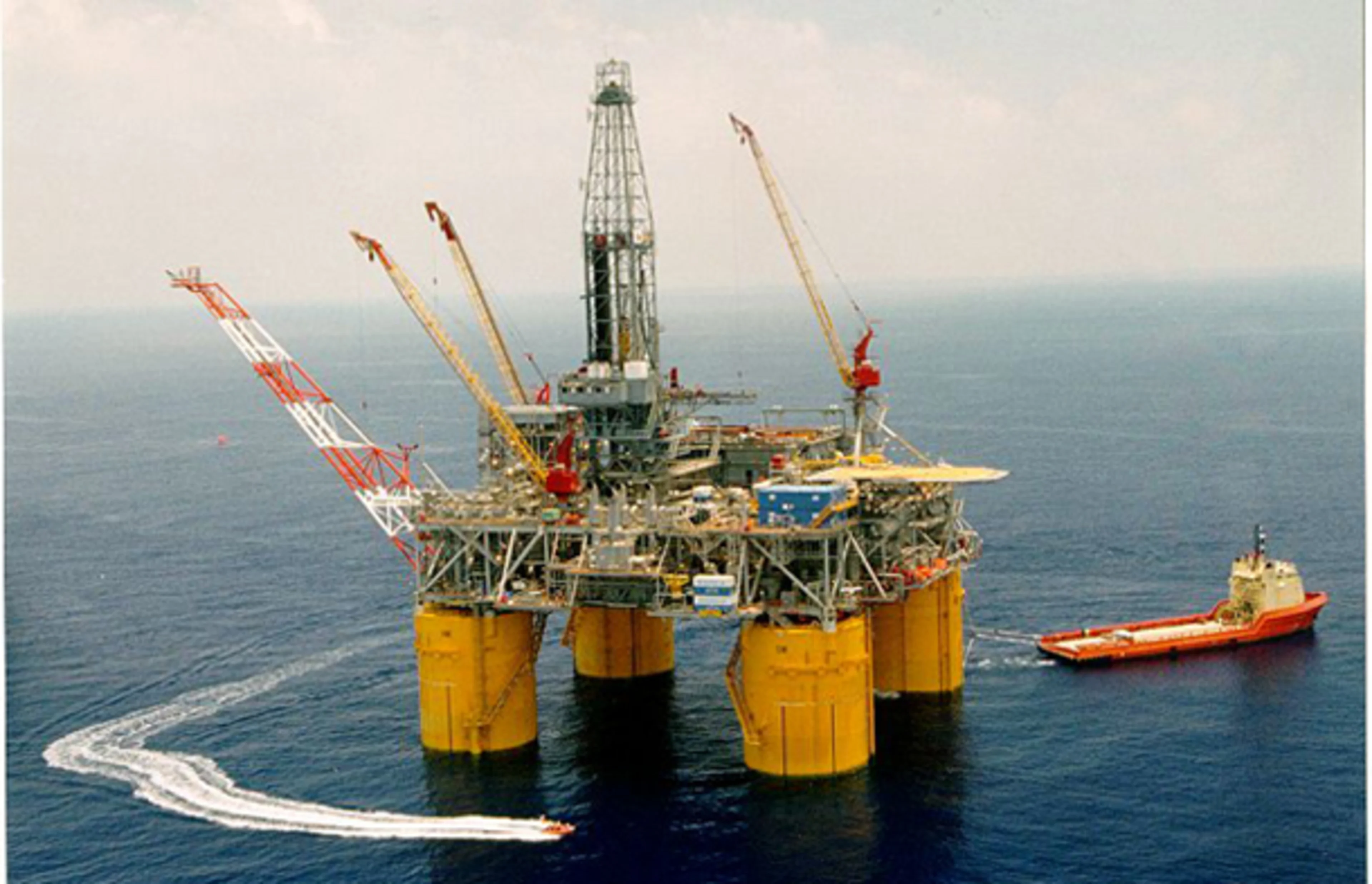
Scientists have raised serious concerns that plans by the United States administration to expand oil drilling in the Gulf of Mexico (also referred to as Gulf of America) could push the rare Rice’s whale closer to extinction.


🐋 About Rice’s Whale
Rice’s whale belongs to the baleen whale family Balaenopteridae and is most closely related to Bryde’s whales.
In 2021, it was officially recognized as a distinct species, separate from other Bryde’s whales found globally.
🔍 Key Features
- It has three prominent ridges in front of its blowhole
- Sleek body with slender, pointed pectoral fins
- Dark gray upper body with a pale to pink underside
🌊 Habitat & Distribution
Rice’s whale is unique because it is the only whale species that lives year-round in the Gulf of Mexico.
It is mainly found in the northeastern Gulf, typically in waters 100–400 metres deep.
🍽️ Diet & Reproduction
- Diet: Primarily feeds on silver-rag driftfish
- Reproduction: Likely reproduces every 2–3 years and reaches sexual maturity around age 9
⚠️ Major Threats
Rice’s whales face multiple threats, including:
- Vessel strikes
- Noise pollution
- Oil spills and offshore drilling
- Climate change
The expansion of oil drilling increases risks such as habitat disruption, pollution, and underwater noise.
🌱 Conservation Status
According to the IUCN Red List, Rice’s whale is classified as Critically Endangered, meaning it faces an extremely high risk of extinction.
🐋 राइस व्हेल पर तेल ड्रिलिंग का खतरा
वैज्ञानिकों ने चेतावनी दी है कि United States द्वारा Gulf of Mexico में तेल ड्रिलिंग बढ़ाने की योजना से Rice’s whale के विलुप्त होने का खतरा बढ़ सकता है।
🐋 राइस व्हेल के बारे में
यह व्हेल Balaenopteridae परिवार की सदस्य है और Bryde’s whale से सबसे अधिक संबंधित है।
2021 में इसे एक अलग प्रजाति के रूप में मान्यता मिली।
🔍 विशेषताएँ
- ब्लोहोल के सामने तीन उभरी हुई रेखाएँ
- पतला और सुडौल शरीर
- ऊपर गहरा ग्रे और नीचे हल्का गुलाबी रंग
🌊 आवास और वितरण
यह एकमात्र व्हेल है जो पूरे साल Gulf of Mexico में पाई जाती है।
यह 100–400 मीटर गहराई वाले क्षेत्रों में रहती है।
🍽️ आहार और प्रजनन
- मुख्य भोजन: सिल्वर-रैग ड्रिफ्टफिश
- प्रजनन: हर 2–3 साल में, और 9 साल में परिपक्वता
⚠️ खतरे
- जहाजों से टकराव
- ध्वनि प्रदूषण
- तेल रिसाव
- जलवायु परिवर्तन
🌱 संरक्षण स्थिति
IUCN Red List के अनुसार, यह प्रजाति Critically Endangered (अत्यंत संकटग्रस्त) है, जिससे इसके संरक्षण की आवश्यकता अत्यंत महत्वपूर्ण हो जाती है।