☕ India’s Coffee Exports Hit by Strait of Hormuz Disruptions
India’s coffee exports to West Asian markets are currently facing disruptions, with shipments stranded at ports or moving slowly through the Strait of Hormuz. This has significantly impacted trade flows, as this route is a crucial maritime passage connecting India to Middle Eastern markets.

4
🌱 About Coffee Cultivation in India
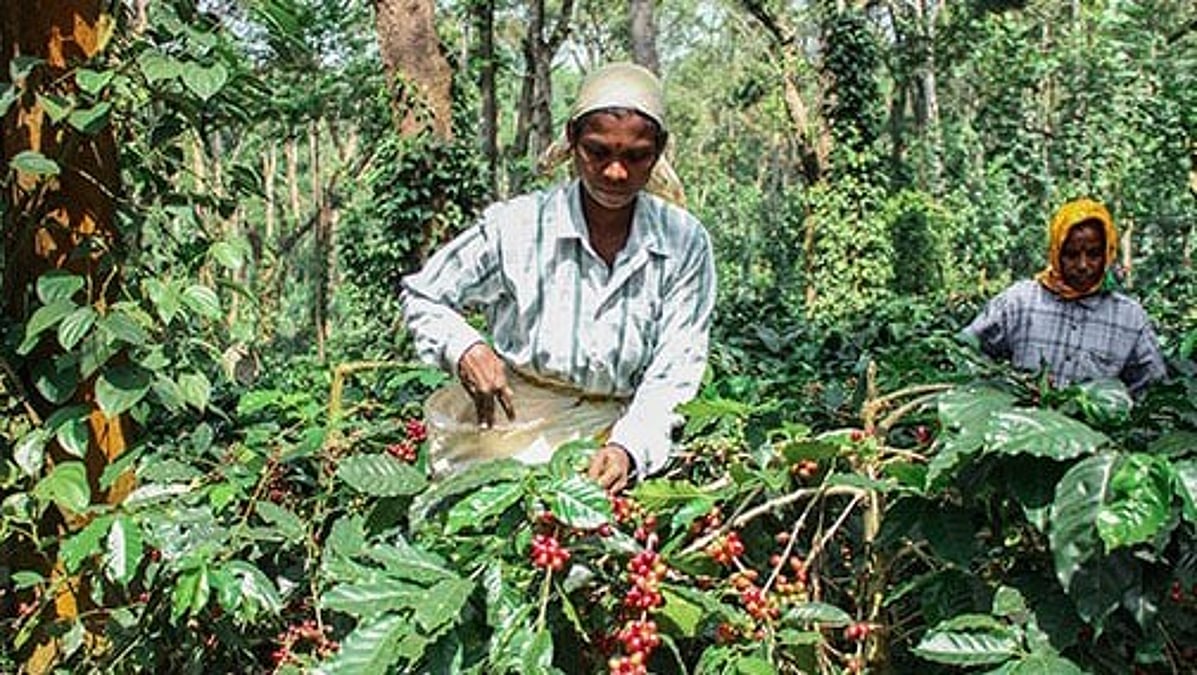
Coffee is a tropical crop that is generally grown under the shade of trees. This method helps protect the plants from direct sunlight and maintains moisture levels.
☕ Types of Coffee
There are two major types of coffee cultivated in India:
- Arabica – Known for its superior quality and mild flavor
- Robusta – Known for higher yield and stronger taste
📍 Major Coffee Producing States
Coffee cultivation in India is concentrated mainly in southern states such as:
- Karnataka (accounts for over 70% of total production)
- Kerala
- Tamil Nadu
- Andhra Pradesh
- Odisha
🌍 Export Destinations
Europe remains the largest destination for Indian coffee exports. Major importing countries include:
- Italy
- Germany
- Belgium
- Middle Eastern nations
- South Korea
- Japan
🌦️ Climatic Conditions Required for Coffee
Coffee cultivation requires specific climatic conditions for optimal growth:
- Altitude: 600 to 1,600 metres above sea level (hill slopes preferred)
- Climate: Hot and humid
- Temperature: Between 15°C and 28°C
- Rainfall: 150 to 250 cm annually
- Soil: Well-drained loamy soil rich in humus and minerals like iron and calcium
Additionally, dry weather is essential during the ripening stage of coffee berries to ensure good quality yield.
⚠️ Significance of Current Disruption
The slowdown in exports via the Strait of Hormuz can lead to:
- Delays in delivery to international markets
- Financial losses for exporters
- Supply chain disruptions in key importing regions
This highlights the importance of secure maritime trade routes for agricultural exports.
☕ भारत के कॉफी निर्यात पर स्ट्रेट ऑफ होर्मुज संकट का असर
भारत के कॉफी निर्यात पर पश्चिम एशिया के लिए बड़ा प्रभाव पड़ा है, क्योंकि शिपमेंट बंदरगाहों पर फंसे हुए हैं या Strait of Hormuz के माध्यम से धीमी गति से आगे बढ़ रहे हैं। यह मार्ग भारत और मध्य पूर्व के बीच एक महत्वपूर्ण समुद्री रास्ता है।
🌱 भारत में कॉफी की खेती
कॉफी एक उष्णकटिबंधीय (tropical) फसल है, जिसे आमतौर पर छायादार पेड़ों के नीचे उगाया जाता है।
☕ कॉफी के प्रकार
- Arabica – उच्च गुणवत्ता और हल्के स्वाद वाली
- Robusta – अधिक उत्पादन और मजबूत स्वाद वाली
📍 प्रमुख उत्पादक राज्य
भारत में कॉफी मुख्य रूप से निम्न राज्यों में उगाई जाती है:
- कर्नाटक (लगभग 70% उत्पादन)
- केरल
- तमिलनाडु
- आंध्र प्रदेश
- ओडिशा
🌍 निर्यात गंतव्य
भारत की कॉफी का सबसे बड़ा निर्यात बाजार यूरोप है। प्रमुख आयातक देश हैं:
- इटली
- जर्मनी
- बेल्जियम
- मध्य पूर्व के देश
- दक्षिण कोरिया
- जापान
🌦️ कॉफी के लिए आवश्यक जलवायु
- ऊँचाई: 600–1600 मीटर
- जलवायु: गर्म और आर्द्र
- तापमान: 15°C से 28°C
- वर्षा: 150–250 सेमी
- मिट्टी: अच्छी जल निकासी वाली दोमट मिट्टी, जिसमें ह्यूमस, आयरन और कैल्शियम हो
पकने के समय शुष्क मौसम आवश्यक होता है।
⚠️ वर्तमान समस्या का महत्व
Strait of Hormuz में व्यवधान के कारण:
- निर्यात में देरी
- व्यापारियों को नुकसान
- वैश्विक सप्लाई चेन पर असर
यह दर्शाता है कि सुरक्षित समुद्री मार्ग कृषि निर्यात के लिए कितने महत्वपूर्ण हैं।