The Snowy Owl has recently been designated for international protection under the Convention on the Conservation of Migratory Species of Wild Animals, highlighting global concern for its conservation.
🦉 About Snowy Owl
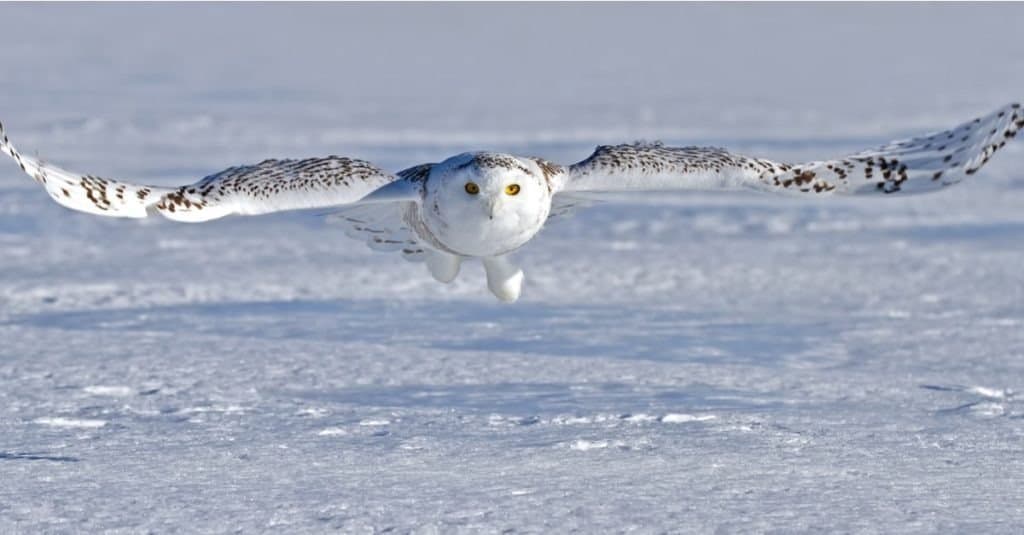
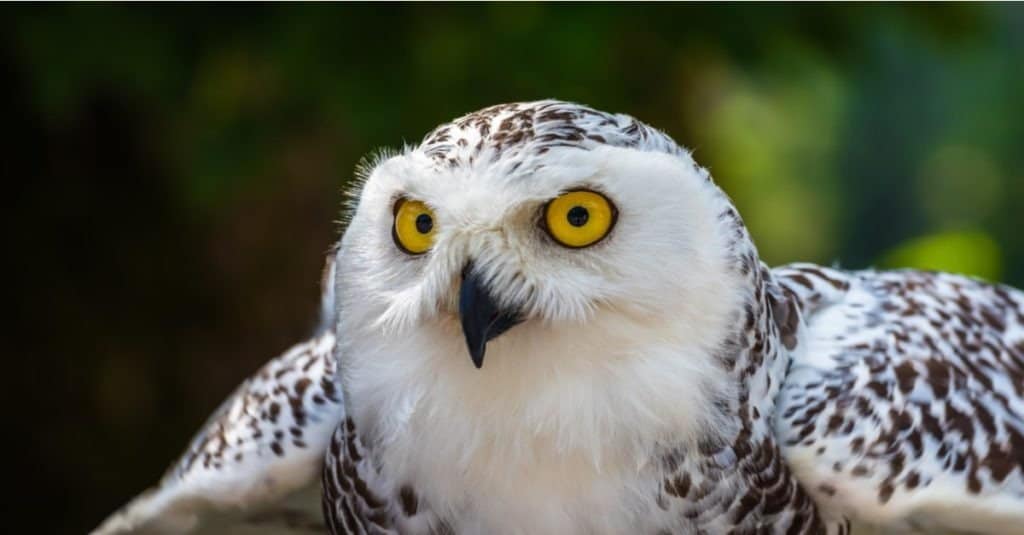
The Snowy Owl is a large, striking white owl belonging to the true owl family.
🌍 Habitat & Distribution
Snowy owls primarily inhabit the Arctic tundra, which consists of open, treeless landscapes.
They are also found in:
- Coastal dunes
- Prairies
- Moorlands
- Meadows and marshes
- Agricultural areas
They are native to Arctic regions of North America and Eurasia.
🔍 Key Characteristics
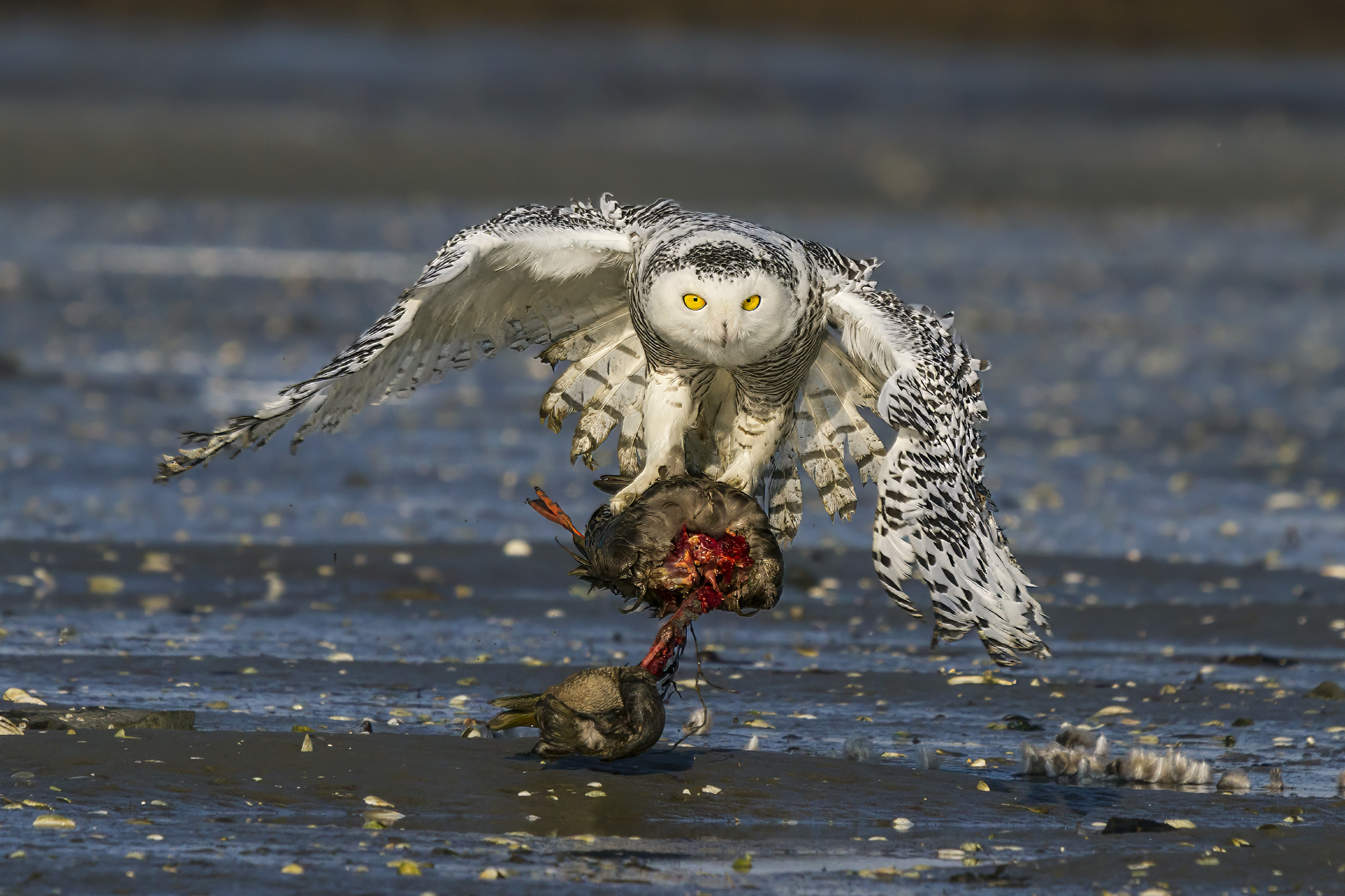
- Unlike most owls, snowy owls are not strictly nocturnal and can hunt both during the day and night
- They are nomadic birds, often changing breeding locations and sometimes skipping breeding if food is scarce
- Known for their powerful hunting abilities using a “wallop” method—diving and catching prey with strong talons
🍽️ Diet
Snowy owls are carnivorous and mainly feed on:
- Lemmings
- Meadow voles
- Other small mammals
🌱 Conservation Status
According to the IUCN Red List, the Snowy Owl is classified as Vulnerable, indicating a high risk of population decline.
🌍 Significance
The inclusion of the Snowy Owl under CMS protection ensures:
- International cooperation for conservation
- Protection of migratory routes and habitats
- Stronger monitoring and research efforts
🦉 स्नोई आउल को अंतरराष्ट्रीय संरक्षण मिला
हाल ही में Convention on the Conservation of Migratory Species of Wild Animals के तहत Snowy Owl को अंतरराष्ट्रीय संरक्षण दिया गया है।
🦉 स्नोई आउल के बारे में
Snowy Owl एक बड़ा सफेद उल्लू है, जो ट्रू आउल फैमिली से संबंधित है।
🌍 आवास और वितरण
यह मुख्य रूप से आर्कटिक टुंड्रा में पाया जाता है।
इसके अलावा:
- तटीय क्षेत्र
- घास के मैदान
- दलदली क्षेत्र
- कृषि क्षेत्र
में भी पाया जाता है।
🔍 विशेषताएँ
- दिन और रात दोनों समय शिकार करता है
- घुमंतू (nomadic) प्रकृति
- भोजन की उपलब्धता पर प्रजनन निर्भर
🍽️ आहार
- लेमिंग
- वोल्स
- छोटे स्तनधारी
🌱 संरक्षण स्थिति
IUCN Red List के अनुसार यह Vulnerable (असुरक्षित) श्रेणी में है।
🌍 महत्व
यह संरक्षण:
- अंतरराष्ट्रीय सहयोग बढ़ाएगा
- प्रवासी मार्गों की रक्षा करेगा
- प्रजाति के संरक्षण को मजबूत करेगा