🇬🇧 ENGLISH VERSION (Complete)
Why in the News?
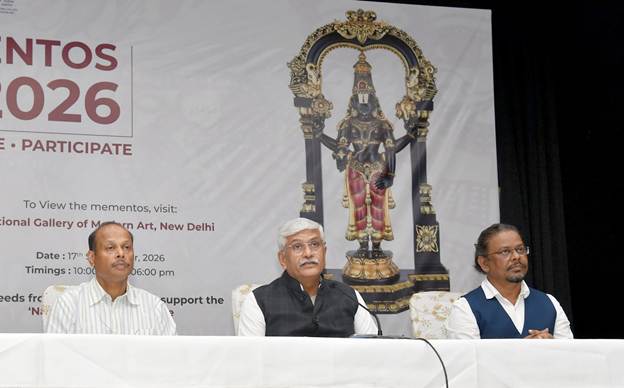
The Ministry of Health and Family Welfare released the updated Rashtriya Bal Swasthya Karyakram (RBSK) 2.0 guidelines on May 03, 2026, during the National Summit on Public Healthcare Innovations.
🔑 Key Highlights
1. Core Framework (4Ds Approach)
RBSK 2.0 strengthens the 4Ds model:
- Defects at birth
- Diseases
- Deficiencies
- Developmental Delays
2. Target Demographics
- Covers:
- Children from birth to 18 years
- Focus:
- Lifecycle-based comprehensive child healthcare
3. Expanded Scope
Now includes:
- Non-communicable diseases:
- Diabetes
- Hypertension
- Developmental issues:
- Mental health conditions
- Behavioral disorders
4. Service Delivery Mechanism
- Universal screening through:
- Mobile Health Teams
- Locations:
- Anganwadi Centres
- Schools
- Includes:
- Referral tracking system
- Preventive + promotive + curative care
5. Digital Integration
- Introduces:
- Digital health cards
- Real-time data monitoring
- Integrated service platforms
6. Inter-Ministerial Convergence
- Coordination between:
- Health Ministry
- Education Ministry
- Women & Child Development
- Objective:
- Early detection and follow-up care
ℹ️ Additional Information
Rashtriya Bal Swasthya Karyakram (RBSK)
- Launched:
- 2013
- Under:
- National Health Mission (NHM)
- Objective:
- Early detection and management of child health issues
- Goal:
- Reduce disease burden and out-of-pocket expenditure
🇮🇳 हिंदी संस्करण (पूर्ण)
समाचार में क्यों?
Ministry of Health and Family Welfare ने 3 मई 2026 को RBSK 2.0 दिशा-निर्देश जारी किए।
🔑 मुख्य बिंदु
1. 4Ds मॉडल
- जन्मजात दोष
- रोग
- कमी
- विकास में देरी
2. लक्षित आयु वर्ग
- जन्म से 18 वर्ष तक
- संपूर्ण जीवनचक्र आधारित देखभाल
3. विस्तारित दायरा
अब शामिल:
- डायबिटीज
- हाई ब्लड प्रेशर
- मानसिक स्वास्थ्य
- व्यवहार संबंधी समस्याएँ
4. सेवा वितरण
- मोबाइल हेल्थ टीम द्वारा जांच
- स्थान:
- आंगनवाड़ी
- स्कूल
- रेफरल ट्रैकिंग सिस्टम
5. डिजिटल पहल
- डिजिटल हेल्थ कार्ड
- रियल-टाइम डेटा सिस्टम
- इंटीग्रेटेड प्लेटफॉर्म
6. मंत्रालयों के बीच समन्वय
- स्वास्थ्य
- शिक्षा
- महिला एवं बाल विकास
ℹ️ अतिरिक्त जानकारी
RBSK
- शुरुआत:
- 2013
- NHM के तहत
- उद्देश्य:
- बच्चों में बीमारियों की जल्दी पहचान
🧠 BILINGUAL MCQs (Exam Ready)
Q1. RBSK 2.0 guidelines were released by which ministry?
RBSK 2.0 दिशा-निर्देश किस मंत्रालय ने जारी किए?
A. Ministry of Education
B. Ministry of Women & Child
C. Ministry of Health and Family Welfare ✅
D. Ministry of Finance
Q2. RBSK was originally launched in which year?
RBSK योजना कब शुरू हुई थी?
A. 2010
B. 2012
C. 2013 / 2013 ✅
D. 2015
Q3. What does 'D' in 4Ds NOT represent?
4Ds में 'D' किसे नहीं दर्शाता?
A. Defects
B. Diseases
C. Deficiencies
D. Diabetes ❌ (Correct Answer)
Q4. RBSK covers children of which age group?
RBSK किस आयु वर्ग के बच्चों को कवर करता है?
A. 0–5 years
B. 0–10 years
C. 0–18 years / 0–18 वर्ष ✅
D. 5–18 years
Q5. Screening is done through which teams?
स्क्रीनिंग किसके द्वारा की जाती है?
A. Doctors only
B. Nurses only
C. Mobile Health Teams / मोबाइल हेल्थ टीम ✅
D. NGOs
Q6. RBSK operates under which mission?
RBSK किस मिशन के तहत कार्य करता है?
A. Ayushman Bharat
B. NHM / National Health Mission ✅
C. Digital India
D. Skill India
Q7. RBSK 2.0 includes screening for which diseases?
RBSK 2.0 में किन रोगों की जांच शामिल है?
A. Only infectious diseases
B. Only genetic diseases
C. Non-communicable diseases / गैर-संचारी रोग ✅
D. Only rare diseases
Q8. Digital health cards are introduced under which version?
डिजिटल हेल्थ कार्ड किस संस्करण में शुरू किए गए?
A. RBSK 1.0
B. NHM
C. RBSK 2.0 / RBSK 2.0 ✅
D. Ayushman Bharat