
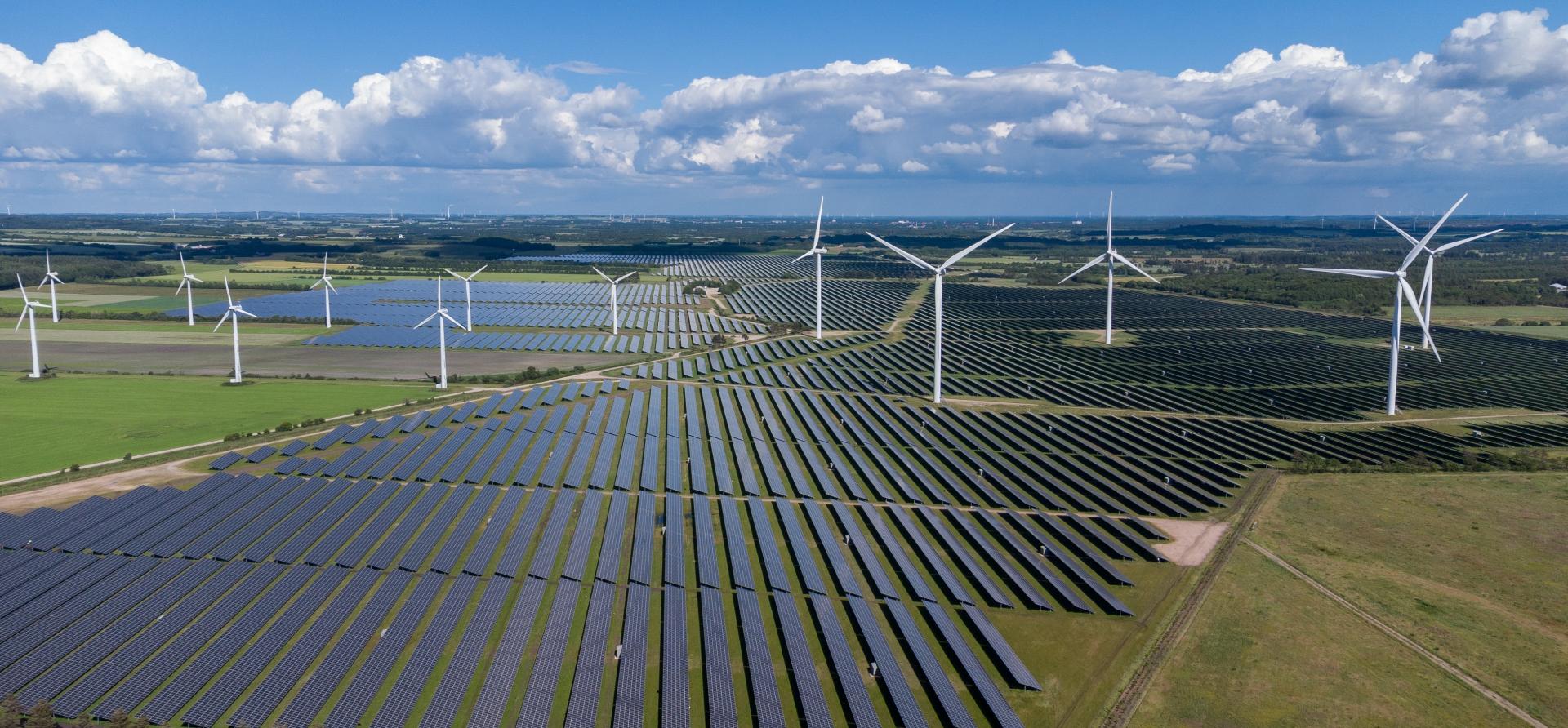
Editorial analysis | Updated 21 October 2026. This article explains a developing diplomatic debate, not an outcome of COP31.
The new climate conflict
The next climate summit is no longer only about how quickly nations can reduce emissions. It is also about who manufactures the technologies needed to do so, who pays for them, and whether trade barriers make the transition more expensive. On 21 October 2026, China said it wanted COP31 in Antalya, Turkey, to address tariffs and other trade restrictions on clean technology. This creates an important question: can countries simultaneously protect domestic industries and make clean energy affordable worldwide?
What China said ahead of COP31
According to Reuters, Li Gao, a vice minister in China’s Ministry of Ecology and Environment, urged discussion of both longstanding climate disputes and what China considers newer problems of unilateralism and protectionism. He identified inadequate emissions cuts and climate finance as longstanding issues. China is a major manufacturer of solar panels, batteries, wind turbines and electric vehicles, so access to international markets is a significant commercial and diplomatic concern.
Why governments impose tariffs
Tariffs are taxes imposed on imported goods. Governments may use them to defend domestic manufacturers, respond to alleged unfair subsidies, protect strategic supply chains or create space for local industries to develop. Supporters argue that without such measures, heavily subsidised imports can overwhelm domestic firms. Critics respond that higher import costs can slow adoption of technologies needed to reduce emissions. Both effects can occur, and the outcome depends on the product, tariff design and domestic market.
The clean-energy supply chain is global
A solar installation may depend on minerals extracted in one country, components refined in another, equipment assembled in a third and financing arranged elsewhere. Electric vehicles similarly combine batteries, semiconductors, software, charging networks and manufacturing capacity. Because supply chains cross borders, policies intended to help one domestic industry can increase costs for downstream businesses in other countries.
Why this matters for the climate
Decarbonisation depends on both technological progress and deployment at scale. Cheaper solar modules and batteries can make clean power competitive with fossil fuels, especially where electricity demand is growing. But cheap equipment alone is not enough: power grids, storage, land access, finance, maintenance and clear regulation are equally important. Trade policy is therefore one part of a larger climate strategy.
The United States and Europe have different concerns
Western governments have raised concerns about dependence on concentrated supply chains, industrial competitiveness and national security. Their policy responses differ by jurisdiction and product. China argues that restrictions on its clean-energy exports undermine global climate cooperation. This disagreement is not simply environmental versus anti-environmental: each side combines economic, strategic and climate objectives.
The climate-finance question
Developing countries often face higher borrowing costs and limited fiscal space. Even when renewable technology becomes cheaper, financing projects, upgrading grids and adapting to extreme weather can remain difficult. China has called attention to the international commitment made in 2024 to mobilise at least $300 billion annually for developing countries by 2035. The practical challenge is ensuring that commitments translate into accessible, predictable support.
What is COP31?
COP stands for Conference of the Parties to the United Nations Framework Convention on Climate Change (UNFCCC). The annual gathering brings together governments to review progress and negotiate cooperation on emissions reduction, adaptation, finance and transparency. COP31 is scheduled for Antalya, Turkey, in November 2026. Negotiations are complex, and a public proposal before the summit should not be confused with an agreed summit outcome.
What this means for India
India is both a rapidly growing clean-energy market and an aspiring manufacturer of solar equipment, batteries and electric vehicles. Affordable imports can help deployment, while domestic manufacturing can support employment, investment and supply resilience. Policymakers must weigh costs to consumers against industrial development and energy security. Indian students should watch how trade policy, production incentives, grid investments and climate diplomacy interact rather than treating them as separate subjects.
Could tariffs make electricity more expensive?
They can, but not automatically. A tariff that raises equipment prices may increase project costs; however, the effect on household bills also depends on financing, fuel prices, grid fees, existing contracts and how electricity markets are regulated. Domestic competition and technology improvements may offset some costs over time. Sweeping claims that one tariff will directly determine a household bill are therefore misleading.
Three possible paths after COP31
One possibility is greater cooperation on standards, technology access and finance. A second is continued trade fragmentation, with countries building parallel manufacturing chains. A third is a mixed outcome: political disagreement persists while businesses continue cross-border trade where economically feasible. These are scenarios, not predictions. The actual outcome will depend on negotiations and policy decisions.
The larger lesson
The energy transition is now inseparable from trade, industrial policy and geopolitics. Climate ambition matters, but so do manufacturing capacity, affordable capital, reliable grids and international trust. The most durable solutions will likely balance the need to build resilient domestic industries with the need to deploy clean technologies quickly and affordably.
Frequently asked questions
When is COP31?
COP31 is scheduled for November 2026 in Antalya, Turkey.
Why does China oppose clean-tech tariffs?
China argues that restrictions on clean-energy exports raise costs and undermine global climate cooperation; importing countries cite competitiveness and supply-chain concerns.
Are tariffs always bad for climate action?
No. They may support local manufacturing, but can also raise equipment costs. Outcomes depend on design and market conditions.
What should Indian students remember?
The connection between climate diplomacy, trade barriers, renewable-energy supply chains, climate finance and industrial policy.
Further reading
Read Reuters Original Reporting
Explore Official UN Climate Resources
Sources: Reuters (21 October 2026); UNFCCC official website. This is original educational analysis based on publicly reported developments. Photo is an illustrative Unsplash image; check the photographer credit and license before publishing.


