What Happened
1. Why in News?
On 10 November 2026, India reaffirmed its commitment to equitable international climate action at the 31st Conference of the Parties to the United Nations Framework Convention on Climate Change, known as UNFCCC COP31. India called for a fair and ambitious outcome and urged developed countries to fulfil their climate-finance obligations.
2. Venue of COP31
COP31 is being held in Antalya, Türkiye. Antalya is a major city on Türkiye's Mediterranean coast. The location is important for examinations on international environmental conferences.
3. India's Opening Statement
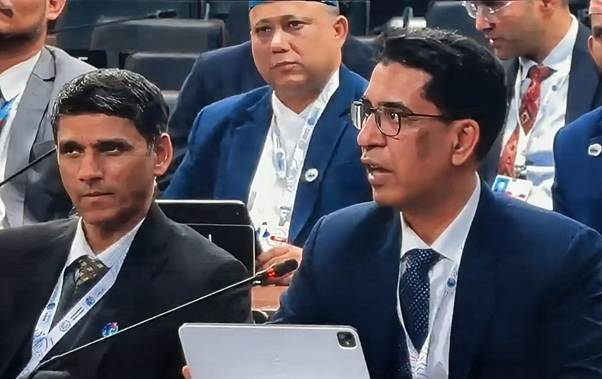
India's opening statement at COP31 was delivered by Narendra Bhooshan, Secretary of the Ministry of Environment, Forest and Climate Change. He presented India's priorities for international climate negotiations.
4. Official Announcement
The Ministry of Environment, Forest and Climate Change issued the announcement on 10 November 2026 through the Press Information Bureau. The official release number is 2334571.
5. COP31 Leadership
India expressed appreciation for the leadership of Türkiye and Australia in the COP31 process. The statement recognised their contributions to international climate discussions.
6. Main Message
India emphasised that climate action must be ambitious but also fair. Countries have different historical responsibilities, development needs and financial capabilities, which must be considered in climate negotiations.
7. What Is UNFCCC?
The United Nations Framework Convention on Climate Change is an international environmental treaty adopted in 1992. Its objective is to address dangerous human interference with the climate system through international cooperation.
8. What Is COP?
COP stands for Conference of the Parties. It is the principal decision-making forum of countries that are parties to the UNFCCC. COP meetings examine progress and negotiate collective responses to climate change.
9. Climate Multilateralism
Climate multilateralism means countries working together through international institutions and agreements to address climate change. India reaffirmed its support for the UNFCCC and Paris Agreement as inclusive platforms for cooperation.
10. Equity in Climate Negotiations
Equity requires climate responsibilities and support arrangements to consider differences among countries. India argued that climate action should not impose disproportionate burdens on developing economies.
11. CBDR-RC Principle
CBDR-RC stands for Common But Differentiated Responsibilities and Respective Capabilities. It recognises that climate change is a shared global challenge, while countries have different responsibilities and capacities to respond.
12. Meaning of Common Responsibilities
All countries have a role in addressing climate change. Global warming affects the planet as a whole, making cooperation necessary even when national circumstances differ.
13. Meaning of Differentiated Responsibilities
Countries have contributed differently to historical greenhouse gas emissions and possess different economic and technological resources. The principle of differentiation recognises these differences.
14. Respective Capabilities
Respective capabilities refer to the financial, technological and institutional resources available to countries. These capabilities influence the scale and type of climate action countries can undertake.
15. Paris Agreement
The Paris Agreement was adopted at COP21 in Paris in December 2015. It is an international treaty designed to strengthen the global response to climate change.
16. Temperature Goal
The Paris Agreement aims to hold the increase in global average temperature well below 2 degrees Celsius above pre-industrial levels and pursue efforts to limit the increase to 1.5 degrees Celsius.
17. Concern Over 1.5 Degrees Celsius
At COP31, India highlighted the growing concern about global warming crossing the 1.5-degree Celsius threshold. It argued that the prospect makes fairness and support for vulnerable countries especially important.
18. Climate Finance
Climate finance refers to financial resources supporting mitigation and adaptation activities. It may help developing countries adopt cleaner technologies, improve resilience and respond to climate-related risks.
19. India's Demand on Finance
India emphasised that developed countries must fulfil their obligations to provide financial resources to developing countries. It identified public finance as central to supporting climate action.
20. Article 9.1 of the Paris Agreement
Article 9.1 establishes that developed-country parties shall provide financial resources to assist developing-country parties with mitigation and adaptation, continuing their existing obligations under the Convention.
21. Why Article 9.1 Matters
Article 9.1 is important because it addresses financial support as an obligation of developed-country parties rather than merely an optional expression of cooperation.
22. Public Climate Finance
Public climate finance can include financial support provided through governments, public institutions and multilateral mechanisms. India highlighted its importance in enabling action in developing countries.
23. Adaptation Finance
Adaptation finance supports measures that reduce vulnerability to climate change. Examples include flood protection, drought-resilient agriculture, water management and early-warning systems.
24. Mitigation
Climate-change mitigation involves reducing greenhouse gas emissions or increasing the removal of greenhouse gases from the atmosphere. Renewable energy, energy efficiency and forest conservation can contribute to mitigation.
25. Adaptation
Climate-change adaptation means adjusting systems and practices to actual or expected climate impacts. Adaptation is especially important for communities exposed to floods, droughts, extreme heat and sea-level rise.
26. Adaptation Challenges
India stated that adaptation needs remain substantial, especially in the Global South. These challenges are closely connected to development, infrastructure and the protection of livelihoods.
27. Global South
The term Global South generally refers to developing and emerging economies, although it is not a formally fixed geographical category. Many such countries face development challenges alongside climate-related risks.
28. Just Transition
A just transition seeks to ensure that the shift towards environmentally sustainable economies is fair to workers, communities and vulnerable groups. It considers employment, livelihoods and social protection.
29. India's Position on Just Transition
India emphasised that the transition towards cleaner economies must account for the development needs of poorer and emerging countries. Climate policies should not leave vulnerable populations behind.
30. Development and Climate Action
India reaffirmed its commitment to contributing its fair share to global climate action while continuing to pursue economic development and public welfare.
31. COP of Implementation
India welcomed the COP31 presidency's description of the conference as a COP of Implementation. The emphasis is on translating climate commitments into practical outcomes.
32. Three Guiding Elements
The COP31 presidency's approach highlights three elements: Dialogue, Consensus and Action. These principles are intended to strengthen cooperation and implementation.
33. Dialogue
Dialogue enables countries to discuss differences, exchange information and build trust. It is especially important when negotiating responsibilities and support arrangements.
34. Consensus
Consensus allows participating countries to develop outcomes with broad collective ownership. International climate negotiations frequently depend on balancing diverse national priorities.
35. Action
Action refers to the practical implementation of climate commitments, including policies, investments, adaptation measures and international support.
36. G77 and China
India aligned itself with the statements of the Group of 77 and China. The G77 is a major negotiating coalition of developing countries in international institutions.
37. LMDC Group
India also aligned itself with the Like-Minded Developing Countries group. LMDC is a negotiating grouping that emphasises equity, development priorities and differentiation in climate responsibilities.
38. BASIC Group
India referred to the BASIC group, comprising Brazil, South Africa, India and China. These countries cooperate on issues of international climate negotiations.
39. Role of Developing Countries
Developing countries have repeatedly emphasised the importance of financial support, technology access and capacity building. Such assistance can influence their ability to implement climate commitments.
40. India's Constructive Engagement
India stated that it would continue working with other parties towards an equitable and ambitious COP31 outcome. This was a negotiating position expressed during the conference, not an announcement of a final agreement.
41. Difference Between COP31 and CBD COP17
COP31 concerns the UNFCCC and climate change, whereas CBD COP17 concerns the Convention on Biological Diversity. Although both are international environmental meetings, they operate under different treaties.
42. Importance for International Relations
The negotiations illustrate how climate change intersects with diplomacy, development finance and international cooperation. Climate equity remains an important issue between developed and developing countries.
43. Importance for India
India's position reflects the need to combine economic development, energy transition, climate resilience and international support. It also highlights the importance of representation for developing economies in global negotiations.
44. UPSC Examination Relevance
The topic is relevant to UPSC GS2 international relations and global institutions, and GS3 environmental conservation, climate change, sustainable development and disaster resilience.
45. Important Clarification
The official statement does not announce a new climate-finance amount, a final COP31 agreement or a new binding emissions target for India. Such claims should not be added without separate official confirmation.
46. Overall Significance
India's COP31 statement reinforces the principle that global climate action requires both ambition and fairness. Its central message is that developed-country finance, adaptation support and differentiated responsibilities are essential to effective international cooperation.
क्या हुआ?
1. चर्चा में क्यों?
10 नवंबर 2026 को भारत ने संयुक्त राष्ट्र जलवायु परिवर्तन रूपरेखा अभिसमय के पक्षकारों के 31वें सम्मेलन अर्थात COP31 में न्यायसंगत अंतरराष्ट्रीय जलवायु कार्रवाई के प्रति अपनी प्रतिबद्धता दोहराई। भारत ने निष्पक्ष और महत्वाकांक्षी परिणाम की मांग की तथा विकसित देशों से जलवायु वित्त संबंधी दायित्व पूरे करने का आग्रह किया।
2. COP31 का आयोजन स्थल
COP31 का आयोजन तुर्किए के अंताल्या शहर में हो रहा है। अंताल्या भूमध्य सागर के तट पर स्थित एक प्रमुख शहर है। अंतरराष्ट्रीय पर्यावरण सम्मेलनों से संबंधित प्रतियोगी परीक्षाओं के लिए यह स्थान महत्वपूर्ण है।
3. भारत का प्रारंभिक वक्तव्य
COP31 में भारत का प्रारंभिक वक्तव्य पर्यावरण, वन और जलवायु परिवर्तन मंत्रालय के सचिव नरेंद्र भूषण ने प्रस्तुत किया। उन्होंने अंतरराष्ट्रीय जलवायु वार्ताओं में भारत की प्रमुख प्राथमिकताओं को सामने रखा।
4. आधिकारिक घोषणा
पर्यावरण, वन और जलवायु परिवर्तन मंत्रालय ने 10 नवंबर 2026 को प्रेस सूचना ब्यूरो के माध्यम से आधिकारिक घोषणा जारी की। विज्ञप्ति संख्या 2334571 है।
5. COP31 का नेतृत्व
भारत ने COP31 की प्रक्रिया में तुर्किए और ऑस्ट्रेलिया के नेतृत्व की सराहना की। वक्तव्य में अंतरराष्ट्रीय जलवायु चर्चाओं में उनके योगदान को स्वीकार किया गया।
6. मुख्य संदेश
भारत ने कहा कि जलवायु कार्रवाई महत्वाकांक्षी होने के साथ न्यायसंगत भी होनी चाहिए। विभिन्न देशों की ऐतिहासिक जिम्मेदारियां, विकास संबंधी आवश्यकताएं और वित्तीय क्षमताएं अलग-अलग हैं। जलवायु वार्ताओं में इन अंतरों को ध्यान में रखना आवश्यक है।
7. UNFCCC क्या है?
संयुक्त राष्ट्र जलवायु परिवर्तन रूपरेखा अभिसमय वर्ष 1992 में अपनाई गई एक अंतरराष्ट्रीय पर्यावरण संधि है। इसका उद्देश्य अंतरराष्ट्रीय सहयोग के माध्यम से जलवायु प्रणाली में खतरनाक मानवीय हस्तक्षेप की समस्या का समाधान करना है।
8. COP क्या है?
COP का पूरा नाम Conference of the Parties है। यह संयुक्त राष्ट्र जलवायु परिवर्तन रूपरेखा अभिसमय के पक्षकार देशों का प्रमुख निर्णयकारी मंच है। इसकी बैठकों में जलवायु परिवर्तन से निपटने की प्रगति की समीक्षा और सामूहिक उपायों पर बातचीत होती है।
9. जलवायु बहुपक्षवाद
जलवायु बहुपक्षवाद का अर्थ विभिन्न देशों द्वारा अंतरराष्ट्रीय संस्थाओं और समझौतों के माध्यम से जलवायु परिवर्तन का संयुक्त समाधान खोजना है। भारत ने UNFCCC और पेरिस समझौते के प्रति अपना समर्थन दोहराया।
10. जलवायु वार्ताओं में समानता
न्यायसंगत व्यवस्था का अर्थ जलवायु संबंधी जिम्मेदारियों और सहायता में देशों के बीच मौजूद अंतरों को ध्यान में रखना है। भारत ने कहा कि विकासशील अर्थव्यवस्थाओं पर अनुपातहीन बोझ नहीं डाला जाना चाहिए।
11. CBDR-RC सिद्धांत
CBDR-RC का पूरा नाम Common But Differentiated Responsibilities and Respective Capabilities है। इसका अर्थ साझा लेकिन विभेदित जिम्मेदारियां और संबंधित क्षमताएं है। यह सिद्धांत स्वीकार करता है कि जलवायु परिवर्तन एक साझा वैश्विक चुनौती है, लेकिन देशों की जिम्मेदारियां और उससे निपटने की क्षमताएं अलग-अलग हैं।
12. साझा जिम्मेदारियों का अर्थ
जलवायु परिवर्तन का समाधान करने में सभी देशों की भूमिका है। वैश्विक तापवृद्धि पूरे ग्रह को प्रभावित करती है, इसलिए राष्ट्रीय परिस्थितियां अलग होने पर भी अंतरराष्ट्रीय सहयोग आवश्यक है।
13. विभेदित जिम्मेदारियों का अर्थ
ऐतिहासिक ग्रीनहाउस गैस उत्सर्जन में विभिन्न देशों का योगदान अलग-अलग रहा है। उनके आर्थिक और तकनीकी संसाधन भी समान नहीं हैं। विभेदित जिम्मेदारियों का सिद्धांत इन अंतरों को स्वीकार करता है।
14. संबंधित क्षमताएं
संबंधित क्षमताओं का अर्थ देशों के पास उपलब्ध वित्तीय, तकनीकी और संस्थागत संसाधनों से है। इन्हीं संसाधनों से यह प्रभावित होता है कि कोई देश कितने बड़े स्तर पर जलवायु कार्रवाई कर सकता है।
15. पेरिस समझौता
पेरिस समझौता दिसंबर 2015 में पेरिस में आयोजित COP21 के दौरान अपनाया गया था। यह जलवायु परिवर्तन के विरुद्ध वैश्विक प्रतिक्रिया को मजबूत करने के उद्देश्य से बनी अंतरराष्ट्रीय संधि है।
16. तापमान संबंधी लक्ष्य
पेरिस समझौते का उद्देश्य वैश्विक औसत तापमान में वृद्धि को औद्योगिक क्रांति से पहले के स्तर की तुलना में 2 डिग्री सेल्सियस से काफी नीचे रखना और इसे 1.5 डिग्री सेल्सियस तक सीमित करने के प्रयास करना है।
17. 1.5 डिग्री सेल्सियस को लेकर चिंता
COP31 में भारत ने वैश्विक तापवृद्धि के 1.5 डिग्री सेल्सियस की सीमा पार करने की आशंका पर चिंता व्यक्त की। भारत ने कहा कि ऐसी स्थिति में कमजोर देशों के लिए न्याय और सहायता का महत्व और बढ़ जाता है।
18. जलवायु वित्त
जलवायु वित्त का अर्थ जलवायु परिवर्तन को कम करने और उसके प्रभावों के अनुकूल बनने के लिए उपलब्ध कराए जाने वाले वित्तीय संसाधनों से है। इससे विकासशील देशों को स्वच्छ प्रौद्योगिकी, जलवायु अनुकूलन और जोखिम प्रबंधन में सहायता मिल सकती है।
19. जलवायु वित्त पर भारत की मांग
भारत ने विकसित देशों से विकासशील देशों को वित्तीय संसाधन उपलब्ध कराने संबंधी दायित्व पूरे करने की मांग की। भारत ने सार्वजनिक वित्त को जलवायु कार्रवाई के लिए महत्वपूर्ण बताया।
20. पेरिस समझौते का अनुच्छेद 9.1
अनुच्छेद 9.1 के अनुसार विकसित देश पक्षकारों को जलवायु परिवर्तन के शमन और अनुकूलन में सहायता के लिए विकासशील देश पक्षकारों को वित्तीय संसाधन उपलब्ध कराने हैं। यह अभिसमय के अंतर्गत उनके मौजूदा दायित्वों की निरंतरता है।
21. अनुच्छेद 9.1 का महत्व
यह अनुच्छेद महत्वपूर्ण है क्योंकि इसमें विकसित देशों की वित्तीय सहायता को केवल वैकल्पिक सहयोग नहीं, बल्कि उनके दायित्व के रूप में प्रस्तुत किया गया है।
22. सार्वजनिक जलवायु वित्त
सार्वजनिक जलवायु वित्त में सरकारों, सार्वजनिक संस्थाओं और बहुपक्षीय व्यवस्थाओं के माध्यम से प्रदान की जाने वाली सहायता शामिल हो सकती है। भारत ने विकासशील देशों में जलवायु कार्रवाई संभव बनाने के लिए इसके महत्व को रेखांकित किया।
23. अनुकूलन वित्त
अनुकूलन वित्त जलवायु परिवर्तन के प्रति संवेदनशीलता कम करने वाले उपायों का समर्थन करता है। इसके उदाहरण बाढ़ सुरक्षा, सूखा सहनशील कृषि, जल प्रबंधन और प्रारंभिक चेतावनी प्रणालियां हैं।
24. जलवायु परिवर्तन का शमन
शमन का अर्थ ग्रीनहाउस गैस उत्सर्जन कम करना या वायुमंडल से ग्रीनहाउस गैसों के निष्कासन को बढ़ाना है। नवीकरणीय ऊर्जा, ऊर्जा दक्षता और वन संरक्षण इसमें योगदान दे सकते हैं।
25. जलवायु अनुकूलन
जलवायु अनुकूलन का अर्थ जलवायु परिवर्तन के वर्तमान या संभावित प्रभावों के अनुसार प्रणालियों और व्यवहारों में समायोजन करना है। बाढ़, सूखे, अत्यधिक गर्मी और समुद्र स्तर में वृद्धि से प्रभावित समुदायों के लिए यह विशेष रूप से महत्वपूर्ण है।
26. अनुकूलन की चुनौतियां
भारत ने कहा कि विशेष रूप से वैश्विक दक्षिण के देशों में अनुकूलन की आवश्यकताएं बहुत अधिक हैं। ये चुनौतियां विकास, अवसंरचना और आजीविका की सुरक्षा से जुड़ी हुई हैं।
27. वैश्विक दक्षिण
वैश्विक दक्षिण शब्द सामान्यतः विकासशील और उभरती अर्थव्यवस्थाओं के लिए प्रयुक्त होता है। हालांकि यह कोई निश्चित भौगोलिक वर्गीकरण नहीं है। इन देशों को विकास संबंधी चुनौतियों के साथ जलवायु जोखिमों का भी सामना करना पड़ता है।
28. न्यायसंगत संक्रमण
न्यायसंगत संक्रमण का अर्थ पर्यावरण की दृष्टि से टिकाऊ अर्थव्यवस्था की ओर बढ़ते समय श्रमिकों, समुदायों और कमजोर वर्गों के हितों की रक्षा करना है। इसमें रोजगार, आजीविका और सामाजिक सुरक्षा को महत्व दिया जाता है।
29. न्यायसंगत संक्रमण पर भारत का पक्ष
भारत ने कहा कि स्वच्छ अर्थव्यवस्था की ओर बदलाव करते समय गरीब और विकासशील देशों की आवश्यकताओं को ध्यान में रखना चाहिए। जलवायु नीतियों के कारण कमजोर समुदाय पीछे नहीं छूटने चाहिए।
30. विकास और जलवायु कार्रवाई
भारत ने आर्थिक विकास और जनता के कल्याण को आगे बढ़ाते हुए वैश्विक जलवायु कार्रवाई में अपना न्यायसंगत योगदान देने की प्रतिबद्धता दोहराई।
31. कार्यान्वयन का COP
भारत ने COP31 की अध्यक्षता द्वारा सम्मेलन को कार्यान्वयन का COP कहे जाने का स्वागत किया। इसका मुख्य उद्देश्य जलवायु प्रतिबद्धताओं को व्यावहारिक परिणामों में बदलने पर ध्यान देना है।
32. तीन मार्गदर्शक तत्व
COP31 की अध्यक्षता ने तीन प्रमुख तत्वों पर जोर दिया है: संवाद, सहमति और कार्रवाई। इनका उद्देश्य सहयोग तथा वास्तविक कार्यान्वयन को मजबूत करना है।
33. संवाद
संवाद से देश अपने मतभेदों पर चर्चा कर सकते हैं, जानकारी साझा कर सकते हैं और विश्वास विकसित कर सकते हैं। जिम्मेदारियों तथा सहायता की व्यवस्था पर बातचीत में इसका विशेष महत्व है।
34. सहमति
सहमति से भाग लेने वाले देशों के बीच व्यापक स्वीकार्यता वाले निर्णय तैयार किए जा सकते हैं। अंतरराष्ट्रीय जलवायु वार्ताओं में विभिन्न राष्ट्रीय प्राथमिकताओं के बीच संतुलन आवश्यक होता है।
35. कार्रवाई
कार्रवाई का अर्थ जलवायु प्रतिबद्धताओं को नीतियों, निवेश, अनुकूलन उपायों और अंतरराष्ट्रीय सहायता के माध्यम से वास्तविक रूप देना है।
36. G77 और चीन
भारत ने 77 देशों के समूह और चीन के वक्तव्यों के साथ अपनी सहमति व्यक्त की। G77 अंतरराष्ट्रीय संस्थाओं में विकासशील देशों का एक महत्वपूर्ण वार्ता समूह है।
37. LMDC समूह
भारत ने समान विचारधारा वाले विकासशील देशों के समूह के वक्तव्य के साथ भी सहमति जताई। यह समूह जलवायु जिम्मेदारियों में समानता, विकास प्राथमिकताओं और विभेदित जिम्मेदारियों पर जोर देता है।
38. BASIC समूह
भारत ने BASIC समूह का भी उल्लेख किया। इसमें ब्राजील, दक्षिण अफ्रीका, भारत और चीन शामिल हैं। ये देश अंतरराष्ट्रीय जलवायु वार्ताओं से संबंधित मुद्दों पर सहयोग करते हैं।
39. विकासशील देशों की भूमिका
विकासशील देश जलवायु वित्त, प्रौद्योगिकी तक पहुंच और क्षमता निर्माण के महत्व पर लगातार जोर देते रहे हैं। ऐसी सहायता जलवायु प्रतिबद्धताओं को लागू करने की उनकी क्षमता को प्रभावित करती है।
40. भारत की रचनात्मक भागीदारी
भारत ने कहा कि वह निष्पक्ष और महत्वाकांक्षी COP31 परिणाम प्राप्त करने के लिए अन्य पक्षकारों के साथ काम करता रहेगा। यह सम्मेलन के दौरान व्यक्त किया गया वार्ता संबंधी पक्ष है, किसी अंतिम समझौते की घोषणा नहीं।
41. COP31 और CBD COP17 में अंतर
COP31 संयुक्त राष्ट्र जलवायु परिवर्तन रूपरेखा अभिसमय और जलवायु परिवर्तन से संबंधित है। इसके विपरीत CBD COP17 जैव विविधता अभिसमय से संबंधित है। दोनों अंतरराष्ट्रीय पर्यावरण सम्मेलन हैं, लेकिन अलग-अलग संधियों के अंतर्गत आयोजित होते हैं।
42. अंतरराष्ट्रीय संबंधों में महत्व
ये वार्ताएं दर्शाती हैं कि जलवायु परिवर्तन का संबंध कूटनीति, विकास वित्त और अंतरराष्ट्रीय सहयोग से भी है। विकसित तथा विकासशील देशों के बीच जलवायु न्याय एक महत्वपूर्ण विषय बना हुआ है।
43. भारत के लिए महत्व
भारत का दृष्टिकोण आर्थिक विकास, ऊर्जा संक्रमण, जलवायु अनुकूलन और अंतरराष्ट्रीय सहायता को एक साथ जोड़ने की आवश्यकता दर्शाता है। यह वैश्विक वार्ताओं में विकासशील अर्थव्यवस्थाओं के प्रतिनिधित्व के महत्व को भी रेखांकित करता है।
44. UPSC परीक्षा में महत्व
यह विषय UPSC GS2 में अंतरराष्ट्रीय संबंध और वैश्विक संस्थाओं तथा GS3 में पर्यावरण संरक्षण, जलवायु परिवर्तन, सतत विकास और आपदा अनुकूलन से संबंधित है।
45. महत्वपूर्ण स्पष्टीकरण
आधिकारिक वक्तव्य में जलवायु वित्त की किसी नई राशि, COP31 के अंतिम समझौते या भारत के किसी नए बाध्यकारी उत्सर्जन लक्ष्य की घोषणा नहीं की गई है। अलग आधिकारिक पुष्टि के बिना ऐसे दावे नहीं करने चाहिए।
46. समग्र महत्व
COP31 में भारत का वक्तव्य इस सिद्धांत को मजबूत करता है कि वैश्विक जलवायु कार्रवाई के लिए महत्वाकांक्षा और न्याय दोनों आवश्यक हैं। इसका केंद्रीय संदेश है कि विकसित देशों की वित्तीय सहायता, अनुकूलन के लिए समर्थन और विभेदित जिम्मेदारियां प्रभावी अंतरराष्ट्रीय सहयोग के लिए अनिवार्य हैं।
Key Facts
• COP31 is the 31st Conference of the Parties to the UNFCCC.
• COP31 is being held in Antalya, Türkiye.
• India's opening statement was reported on 10 November 2026.
• India's statement was delivered by Narendra Bhooshan.
• Narendra Bhooshan was Secretary of the Ministry of Environment, Forest and Climate Change.
• India thanked Türkiye and Australia for their leadership of COP31.
• India reaffirmed its commitment to climate multilateralism.
• India emphasised equity in international climate negotiations.
• CBDR-RC stands for Common But Differentiated Responsibilities and Respective Capabilities.
• CBDR-RC recognises differences in responsibilities and capabilities among countries.
• UNFCCC stands for United Nations Framework Convention on Climate Change.
• The UNFCCC was adopted in 1992.
• The Paris Agreement was adopted at COP21 in 2015.
• The Paris Agreement aims to keep warming well below 2 degrees Celsius and pursue a 1.5-degree Celsius limit.
• India expressed concern about the prospect of crossing 1.5 degrees Celsius of warming.
• India called for developed countries to fulfil climate-finance obligations.
• India specifically emphasised Article 9.1 of the Paris Agreement.
• Article 9.1 concerns developed-country financial assistance for mitigation and adaptation in developing countries.
• India highlighted the importance of public climate finance.
• India stressed the need to increase adaptation finance flows.
• Adaptation reduces vulnerability to climate impacts.
• Mitigation reduces emissions or increases greenhouse gas removals.
• Just transition was identified as a central climate challenge.
• Just transition considers workers, communities and development needs.
• The Global South was identified as especially affected by adaptation and development challenges.
• India supported a fair and ambitious COP31 outcome.
• The COP31 presidency promoted a COP of Implementation.
• The three guiding elements were Dialogue, Consensus and Action.
• Dialogue supports trust among negotiating countries.
• Consensus supports collective ownership of outcomes.
• Action translates commitments into practical progress.
• India aligned itself with the statements of G77 and China.
• India aligned itself with the Like-Minded Developing Countries group.
• India aligned itself with the BASIC group.
• BASIC comprises Brazil, South Africa, India and China.
• India emphasised development and public welfare alongside climate action.
• The UNFCCC and Paris Agreement are central international climate cooperation frameworks.
• COP31 and CBD COP17 are meetings under different environmental treaties.
• The announcement did not establish a final COP31 agreement.
• The announcement did not specify a new climate-finance amount.
• The announcement did not introduce a new Indian emissions target.
• The official PIB release number is 2334571.
• The subject is relevant to UPSC GS2 international relations.
• The subject is relevant to UPSC GS3 environment and climate change.
मुख्य तथ्य
• COP31 संयुक्त राष्ट्र जलवायु परिवर्तन रूपरेखा अभिसमय का 31वां पक्षकार सम्मेलन है।
• COP31 का आयोजन तुर्किए के अंताल्या में हो रहा है।
• भारत के प्रारंभिक वक्तव्य की जानकारी 10 नवंबर 2026 को जारी हुई।
• भारत का वक्तव्य नरेंद्र भूषण ने प्रस्तुत किया।
• नरेंद्र भूषण पर्यावरण, वन और जलवायु परिवर्तन मंत्रालय के सचिव थे।
• भारत ने COP31 में तुर्किए और ऑस्ट्रेलिया के नेतृत्व की सराहना की।
• भारत ने जलवायु बहुपक्षवाद के प्रति अपनी प्रतिबद्धता दोहराई।
• भारत ने अंतरराष्ट्रीय जलवायु वार्ताओं में समानता पर जोर दिया।
• CBDR-RC का पूरा नाम Common But Differentiated Responsibilities and Respective Capabilities है।
• CBDR-RC देशों की अलग-अलग जिम्मेदारियों और क्षमताओं को स्वीकार करता है।
• UNFCCC का पूरा नाम United Nations Framework Convention on Climate Change है।
• UNFCCC को 1992 में अपनाया गया था।
• पेरिस समझौता 2015 में COP21 के दौरान अपनाया गया।
• पेरिस समझौते का उद्देश्य तापवृद्धि को 2 डिग्री सेल्सियस से काफी नीचे रखना और 1.5 डिग्री सेल्सियस तक सीमित करने का प्रयास करना है।
• भारत ने 1.5 डिग्री सेल्सियस की तापवृद्धि सीमा पार होने की आशंका पर चिंता जताई।
• भारत ने विकसित देशों से जलवायु वित्त संबंधी दायित्व पूरे करने की मांग की।
• भारत ने पेरिस समझौते के अनुच्छेद 9.1 पर विशेष जोर दिया।
• अनुच्छेद 9.1 विकासशील देशों को शमन और अनुकूलन के लिए विकसित देशों की वित्तीय सहायता से संबंधित है।
• भारत ने सार्वजनिक जलवायु वित्त के महत्व को रेखांकित किया।
• भारत ने अनुकूलन वित्त बढ़ाने की आवश्यकता बताई।
• अनुकूलन जलवायु प्रभावों के प्रति संवेदनशीलता कम करता है।
• शमन उत्सर्जन कम करने या ग्रीनहाउस गैसों के निष्कासन को बढ़ाने से संबंधित है।
• न्यायसंगत संक्रमण को प्रमुख जलवायु चुनौती बताया गया।
• न्यायसंगत संक्रमण में श्रमिकों, समुदायों और विकास की आवश्यकताओं को ध्यान में रखा जाता है।
• वैश्विक दक्षिण में अनुकूलन और विकास संबंधी चुनौतियों का विशेष महत्व बताया गया।
• भारत ने निष्पक्ष और महत्वाकांक्षी COP31 परिणाम का समर्थन किया।
• COP31 की अध्यक्षता ने कार्यान्वयन के सम्मेलन पर जोर दिया।
• तीन मार्गदर्शक तत्व संवाद, सहमति और कार्रवाई थे।
• संवाद वार्ता करने वाले देशों के बीच विश्वास बढ़ाता है।
• सहमति निर्णयों की सामूहिक स्वीकार्यता बढ़ाती है।
• कार्रवाई प्रतिबद्धताओं को व्यावहारिक प्रगति में बदलती है।
• भारत ने G77 और चीन के वक्तव्यों के साथ सहमति जताई।
• भारत ने समान विचारधारा वाले विकासशील देशों के समूह के साथ सहमति जताई।
• भारत ने BASIC समूह के वक्तव्य के साथ सहमति जताई।
• BASIC में ब्राजील, दक्षिण अफ्रीका, भारत और चीन शामिल हैं।
• भारत ने जलवायु कार्रवाई के साथ विकास और जनकल्याण पर जोर दिया।
• UNFCCC और पेरिस समझौता अंतरराष्ट्रीय जलवायु सहयोग की प्रमुख व्यवस्थाएं हैं।
• COP31 और CBD COP17 अलग-अलग पर्यावरण संधियों के अंतर्गत आयोजित सम्मेलन हैं।
• आधिकारिक घोषणा में COP31 के किसी अंतिम समझौते की पुष्टि नहीं की गई।
• घोषणा में जलवायु वित्त की कोई नई राशि निर्धारित नहीं की गई।
• घोषणा में भारत का कोई नया उत्सर्जन लक्ष्य प्रस्तुत नहीं किया गया।
• आधिकारिक PIB विज्ञप्ति संख्या 2334571 है।
• यह विषय UPSC GS2 अंतरराष्ट्रीय संबंध के लिए महत्वपूर्ण है।
• यह विषय UPSC GS3 पर्यावरण और जलवायु परिवर्तन के लिए महत्वपूर्ण है।
Background
International climate negotiations take place under the United Nations Framework Convention on Climate Change, adopted in 1992. The Paris Agreement, adopted in 2015, established a framework for countries to strengthen their responses to global warming. The principle of Common But Differentiated Responsibilities and Respective Capabilities recognises that countries have different historical responsibilities and abilities to address climate change. Developing countries have consistently emphasised the need for financial assistance, adaptation support and access to appropriate technologies. At COP31 in Antalya, Türkiye, India reiterated these priorities through its opening statement delivered by Environment Secretary Narendra Bhooshan. India specifically highlighted Article 9.1 of the Paris Agreement, which establishes developed-country obligations to provide financial resources to developing countries for mitigation and adaptation. India also emphasised just transition, the challenges of the Global South and the importance of turning international commitments into practical action.
पृष्ठभूमि
अंतरराष्ट्रीय जलवायु वार्ताएं वर्ष 1992 में अपनाए गए संयुक्त राष्ट्र जलवायु परिवर्तन रूपरेखा अभिसमय के अंतर्गत होती हैं। वर्ष 2015 में अपनाए गए पेरिस समझौते ने वैश्विक तापवृद्धि से निपटने के लिए देशों के सहयोग की व्यवस्था स्थापित की। साझा लेकिन विभेदित जिम्मेदारियों और संबंधित क्षमताओं का सिद्धांत स्वीकार करता है कि जलवायु परिवर्तन के लिए विभिन्न देशों की ऐतिहासिक जिम्मेदारियां तथा उससे निपटने की क्षमताएं अलग-अलग हैं। विकासशील देश लगातार वित्तीय सहायता, अनुकूलन के लिए समर्थन और उपयुक्त प्रौद्योगिकियों तक पहुंच की आवश्यकता पर जोर देते रहे हैं। तुर्किए के अंताल्या में आयोजित COP31 में भारत ने पर्यावरण सचिव नरेंद्र भूषण द्वारा प्रस्तुत प्रारंभिक वक्तव्य के माध्यम से इन प्राथमिकताओं को दोहराया। भारत ने विशेष रूप से पेरिस समझौते के अनुच्छेद 9.1 पर जोर दिया, जिसमें विकसित देशों द्वारा विकासशील देशों को शमन और अनुकूलन के लिए वित्तीय संसाधन प्रदान करने का दायित्व निर्धारित है। भारत ने न्यायसंगत संक्रमण, वैश्विक दक्षिण की चुनौतियों और अंतरराष्ट्रीय प्रतिबद्धताओं को वास्तविक कार्रवाई में बदलने के महत्व को भी रेखांकित किया।
Why It Matters
India's COP31 statement is significant because climate negotiations involve questions of responsibility, development, finance and fairness, not only emissions reduction. The emphasis on Article 9.1 highlights the importance of developed-country financial obligations. Adaptation finance is especially relevant to countries facing climate-related disasters and infrastructure vulnerabilities. The principle of CBDR-RC provides a framework for understanding why countries may undertake different types and levels of climate commitments. India's focus on just transition also recognises that environmental policies affect employment, energy access and development. The statement illustrates the continuing importance of multilateral diplomacy in addressing a problem that crosses national boundaries.
यह क्यों महत्वपूर्ण है?
COP31 में भारत का वक्तव्य महत्वपूर्ण है क्योंकि जलवायु वार्ताएं केवल उत्सर्जन घटाने तक सीमित नहीं हैं। इनमें जिम्मेदारी, विकास, वित्त और न्याय के प्रश्न भी शामिल हैं। अनुच्छेद 9.1 पर जोर विकसित देशों के वित्तीय दायित्वों के महत्व को दर्शाता है। जलवायु संबंधी आपदाओं और कमजोर अवसंरचना का सामना करने वाले देशों के लिए अनुकूलन वित्त विशेष रूप से आवश्यक है। CBDR-RC का सिद्धांत यह समझने का आधार प्रदान करता है कि विभिन्न देशों की जलवायु प्रतिबद्धताओं का स्वरूप और स्तर अलग क्यों हो सकता है। न्यायसंगत संक्रमण पर भारत का ध्यान यह भी स्वीकार करता है कि पर्यावरणीय नीतियां रोजगार, ऊर्जा तक पहुंच और विकास को प्रभावित करती हैं। यह वक्तव्य राष्ट्रीय सीमाओं से परे फैली जलवायु परिवर्तन की समस्या के समाधान में बहुपक्षीय कूटनीति के निरंतर महत्व को दर्शाता है।
Exam Connection
Important Examination Facts: Conference: UNFCCC COP31. Host city: Antalya. Host country: Türkiye. Indian statement date: 10 November 2026. Indian representative: Narendra Bhooshan. Position: Secretary, Ministry of Environment, Forest and Climate Change. COP31 leadership acknowledged: Türkiye and Australia. Main theme emphasised: Climate equity and fair implementation. Important principle: CBDR-RC. Full form: Common But Differentiated Responsibilities and Respective Capabilities. Main treaty: United Nations Framework Convention on Climate Change. UNFCCC adoption year: 1992. Paris Agreement adoption: COP21, 2015. Paris temperature goal: Well below 2 degrees Celsius, pursuing 1.5 degrees Celsius. Important provision: Paris Agreement Article 9.1. Article 9.1 subject: Developed-country financial assistance for developing-country mitigation and adaptation. COP31 presidency's approach: COP of Implementation. Three guiding elements: Dialogue, Consensus and Action. Negotiating groups supported by India: G77 and China, LMDC and BASIC. BASIC countries: Brazil, South Africa, India and China. Main concerns: Climate finance, adaptation, just transition, development and equity. Official PIB release: 2334571. UPSC relevance: GS2 international relations and GS3 environment and climate change.
परीक्षा से संबंध
परीक्षा के महत्वपूर्ण तथ्य: सम्मेलन: UNFCCC COP31। आयोजन शहर: अंताल्या। आयोजन देश: तुर्किए। भारत के वक्तव्य की तिथि: 10 नवंबर 2026। भारतीय प्रतिनिधि: नरेंद्र भूषण। पद: सचिव, पर्यावरण, वन और जलवायु परिवर्तन मंत्रालय। COP31 के लिए सराहा गया नेतृत्व: तुर्किए और ऑस्ट्रेलिया। प्रमुख विषय: जलवायु न्याय और निष्पक्ष कार्यान्वयन। महत्वपूर्ण सिद्धांत: CBDR-RC। पूरा नाम: Common But Differentiated Responsibilities and Respective Capabilities। प्रमुख संधि: संयुक्त राष्ट्र जलवायु परिवर्तन रूपरेखा अभिसमय। UNFCCC अपनाने का वर्ष: 1992। पेरिस समझौता: COP21, 2015। तापमान लक्ष्य: 2 डिग्री सेल्सियस से काफी नीचे और 1.5 डिग्री सेल्सियस तक सीमित करने का प्रयास। महत्वपूर्ण प्रावधान: पेरिस समझौते का अनुच्छेद 9.1। विषय: विकसित देशों द्वारा विकासशील देशों को शमन और अनुकूलन के लिए वित्तीय सहायता। COP31 का दृष्टिकोण: कार्यान्वयन का सम्मेलन। तीन तत्व: संवाद, सहमति और कार्रवाई। भारत द्वारा समर्थित वार्ता समूह: G77 और चीन, LMDC तथा BASIC। BASIC के सदस्य: ब्राजील, दक्षिण अफ्रीका, भारत और चीन। प्रमुख मुद्दे: जलवायु वित्त, अनुकूलन, न्यायसंगत संक्रमण, विकास और समानता। आधिकारिक PIB विज्ञप्ति: 2334571। UPSC महत्व: GS2 अंतरराष्ट्रीय संबंध और GS3 पर्यावरण तथा जलवायु परिवर्तन।
 SSC CGL 2026 Ultimate Chapterwise
 SSC CHSL 2026 Ultimate Chapterwise