Published: 29 October 2026. This explanatory feature examines recent reporting and wider structural questions; it does not imply that every youth movement has the same demands.
A generation connected, but increasingly anxious
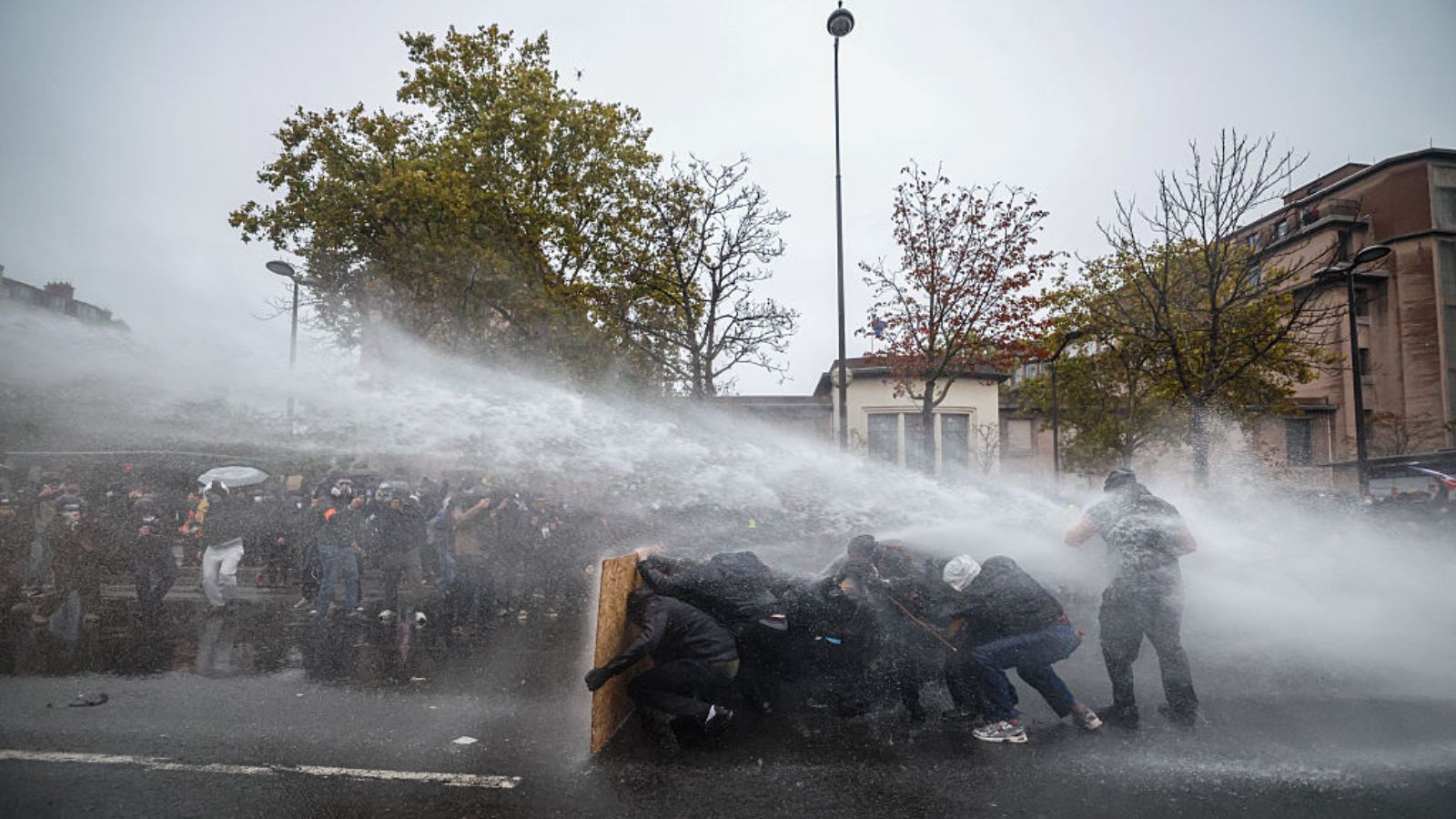
A university student can follow world events instantly, learn a new skill online and speak to people on another continent. Yet the same student may struggle to afford rent, find stable work or feel represented by political institutions. This contrast helps explain why youth-led demonstrations have become an important subject of global discussion. Reuters reported on October 29, 2026, that young people in several countries have protested over a combination of economic insecurity, education, corruption and a sense that their concerns are ignored. The movements do not form one coordinated global campaign. Their demands, political environments and methods vary significantly.
What does Gen Z mean?
Generation Z generally refers to people born from the late 1990s to the early 2010s, although researchers use slightly different boundaries. It is not a single political or economic group. Young people in rural India, urban Belgium and Nepal have very different experiences. The label is useful for discussing shared exposure to smartphones, social media, economic uncertainty and the pandemic, but it cannot explain every protest on its own.
The cost-of-living squeeze
When food, transport, utilities and housing rise faster than wages, young adults have less room to save or establish independent households. Students also face tuition costs and the expense of training for jobs. Reuters cited a 2025 European Union survey in which 40% of respondents aged 16 to 30 identified prices and living costs as a concern. Such survey figures describe respondents and should not be treated as a worldwide measure of Gen Z opinion. Inflation may ease without restoring affordability: slower price increases do not usually mean prices return to earlier levels.
Why economic growth does not always create confidence
A country can report growing gross domestic product while many young jobseekers remain underemployed. Growth may be concentrated in capital-intensive sectors, benefit experienced workers first or occur far from where graduates live. A rising headline GDP figure is therefore not enough to evaluate opportunity. Analysts also look at employment-to-population ratios, real wages, entry-level hiring, labour-force participation and the quality of available jobs. These indicators help explain the gap between national economic statistics and household experience.
Education: expectations versus reality
Education is frequently presented as a route to upward mobility. When schools lack staff or resources, or when degrees do not lead to reasonable employment prospects, disappointment can become a public issue. Reuters described complaints about deteriorating school facilities and staffing in Brussels. Similar questions arise elsewhere: are courses aligned with skills employers need, are internships accessible, and do students have a meaningful voice in institutional decisions? There is no universal solution, but transparent funding, career guidance and measurable learning outcomes are starting points.
Housing and delayed independence
In many cities, the cost of renting or buying a home has risen faster than earnings for early-career workers. That can delay moving out, marriage, starting a family or pursuing opportunities in expensive urban centres. Housing shortages may result from zoning restrictions, infrastructure gaps, construction costs and speculative pressures. Policies that increase housing supply, improve transport connections and protect tenants can matter as much as wage policy. Local conditions determine which measures are most effective.
Social media: an amplifier, not a complete explanation
Digital platforms allow people to share experiences, coordinate meetings and publicise allegations rapidly. They also reward emotionally engaging content, which can intensify disagreement and spread misleading claims. A viral hashtag is not proof that most citizens support a movement. Responsible reporting should distinguish verified events from online rumours, explain who is organising demonstrations and acknowledge disagreement among participants. Offline networks, universities, unions and community organisations still play significant roles.
Different countries, different grievances
Reuters examined youth protests and mobilisation across Europe and beyond, including references to Bangladesh, Nepal and India. The causes range from educational facilities and employment to perceptions of corruption and political accountability. Comparing them can reveal broad patterns, but it is misleading to claim that every demonstration has identical goals or outcomes. A useful question for readers is not simply where protests occurred, but what demands were made, what evidence supports those demands and how authorities responded.
Why trust in institutions matters
People are more likely to accept difficult policies when decisions are transparent and officials explain trade-offs. Conversely, opaque hiring systems, unaddressed complaints and corruption allegations can undermine confidence. Institutions can respond through open data, independent oversight, timely grievance resolution and genuine consultation with young people. Consultation should have clear follow-up; symbolic meetings without measurable changes may deepen frustration rather than reduce it.
What this means for India
India has a large youth population and an important opportunity to turn education and skills into productive employment. The challenge is not only the number of jobs but their quality, location and accessibility. Policies can support apprenticeships, better school-to-work transitions, entrepreneurship, urban mobility and reliable labour-market information. For students preparing for competitive examinations, understanding these structural issues is also valuable for essays, interviews and discussions of inclusive development. No single protest should be treated as representative of all Indian youth.
What governments and employers can do
Responses should address concrete problems rather than assuming that protests are caused solely by social media. Governments can publish credible employment statistics, evaluate training programmes, invest in schools and transport, and communicate budget constraints openly. Employers can create transparent entry-level pathways, offer paid apprenticeships and recognise demonstrable skills. Universities can regularly consult students and publish progress on infrastructure and placement commitments. Independent evaluation is essential: well-intentioned announcements are not the same as outcomes.
What young readers can do
Students can examine primary sources, compare claims across reputable outlets and participate peacefully in civic life. Building practical skills and financial literacy can improve individual options, although personal effort cannot solve structural shortages of jobs or affordable housing. Readers should be cautious about sharing unverified protest videos, especially when dates or locations are unclear. Constructive engagement combines informed criticism with realistic proposals and respect for differing views.
The bigger lesson
Youth-led movements are not evidence that an entire generation thinks alike. They are a reminder that economic indicators, public services and political trust are connected. When people feel the future is becoming less attainable, their concerns can move from private conversations to public squares. The most useful response is neither to romanticise every protest nor to dismiss demonstrators. It is to examine the evidence, listen to specific demands and measure whether proposed reforms improve everyday life.
Frequently asked questions
Are all Gen Z protests connected?
No. Movements in different countries can share concerns while having distinct organisations, causes and political contexts.
Does GDP growth guarantee more jobs for graduates?
No. Employment outcomes depend on the sectors driving growth, hiring practices, skills and labour-market conditions.
Does social media cause these protests?
It can accelerate communication and visibility, but grievances usually have social, economic or political roots.
What should readers check before sharing protest news?
Verify the location, date, original source, context and whether the video or claim has been independently confirmed.
Why is this relevant for competitive exams?
It connects social justice, youth employment, education, economic development, governance and international affairs.
Sources and further reading
Reuters, 29 October 2026: an analysis of the factors driving Gen Z protests. The source discusses cost-of-living pressures, schools, employment and political participation.
 How Stop Worrying Start Living