

Vitorr Classes
Vitorr Classes
Learn • Practice • Improve
Home›Articles›News - Economy
Vitorr topic hub

News - Economy Articles & Notes

Explore Vitorr Classes News - Economy articles, bilingual notes, exam-focused explanations and current updates for SSC, Railway, UPSC and other competitive exams.

35 published articles • Updated as new material is published
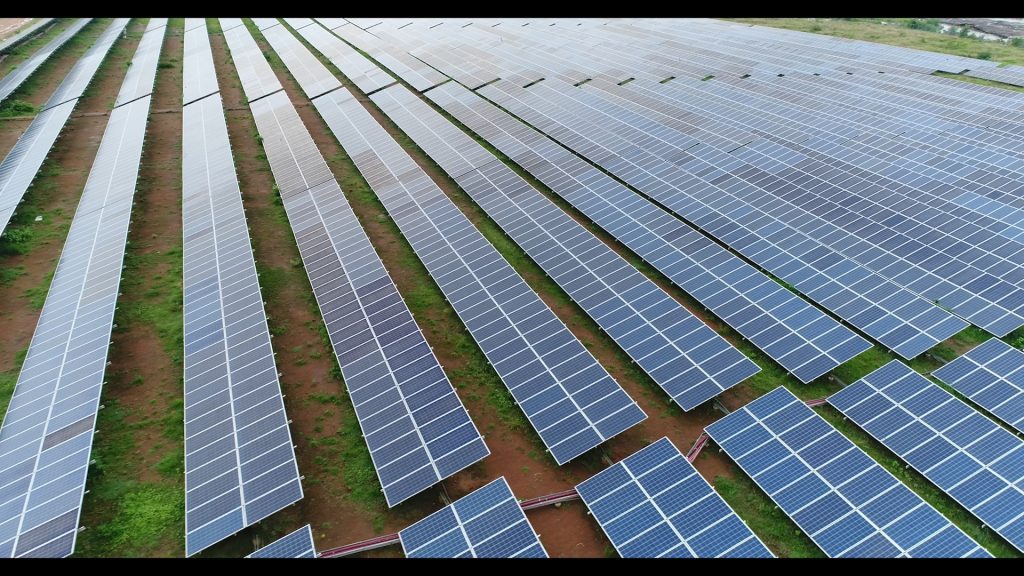
Cabinet Approves ₹1.86 Lakh Crore Green Energy Corridor Phase-III with 135 GW Renewable Evacuation and 50 GWh Battery Storage | मंत्रिमंडल ने ₹1.86 लाख करोड़ की हरित ऊर्जा गलियारा चरण-III योजना को मंजूरी दी, 135 GW नवीकरणीय ऊर्जा निकासी और 50 GWh बैटरी भंडारण का प्रावधान
01 Oct 2026 • News - Economy

Cabinet Approves ₹1.86 Lakh Crore Green Energy Corridor Phase-III with 135 GW Renewable Evacuation and 50 GWh Battery Storage | मंत्रिमंडल ने ₹1.86 लाख करोड़ की हरित ऊर्जा गलियारा चरण-III योजना को मंजूरी दी, 135 GW नवीकरणीय ऊर्जा निकासी और 50 GWh बैटरी भंडारण का प्रावधान

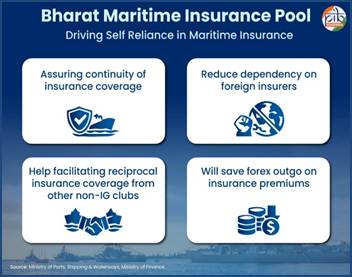
Bharat Maritime Insurance Pool: India's ₹13,906.50 Crore Domestic Marine Insurance Pool Strengthens Maritime Sovereignty | भारत समुद्री बीमा पूल: ₹13,906.50 करोड़ की घरेलू समुद्री बीमा व्यवस्था से भारत की समुद्री आत्मनिर्भरता को मजबूती
29 Sep 2026 • News - Economy

Bharat Maritime Insurance Pool: India's ₹13,906.50 Crore Domestic Marine Insurance Pool Strengthens Maritime Sovereignty | भारत समुद्री बीमा पूल: ₹13,906.50 करोड़ की घरेलू समुद्री बीमा व्यवस्था से भारत की समुद्री आत्मनिर्भरता को मजबूती

India's First Port-Based e-Methanol Plant at Kandla: ₹2,300 Crore Project to Supply Green Fuel to Global Shipping | कांडला में भारत का पहला पोर्ट-आधारित ई-मेथनॉल संयंत्र: वैश्विक जहाजरानी को हरित ईंधन देने के लिए ₹2,300 करोड़ की परियोजना
27 Sep 2026 • News - Economy

India's First Port-Based e-Methanol Plant at Kandla: ₹2,300 Crore Project to Supply Green Fuel to Global Shipping | कांडला में भारत का पहला पोर्ट-आधारित ई-मेथनॉल संयंत्र: वैश्विक जहाजरानी को हरित ईंधन देने के लिए ₹2,300 करोड़ की परियोजना

India’s Textile Exports Rise 16.1% to ₹29,776 Crore in August 2026; Handicrafts Record 41.4% Growth
21 Sep 2026 • News - Economy

India’s Textile Exports Rise 16.1% to ₹29,776 Crore in August 2026; Handicrafts Record 41.4% Growth

Coal India Announces Major Diversification into Coal Gasification, Solar Energy, Battery Storage and Critical Minerals
21 Sep 2026 • News - Economy

Coal India Announces Major Diversification into Coal Gasification, Solar Energy, Battery Storage and Critical Minerals

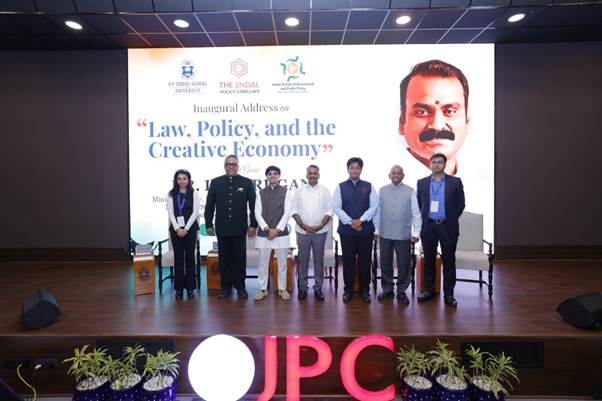
India's Creative Economy Emerges as Major Growth and Jobs Sector as AVGC Industry May Need Nearly 2 Million Skilled Professionals by 2030
18 Sep 2026 • News - Economy

India's Creative Economy Emerges as Major Growth and Jobs Sector as AVGC Industry May Need Nearly 2 Million Skilled Professionals by 2030

Bankers' Books Evidence Act 2026 to Take Effect from October 1 and Modernise Use of Digital Banking Records in Courts
15 Sep 2026 • News - Economy

Bankers' Books Evidence Act 2026 to Take Effect from October 1 and Modernise Use of Digital Banking Records in Courts

NSO Releases India's First-Ever District-Level Estimates for Unincorporated Non-Agricultural Sector
15 Sep 2026 • News - Economy

NSO Releases India's First-Ever District-Level Estimates for Unincorporated Non-Agricultural Sector

Global Fintech Fest 2026 Puts Agentic AI, Tokenisation and Quantum Technology at Centre of Future Finance
15 Sep 2026 • News - Economy

Global Fintech Fest 2026 Puts Agentic AI, Tokenisation and Quantum Technology at Centre of Future Finance

India's First Vande Bharat Freight Train Hits 130 kmph During Ahmedabad-Mumbai Trial
15 Sep 2026 • News - Economy

India's First Vande Bharat Freight Train Hits 130 kmph During Ahmedabad-Mumbai Trial

Dedicated Freight Corridor in Focus as India Expands High-Capacity Rail Logistics Network
15 Sep 2026 • News - Economy

Dedicated Freight Corridor in Focus as India Expands High-Capacity Rail Logistics Network

FROM VITORR QUESTION BANK

News - Economy Question Bank

These collections are built only from matching published Vitorr question sets. Unrelated quizzes are not mixed in.

News - Economy Questions

20 questions found
Q1

Q1. Consider two statements: (1) Blue economy requires balancing ocean-based livelihoods with ecosystem health. (2) Any increase in port cargo automatically qualifies as sustainable blue-economy growth. Which is correct?

प्रश्न 1. दो कथनों पर विचार कीजिए: (1) नीली अर्थव्यवस्था में समुद्र आधारित आजीविका और पारिस्थितिकी स्वास्थ्य का संतुलन आवश्यक है। (2) बंदरगाह माल परिवहन में हर वृद्धि स्वतः सतत नीली अर्थव्यवस्था की वृद्धि है। सही विकल्प?
Answer
1 only / केवल 1Open full set →
Q2

Q2. Match the maritime zone with its standard outer limit from baselines: A. Territorial sea—12 nautical miles; B. Contiguous zone—24 nautical miles; C. EEZ—200 nautical miles. Which matches are correct?

प्रश्न 2. समुद्री क्षेत्रों की आधाररेखा से सामान्य अधिकतम सीमा का मिलान कीजिए: A. प्रादेशिक समुद्र—12 समुद्री मील; B. संलग्न क्षेत्र—24 समुद्री मील; C. विशेष आर्थिक क्षेत्र—200 समुद्री मील। सही मिलान कौन-से हैं?
Answer
A, B and C / A, B और COpen full set →
Q3

Q3. Assertion (A): A coastal state does not exercise full territorial sovereignty over all waters of its EEZ. Reason (R): UNCLOS grants sovereign rights over specified resources while preserving relevant navigation freedoms. Choose the correct relation.

प्रश्न 3. अभिकथन (A): तटीय राज्य अपने संपूर्ण विशेष आर्थिक क्षेत्र के जल पर पूर्ण प्रादेशिक संप्रभुता नहीं रखता। कारण (R): समुद्री विधि अभिसमय संसाधनों पर विशिष्ट प्रभुसत्तात्मक अधिकार देता है तथा संबंधित नौवहन स्वतंत्रताएँ बनाए रखता है।
Answer
Both A and R are true, and R explains A / A और R सत्य हैं तथा R, A की सही व्याख्या करता हैOpen full set →
Q4

Q4. A coastal state has established a continental shelf entitlement beyond 200 nautical miles. Which right most directly concerns that extended shelf?

प्रश्न 4. किसी तटीय राज्य का महाद्वीपीय मग्नतट अधिकार 200 समुद्री मील से आगे स्थापित हुआ है। विस्तारित मग्नतट से कौन-सा अधिकार सबसे सीधे संबंधित है?
Answer
Rights over seabed and subsoil natural resources / समुद्रतल और अधोभूमि के प्राकृतिक संसाधनों पर अधिकारOpen full set →
Q5

Q5. Consider: (1) Bycatch includes non-target species caught during fishing. (2) A seasonal fishing closure is necessarily ineffective because fish migrate. Which statement is correct?

प्रश्न 5. विचार कीजिए: (1) सह-पकड़ में मछली पकड़ने के दौरान अनपेक्षित प्रजातियाँ भी आती हैं। (2) मछलियों के प्रवास के कारण मौसमी मत्स्य प्रतिबंध अनिवार्यतः निष्प्रभावी होते हैं। सही कथन?
Answer
1 only / केवल 1Open full set →
Q6

Q6. Match the intervention to the principal objective: A. Turtle-excluder device—reduce unintended turtle capture; B. Stock assessment—estimate sustainable fishing pressure; C. Marine protected area—conserve habitats and biodiversity. Select the correct set.

प्रश्न 6. उपाय और प्रमुख उद्देश्य का मिलान कीजिए: A. कछुआ निष्कासन युक्ति—अनपेक्षित कछुआ पकड़ कम करना; B. मत्स्य भंडार आकलन—सतत मत्स्य दबाव का अनुमान; C. समुद्री संरक्षित क्षेत्र—आवास एवं जैव विविधता का संरक्षण। सही समूह?
Answer
A, B and C / A, B और COpen full set →
Q7

Q7. Assertion (A): Expanding mariculture without ecological assessment can undermine a blue-economy strategy. Reason (R): Poorly located farms can spread disease, cause nutrient loading and damage coastal habitats.

प्रश्न 7. अभिकथन (A): पारिस्थितिक आकलन के बिना समुद्री जलीय कृषि का विस्तार नीली अर्थव्यवस्था को नुकसान पहुँचा सकता है। कारण (R): अनुचित स्थानों पर बने फार्म रोग, पोषक प्रदूषण और तटीय आवास क्षति बढ़ा सकते हैं।
Answer
Both A and R are true, and R explains A / A और R सत्य हैं तथा R, A की सही व्याख्या करता हैOpen full set →
Q8

Q8. Which inference about seaweed cultivation is most defensible?

प्रश्न 8. समुद्री शैवाल की खेती के संबंध में कौन-सा निष्कर्ष सबसे अधिक उचित है?
Answer
Climate benefit depends partly on cultivation methods and harvested biomass fate / जलवायु लाभ खेती की पद्धति और काटे गए जैवभार के अंतिम उपयोग पर भी निर्भर हैOpen full set →
Q9

Q9. Consider: (1) Sagarmala concerns port modernisation, connectivity and coastal development. (2) Sagarmala exempts every port project from environmental appraisal. Which is correct?

प्रश्न 9. विचार कीजिए: (1) सागरमाला में बंदरगाह आधुनिकीकरण, संपर्क और तटीय विकास शामिल हैं। (2) सागरमाला की सभी परियोजनाओं को पर्यावरणीय आकलन से छूट मिलती है। सही विकल्प?
Answer
1 only / केवल 1Open full set →
Q10

Q10. A port authority wants to judge a new terminal only by cargo throughput. Which additional indicators would most improve sustainability assessment?

प्रश्न 10. बंदरगाह प्राधिकरण नए टर्मिनल का मूल्यांकन केवल माल परिवहन मात्रा से करना चाहता है। सतत विकास के आकलन में कौन-से अतिरिक्त संकेतक सबसे उपयोगी होंगे?
Answer
Dredging impacts, fisher access, emissions and hinterland connectivity / तलछट निकासी के प्रभाव, मछुआरों की पहुँच, उत्सर्जन और भीतरी क्षेत्रों से संपर्कOpen full set →
Q11

Q11. Assertion (A): Cleaner fuels alone cannot guarantee low-impact shipping. Reason (R): Port operations, fuel life-cycle emissions, operational efficiency and ecosystem effects also shape the total footprint.

प्रश्न 11. अभिकथन (A): केवल स्वच्छ ईंधन अपनाने से कम प्रभाव वाला समुद्री परिवहन सुनिश्चित नहीं होता। कारण (R): बंदरगाह संचालन, ईंधन के जीवन-चक्र उत्सर्जन, संचालन दक्षता और पारिस्थितिक प्रभाव भी कुल प्रभाव तय करते हैं।
Answer
Both A and R are true, and R explains A / A और R सत्य हैं तथा R, A की सही व्याख्या करता हैOpen full set →
Q12

Q12. Which ecosystem is correctly paired with a major service? A. Mangroves—coastal buffering and nursery habitat; B. Seagrasses—sediment stabilisation and carbon storage; C. Coral reefs—biodiversity habitat and wave attenuation.

प्रश्न 12. किस पारिस्थितिकी तंत्र का प्रमुख सेवा से सही मिलान है? A. मैंग्रोव—तटीय सुरक्षा और शिशु-मत्स्य आवास; B. समुद्री घास—अवसाद स्थिरीकरण और कार्बन भंडारण; C. प्रवाल भित्तियाँ—जैव विविधता आवास और तरंग ऊर्जा में कमी।
Answer
A, B and C / A, B और COpen full set →
Q13

Q13. Which statement best distinguishes blue carbon from the broader ocean carbon cycle?

प्रश्न 13. नीले कार्बन और व्यापक महासागरीय कार्बन चक्र में सबसे उचित अंतर क्या है?
Answer
Blue carbon commonly refers to carbon captured and stored by coastal vegetated ecosystems / नीला कार्बन सामान्यतः तटीय वनस्पतियुक्त पारिस्थितिकी तंत्रों द्वारा अवशोषित और संग्रहित कार्बन हैOpen full set →
Q14

Q14. A coastal district faces repeated cyclone damage. Which policy package most closely follows ecosystem-based adaptation?

प्रश्न 14. एक तटीय जिले में बार-बार चक्रवात से क्षति होती है। कौन-सा नीति समूह पारिस्थितिकी-आधारित अनुकूलन के सबसे निकट है?
Answer
Restore mangroves, protect dunes, improve warnings and plan safe evacuation / मैंग्रोव पुनर्स्थापन, बालू टीलों की रक्षा, चेतावनी और सुरक्षित निकासी योजनाOpen full set →
Q15

Q15. Consider: (1) Coral bleaching can occur when heat stress disrupts the coral–symbiotic algae relationship. (2) Every bleached coral is necessarily dead at the instant bleaching appears. Choose correctly.

प्रश्न 15. विचार कीजिए: (1) तापीय तनाव प्रवाल और उसके सहजीवी शैवाल के संबंध को बाधित कर विरंजन उत्पन्न कर सकता है। (2) विरंजन दिखाई देते ही प्रत्येक प्रवाल अनिवार्यतः मृत हो जाता है। सही विकल्प?
Answer
1 only / केवल 1Open full set →
Q16

Q16. Match pollution to likely impact: A. Nutrient runoff—eutrophication; B. Microplastics—ingestion by marine organisms; C. Oil spill—coating and toxicity of coastal wildlife. Select correctly.

प्रश्न 16. प्रदूषण और संभावित प्रभाव का मिलान कीजिए: A. पोषक अपवाह—अतिपोषण; B. सूक्ष्म प्लास्टिक—समुद्री जीवों द्वारा निगलना; C. तेल रिसाव—तटीय जीवों पर परत तथा विषाक्तता। सही विकल्प?
Answer
A, B and C / A, B और COpen full set →
Q17

Q17. Assertion (A): Marine protected areas should be designed with attention to local fishing livelihoods. Reason (R): Zoning, customary use and fair compensation can influence compliance and conservation outcomes.

प्रश्न 17. अभिकथन (A): समुद्री संरक्षित क्षेत्रों का निर्धारण स्थानीय मछुआरों की आजीविका को ध्यान में रखकर होना चाहिए। कारण (R): क्षेत्र निर्धारण, परंपरागत उपयोग और उचित क्षतिपूर्ति अनुपालन तथा संरक्षण परिणामों को प्रभावित करते हैं।
Answer
Both A and R are true, and R explains A / A और R सत्य हैं तथा R, A की सही व्याख्या करता हैOpen full set →
Q18

Q18. Which description of the Deep Ocean Mission is most accurate?

प्रश्न 18. गहरे महासागर मिशन का सबसे सही वर्णन कौन-सा है?
Answer
A mission addressing deep-sea exploration, technology and ocean science / गहरे समुद्र के अन्वेषण, प्रौद्योगिकी और महासागर विज्ञान से जुड़ा मिशनOpen full set →
Q19

Q19. Regarding the International Seabed Authority (ISA), consider: (1) It operates within the UNCLOS framework for mineral-related activities in the Area beyond national jurisdiction. (2) It governs every fishery within a coastal state’s territorial sea. Choose correctly.

प्रश्न 19. अंतरराष्ट्रीय समुद्रतल प्राधिकरण के बारे में: (1) यह राष्ट्रीय अधिकारक्षेत्र से परे ‘क्षेत्र’ में खनिज संबंधी गतिविधियों हेतु समुद्री विधि अभिसमय के अंतर्गत कार्य करता है। (2) यह तटीय राज्य के प्रादेशिक समुद्र की प्रत्येक मत्स्य गतिविधि नियंत्रित करता है। सही विकल्प?
Answer
1 only / केवल 1Open full set →
Q20

Q20. An administrator evaluates deep-sea mineral extraction. Which approach is most defensible under precautionary governance?

प्रश्न 20. एक प्रशासक गहरे समुद्र के खनिज दोहन का मूल्यांकन कर रहा है। सावधानी सिद्धांत के अनुरूप कौन-सा दृष्टिकोण सर्वाधिक उचित है?
Answer
Require baseline science, impact assessment, monitoring and applicable legal safeguards / आधारभूत वैज्ञानिक अध्ययन, प्रभाव आकलन, निगरानी और कानूनी सुरक्षा आवश्यक करनाOpen full set →
QUICK PRACTICE

Quick Practice for News - Economy

Try these questions before opening the full quiz.

Explore all quizzes →
Q1
Q1. Consider two statements: (1) Blue economy requires balancing ocean-based livelihoods with ecosystem health. (2) Any increase in port cargo automatically qualifies as sustainable blue-economy growth. Which is correct?
प्रश्न 1. दो कथनों पर विचार कीजिए: (1) नीली अर्थव्यवस्था में समुद्र आधारित आजीविका और पारिस्थितिकी स्वास्थ्य का संतुलन आवश्यक है। (2) बंदरगाह माल परिवहन में हर वृद्धि स्वतः सतत नीली अर्थव्यवस्था की वृद्धि है। सही विकल्प?
  1. 1 onlyकेवल 1
  2. 2 onlyकेवल 2
  3. Both 1 and 21 और 2 दोनों
  4. Neither 1 nor 2न 1 न 2
Check answer
Answer: 1 only / केवल 1
Statement 1 captures the sustainability and equity dimension; statement 2 confuses the scale of economic activity with its quality. Port growth can increase pollution, erosion and livelihood displacement. Evaluate ecological carrying capacity, distribution of benefits and resilience alongside output.
Attempt full quiz →
Q2
Q2. Match the maritime zone with its standard outer limit from baselines: A. Territorial sea—12 nautical miles; B. Contiguous zone—24 nautical miles; C. EEZ—200 nautical miles. Which matches are correct?
प्रश्न 2. समुद्री क्षेत्रों की आधाररेखा से सामान्य अधिकतम सीमा का मिलान कीजिए: A. प्रादेशिक समुद्र—12 समुद्री मील; B. संलग्न क्षेत्र—24 समुद्री मील; C. विशेष आर्थिक क्षेत्र—200 समुद्री मील। सही मिलान कौन-से हैं?
  1. A and B onlyकेवल A और B
  2. B and C onlyकेवल B और C
  3. A, B and CA, B और C
  4. A and C onlyकेवल A और C
Check answer
Answer: A, B and C / A, B और C
All three are standard UNCLOS maxima measured from baselines. These limits do not imply identical coastal-state powers: territorial sovereignty, limited enforcement jurisdiction and EEZ resource-related sovereign rights are legally distinct.
Attempt full quiz →
Q3
Q3. Assertion (A): A coastal state does not exercise full territorial sovereignty over all waters of its EEZ. Reason (R): UNCLOS grants sovereign rights over specified resources while preserving relevant navigation freedoms. Choose the correct relation.
प्रश्न 3. अभिकथन (A): तटीय राज्य अपने संपूर्ण विशेष आर्थिक क्षेत्र के जल पर पूर्ण प्रादेशिक संप्रभुता नहीं रखता। कारण (R): समुद्री विधि अभिसमय संसाधनों पर विशिष्ट प्रभुसत्तात्मक अधिकार देता है तथा संबंधित नौवहन स्वतंत्रताएँ बनाए रखता है।
  1. Both A and R are true, but R does not explain AA और R सत्य हैं, पर R सही व्याख्या नहीं करता
  2. Both A and R are true, and R explains AA और R सत्य हैं तथा R, A की सही व्याख्या करता है
  3. A is true, R is falseA सत्य, R असत्य
  4. A is false, R is trueA असत्य, R सत्य
Check answer
Answer: Both A and R are true, and R explains A / A और R सत्य हैं तथा R, A की सही व्याख्या करता है
The EEZ is not an extension of the territorial sea. Coastal states enjoy rights to explore, exploit, conserve and manage resources, subject to the legal framework, while other states retain navigation and overflight freedoms. R correctly explains A.
Attempt full quiz →