What Happened
The Union Cabinet approved Green Energy Corridor Phase-III, or GEC-III, on 30 September 2026, marking a major expansion of India's electricity transmission and energy-storage infrastructure. The scheme has a total project outlay of ₹1,86,405 crore and is targeted for completion by financial year 2032-33. It is designed to strengthen Intra-State Transmission Systems so that up to 135 GW of renewable electricity can be evacuated and integrated within States and Union Territories. In addition, the scheme provides for deployment of 50 GWh of Battery Energy Storage Systems to improve grid flexibility and manage the variable nature of renewable power.
1. What Has the Union Cabinet Approved?
The Union Cabinet approved Green Energy Corridor Phase-III for development and strengthening of Intra-State Transmission Systems along with large-scale Battery Energy Storage Systems.
The decision was announced on 30 September 2026.
The scheme represents the next phase of India's Green Energy Corridor programme, which supports the transmission infrastructure required to move renewable electricity from generating locations to the wider electricity network.
2. What Is the Total Outlay of GEC-III?
The total project outlay approved for Green Energy Corridor Phase-III is ₹1,86,405 crore.
This amount has two major components. ₹1,36,378 crore is earmarked for development of Intra-State Transmission Systems under GEC-III, while ₹50,000 crore is allocated for deployment of 50 GWh of Battery Energy Storage Systems.
Students should remember that ₹1,86,405 crore is the total project outlay and should not be confused with the Central Financial Support component.
3. How Much Renewable Energy Can the Scheme Support?
GEC-III is intended to enable evacuation of up to 135 GW of renewable energy across participating States and Union Territories.
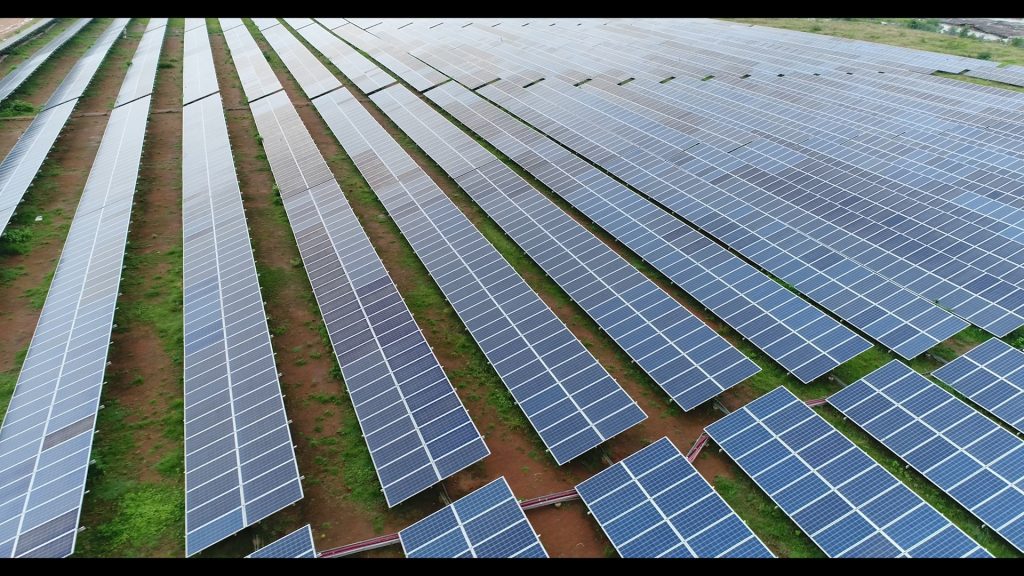
Electricity generated at a solar park, wind farm or another renewable-energy installation cannot benefit consumers unless adequate transmission infrastructure exists to carry that electricity to the grid and demand centres.
The 135 GW figure therefore represents renewable-energy evacuation capability targeted through the transmission infrastructure supported under the scheme.
4. What Is Renewable Energy Evacuation?
In the power sector, evacuation refers to transporting electricity from a generating station to the transmission network so that it can ultimately reach distribution systems and consumers.
Large solar and wind projects are often situated far from major consumption centres. New substations, high-voltage transmission lines and associated infrastructure may therefore be required.
Green Energy Corridors are designed to strengthen this connection between renewable-energy generation and the electricity grid.
5. What Is an Intra-State Transmission System?
An Intra-State Transmission System, abbreviated as InSTS, is the transmission network primarily used for movement of electricity within a State.
This differs from the Inter-State Transmission System, or ISTS, which facilitates electricity transmission across State boundaries.
GEC-III specifically focuses on strengthening Intra-State Transmission Systems so that rapidly expanding renewable-energy generation can be integrated within States and Union Territories.
6. How Much Will Be Spent on Intra-State Transmission?
Of the total ₹1,86,405 crore project outlay, ₹1,36,378 crore is allocated for development of Intra-State Transmission Systems under GEC-III.
This is the largest component of the scheme.
The investment is intended to strengthen transmission infrastructure required for integrating and evacuating renewable electricity.
7. What Is the Battery Energy Storage Component?
GEC-III provides ₹50,000 crore for deployment of 50 GWh of Battery Energy Storage Systems, commonly abbreviated as BESS.
Battery storage can absorb electricity when generation is abundant and release it when the electricity system requires additional supply.
The approved framework allows BESS to be installed at the renewable-energy developer or generator end or at another strategically important location where storage can improve grid flexibility.
8. What Does 50 GWh Mean?
GWh stands for gigawatt-hour and measures an amount of electrical energy.
A battery-storage capacity of 50 GWh means the storage systems collectively are planned to have the ability to store 50 gigawatt-hours of energy under their rated specifications.
GW and GWh should not be confused. GW measures power capacity, while GWh measures an amount of energy over time.
9. Why Is Battery Storage Needed with Renewable Energy?
Solar and wind generation are variable because their output depends on natural conditions such as sunlight and wind availability.
Solar generation, for example, falls after sunset even though electricity demand continues into the evening and night.
Battery storage can save electricity during periods of high renewable generation and discharge electricity during periods of lower generation or higher demand, thereby improving the ability of the grid to use renewable power.
10. What Is Renewable-Energy Intermittency?
Intermittency refers to the fact that electricity generation from certain renewable sources is not continuously available at the same level.
Cloud cover can change solar output and variations in wind speed can affect wind-power generation.
A modern grid therefore needs forecasting, flexible generation, transmission capacity, demand management and storage to handle such fluctuations.
11. How Will BESS Address Non-Solar-Hour Demand?
Non-solar hours are periods when solar generation is unavailable or substantially reduced, especially after sunset.
Battery systems can store surplus electricity generated during high-solar-output periods and supply some of that stored electricity later.
The Cabinet release specifically identifies meeting non-solar-hour demand as one of the purposes of the BESS component of GEC-III.
12. How Can Battery Storage Reduce Peak-Hour Curtailment?
Curtailment occurs when an available generating source is instructed or forced to reduce output because the grid cannot absorb or transport all the electricity being produced.
Storage can absorb part of the excess electricity and make it available later.
The GEC-III framework therefore combines transmission expansion with storage rather than treating the two challenges separately.
13. How Can the Scheme Address Grid Congestion?
Grid congestion occurs when electricity flows approach or exceed the capacity of particular transmission elements.
Strengthening transmission networks can increase the amount of electricity that can move through the system, while strategically located storage can absorb energy during congested periods and release it at more suitable times.
The government specifically identified congestion management as one of the objectives of the 50 GWh BESS component.
14. What Is the Central Financial Support Under GEC-III?
The scheme includes total Central Financial Support of ₹54,082 crore.
This is different from the total project outlay of ₹1,86,405 crore.
The Central Financial Assistance is intended to offset Intra-State transmission charges and thereby help keep electricity costs lower for end users.
15. Why Is Central Financial Assistance Important?
Building large transmission networks requires substantial capital investment. If the entire cost were recovered through transmission charges, it could place additional financial pressure on electricity tariffs.
Central Financial Assistance can reduce part of this burden by supporting eligible infrastructure expenditure.
The government states that this assistance is intended ultimately to benefit electricity consumers by helping offset Intra-State transmission charges.
16. What Is the Target Completion Year?
Green Energy Corridor Phase-III is targeted to be set up by financial year 2032-33.
This is a future implementation target and should not be described as a completed transmission system in 2026.
As of the Cabinet decision of 30 September 2026, the scheme had been approved for implementation toward the stated FY 2032-33 target.
17. How Will Greenfield Projects Be Implemented?
All greenfield projects under the Intra-State Transmission System component will be implemented through Tariff Based Competitive Bidding, abbreviated as TBCB.
Greenfield projects generally involve creation of new infrastructure rather than modification of an existing installation.
Competitive bidding is intended to select transmission service providers under the prescribed framework.
18. How Will Brownfield Projects Be Implemented?
Brownfield upgradation and network-strengthening works will be executed on a Cost Plus Basis, abbreviated as CPB.
Brownfield projects generally involve upgrading, expanding or strengthening existing infrastructure.
Thus, GEC-III uses different implementation mechanisms for new infrastructure and for improvements to existing transmission assets.
19. Who Will Be the Overall Implementing Agencies?
State Transmission Utilities will serve as the overall implementing agencies for the scheme.
STUs are important components of the electricity sector because they are responsible for transmission functions within States under the applicable legal and regulatory framework.
Their involvement reflects the Intra-State character of the transmission infrastructure being developed under GEC-III.
20. What Role Will Transmission Service Providers Play?
Transmission Service Providers will participate in Tariff Based Competitive Bidding for the relevant greenfield transmission projects.
The successful providers will operate under a Build-Own-Operate-Maintain model.
This arrangement is commonly abbreviated as BOOM.
21. What Does BOOM Mean?
BOOM stands for Build-Own-Operate-Maintain.
Under this model, the selected transmission service provider is responsible for building the infrastructure, owning it, operating it and maintaining it according to the contractual and regulatory framework.
For examinations, remember the connection: GEC-III greenfield InSTS projects — TBCB — Transmission Service Providers — BOOM model.
22. How Does GEC-III Differ from Earlier Green Energy Corridor Phases?
Earlier phases of the Green Energy Corridor programme focused on building transmission infrastructure to evacuate renewable energy in selected States and projects.
GEC-I and GEC-II together have been associated with development of Intra-State transmission infrastructure in ten States for evacuation of around 44 GW of renewable energy.
GEC-III represents a major expansion, with planned evacuation capability of up to 135 GW and an explicit 50 GWh Battery Energy Storage component.
23. Which States Have Participated in Earlier GEC Phases?
Government information on GEC-I and GEC-II identifies ten States: Rajasthan, Karnataka, Andhra Pradesh, Himachal Pradesh, Madhya Pradesh, Kerala, Gujarat, Uttar Pradesh, Maharashtra and Tamil Nadu.
The earlier phases were designed for approximately 44 GW of renewable-energy evacuation capacity.
These earlier programme figures provide useful background but should not be confused with the newly approved 135 GW target of GEC-III.
24. What Is India's Broader Transmission Expansion Plan?
India is expanding its transmission network to accommodate growing electricity demand and a rapidly increasing share of renewable generation.
The National Electricity Plan envisages expansion of the transmission network at 220 kV and above to approximately 6.48 lakh circuit kilometres by 2032, with transformation capacity reaching about 2,345 GVA.
Transmission planning is therefore a critical part of India's broader energy transition rather than simply an addition to renewable generation projects.
25. What Is a Circuit Kilometre?
Circuit kilometre, written as ckm, is a measurement used for electricity transmission lines.
It accounts for the length of electrical circuits rather than simply measuring the geographical distance between two points.
The unit frequently appears in questions concerning India's electricity-transmission infrastructure and Green Energy Corridor projects.
26. What Is GVA in the Power Sector?
GVA in this context means Giga Volt Ampere, a unit used to express transformation capacity in the electricity transmission system.
It should not be confused with Gross Value Added, which is also abbreviated as GVA in economics.
The meaning must therefore be determined from context. In transmission-system discussions, GVA refers to Giga Volt Ampere.
27. What Non-Fossil Capacity Target Is Linked to GEC-III?
The Cabinet release states that GEC-III will help India pursue the target of 900 GW of installed non-fossil capacity by 2035.
This is a future target, not India's installed capacity as of September 2026.
The distinction is important because competitive-examination questions may deliberately confuse current installed capacity with future policy targets.
28. Why Is Transmission as Important as Generation?
Building a solar or wind project creates generating capacity, but electricity still needs to be delivered to consumers.
If transmission infrastructure does not expand at a comparable pace, renewable power can face evacuation constraints, congestion or curtailment.
For this reason, generation, transmission, storage and grid management must develop together as part of a functioning electricity system.
29. How Can GEC-III Contribute to Energy Security?
A larger and more flexible electricity network can make it easier to use domestic renewable-energy resources.
Transmission infrastructure enables renewable electricity generated in resource-rich regions to reach demand centres, while battery storage provides additional flexibility during periods when generation and demand do not coincide.
The government expects the scheme to contribute to India's long-term energy security, although actual outcomes will depend on implementation, renewable-capacity additions and power-system conditions.
30. How Could GEC-III Affect India's Carbon Footprint?
The scheme itself does not generate renewable electricity. Instead, it creates transmission and storage infrastructure that can support integration of larger amounts of non-fossil electricity.
If the infrastructure enables renewable generation to replace electricity that would otherwise have been supplied from more carbon-intensive sources, it can contribute to lowering power-sector emissions.
The Cabinet release therefore links GEC-III with ecologically sustainable growth and reduction of India's carbon footprint.
31. What Employment Effects Are Expected?
The government expects the scheme to create direct and indirect employment in the power sector, manufacturing and construction industries.
Deployment and manufacturing of Battery Energy Storage Systems are also expected to create opportunities in the domestic energy-storage industry.
Long-term skilled employment is expected in operation, maintenance and grid management across participating States.
These are projected benefits associated with implementation and should not be presented as jobs already created at the time of approval.
32. Why Is Domestic Battery Manufacturing Relevant?
A 50 GWh storage programme can create substantial demand for battery systems and associated equipment.
This may support manufacturing, engineering, installation, software, power electronics, safety systems, maintenance and other segments of the energy-storage value chain.
The Cabinet release specifically states that BESS manufacturing and deployment will additionally generate employment in India's domestic energy-storage industry.
33. Why Is GEC-III Important for UPSC?
The scheme connects renewable energy, electricity transmission, battery storage, energy security, infrastructure, climate policy and sustainable development.
For UPSC GS Paper III, it can be examined under infrastructure and energy as well as environment-related discussions concerning India's transition toward non-fossil electricity.
Questions may also examine why renewable-energy expansion requires simultaneous investment in transmission and storage.
34. Why Is It Important for SSC, Railway and State Exams?
Objective examinations may ask direct numerical and institutional facts.
Important figures include ₹1,86,405 crore total outlay, ₹1,36,378 crore for Intra-State Transmission Systems, ₹50,000 crore for 50 GWh BESS, ₹54,082 crore Central Financial Support, up to 135 GW renewable-energy evacuation and the FY 2032-33 implementation target.
Questions may also ask the full forms of GEC, InSTS, BESS, TBCB and BOOM.
35. What Should Students Remember?
The Union Cabinet approved Green Energy Corridor Phase-III on 30 September 2026. The scheme has a total project outlay of ₹1,86,405 crore and is targeted for implementation by FY 2032-33. It is designed to strengthen Intra-State Transmission Systems to enable evacuation of up to 135 GW of renewable energy across States and Union Territories.
Of the total outlay, ₹1,36,378 crore is for Intra-State Transmission Systems and ₹50,000 crore is for deployment of 50 GWh of Battery Energy Storage Systems. Total Central Financial Support is ₹54,082 crore. Battery storage is intended to address renewable intermittency, grid congestion, peak-hour curtailment and non-solar-hour electricity demand.
All greenfield InSTS projects will be implemented through Tariff Based Competitive Bidding, while brownfield upgradation and network-strengthening works will follow the Cost Plus Basis. State Transmission Utilities will be the overall implementing agencies. Transmission Service Providers participating through competitive bidding will use the Build-Own-Operate-Maintain model.
For quick revision remember: GEC-III — approved 30 September 2026 — ₹1,86,405 crore — 135 GW renewable evacuation — 50 GWh BESS — ₹50,000 crore battery component — ₹1,36,378 crore InSTS component — ₹54,082 crore Central Financial Support — FY 2032-33 — TBCB for greenfield — CPB for brownfield — STUs implementing agencies — BOOM model — supports 900 GW non-fossil capacity target by 2035.
क्या हुआ?
केंद्रीय मंत्रिमंडल ने 30 सितंबर 2026 को हरित ऊर्जा गलियारा चरण-III अर्थात GEC-III को मंजूरी दी। यह भारत की विद्युत पारेषण और ऊर्जा भंडारण अवसंरचना के बड़े विस्तार की दिशा में महत्वपूर्ण निर्णय है। योजना का कुल परिव्यय ₹1,86,405 करोड़ है और इसे वित्त वर्ष 2032-33 तक स्थापित करने का लक्ष्य रखा गया है। इसका उद्देश्य राज्यों और केंद्रशासित प्रदेशों में राज्य-अंतर्गत पारेषण प्रणाली को मजबूत करके 135 GW तक नवीकरणीय ऊर्जा की निकासी और ग्रिड में समावेशन को संभव बनाना है। इसके साथ 50 GWh क्षमता की बैटरी ऊर्जा भंडारण प्रणालियाँ स्थापित करने का भी प्रावधान है, जिससे बिजली ग्रिड की लचीलापन क्षमता बढ़ाई जा सके और सौर तथा पवन ऊर्जा की परिवर्तनशील प्रकृति से उत्पन्न चुनौतियों का समाधान किया जा सके।
1. केंद्रीय मंत्रिमंडल ने क्या मंजूर किया है?
केंद्रीय मंत्रिमंडल ने राज्य-अंतर्गत पारेषण प्रणाली के विकास और सुदृढ़ीकरण के साथ बड़े पैमाने पर बैटरी ऊर्जा भंडारण प्रणाली स्थापित करने के लिए हरित ऊर्जा गलियारा चरण-III को मंजूरी दी।
इस निर्णय की घोषणा 30 सितंबर 2026 को की गई।
यह भारत के हरित ऊर्जा गलियारा कार्यक्रम का अगला चरण है, जिसका उद्देश्य नवीकरणीय ऊर्जा उत्पादन क्षेत्रों से बिजली को व्यापक विद्युत ग्रिड तक पहुँचाने के लिए आवश्यक पारेषण अवसंरचना विकसित करना है।
2. GEC-III का कुल परिव्यय कितना है?
हरित ऊर्जा गलियारा चरण-III का कुल परियोजना परिव्यय ₹1,86,405 करोड़ है।
इस राशि के दो प्रमुख हिस्से हैं। ₹1,36,378 करोड़ राज्य-अंतर्गत पारेषण प्रणालियों के विकास के लिए निर्धारित हैं, जबकि ₹50,000 करोड़ 50 GWh बैटरी ऊर्जा भंडारण प्रणालियों की स्थापना के लिए रखे गए हैं।
₹1,86,405 करोड़ कुल परियोजना परिव्यय है। इसे केंद्रीय वित्तीय सहायता की राशि के साथ नहीं मिलाना चाहिए।
3. योजना कितनी नवीकरणीय ऊर्जा की निकासी में सहायता करेगी?
GEC-III को राज्यों और केंद्रशासित प्रदेशों में 135 GW तक नवीकरणीय ऊर्जा की निकासी संभव बनाने के लिए तैयार किया गया है।
सौर पार्क, पवन ऊर्जा परियोजना या किसी अन्य नवीकरणीय ऊर्जा संयंत्र में उत्पन्न बिजली तभी उपभोक्ताओं तक पहुँच सकती है जब उसे ग्रिड तक पहुँचाने के लिए पर्याप्त पारेषण व्यवस्था उपलब्ध हो।
इसलिए 135 GW का आँकड़ा योजना के माध्यम से समर्थित की जाने वाली नवीकरणीय ऊर्जा निकासी क्षमता से संबंधित है।
4. नवीकरणीय ऊर्जा निकासी क्या है?
विद्युत क्षेत्र में ऊर्जा निकासी का अर्थ उत्पादन केंद्र से बिजली को पारेषण नेटवर्क तक पहुँचाना है ताकि बाद में वह वितरण व्यवस्था के माध्यम से उपभोक्ताओं तक पहुँच सके।
बड़े सौर और पवन ऊर्जा संयंत्र प्रायः बड़े उपभोग केंद्रों से दूर स्थित होते हैं। इसलिए नई उच्च वोल्टेज पारेषण लाइनें, उपकेंद्र और अन्य संबंधित अवसंरचना आवश्यक हो सकती है।
हरित ऊर्जा गलियारे नवीकरणीय ऊर्जा उत्पादन और विद्युत ग्रिड के बीच इसी संपर्क को मजबूत करते हैं।
5. राज्य-अंतर्गत पारेषण प्रणाली क्या है?
Intra-State Transmission System अर्थात InSTS मुख्य रूप से किसी राज्य की सीमाओं के भीतर बिजली के पारेषण के लिए उपयोग होने वाला नेटवर्क है।
यह Inter-State Transmission System से अलग है, जो विभिन्न राज्यों के बीच बिजली के पारेषण को संभव बनाता है।
GEC-III विशेष रूप से राज्य-अंतर्गत पारेषण प्रणालियों को मजबूत करने पर केंद्रित है।
6. राज्य-अंतर्गत पारेषण पर कितनी राशि खर्च होगी?
₹1,86,405 करोड़ के कुल परिव्यय में से ₹1,36,378 करोड़ GEC-III के अंतर्गत राज्य-अंतर्गत पारेषण प्रणालियों के विकास के लिए निर्धारित किए गए हैं।
यह योजना का सबसे बड़ा वित्तीय घटक है।
इस निवेश का उद्देश्य नवीकरणीय बिजली को ग्रिड में जोड़ने और उसकी निकासी के लिए आवश्यक पारेषण अवसंरचना को मजबूत करना है।
7. बैटरी ऊर्जा भंडारण घटक क्या है?
GEC-III में 50 GWh बैटरी ऊर्जा भंडारण प्रणालियों की स्थापना के लिए ₹50,000 करोड़ का प्रावधान है।
बैटरी प्रणाली उस समय बिजली को संग्रहित कर सकती है जब उत्पादन अधिक हो और आवश्यकता पड़ने पर बाद में उसे वापस विद्युत प्रणाली में दे सकती है।
इन्हें नवीकरणीय ऊर्जा उत्पादक के परिसर या ग्रिड के लिए महत्वपूर्ण किसी अन्य स्थान पर स्थापित किया जा सकता है।
8. 50 GWh का क्या अर्थ है?
GWh का पूर्ण रूप Gigawatt-hour है और यह विद्युत ऊर्जा की मात्रा का माप है।
50 GWh बैटरी भंडारण क्षमता का अर्थ है कि निर्धारित क्षमता के अनुसार इन प्रणालियों में सामूहिक रूप से 50 गीगावाट-घंटा ऊर्जा संग्रहित करने की योजना है।
GW और GWh को एक समान नहीं समझना चाहिए। GW शक्ति क्षमता को दर्शाता है, जबकि GWh समय के संदर्भ में ऊर्जा की मात्रा को दर्शाता है।
9. नवीकरणीय ऊर्जा के साथ बैटरी भंडारण की आवश्यकता क्यों है?
सौर और पवन ऊर्जा का उत्पादन प्राकृतिक परिस्थितियों पर निर्भर करता है। सूर्यास्त के बाद सौर ऊर्जा उत्पादन समाप्त या बहुत कम हो जाता है, जबकि बिजली की मांग जारी रहती है।
बैटरियाँ अधिक उत्पादन वाले समय में बिजली संग्रहित कर सकती हैं और कम उत्पादन या अधिक मांग के समय उसे उपलब्ध करा सकती हैं।
इससे विद्युत ग्रिड अधिक मात्रा में नवीकरणीय ऊर्जा का उपयोग कर सकता है।
10. नवीकरणीय ऊर्जा की अनिरंतरता क्या है?
अनिरंतरता का अर्थ है कि कुछ नवीकरणीय स्रोतों से बिजली उत्पादन हर समय समान स्तर पर उपलब्ध नहीं रहता।
बादलों के कारण सौर उत्पादन बदल सकता है और हवा की गति में परिवर्तन से पवन ऊर्जा उत्पादन प्रभावित हो सकता है।
इस चुनौती से निपटने के लिए पूर्वानुमान, लचीला बिजली उत्पादन, पर्याप्त पारेषण क्षमता, मांग प्रबंधन और ऊर्जा भंडारण की आवश्यकता होती है।
11. बैटरी प्रणाली गैर-सौर घंटों की मांग कैसे पूरी करेगी?
गैर-सौर घंटे वे समय होते हैं जब सौर बिजली उत्पादन उपलब्ध नहीं होता या बहुत कम होता है, विशेषकर सूर्यास्त के बाद।
बैटरी प्रणाली दिन में अधिक सौर उत्पादन के समय अतिरिक्त बिजली संग्रहित कर सकती है और बाद में आवश्यकता के समय उसे उपलब्ध करा सकती है।
मंत्रिमंडल की आधिकारिक जानकारी में गैर-सौर घंटों की मांग को पूरा करना BESS घटक के उद्देश्यों में शामिल है।
12. बैटरी भंडारण बिजली उत्पादन में कटौती कैसे कम कर सकता है?
जब ग्रिड उपलब्ध पूरी बिजली को स्वीकार या परिवहन नहीं कर पाता तो उत्पादन को कम करना पड़ सकता है। इसे curtailment कहा जाता है।
बैटरी अतिरिक्त बिजली का एक हिस्सा संग्रहित कर सकती है और उसे बाद में उपलब्ध करा सकती है।
इसी कारण GEC-III में पारेषण विस्तार और ऊर्जा भंडारण दोनों को एक साथ शामिल किया गया है।
13. योजना ग्रिड में भीड़ की समस्या कैसे कम कर सकती है?
जब किसी पारेषण लाइन या अन्य विद्युत अवसंरचना पर बिजली का प्रवाह उसकी क्षमता के निकट या उससे अधिक हो जाता है तो ग्रिड में भीड़ की स्थिति उत्पन्न हो सकती है।
पारेषण नेटवर्क का विस्तार अधिक बिजली के प्रवाह की क्षमता बढ़ाता है, जबकि उचित स्थान पर स्थापित बैटरी प्रणाली अधिक दबाव वाले समय में ऊर्जा संग्रहित कर सकती है।
सरकार ने ग्रिड की भीड़ कम करने को 50 GWh बैटरी भंडारण व्यवस्था के उद्देश्यों में शामिल किया है।
14. केंद्रीय वित्तीय सहायता कितनी है?
GEC-III के अंतर्गत कुल केंद्रीय वित्तीय सहायता ₹54,082 करोड़ है।
यह ₹1,86,405 करोड़ के कुल परियोजना परिव्यय से अलग राशि है।
केंद्रीय वित्तीय सहायता का उद्देश्य राज्य-अंतर्गत पारेषण शुल्क के भार को कम करने और बिजली की लागत को नियंत्रित रखने में सहायता करना है।
15. केंद्रीय वित्तीय सहायता क्यों महत्वपूर्ण है?
बड़े पारेषण नेटवर्क के निर्माण में भारी पूंजी निवेश की आवश्यकता होती है। यदि पूरी लागत पारेषण शुल्क के माध्यम से वसूली जाए तो बिजली की लागत पर अतिरिक्त दबाव पड़ सकता है।
केंद्रीय वित्तीय सहायता पात्र अवसंरचना व्यय के एक हिस्से को समर्थन देकर इस दबाव को कम कर सकती है।
सरकार के अनुसार इसका अंतिम लाभ बिजली उपभोक्ताओं तक पहुँचने की अपेक्षा है।
16. योजना को कब तक पूरा करने का लक्ष्य है?
हरित ऊर्जा गलियारा चरण-III को वित्त वर्ष 2032-33 तक स्थापित करने का लक्ष्य रखा गया है।
यह भविष्य का क्रियान्वयन लक्ष्य है। इसे 2026 में पूर्ण हो चुकी परियोजना नहीं माना जाना चाहिए।
30 सितंबर 2026 तक योजना को मंजूरी दी गई थी और इसे निर्धारित समयसीमा में लागू किया जाना है।
17. नई परियोजनाएँ कैसे लागू होंगी?
राज्य-अंतर्गत पारेषण घटक के अंतर्गत सभी नई परियोजनाएँ Tariff Based Competitive Bidding अर्थात TBCB के माध्यम से लागू की जाएँगी।
नई परियोजना से सामान्यतः ऐसी अवसंरचना का आशय है जिसे पहले से मौजूद प्रणाली के विस्तार के बजाय नए सिरे से बनाया जाता है।
प्रतिस्पर्धी बोली प्रक्रिया के माध्यम से निर्धारित ढाँचे के अनुसार पारेषण सेवा प्रदाताओं का चयन किया जाएगा।
18. मौजूदा अवसंरचना के उन्नयन का कार्य कैसे होगा?
मौजूदा नेटवर्क के उन्नयन और सुदृढ़ीकरण के कार्य Cost Plus Basis अर्थात CPB पर किए जाएँगे।
ऐसी परियोजनाओं में पहले से मौजूद अवसंरचना को उन्नत, विस्तारित या मजबूत किया जाता है।
इस प्रकार GEC-III में नई परियोजनाओं और मौजूदा नेटवर्क के सुधार के लिए अलग-अलग क्रियान्वयन व्यवस्था अपनाई गई है।
19. योजना की प्रमुख क्रियान्वयन संस्थाएँ कौन होंगी?
State Transmission Utilities योजना की समग्र क्रियान्वयन संस्थाएँ होंगी।
राज्य-अंतर्गत बिजली पारेषण में इन संस्थाओं की महत्वपूर्ण भूमिका होती है।
इनकी भूमिका योजना के राज्य-अंतर्गत पारेषण स्वरूप के अनुरूप है।
20. Transmission Service Providers की क्या भूमिका होगी?
नई पारेषण परियोजनाओं के लिए Transmission Service Providers प्रतिस्पर्धी बोली प्रक्रिया में भाग लेंगे।
चयनित सेवा प्रदाता Build-Own-Operate-Maintain व्यवस्था के अंतर्गत कार्य करेंगे।
इसे संक्षेप में BOOM कहा जाता है।
21. BOOM का क्या अर्थ है?
BOOM का पूर्ण रूप Build-Own-Operate-Maintain है।
इस व्यवस्था में चयनित पारेषण सेवा प्रदाता निर्धारित अनुबंध और नियामक ढाँचे के अनुसार अवसंरचना का निर्माण करता है, उसका स्वामित्व रखता है, संचालन करता है और रखरखाव भी करता है।
परीक्षा के लिए संबंध याद रखें: GEC-III की नई InSTS परियोजनाएँ — TBCB — Transmission Service Providers — BOOM व्यवस्था।
22. GEC-III पहले के चरणों से कैसे अलग है?
हरित ऊर्जा गलियारा कार्यक्रम के पहले चरणों में चयनित राज्यों और परियोजनाओं में नवीकरणीय ऊर्जा की निकासी के लिए पारेषण अवसंरचना विकसित की गई।
GEC-I और GEC-II लगभग 44 GW नवीकरणीय ऊर्जा की निकासी के लिए दस राज्यों में राज्य-अंतर्गत पारेषण अवसंरचना से जुड़े रहे हैं।
GEC-III इससे कहीं बड़े स्तर पर 135 GW तक ऊर्जा निकासी और 50 GWh बैटरी भंडारण का प्रावधान करता है।
23. पहले के चरणों में कौन-से राज्य शामिल रहे हैं?
सरकारी जानकारी के अनुसार पहले के GEC चरणों में राजस्थान, कर्नाटक, आंध्र प्रदेश, हिमाचल प्रदेश, मध्य प्रदेश, केरल, गुजरात, उत्तर प्रदेश, महाराष्ट्र और तमिलनाडु शामिल रहे हैं।
इन चरणों को लगभग 44 GW नवीकरणीय ऊर्जा की निकासी से जोड़ा गया है।
इन आँकड़ों को GEC-III के 135 GW लक्ष्य से नहीं मिलाना चाहिए।
24. भारत की व्यापक पारेषण विस्तार योजना क्या है?
भारत बढ़ती बिजली मांग और नवीकरणीय ऊर्जा की बढ़ती हिस्सेदारी को संभालने के लिए पारेषण नेटवर्क का विस्तार कर रहा है।
राष्ट्रीय विद्युत योजना के अनुसार 220 kV और उससे ऊपर का पारेषण नेटवर्क 2032 तक लगभग 6.48 लाख circuit kilometre तक पहुँचने की योजना है और परिवर्तन क्षमता लगभग 2,345 GVA तक बढ़ाई जानी है।
इससे स्पष्ट है कि पारेषण व्यवस्था भारत के ऊर्जा परिवर्तन का केंद्रीय हिस्सा है।
25. Circuit Kilometre क्या है?
Circuit Kilometre अर्थात ckm विद्युत पारेषण लाइनों की लंबाई मापने की एक इकाई है।
यह केवल दो स्थानों के बीच भौगोलिक दूरी के बजाय विद्युत परिपथ की लंबाई को ध्यान में रखती है।
भारत की पारेषण अवसंरचना से संबंधित प्रश्नों में इस इकाई का बार-बार उपयोग होता है।
26. विद्युत क्षेत्र में GVA का क्या अर्थ है?
इस संदर्भ में GVA का अर्थ Giga Volt Ampere है और इसका उपयोग पारेषण प्रणाली की परिवर्तन क्षमता व्यक्त करने के लिए किया जाता है।
इसे अर्थशास्त्र में प्रयुक्त Gross Value Added के साथ नहीं मिलाना चाहिए, जिसका संक्षिप्त रूप भी GVA है।
अर्थ संदर्भ के अनुसार निर्धारित किया जाता है।
27. GEC-III किस गैर-जीवाश्म क्षमता लक्ष्य से जुड़ा है?
मंत्रिमंडल की आधिकारिक जानकारी के अनुसार GEC-III वर्ष 2035 तक 900 GW स्थापित गैर-जीवाश्म ऊर्जा क्षमता के लक्ष्य को प्राप्त करने में सहायता करेगा।
यह भविष्य का लक्ष्य है, सितंबर 2026 की वास्तविक स्थापित क्षमता नहीं।
परीक्षा में वर्तमान क्षमता और भविष्य के लक्ष्य के बीच अंतर विशेष रूप से ध्यान रखना चाहिए।
28. बिजली उत्पादन जितना ही पारेषण क्यों महत्वपूर्ण है?
सौर या पवन संयंत्र बिजली उत्पन्न कर सकता है, लेकिन वह बिजली उपभोक्ताओं तक पहुँचाने के लिए पारेषण नेटवर्क आवश्यक है।
यदि उत्पादन क्षमता तेजी से बढ़े लेकिन पारेषण अवसंरचना उसी गति से न बढ़े तो ऊर्जा निकासी में बाधा, ग्रिड की भीड़ और उत्पादन में कटौती जैसी समस्याएँ हो सकती हैं।
इसलिए उत्पादन, पारेषण, ऊर्जा भंडारण और ग्रिड प्रबंधन का साथ-साथ विकास आवश्यक है।
29. GEC-III ऊर्जा सुरक्षा में कैसे योगदान दे सकता है?
बड़ा और अधिक लचीला विद्युत नेटवर्क घरेलू नवीकरणीय ऊर्जा संसाधनों के उपयोग को आसान बना सकता है।
पारेषण व्यवस्था नवीकरणीय ऊर्जा समृद्ध क्षेत्रों में उत्पन्न बिजली को मांग केंद्रों तक पहुँचाती है, जबकि बैटरी भंडारण उस समय सहायता करता है जब उत्पादन और मांग का समय एक समान नहीं होता।
सरकार के अनुसार योजना दीर्घकालीन ऊर्जा सुरक्षा में योगदान दे सकती है। वास्तविक परिणाम योजना के क्रियान्वयन और बिजली व्यवस्था की परिस्थितियों पर निर्भर करेंगे।
30. यह कार्बन उत्सर्जन कम करने में कैसे सहायता कर सकती है?
GEC-III स्वयं नवीकरणीय बिजली का उत्पादन नहीं करती। यह ऐसी पारेषण और भंडारण अवसंरचना तैयार करती है जो अधिक मात्रा में गैर-जीवाश्म बिजली को ग्रिड में शामिल करने में सहायता कर सकती है।
यदि इससे अधिक नवीकरणीय बिजली का उपयोग संभव होता है और अधिक कार्बन उत्सर्जन वाले स्रोतों पर निर्भरता घटती है तो विद्युत क्षेत्र के उत्सर्जन में कमी आ सकती है।
इसी कारण सरकार ने योजना को पर्यावरणीय रूप से सतत विकास और कार्बन पदचिह्न कम करने से जोड़ा है।
31. रोजगार पर क्या प्रभाव अपेक्षित है?
सरकार के अनुसार योजना से विद्युत क्षेत्र, विनिर्माण और निर्माण उद्योगों में प्रत्यक्ष तथा अप्रत्यक्ष रोजगार उत्पन्न होने की अपेक्षा है।
बैटरी ऊर्जा भंडारण प्रणालियों के निर्माण और स्थापना से घरेलू ऊर्जा भंडारण उद्योग में भी रोजगार के अवसर उत्पन्न होने की संभावना है।
संचालन, रखरखाव और ग्रिड प्रबंधन में दीर्घकालीन कुशल रोजगार भी अपेक्षित है। ये भविष्य में अपेक्षित लाभ हैं, योजना की मंजूरी के समय पहले से सृजित रोजगार नहीं।
32. घरेलू बैटरी विनिर्माण क्यों महत्वपूर्ण है?
50 GWh का ऊर्जा भंडारण कार्यक्रम बैटरी प्रणालियों और उनसे जुड़े उपकरणों की बड़ी मांग उत्पन्न कर सकता है।
इससे विनिर्माण, अभियांत्रिकी, स्थापना, विद्युत इलेक्ट्रॉनिक्स, सुरक्षा प्रणाली और रखरखाव जैसे क्षेत्रों में गतिविधि बढ़ सकती है।
सरकार ने विशेष रूप से कहा है कि BESS के विनिर्माण और स्थापना से घरेलू ऊर्जा भंडारण उद्योग में अतिरिक्त रोजगार उत्पन्न हो सकता है।
33. UPSC के लिए यह क्यों महत्वपूर्ण है?
यह योजना नवीकरणीय ऊर्जा, विद्युत पारेषण, बैटरी भंडारण, ऊर्जा सुरक्षा, अवसंरचना, जलवायु नीति और सतत विकास को एक साथ जोड़ती है।
UPSC GS Paper III में इसे अवसंरचना और ऊर्जा के साथ गैर-जीवाश्म बिजली की ओर भारत के संक्रमण से जोड़कर पूछा जा सकता है।
यह समझना भी महत्वपूर्ण है कि नवीकरणीय ऊर्जा उत्पादन क्षमता बढ़ाने के साथ पारेषण और भंडारण में निवेश क्यों आवश्यक है।
34. SSC, Railway और State Exams के लिए क्या महत्वपूर्ण है?
वस्तुनिष्ठ परीक्षाओं में योजना से जुड़े सीधे आँकड़े और संक्षिप्त रूप पूछे जा सकते हैं।
मुख्य आँकड़े हैं: ₹1,86,405 करोड़ कुल परिव्यय, ₹1,36,378 करोड़ राज्य-अंतर्गत पारेषण प्रणाली के लिए, ₹50,000 करोड़ 50 GWh BESS के लिए, ₹54,082 करोड़ केंद्रीय वित्तीय सहायता, 135 GW तक नवीकरणीय ऊर्जा निकासी और वित्त वर्ष 2032-33 का लक्ष्य।
GEC, InSTS, BESS, TBCB और BOOM के पूर्ण रूप भी महत्वपूर्ण हैं।
35. विद्यार्थियों को क्या याद रखना चाहिए?
केंद्रीय मंत्रिमंडल ने 30 सितंबर 2026 को हरित ऊर्जा गलियारा चरण-III को मंजूरी दी। योजना का कुल परिव्यय ₹1,86,405 करोड़ है और इसे वित्त वर्ष 2032-33 तक स्थापित करने का लक्ष्य है। इसका उद्देश्य राज्य-अंतर्गत पारेषण प्रणालियों को मजबूत करके राज्यों और केंद्रशासित प्रदेशों में 135 GW तक नवीकरणीय ऊर्जा की निकासी संभव बनाना है।
कुल परिव्यय में ₹1,36,378 करोड़ राज्य-अंतर्गत पारेषण प्रणाली और ₹50,000 करोड़ 50 GWh बैटरी ऊर्जा भंडारण के लिए हैं। कुल केंद्रीय वित्तीय सहायता ₹54,082 करोड़ है। बैटरी भंडारण का उद्देश्य नवीकरणीय ऊर्जा की अनिरंतरता, ग्रिड की भीड़, अधिक मांग वाले समय में उत्पादन कटौती और गैर-सौर घंटों की बिजली मांग जैसी चुनौतियों से निपटना है।
नई राज्य-अंतर्गत पारेषण परियोजनाएँ Tariff Based Competitive Bidding के माध्यम से लागू होंगी, जबकि मौजूदा नेटवर्क के उन्नयन और सुदृढ़ीकरण का कार्य Cost Plus Basis पर होगा। State Transmission Utilities समग्र क्रियान्वयन संस्थाएँ होंगी और प्रतिस्पर्धी बोली से चयनित Transmission Service Providers Build-Own-Operate-Maintain व्यवस्था में कार्य करेंगे।
त्वरित पुनरावृत्ति: GEC-III — 30 सितंबर 2026 को मंजूरी — ₹1,86,405 करोड़ — 135 GW नवीकरणीय ऊर्जा निकासी — 50 GWh BESS — बैटरी घटक ₹50,000 करोड़ — InSTS घटक ₹1,36,378 करोड़ — केंद्रीय वित्तीय सहायता ₹54,082 करोड़ — लक्ष्य वित्त वर्ष 2032-33 — नई परियोजनाओं के लिए TBCB — मौजूदा परियोजनाओं के लिए CPB — STU क्रियान्वयन संस्था — BOOM व्यवस्था — 2035 तक 900 GW गैर-जीवाश्म क्षमता लक्ष्य में सहायता।
Key Facts
• The Union Cabinet approved Green Energy Corridor Phase-III on 30 September 2026.
• GEC-III will strengthen India's Intra-State Transmission System.
• The scheme is designed to enable evacuation of up to 135 GW of renewable energy.
• The total project outlay is ₹1,86,405 crore.
• ₹1,36,378 crore is allocated for Intra-State Transmission Systems.
• ₹50,000 crore is allocated for 50 GWh of Battery Energy Storage Systems.
• Total Central Financial Support under the scheme is ₹54,082 crore.
• The scheme is targeted for implementation by FY 2032-33.
• BESS can be deployed at the renewable-energy developer or generator end.
• BESS can also be installed at other strategically important grid locations.
• Battery storage is intended to help manage renewable-energy intermittency.
• BESS will help address grid congestion.
• BESS is intended to reduce peak-hour curtailment.
• Battery storage will help meet non-solar-hour electricity demand.
• Central Financial Assistance is intended to offset Intra-State transmission charges.
• All greenfield InSTS projects will use Tariff Based Competitive Bidding.
• Brownfield upgradation and network strengthening will use Cost Plus Basis.
• State Transmission Utilities will be the overall implementing agencies.
• Transmission Service Providers will participate in TBCB.
• TSPs selected through TBCB will operate under the Build-Own-Operate-Maintain model.
• GEC-III is intended to support the target of 900 GW installed non-fossil capacity by 2035.
• The government expects the scheme to contribute to long-term energy security.
• The scheme is expected to support ecologically sustainable growth and reduction of carbon footprint.
• Employment is expected in power, manufacturing and construction sectors.
• BESS manufacturing and deployment are expected to support employment in the domestic energy-storage industry.
• Long-term skilled employment is expected in operation, maintenance and grid management.
मुख्य तथ्य
• केंद्रीय मंत्रिमंडल ने 30 सितंबर 2026 को हरित ऊर्जा गलियारा चरण-III को मंजूरी दी।
• GEC-III भारत की राज्य-अंतर्गत पारेषण प्रणाली को मजबूत करेगा।
• योजना 135 GW तक नवीकरणीय ऊर्जा की निकासी में सहायता करने के लिए बनाई गई है।
• कुल परियोजना परिव्यय ₹1,86,405 करोड़ है।
• ₹1,36,378 करोड़ राज्य-अंतर्गत पारेषण प्रणालियों के लिए निर्धारित हैं।
• ₹50,000 करोड़ 50 GWh बैटरी ऊर्जा भंडारण प्रणालियों के लिए निर्धारित हैं।
• योजना के अंतर्गत कुल केंद्रीय वित्तीय सहायता ₹54,082 करोड़ है।
• योजना को वित्त वर्ष 2032-33 तक स्थापित करने का लक्ष्य है।
• बैटरी भंडारण प्रणाली नवीकरणीय ऊर्जा उत्पादक के परिसर में स्थापित की जा सकती है।
• इसे ग्रिड के लिए महत्वपूर्ण अन्य स्थानों पर भी स्थापित किया जा सकता है।
• बैटरी भंडारण नवीकरणीय ऊर्जा की अनिरंतरता से निपटने में सहायता करेगा।
• यह ग्रिड की भीड़ कम करने में सहायता करेगा।
• इसका उद्देश्य अधिक मांग वाले समय में बिजली उत्पादन की कटौती कम करना भी है।
• यह गैर-सौर घंटों की बिजली मांग पूरी करने में सहायता करेगा।
• केंद्रीय वित्तीय सहायता राज्य-अंतर्गत पारेषण शुल्क का भार कम करने के लिए है।
• सभी नई InSTS परियोजनाएँ Tariff Based Competitive Bidding के माध्यम से लागू होंगी।
• मौजूदा नेटवर्क के उन्नयन और सुदृढ़ीकरण के कार्य Cost Plus Basis पर होंगे।
• State Transmission Utilities समग्र क्रियान्वयन संस्थाएँ होंगी।
• Transmission Service Providers प्रतिस्पर्धी बोली प्रक्रिया में भाग लेंगे।
• चयनित सेवा प्रदाता Build-Own-Operate-Maintain व्यवस्था में कार्य करेंगे।
• GEC-III वर्ष 2035 तक 900 GW स्थापित गैर-जीवाश्म क्षमता के लक्ष्य में सहायता करेगा।
• सरकार के अनुसार योजना दीर्घकालीन ऊर्जा सुरक्षा में योगदान देगी।
• योजना पर्यावरणीय रूप से सतत विकास और कार्बन पदचिह्न कम करने में सहायता कर सकती है।
• विद्युत, विनिर्माण और निर्माण क्षेत्रों में रोजगार उत्पन्न होने की अपेक्षा है।
• बैटरी ऊर्जा भंडारण के निर्माण और स्थापना से घरेलू ऊर्जा भंडारण उद्योग में रोजगार की संभावना है।
• संचालन, रखरखाव और ग्रिड प्रबंधन में दीर्घकालीन कुशल रोजगार की अपेक्षा है।
Background
India's renewable-energy expansion requires corresponding growth in transmission and storage infrastructure. Earlier Green Energy Corridor phases have supported Intra-State transmission development in ten States for evacuation of around 44 GW of renewable power. The National Electricity Plan also envisages substantial expansion of India's high-voltage transmission network by 2032. GEC-III significantly increases the scale of this effort by targeting up to 135 GW of renewable-energy evacuation and combining transmission investment with 50 GWh of battery storage.
पृष्ठभूमि
भारत में नवीकरणीय ऊर्जा क्षमता बढ़ाने के साथ पारेषण और ऊर्जा भंडारण अवसंरचना का विस्तार भी आवश्यक है। हरित ऊर्जा गलियारा कार्यक्रम के पहले चरणों ने दस राज्यों में लगभग 44 GW नवीकरणीय बिजली की निकासी के लिए राज्य-अंतर्गत पारेषण अवसंरचना के विकास को समर्थन दिया है। राष्ट्रीय विद्युत योजना में भी 2032 तक भारत के उच्च वोल्टेज पारेषण नेटवर्क के बड़े विस्तार की योजना है। GEC-III इस प्रयास का स्तर काफी बढ़ाता है क्योंकि इसमें 135 GW तक नवीकरणीय ऊर्जा की निकासी के साथ 50 GWh बैटरी भंडारण को भी शामिल किया गया है।
Why It Matters
GEC-III is significant because adding renewable-generation capacity alone is insufficient for a reliable clean-energy transition. Electricity must also be transported, balanced and stored. The scheme combines large-scale Intra-State transmission investment with battery storage to address intermittency, congestion, curtailment and non-solar-hour demand. Its ₹1,86,405 crore outlay, 135 GW renewable evacuation target and 50 GWh BESS component make it a major electricity-infrastructure programme. The expected benefits, including employment, lower carbon footprint and energy security, remain implementation-dependent and should be understood as projected outcomes rather than already achieved results.
यह क्यों महत्वपूर्ण है?
GEC-III महत्वपूर्ण है क्योंकि केवल नवीकरणीय ऊर्जा उत्पादन क्षमता बढ़ाना विश्वसनीय स्वच्छ ऊर्जा परिवर्तन के लिए पर्याप्त नहीं है। उत्पन्न बिजली का पारेषण, संतुलन और आवश्यकता पड़ने पर भंडारण भी आवश्यक है। यह योजना बड़े स्तर के राज्य-अंतर्गत पारेषण निवेश को बैटरी भंडारण के साथ जोड़ती है ताकि अनिरंतरता, ग्रिड की भीड़, उत्पादन कटौती और गैर-सौर घंटों की मांग जैसी समस्याओं से निपटा जा सके। ₹1,86,405 करोड़ का परिव्यय, 135 GW नवीकरणीय ऊर्जा निकासी लक्ष्य और 50 GWh बैटरी भंडारण इसे एक बड़ी विद्युत अवसंरचना योजना बनाते हैं। रोजगार, कार्बन पदचिह्न में कमी और ऊर्जा सुरक्षा जैसे लाभ अपेक्षित परिणाम हैं और वास्तविक क्रियान्वयन पर निर्भर करेंगे।
Exam Connection
Remember: Green Energy Corridor Phase-III—approved 30 September 2026; total outlay—₹1,86,405 crore; InSTS component—₹1,36,378 crore; BESS component—₹50,000 crore; renewable-energy evacuation—up to 135 GW; battery storage—50 GWh; Central Financial Support—₹54,082 crore; target completion—FY 2032-33; greenfield InSTS projects—Tariff Based Competitive Bidding; brownfield works—Cost Plus Basis; implementing agencies—State Transmission Utilities; TSP model—Build-Own-Operate-Maintain; broader target supported—900 GW installed non-fossil capacity by 2035.
परीक्षा से संबंध
याद रखें: हरित ऊर्जा गलियारा चरण-III—30 सितंबर 2026 को मंजूरी; कुल परिव्यय—₹1,86,405 करोड़; InSTS घटक—₹1,36,378 करोड़; BESS घटक—₹50,000 करोड़; नवीकरणीय ऊर्जा निकासी—135 GW तक; बैटरी भंडारण—50 GWh; केंद्रीय वित्तीय सहायता—₹54,082 करोड़; लक्ष्य—वित्त वर्ष 2032-33; नई InSTS परियोजनाएँ—Tariff Based Competitive Bidding; मौजूदा नेटवर्क के कार्य—Cost Plus Basis; क्रियान्वयन संस्थाएँ—State Transmission Utilities; TSP व्यवस्था—Build-Own-Operate-Maintain; व्यापक लक्ष्य—2035 तक 900 GW स्थापित गैर-जीवाश्म क्षमता में सहायता।
 SSC CGL 2026 Ultimate Chapterwise
 SSC CHSL 2026 Ultimate Chapterwise