What Happened
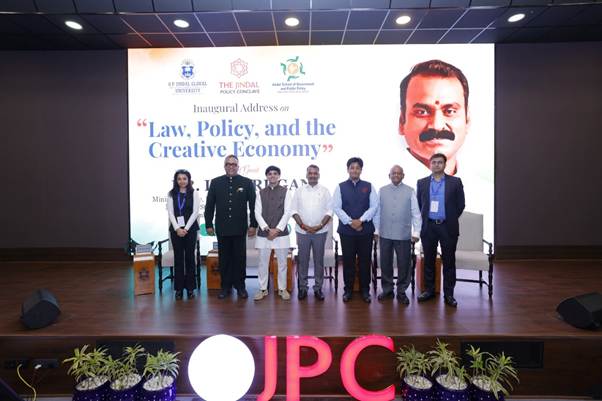
India's creative economy is increasingly being viewed as an important source of economic growth, employment, entrepreneurship and intellectual-property creation, with the Animation, Visual Effects, Gaming and Comics sector expected to require nearly two million skilled professionals by 2030. The development was highlighted on 18 September 2026 at the Jindal Policy Conclave on 'Law, Policy, and the Creative Economy' at O.P. Jindal Global University.
Minister of State for Information and Broadcasting Dr L. Murugan, while addressing the conclave, highlighted the growing economic importance of sectors driven by ideas, imagination, culture, innovation and intellectual property. These include film, music, gaming, animation, design, publishing, advertising and digital content. Unlike traditional sectors in which value is often closely associated with physical assets or natural resources, a large part of the value generated by creative industries comes from human creativity, skills, technology and intellectual property.
According to figures cited by the Minister, the creative economy contributes about 3.1 per cent of global GDP and accounts for approximately 6.2 per cent of global employment. In India, an estimated 57 million people are already engaged in cultural and creative occupations. India's media and entertainment economy was stated to be worth approximately ₹2.5 trillion. These figures illustrate why creative industries are increasingly being discussed not simply as cultural activities but also as an important part of economic and employment policy.
One of the most significant areas highlighted was the AVGC sector — Animation, Visual Effects, Gaming and Comics. The sector combines artistic skills with advanced digital technology and is increasingly connected with films, television, advertising, online entertainment, gaming, education and other digital applications. According to the government statement, the AVGC sector alone is expected to require nearly two million skilled professionals by 2030.
This projected demand has important implications for India's skill-development system. Creative industries require a wide range of capabilities, including animation, graphic design, visual effects, game development, storytelling, programming, sound design, digital production and other specialised skills. The rapid adoption of artificial intelligence and other emerging technologies is also changing the nature of work in these industries, creating demand for professionals capable of combining creativity with technical expertise.
To strengthen the talent pipeline, the government has announced support for the Indian Institute of Creative Technologies. The institution is intended to contribute to the development of specialised skills required by India's expanding creative and digital-content industries. The government has also announced support for AVGC Creator Labs in 15,000 schools and 500 colleges. This initiative is intended to expose students to creative technologies and develop future-ready skills at an earlier stage of education.
The scale of the proposed Creator Labs is particularly important from the perspective of education and employment. Establishing facilities in thousands of schools and hundreds of colleges could broaden access to creative-technology training beyond specialised professional institutes. It may also encourage students to view animation, gaming, visual effects and related fields as structured professional and entrepreneurial opportunities rather than merely recreational activities.
The creative economy is also closely connected with India's expanding digital ecosystem. Increasing internet access, smartphones, digital payments, online video, social-media platforms, streaming services and gaming have created new channels through which creative products can reach audiences. A creator or small studio can potentially distribute digital content to users across different regions without relying entirely on traditional physical distribution networks.
At the same time, the growth of the sector raises important legal and regulatory questions. Copyright protection is one of the central issues because creative products such as films, music, books, designs, games and digital content can be reproduced and distributed rapidly in digital environments. Effective copyright systems are intended to provide creators and rights holders with legal protection for their original works while balancing other legitimate uses provided under law.
Fair compensation for creators was another issue emphasised at the conclave. Digital platforms have transformed the way creative content is produced, distributed and monetised. This has generated new opportunities but has also created debates about how revenue should be shared among creators, platforms, producers and other participants in the creative ecosystem. The development of the creative economy therefore requires attention not only to technology and skills but also to institutional and legal frameworks.
Artificial intelligence introduces an additional dimension. Generative AI systems can now produce text, images, audio, video, designs and other forms of digital content. These technologies can improve productivity and provide creators with new tools, but they also raise questions involving copyright, attribution, training data, originality and compensation. The Minister consequently emphasised responsible use of artificial intelligence as one of the areas requiring an appropriate policy framework.
For students, the relationship between AI and intellectual property is an emerging topic with relevance to technology policy, law and economics. If an AI system is trained using copyrighted material, questions can arise about how existing intellectual-property rules apply. Similarly, the increasing ability of AI systems to generate creative material has stimulated international debate about authorship, ownership and the economic position of human creators. Different jurisdictions continue to develop their approaches to these questions.
The creative economy also has an important entrepreneurship dimension. Unlike many capital-intensive industries, some segments of the digital creative sector allow individuals and small teams to develop products using comparatively accessible computing and software infrastructure. Independent game developers, animation studios, designers, digital creators and other entrepreneurs can potentially serve both domestic and international markets.
India's large youth population and expanding digital market provide a substantial base for these activities. However, converting this opportunity into sustained economic value requires skilled workers, high-quality training, intellectual-property awareness, access to technology and viable business models. The government's emphasis on educational infrastructure such as the Indian Institute of Creative Technologies and AVGC Creator Labs should therefore be understood within this larger ecosystem-building approach.
The subject is also relevant to the broader idea of a knowledge economy. In a knowledge economy, economic value increasingly comes from knowledge, innovation, research, software, design, intellectual property and specialised human skills. The creative economy overlaps with this model because its principal assets are frequently intangible rather than physical. A successful film, game, design, music composition or digital product can generate economic value far beyond the cost of the physical resources used to create it.
Intellectual property consequently becomes a major economic asset. Copyright, trademarks, designs and other forms of intellectual-property protection can help individuals and companies commercialise their creations. For competitive-examination students, it is useful to remember that copyright generally protects original literary, dramatic, musical and artistic works and other categories recognised under copyright law, whereas patents, trademarks and geographical indications protect different types of intellectual property.
The global nature of digital creative industries is another important factor. Animation, visual effects, gaming and digital content can be produced in one country and consumed internationally. This creates opportunities for exports of creative services and intellectual property. Developing globally competitive talent can therefore contribute not only to domestic employment but also to India's participation in international digital and creative markets.
For UPSC and other examinations, this development connects several topics that are often studied separately: employment, skill development, artificial intelligence, intellectual property rights, digital economy, education, entrepreneurship and the media and entertainment sector. The projection of nearly two million skilled professionals being required in AVGC by 2030 is particularly important as a current-affairs fact.
The broader significance is that India's future employment landscape may increasingly include occupations that combine creativity with technology. Animation, visual effects, gaming, design and digital content demonstrate how cultural capabilities can interact with software and emerging technologies to create economic value. Building a competitive creative economy will therefore depend on developing human capital while simultaneously creating appropriate frameworks for copyright, creator compensation and responsible artificial-intelligence use.
क्या हुआ?
भारत की रचनात्मक अर्थव्यवस्था आर्थिक विकास, रोजगार, उद्यमिता और बौद्धिक संपदा निर्माण के एक महत्वपूर्ण स्रोत के रूप में तेजी से उभर रही है। Animation, Visual Effects, Gaming and Comics अर्थात AVGC क्षेत्र में वर्ष 2030 तक लगभग 20 लाख कुशल पेशेवरों की आवश्यकता होने का अनुमान व्यक्त किया गया है। इस विषय को 18 सितंबर 2026 को O.P. Jindal Global University में आयोजित 'Law, Policy, and the Creative Economy' विषयक Jindal Policy Conclave में प्रमुखता से रेखांकित किया गया।
सूचना एवं प्रसारण राज्य मंत्री डॉ. एल. मुरुगन ने सम्मेलन को संबोधित करते हुए विचार, कल्पना, संस्कृति, नवाचार और बौद्धिक संपदा पर आधारित क्षेत्रों के बढ़ते आर्थिक महत्व की चर्चा की। इनमें फिल्म, संगीत, गेमिंग, एनीमेशन, डिजाइन, प्रकाशन, विज्ञापन और डिजिटल सामग्री जैसे क्षेत्र शामिल हैं। पारंपरिक उद्योगों में आर्थिक मूल्य प्रायः भौतिक संपत्ति अथवा प्राकृतिक संसाधनों से जुड़ा होता है, जबकि रचनात्मक उद्योगों में मूल्य का एक बड़ा हिस्सा मानवीय रचनात्मकता, कौशल, तकनीक और बौद्धिक संपदा से उत्पन्न होता है।
मंत्री द्वारा प्रस्तुत आँकड़ों के अनुसार वैश्विक रचनात्मक अर्थव्यवस्था विश्व सकल घरेलू उत्पाद में लगभग 3.1 प्रतिशत योगदान देती है और वैश्विक रोजगार में इसकी हिस्सेदारी लगभग 6.2 प्रतिशत है। भारत में अनुमानतः 5.7 करोड़ लोग पहले से सांस्कृतिक और रचनात्मक व्यवसायों में कार्यरत हैं। भारत की Media and Entertainment Economy का आकार लगभग ₹2.5 ट्रिलियन बताया गया। ये आँकड़े स्पष्ट करते हैं कि रचनात्मक उद्योगों को अब केवल सांस्कृतिक गतिविधियों के रूप में नहीं बल्कि आर्थिक और रोजगार नीति के महत्वपूर्ण हिस्से के रूप में भी देखा जा रहा है।
सम्मेलन में सबसे महत्वपूर्ण क्षेत्रों में से एक AVGC अर्थात Animation, Visual Effects, Gaming and Comics रहा। यह क्षेत्र कलात्मक कौशल को उन्नत डिजिटल तकनीक के साथ जोड़ता है और फिल्म, टेलीविजन, विज्ञापन, ऑनलाइन मनोरंजन, गेमिंग, शिक्षा तथा अन्य डिजिटल अनुप्रयोगों से तेजी से जुड़ रहा है। सरकारी वक्तव्य के अनुसार केवल AVGC क्षेत्र में ही वर्ष 2030 तक लगभग 20 लाख कुशल पेशेवरों की आवश्यकता हो सकती है।
यह अनुमान भारत की कौशल विकास व्यवस्था के लिए महत्वपूर्ण है। रचनात्मक उद्योगों में Animation, Graphic Design, Visual Effects, Game Development, Storytelling, Programming, Sound Design, Digital Production और अनेक अन्य विशिष्ट कौशलों की आवश्यकता होती है। कृत्रिम बुद्धिमत्ता तथा अन्य उभरती तकनीकों का तेजी से बढ़ता उपयोग इन उद्योगों में कार्य की प्रकृति को भी बदल रहा है। इससे ऐसे पेशेवरों की मांग बढ़ रही है जो रचनात्मकता और तकनीकी विशेषज्ञता को एक साथ जोड़ सकें।
इस प्रतिभा आधार को मजबूत करने के लिए सरकार ने Indian Institute of Creative Technologies को समर्थन देने की घोषणा की है। इसका उद्देश्य भारत के बढ़ते रचनात्मक और डिजिटल सामग्री उद्योगों के लिए आवश्यक विशेष कौशल विकसित करने में योगदान देना है। इसके साथ ही सरकार ने 15,000 विद्यालयों और 500 महाविद्यालयों में AVGC Creator Labs को समर्थन देने की घोषणा की है। इसका उद्देश्य विद्यार्थियों को रचनात्मक तकनीकों से परिचित कराना और भविष्य के लिए आवश्यक कौशल विकसित करना है।
Creator Labs का प्रस्तावित विस्तार शिक्षा और रोजगार दोनों की दृष्टि से महत्वपूर्ण है। हजारों विद्यालयों और सैकड़ों महाविद्यालयों में ऐसी सुविधाएँ उपलब्ध होने से रचनात्मक तकनीकी प्रशिक्षण केवल विशेष पेशेवर संस्थानों तक सीमित नहीं रहेगा। इससे विद्यार्थियों को Animation, Gaming और Visual Effects जैसे क्षेत्रों को केवल मनोरंजन के रूप में देखने के बजाय पेशेवर और उद्यमिता अवसरों के रूप में समझने में सहायता मिल सकती है।
रचनात्मक अर्थव्यवस्था भारत की तेजी से विस्तारित डिजिटल व्यवस्था से भी निकटता से जुड़ी है। इंटरनेट की पहुँच, स्मार्टफोन, डिजिटल भुगतान, ऑनलाइन वीडियो, सामाजिक माध्यम, Streaming Services और Gaming के विस्तार ने रचनात्मक उत्पादों को दर्शकों तक पहुँचाने के नए माध्यम बनाए हैं। कोई स्वतंत्र रचनाकार अथवा छोटा Studio पारंपरिक भौतिक वितरण व्यवस्था पर पूरी तरह निर्भर हुए बिना विभिन्न क्षेत्रों के उपभोक्ताओं तक डिजिटल सामग्री पहुँचा सकता है।
हालाँकि इस क्षेत्र का विकास महत्वपूर्ण कानूनी और नियामक प्रश्न भी उत्पन्न करता है। Copyright Protection इनमें प्रमुख है क्योंकि फिल्म, संगीत, पुस्तक, डिजाइन, गेम और डिजिटल सामग्री जैसे रचनात्मक उत्पादों की डिजिटल वातावरण में तेजी से प्रतिलिपि और वितरण किया जा सकता है। प्रभावी Copyright व्यवस्था का उद्देश्य मूल रचनाकारों और अधिकार धारकों के कार्य को कानूनी सुरक्षा प्रदान करना है, साथ ही कानून में मान्यता प्राप्त अन्य वैध उपयोगों के बीच संतुलन बनाए रखना भी आवश्यक होता है।
रचनाकारों को उचित पारिश्रमिक उपलब्ध कराना सम्मेलन में उठाया गया एक अन्य महत्वपूर्ण विषय था। डिजिटल मंचों ने रचनात्मक सामग्री के उत्पादन, वितरण और उससे आय प्राप्त करने के तरीकों को बदल दिया है। इससे नए अवसर उत्पन्न हुए हैं, लेकिन रचनाकारों, मंचों, उत्पादकों और अन्य भागीदारों के बीच आय के वितरण को लेकर नए प्रश्न भी सामने आए हैं। इसलिए रचनात्मक अर्थव्यवस्था के विकास के लिए केवल तकनीक और कौशल पर्याप्त नहीं हैं; उपयुक्त संस्थागत और कानूनी व्यवस्था भी आवश्यक है।
कृत्रिम बुद्धिमत्ता ने इसमें एक नया आयाम जोड़ दिया है। Generative AI प्रणालियाँ अब पाठ, चित्र, ध्वनि, वीडियो, डिजाइन और अन्य प्रकार की डिजिटल सामग्री उत्पन्न कर सकती हैं। ये तकनीकें उत्पादकता बढ़ा सकती हैं और रचनाकारों को नए उपकरण उपलब्ध करा सकती हैं, लेकिन इनके कारण Copyright, Attribution, Training Data, Originality और Compensation जैसे प्रश्न भी उत्पन्न हो रहे हैं। इसी कारण जिम्मेदार Artificial Intelligence उपयोग को उचित नीति व्यवस्था से जोड़ने पर जोर दिया गया।
विद्यार्थियों के लिए AI और Intellectual Property के बीच संबंध उभरता हुआ महत्वपूर्ण विषय है। यदि किसी AI प्रणाली को Copyright संरक्षित सामग्री पर प्रशिक्षित किया जाता है तो मौजूदा बौद्धिक संपदा नियमों के प्रयोग को लेकर प्रश्न उत्पन्न हो सकते हैं। इसी प्रकार AI द्वारा रचनात्मक सामग्री तैयार करने की बढ़ती क्षमता ने Authorship, Ownership और मानव रचनाकारों की आर्थिक स्थिति से संबंधित अंतरराष्ट्रीय बहस को तेज किया है। विभिन्न देश इन विषयों के लिए अपनी कानूनी और नीतिगत व्यवस्थाएँ विकसित कर रहे हैं।
रचनात्मक अर्थव्यवस्था में उद्यमिता की भी बड़ी भूमिका है। अनेक पूँजी-प्रधान उद्योगों की तुलना में डिजिटल रचनात्मक क्षेत्र के कुछ हिस्सों में व्यक्ति अथवा छोटी टीम अपेक्षाकृत सुलभ Computing और Software Infrastructure के माध्यम से उत्पाद विकसित कर सकती है। स्वतंत्र Game Developers, Animation Studios, Designers और Digital Creators घरेलू तथा अंतरराष्ट्रीय दोनों बाजारों में अपनी सेवाएँ उपलब्ध करा सकते हैं।
भारत की विशाल युवा आबादी और विस्तृत डिजिटल बाजार इन गतिविधियों के लिए महत्वपूर्ण आधार प्रदान करते हैं। लेकिन इस अवसर को स्थायी आर्थिक मूल्य में बदलने के लिए कुशल कार्यबल, गुणवत्तापूर्ण प्रशिक्षण, बौद्धिक संपदा की समझ, तकनीक तक पहुँच और व्यवहारिक व्यावसायिक मॉडल आवश्यक हैं। इसलिए Indian Institute of Creative Technologies और AVGC Creator Labs जैसी शैक्षणिक पहलों को व्यापक पारिस्थितिकी तंत्र निर्माण की दृष्टि से समझना चाहिए।
यह विषय Knowledge Economy की व्यापक अवधारणा से भी जुड़ा है। ज्ञान आधारित अर्थव्यवस्था में आर्थिक मूल्य का बड़ा हिस्सा ज्ञान, नवाचार, अनुसंधान, Software, Design, Intellectual Property और विशिष्ट मानवीय कौशल से उत्पन्न होता है। रचनात्मक अर्थव्यवस्था इसी मॉडल से जुड़ी है क्योंकि इसकी प्रमुख संपत्तियाँ प्रायः भौतिक के बजाय अमूर्त होती हैं। सफल फिल्म, गेम, डिजाइन, संगीत अथवा डिजिटल उत्पाद अपने निर्माण में प्रयुक्त भौतिक संसाधनों की लागत से कहीं अधिक आर्थिक मूल्य उत्पन्न कर सकता है।
इसी कारण Intellectual Property एक महत्वपूर्ण आर्थिक संपत्ति बन जाती है। Copyright, Trademark, Design और बौद्धिक संपदा संरक्षण के अन्य रूप व्यक्तियों और कंपनियों को अपनी रचनाओं का आर्थिक उपयोग करने में सहायता करते हैं। प्रतियोगी परीक्षाओं के विद्यार्थियों को यह समझना चाहिए कि Copyright सामान्यतः मूल साहित्यिक, नाट्य, संगीत और कलात्मक कृतियों तथा कानून में मान्यता प्राप्त अन्य श्रेणियों की रक्षा करता है, जबकि Patent, Trademark और Geographical Indication अलग-अलग प्रकार की बौद्धिक संपदा की सुरक्षा करते हैं।
डिजिटल रचनात्मक उद्योगों की वैश्विक प्रकृति भी महत्वपूर्ण है। Animation, Visual Effects, Gaming और Digital Content का उत्पादन एक देश में किया जा सकता है और उसका उपभोग दुनिया के अन्य देशों में हो सकता है। इससे Creative Services और Intellectual Property के निर्यात के अवसर उत्पन्न होते हैं। इसलिए वैश्विक स्तर पर प्रतिस्पर्धी प्रतिभा विकसित करने से घरेलू रोजगार के साथ भारत की अंतरराष्ट्रीय डिजिटल और रचनात्मक बाजारों में भागीदारी भी बढ़ सकती है।
UPSC तथा अन्य प्रतियोगी परीक्षाओं के लिए यह विषय रोजगार, कौशल विकास, कृत्रिम बुद्धिमत्ता, बौद्धिक संपदा अधिकार, डिजिटल अर्थव्यवस्था, शिक्षा, उद्यमिता तथा Media and Entertainment जैसे अनेक विषयों को जोड़ता है। वर्ष 2030 तक AVGC क्षेत्र में लगभग 20 लाख कुशल पेशेवरों की आवश्यकता का अनुमान विशेष रूप से महत्वपूर्ण समसामयिक तथ्य है।
इस विकास का व्यापक महत्व यह है कि भारत के भविष्य के रोजगार परिदृश्य में ऐसे व्यवसायों की हिस्सेदारी बढ़ सकती है जिनमें रचनात्मकता और तकनीक दोनों की आवश्यकता होगी। Animation, Visual Effects, Gaming, Design और Digital Content यह दिखाते हैं कि सांस्कृतिक क्षमताएँ Software और उभरती तकनीकों के साथ मिलकर आर्थिक मूल्य कैसे उत्पन्न कर सकती हैं। इसलिए प्रतिस्पर्धी Creative Economy बनाने के लिए मानव पूँजी के विकास के साथ Copyright, रचनाकारों के उचित पारिश्रमिक और जिम्मेदार Artificial Intelligence उपयोग के लिए उपयुक्त व्यवस्था भी आवश्यक होगी।
Key Facts
• The Jindal Policy Conclave on Law, Policy and the Creative Economy was held at O.P. Jindal Global University.
• The development was highlighted by the Ministry of Information and Broadcasting on 18 September 2026.
• The creative economy includes sectors such as film, music, gaming, animation, design, publishing, advertising and digital content.
• The creative economy contributes about 3.1 per cent to global GDP according to figures cited by the Minister.
• It accounts for about 6.2 per cent of global employment.
• An estimated 57 million Indians are engaged in cultural and creative occupations.
• India's media and entertainment economy was stated to be worth about ₹2.5 trillion.
• AVGC stands for Animation, Visual Effects, Gaming and Comics.
• The AVGC sector is expected to require nearly two million skilled professionals by 2030.
• The Government is supporting the Indian Institute of Creative Technologies.
• AVGC Creator Labs are planned with government support in 15,000 schools.
• Creator Labs are also planned in 500 colleges.
• Copyright protection was identified as important for the growth of the creative economy.
• Fair compensation for creators was highlighted as another important policy issue.
• Responsible use of artificial intelligence was identified as an important part of the emerging creative-economy policy framework.
मुख्य तथ्य
• Law, Policy and the Creative Economy विषयक Jindal Policy Conclave O.P. Jindal Global University में आयोजित हुआ।
• सूचना एवं प्रसारण मंत्रालय ने 18 सितंबर 2026 को इस विकास से संबंधित जानकारी जारी की।
• Creative Economy में Film, Music, Gaming, Animation, Design, Publishing, Advertising और Digital Content जैसे क्षेत्र शामिल हैं।
• मंत्री द्वारा प्रस्तुत आँकड़ों के अनुसार Creative Economy वैश्विक GDP में लगभग 3.1 प्रतिशत योगदान देती है।
• वैश्विक रोजगार में इसकी हिस्सेदारी लगभग 6.2 प्रतिशत है।
• भारत में अनुमानतः 5.7 करोड़ लोग Cultural और Creative Occupations में कार्यरत हैं।
• भारत की Media and Entertainment Economy का आकार लगभग ₹2.5 ट्रिलियन बताया गया।
• AVGC का पूरा रूप Animation, Visual Effects, Gaming and Comics है।
• AVGC क्षेत्र में वर्ष 2030 तक लगभग 20 लाख कुशल पेशेवरों की आवश्यकता होने का अनुमान है।
• सरकार Indian Institute of Creative Technologies को समर्थन दे रही है।
• 15,000 विद्यालयों में AVGC Creator Labs को सरकारी समर्थन देने की घोषणा की गई है।
• 500 महाविद्यालयों में भी Creator Labs को समर्थन देने की योजना है।
• Creative Economy के विकास के लिए Copyright Protection को महत्वपूर्ण बताया गया।
• रचनाकारों के लिए उचित पारिश्रमिक को भी महत्वपूर्ण नीतिगत विषय के रूप में रेखांकित किया गया।
• Artificial Intelligence के जिम्मेदार उपयोग को उभरती Creative Economy की नीति व्यवस्था का महत्वपूर्ण हिस्सा बताया गया।
Background
Creative industries generate economic value primarily through ideas, skills, culture, innovation and intellectual property. Digitisation has expanded the scale and reach of these industries by allowing films, games, music, animation, designs and other digital products to be distributed globally. India's large youth population, growing digital market and technology workforce create opportunities in this sector, while copyright, skills, creator compensation and responsible AI use remain important policy issues.
पृष्ठभूमि
रचनात्मक उद्योग मुख्य रूप से विचार, कौशल, संस्कृति, नवाचार और बौद्धिक संपदा के माध्यम से आर्थिक मूल्य उत्पन्न करते हैं। Digitisation ने Film, Games, Music, Animation, Designs और अन्य डिजिटल उत्पादों को वैश्विक स्तर पर वितरित करना संभव बनाकर इन उद्योगों का विस्तार किया है। भारत की विशाल युवा आबादी, बढ़ता डिजिटल बाजार और तकनीकी कार्यबल इस क्षेत्र में महत्वपूर्ण अवसर प्रदान करते हैं, जबकि Copyright, कौशल विकास, रचनाकारों को उचित पारिश्रमिक और जिम्मेदार AI उपयोग महत्वपूर्ण नीतिगत विषय बने हुए हैं।
Why It Matters
The development is important because it shows how employment and economic growth are expanding beyond conventional manufacturing and services into knowledge- and intellectual-property-intensive sectors. The projection of nearly two million AVGC professionals by 2030 indicates substantial demand for specialised skills. At the same time, the spread of generative AI makes copyright, ownership and creator compensation increasingly important policy questions. India's ability to develop skilled creative professionals and globally competitive intellectual property could influence both domestic employment and exports of digital services.
यह क्यों महत्वपूर्ण है?
यह विकास महत्वपूर्ण है क्योंकि यह दिखाता है कि रोजगार और आर्थिक विकास अब पारंपरिक विनिर्माण तथा सेवाओं से आगे बढ़कर ज्ञान और बौद्धिक संपदा आधारित क्षेत्रों में भी तेजी से विस्तार कर रहा है। वर्ष 2030 तक AVGC में लगभग 20 लाख पेशेवरों की आवश्यकता का अनुमान विशिष्ट कौशल की बड़ी मांग को दर्शाता है। साथ ही Generative AI के विस्तार से Copyright, Ownership और रचनाकारों के पारिश्रमिक से संबंधित नीतिगत प्रश्न अधिक महत्वपूर्ण हो रहे हैं। भारत की कुशल रचनात्मक पेशेवर और वैश्विक स्तर की Intellectual Property विकसित करने की क्षमता घरेलू रोजगार तथा Digital Services के निर्यात दोनों को प्रभावित कर सकती है।
Exam Connection
Important for UPSC Prelims, GS-II, GS-III Economy and Science & Technology, SSC, Banking and State PCS. Remember: AVGC means Animation, Visual Effects, Gaming and Comics; the sector may require nearly two million skilled professionals by 2030; India's media and entertainment economy was cited at about ₹2.5 trillion; around 57 million Indians are estimated to work in cultural and creative occupations; and the Government supports AVGC Creator Labs in 15,000 schools and 500 colleges. Also revise copyright, intellectual property rights, generative AI, knowledge economy and skill development.
परीक्षा से संबंध
UPSC प्रारंभिक परीक्षा, GS-II, GS-III अर्थव्यवस्था एवं विज्ञान-प्रौद्योगिकी, SSC, Banking और State PCS के लिए महत्वपूर्ण। याद रखें: AVGC का अर्थ Animation, Visual Effects, Gaming and Comics है; वर्ष 2030 तक इस क्षेत्र में लगभग 20 लाख कुशल पेशेवरों की आवश्यकता हो सकती है; भारत की Media and Entertainment Economy लगभग ₹2.5 ट्रिलियन बताई गई; अनुमानतः 5.7 करोड़ भारतीय Cultural और Creative Occupations में कार्यरत हैं; तथा सरकार 15,000 विद्यालयों और 500 महाविद्यालयों में AVGC Creator Labs को समर्थन दे रही है। Copyright, Intellectual Property Rights, Generative AI, Knowledge Economy और Skill Development की अवधारणाएँ भी पढ़ें।