What Happened
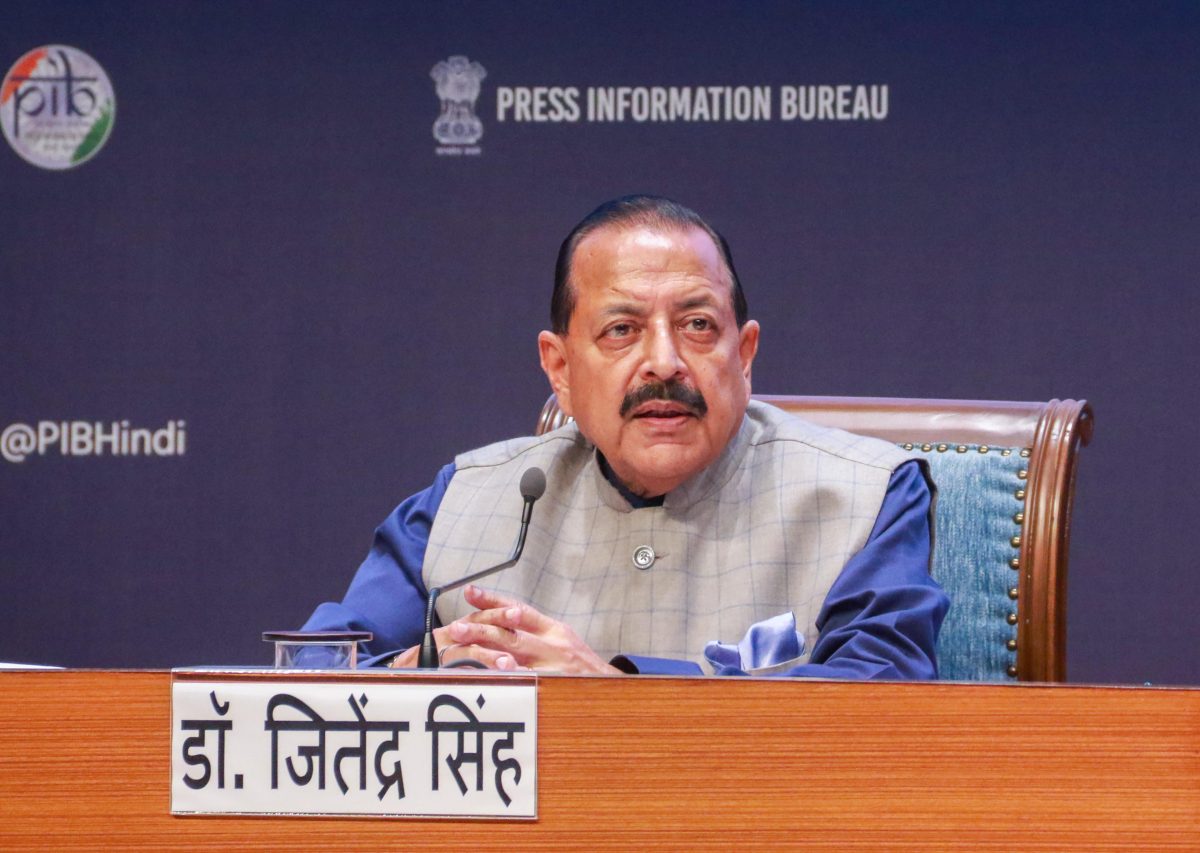
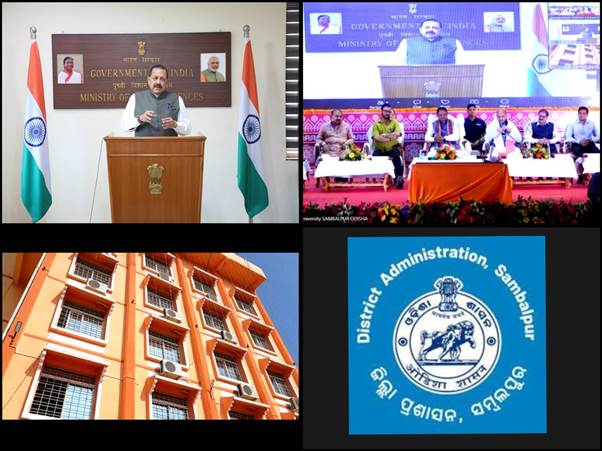
India inaugurated its 51st Doppler Weather Radar at Sambalpur in Odisha on 17 September 2026, marking another expansion of the country's meteorological observation infrastructure. Union Minister of State (Independent Charge) for Earth Sciences Dr Jitendra Singh virtually inaugurated the facility in the presence of Odisha Chief Minister Mohan Charan Majhi. The new radar is intended to improve weather monitoring, forecasting and early warnings across western Odisha and adjoining regions.
According to the Ministry of Earth Sciences, India's operational Doppler Weather Radar network has expanded from 14 radars in 2014 to 51 following the commissioning of the Sambalpur facility. The government has announced plans for approximately 40 additional radars under Mission Mausam. The Ministry stated that the planned expansion would take the network to about 81 radars. Students should distinguish between the number already commissioned, the additional radars announced and the Ministry's stated eventual network figure rather than assuming that all announced installations are already operational.
The Sambalpur installation is Odisha's third Doppler Weather Radar. The state's other two installations are located at Gopalpur and Paradip. The new facility will improve observations over western Odisha and provide additional meteorological information for neighbouring areas of southern Jharkhand, northern Chhattisgarh and parts of northern Andhra Pradesh and West Bengal.
The location is significant because severe weather systems do not follow administrative boundaries. Thunderstorms, heavy rainfall and other weather disturbances can move across several states. A radar installed in one location can therefore provide useful observations for surrounding regions, depending on the system's range, terrain and atmospheric conditions.
A Doppler Weather Radar is a specialised meteorological instrument that uses radio waves to observe precipitation and atmospheric motion. The radar transmits electromagnetic pulses and receives signals reflected by raindrops, hail and other precipitation particles. By analysing the returned signals, meteorologists can estimate the location, movement and intensity of precipitation.
The Doppler effect provides additional information about motion. When an object moves towards or away from a radar, the frequency of the reflected signal changes. By analysing this frequency shift, the radar can estimate the component of a precipitation particle's velocity along the radar beam. This information helps meteorologists study wind patterns and the movement of weather systems.
Conventional weather observations from the ground provide important information about conditions at individual locations. Radar adds a different type of observation by allowing meteorologists to examine the spatial distribution and movement of precipitation over a wider area. Repeated radar scans can help track the development of thunderstorms, the movement of rain bands and changes in the intensity of weather systems.
Radar information is particularly useful for short-range weather forecasting, commonly called nowcasting. Nowcasting focuses on weather conditions over the immediate future, often from the present to the next few hours. For example, radar observations may help identify an approaching thunderstorm and support warnings for locations that could experience heavy rain or associated hazardous weather.
However, radar does not directly measure every aspect of the atmosphere and cannot independently guarantee accurate forecasts. It works as part of a wider meteorological observation and forecasting system that includes surface observations, satellite data, atmospheric measurements, numerical weather prediction models and professional analysis. The government's approach under Mission Mausam therefore involves expanding several complementary technologies rather than relying on Doppler Weather Radars alone.
At the inauguration, the Ministry highlighted the development of a multi-layered observation network. Automatic Weather Stations and rain gauges are being established across Odisha, including district-level and school-level locations. These instruments provide local observations that can complement information obtained from radar and satellites.
An Automatic Weather Station is an instrument system that records meteorological parameters automatically. Depending on its configuration, it may measure temperature, humidity, atmospheric pressure, wind speed, wind direction and rainfall. Such observations are important for monitoring local conditions and improving the availability of data for forecasting and climate-related studies.
Rain gauges measure precipitation at particular locations. Although radar can estimate rainfall over an area, ground-based rain gauges remain valuable for checking and improving rainfall estimates. Combining different observation systems can provide a more reliable picture than relying on any single instrument.
The Ministry also referred to radiosonde stations and microwave radiometers as components of the wider weather observation network. A radiosonde is an instrument package generally carried into the atmosphere by a weather balloon. It records atmospheric conditions such as temperature, humidity and pressure at different heights. Microwave radiometers use microwave radiation to obtain information about atmospheric conditions, including temperature and moisture profiles, depending on the instrument and retrieval method.
Together, radar, surface instruments, upper-air observations and satellites help meteorologists understand weather conditions in three dimensions and monitor how they change over time. This is particularly important for regions where severe weather can develop quickly or where existing observations have been geographically limited.
The Sambalpur radar is expected to help address an observational gap in western Odisha. Better information about developing weather systems can assist meteorological agencies in preparing more localised forecasts and issuing timely warnings. The practical value of these observations depends on how effectively the information is communicated to district administrations, disaster-response agencies, farmers, transport operators and communities.
Odisha is an important state for studying weather-related disaster management. Its coastal areas are exposed to tropical cyclones and associated hazards, while inland regions can experience thunderstorms, lightning, heavy rainfall and other weather disturbances. Different hazards require different observation, forecasting and response measures. The addition of a radar in western Odisha can therefore complement existing coastal installations rather than simply duplicate their geographical coverage.
The Ministry announced that further Doppler Weather Radars are in the pipeline for Balasore, Puri and Bhubaneswar. These are proposed or upcoming installations and should not be confused with the three operational radars identified in Odisha at the time of the Sambalpur inauguration.
The government also referred to expansion of automated weather monitoring across regional centres and adjoining areas, including Ranchi, Kolkata, Jagdalpur and Patna. This reflects the wider objective of strengthening weather observations across eastern and central India.
Mission Mausam is associated with improving India's capacity to observe, understand, model and predict weather. Modern weather forecasting requires observations from multiple sources, advanced computing, atmospheric science and effective communication of warnings. Increasing the number and geographical distribution of observation systems can provide additional data for these activities.
Weather forecasting has direct economic significance. Agriculture depends on rainfall, temperature and other atmospheric conditions. Farmers may use weather advisories when planning sowing, irrigation, harvesting and other operations. More localised warnings can also help communities prepare for hazardous conditions, although the benefits depend on forecast quality, accessibility and timely action.
The energy sector is another important user of meteorological information. Electricity demand can change with temperature, while renewable-energy generation depends partly on atmospheric conditions. Solar power is affected by cloud cover and solar radiation, whereas wind-power generation depends on wind conditions. Weather observations can therefore support operational planning in electricity systems.
Transport and infrastructure also benefit from reliable meteorological information. Heavy rainfall, thunderstorms, low visibility and other weather conditions can affect aviation, road transport, rail operations and construction. Weather monitoring can assist authorities in anticipating disruptions and planning appropriate responses.
The Ministry additionally highlighted India's role in providing meteorological support to neighbouring countries. According to the official release, the India Meteorological Department provides weather, cyclone and flash-flood forecasting and early warning support to 13 neighbouring countries. This demonstrates the regional dimension of meteorological cooperation, particularly because cyclones and other weather systems can affect multiple countries.
The India Meteorological Department is an organisation under the Ministry of Earth Sciences. It is responsible for meteorological observations, weather forecasting and warnings in India. The department completed 150 years in 2025, having been established in 1875. Students should connect IMD with weather forecasting, cyclone warnings, meteorological observations and the Ministry of Earth Sciences.
The Sambalpur inauguration also illustrates the importance of cooperation between the Union and State Governments in scientific infrastructure. Establishing a radar facility requires a suitable location, land, construction, equipment, communications and operational arrangements. The Ministry acknowledged the Odisha Government's role in facilitating land acquisition and construction for the project.
For competitive examinations, the direct facts are especially important: the 51st Doppler Weather Radar was inaugurated at Sambalpur in Odisha on 17 September 2026; Odisha's three operational radar locations were Gopalpur, Paradip and Sambalpur; India's radar network increased from 14 in 2014 to 51; and additional installations were announced under Mission Mausam.
The wider conceptual lesson is that early warning systems are not simply forecasting technologies. They require observations, scientific analysis, communication, institutional coordination and action by the people and organisations receiving warnings. Expanding the observation network is therefore one part of improving preparedness for extreme weather events.
क्या हुआ?
भारत ने 17 सितंबर 2026 को ओडिशा के संबलपुर में अपने 51वें डॉप्लर मौसम रडार का उद्घाटन किया। यह देश की मौसम संबंधी प्रेक्षण अवसंरचना के विस्तार में एक महत्वपूर्ण कदम है। केंद्रीय पृथ्वी विज्ञान राज्य मंत्री (स्वतंत्र प्रभार) डॉ. जितेंद्र सिंह ने ओडिशा के मुख्यमंत्री मोहन चरण माझी की उपस्थिति में इस सुविधा का आभासी माध्यम से उद्घाटन किया। नए रडार का उद्देश्य पश्चिमी ओडिशा और आसपास के क्षेत्रों में मौसम निगरानी, पूर्वानुमान तथा प्रारंभिक चेतावनी क्षमताओं को बेहतर बनाना है।
पृथ्वी विज्ञान मंत्रालय के अनुसार संबलपुर रडार के शुरू होने के बाद भारत में संचालित डॉप्लर मौसम रडारों की संख्या 51 हो गई है। वर्ष 2014 में देश में ऐसे 14 रडार थे। सरकार ने मिशन मौसम के अंतर्गत लगभग 40 अतिरिक्त रडार स्थापित करने की योजना बताई है। मंत्रालय ने कहा कि प्रस्तावित विस्तार के बाद नेटवर्क की संख्या लगभग 81 तक पहुँचने की अपेक्षा है। विद्यार्थियों को वर्तमान में संचालित रडारों की संख्या, घोषित अतिरिक्त रडारों की संख्या और मंत्रालय द्वारा बताए गए अंतिम नेटवर्क के आँकड़े के बीच अंतर समझना चाहिए।
संबलपुर का रडार ओडिशा का तीसरा डॉप्लर मौसम रडार है। राज्य के अन्य दो रडार गोपालपुर और पारादीप में स्थित हैं। नई सुविधा पश्चिमी ओडिशा में मौसम संबंधी प्रेक्षणों को बेहतर बनाएगी। इसके अतिरिक्त दक्षिणी झारखंड, उत्तरी छत्तीसगढ़ तथा उत्तरी आंध्र प्रदेश और पश्चिम बंगाल के कुछ हिस्सों के लिए भी अतिरिक्त मौसम संबंधी जानकारी उपलब्ध हो सकेगी।
इस स्थान का महत्व इसलिए है क्योंकि गंभीर मौसम प्रणालियाँ प्रशासनिक सीमाओं का पालन नहीं करतीं। आंधी-तूफान, भारी वर्षा और अन्य मौसम संबंधी विक्षोभ कई राज्यों से होकर गुजर सकते हैं। इसलिए किसी एक स्थान पर स्थापित रडार अपनी क्षमता, भू-आकृति और वायुमंडलीय परिस्थितियों के अनुसार आसपास के क्षेत्रों के लिए भी उपयोगी जानकारी उपलब्ध करा सकता है।
डॉप्लर मौसम रडार एक विशेष मौसम विज्ञान उपकरण है जो वर्षा और वायुमंडलीय गति के अध्ययन के लिए रेडियो तरंगों का उपयोग करता है। रडार विद्युतचुंबकीय तरंगों के स्पंदन भेजता है। ये तरंगें वर्षा की बूंदों, ओलों और अन्य वर्षण कणों से परावर्तित होकर वापस आती हैं। लौटने वाले संकेतों का विश्लेषण करके मौसम वैज्ञानिक वर्षा के स्थान, गति और तीव्रता का अनुमान लगा सकते हैं।
डॉप्लर प्रभाव गति के बारे में अतिरिक्त जानकारी प्रदान करता है। जब कोई वस्तु रडार की ओर आती है अथवा उससे दूर जाती है, तो परावर्तित संकेत की आवृत्ति में परिवर्तन होता है। इस आवृत्ति परिवर्तन का विश्लेषण करके रडार अपनी किरण की दिशा में वर्षण कण की गति के घटक का अनुमान लगा सकता है। यह जानकारी पवन के स्वरूप और मौसम प्रणालियों की गति का अध्ययन करने में सहायक होती है।
भूमि पर स्थित पारंपरिक मौसम उपकरण किसी विशेष स्थान की वायुमंडलीय परिस्थितियों के बारे में महत्वपूर्ण जानकारी देते हैं। रडार व्यापक क्षेत्र में वर्षा के वितरण और गति का अध्ययन करने की अतिरिक्त क्षमता प्रदान करता है। बार-बार किए गए रडार प्रेक्षणों से आंधी-तूफान के विकास, वर्षा पट्टियों की गति और मौसम प्रणालियों की तीव्रता में परिवर्तन का अध्ययन किया जा सकता है।
रडार की जानकारी अल्पकालिक मौसम पूर्वानुमान में विशेष रूप से उपयोगी होती है। इसे नाउकास्टिंग भी कहा जाता है। नाउकास्टिंग का संबंध वर्तमान समय से अगले कुछ घंटों तक की मौसम परिस्थितियों के अनुमान से होता है। उदाहरण के लिए रडार प्रेक्षणों से किसी क्षेत्र की ओर बढ़ रहे आंधी-तूफान की पहचान करने और संभावित भारी वर्षा अथवा संबंधित खतरनाक मौसम के लिए चेतावनी जारी करने में सहायता मिल सकती है।
हालाँकि रडार वायुमंडल के प्रत्येक पहलू को सीधे नहीं मापता और अकेले सटीक पूर्वानुमान की गारंटी नहीं दे सकता। यह एक व्यापक मौसम प्रेक्षण और पूर्वानुमान प्रणाली का हिस्सा होता है। इस प्रणाली में सतही प्रेक्षण, उपग्रह आँकड़े, वायुमंडलीय मापन, संख्यात्मक मौसम पूर्वानुमान मॉडल और विशेषज्ञ विश्लेषण शामिल होते हैं। इसी कारण मिशन मौसम के अंतर्गत सरकार केवल डॉप्लर रडारों पर निर्भर रहने के बजाय अनेक पूरक तकनीकों का विस्तार कर रही है।
उद्घाटन के दौरान मंत्रालय ने बहुस्तरीय मौसम प्रेक्षण नेटवर्क के विकास पर जोर दिया। ओडिशा में जिला और विद्यालय स्तर के स्थानों सहित विभिन्न क्षेत्रों में स्वचालित मौसम केंद्र और वर्षामापी स्थापित किए जा रहे हैं। ये उपकरण स्थानीय मौसम की जानकारी उपलब्ध कराते हैं, जो रडार और उपग्रहों से प्राप्त आँकड़ों के पूरक के रूप में काम कर सकती है।
स्वचालित मौसम केंद्र ऐसी उपकरण प्रणाली है जो मौसम संबंधी मापदंडों को अपने आप दर्ज करती है। उपकरण की संरचना के अनुसार यह तापमान, आर्द्रता, वायुदाब, पवन की गति, पवन की दिशा और वर्षा का मापन कर सकता है। ऐसे प्रेक्षण स्थानीय मौसम की निगरानी तथा मौसम पूर्वानुमान और जलवायु संबंधी अध्ययन के लिए आँकड़ों की उपलब्धता बढ़ाने में महत्वपूर्ण होते हैं।
वर्षामापी किसी विशेष स्थान पर हुई वर्षा का मापन करता है। रडार किसी क्षेत्र में वर्षा का अनुमान लगा सकता है, लेकिन भूमि पर स्थापित वर्षामापी इन अनुमानों की जाँच और सुधार में उपयोगी रहते हैं। विभिन्न प्रेक्षण प्रणालियों को एक साथ उपयोग करने से किसी एक उपकरण पर निर्भर रहने की तुलना में अधिक विश्वसनीय जानकारी प्राप्त हो सकती है।
मंत्रालय ने व्यापक मौसम प्रेक्षण नेटवर्क में रेडियोसॉन्ड केंद्रों और माइक्रोवेव रेडियोमीटर का भी उल्लेख किया। रेडियोसॉन्ड सामान्यतः मौसम गुब्बारे के साथ वायुमंडल में भेजा जाने वाला उपकरण होता है। यह अलग-अलग ऊँचाइयों पर तापमान, आर्द्रता और वायुदाब जैसी परिस्थितियों का मापन करता है। माइक्रोवेव रेडियोमीटर माइक्रोवेव विकिरण के आधार पर वायुमंडलीय परिस्थितियों के बारे में जानकारी प्राप्त करता है। उपकरण और विश्लेषण विधि के अनुसार इससे तापमान तथा नमी की ऊर्ध्वाधर संरचना का अनुमान लगाया जा सकता है।
रडार, सतही उपकरण, ऊपरी वायुमंडलीय प्रेक्षण और उपग्रह मिलकर मौसम वैज्ञानिकों को वायुमंडल की त्रि-आयामी स्थिति समझने और समय के साथ होने वाले परिवर्तनों का अध्ययन करने में सहायता करते हैं। यह उन क्षेत्रों में विशेष रूप से महत्वपूर्ण है जहाँ गंभीर मौसम तेजी से विकसित हो सकता है अथवा जहाँ पहले मौसम संबंधी प्रेक्षणों की भौगोलिक उपलब्धता सीमित रही है।
संबलपुर रडार से पश्चिमी ओडिशा में मौसम प्रेक्षण संबंधी एक महत्वपूर्ण कमी को दूर करने में सहायता मिलने की अपेक्षा है। विकसित हो रही मौसम प्रणालियों के बारे में बेहतर जानकारी मौसम एजेंसियों को अधिक स्थानीय पूर्वानुमान तैयार करने और समय पर चेतावनी जारी करने में सहायता कर सकती है। इन प्रेक्षणों का वास्तविक लाभ इस बात पर भी निर्भर करता है कि जानकारी जिला प्रशासन, आपदा प्रबंधन एजेंसियों, किसानों, परिवहन संचालकों और समुदायों तक कितनी प्रभावी ढंग से पहुँचती है।
ओडिशा मौसम संबंधी आपदा प्रबंधन के अध्ययन के लिए महत्वपूर्ण राज्य है। इसके तटीय क्षेत्र उष्णकटिबंधीय चक्रवातों और संबंधित खतरों के प्रति संवेदनशील हैं, जबकि आंतरिक क्षेत्रों में आंधी-तूफान, बिजली गिरने, भारी वर्षा और अन्य मौसम संबंधी घटनाएँ हो सकती हैं। विभिन्न खतरों के लिए अलग-अलग प्रेक्षण, पूर्वानुमान और प्रतिक्रिया उपाय आवश्यक होते हैं। इसलिए पश्चिमी ओडिशा में नया रडार पहले से स्थापित तटीय रडारों की भौगोलिक क्षमता का विस्तार कर सकता है।
मंत्रालय ने बताया कि बालासोर, पुरी और भुवनेश्वर में अतिरिक्त डॉप्लर मौसम रडार स्थापित करने की योजनाएँ भी आगे बढ़ रही हैं। ये प्रस्तावित अथवा आगामी सुविधाएँ हैं। इन्हें संबलपुर उद्घाटन के समय ओडिशा में संचालित गोपालपुर, पारादीप और संबलपुर के तीन रडारों के साथ नहीं मिलाना चाहिए।
सरकार ने रांची, कोलकाता, जगदलपुर और पटना सहित क्षेत्रीय केंद्रों तथा आसपास के क्षेत्रों में स्वचालित मौसम निगरानी के विस्तार का भी उल्लेख किया। यह पूर्वी और मध्य भारत में मौसम संबंधी प्रेक्षणों को मजबूत करने के व्यापक उद्देश्य से जुड़ा है।
मिशन मौसम भारत की मौसम को देखने, समझने, मॉडल तैयार करने और पूर्वानुमान लगाने की क्षमता को बेहतर बनाने से संबंधित है। आधुनिक मौसम पूर्वानुमान के लिए विभिन्न स्रोतों से प्रेक्षण, उन्नत संगणना, वायुमंडलीय विज्ञान और चेतावनियों का प्रभावी संचार आवश्यक है। प्रेक्षण प्रणालियों की संख्या और भौगोलिक उपलब्धता बढ़ने से इन गतिविधियों के लिए अतिरिक्त आँकड़े प्राप्त हो सकते हैं।
मौसम पूर्वानुमान का प्रत्यक्ष आर्थिक महत्व भी है। कृषि वर्षा, तापमान और अन्य वायुमंडलीय परिस्थितियों पर निर्भर करती है। किसान बुवाई, सिंचाई, कटाई और अन्य कृषि गतिविधियों की योजना बनाते समय मौसम संबंधी परामर्श का उपयोग कर सकते हैं। अधिक स्थानीय चेतावनियाँ समुदायों को खतरनाक परिस्थितियों के लिए तैयार होने में भी सहायता कर सकती हैं। हालाँकि लाभ पूर्वानुमान की गुणवत्ता, जानकारी तक पहुँच और समय पर कार्रवाई पर निर्भर करता है।
ऊर्जा क्षेत्र भी मौसम संबंधी जानकारी का महत्वपूर्ण उपयोगकर्ता है। तापमान में परिवर्तन से बिजली की मांग बदल सकती है, जबकि नवीकरणीय ऊर्जा का उत्पादन आंशिक रूप से वायुमंडलीय परिस्थितियों पर निर्भर करता है। सौर ऊर्जा बादलों और सौर विकिरण से प्रभावित होती है, जबकि पवन ऊर्जा का उत्पादन हवा की परिस्थितियों पर निर्भर करता है। इसलिए मौसम प्रेक्षण बिजली प्रणालियों की परिचालन योजना में उपयोगी हो सकते हैं।
परिवहन और अवसंरचना को भी विश्वसनीय मौसम जानकारी से लाभ मिलता है। भारी वर्षा, आंधी-तूफान, कम दृश्यता और अन्य मौसम परिस्थितियाँ विमानन, सड़क परिवहन, रेल संचालन और निर्माण गतिविधियों को प्रभावित कर सकती हैं। मौसम निगरानी संबंधित अधिकारियों को संभावित व्यवधानों का अनुमान लगाने और उचित तैयारी करने में सहायता कर सकती है।
मंत्रालय ने पड़ोसी देशों को मौसम संबंधी सहायता उपलब्ध कराने में भारत की भूमिका भी रेखांकित की। आधिकारिक विज्ञप्ति के अनुसार भारत मौसम विज्ञान विभाग 13 पड़ोसी देशों को मौसम, चक्रवात और आकस्मिक बाढ़ संबंधी पूर्वानुमान तथा प्रारंभिक चेतावनी सहायता प्रदान करता है। यह मौसम विज्ञान में क्षेत्रीय सहयोग का उदाहरण है, विशेषकर इसलिए क्योंकि चक्रवात और अन्य मौसम प्रणालियाँ कई देशों को प्रभावित कर सकती हैं।
भारत मौसम विज्ञान विभाग पृथ्वी विज्ञान मंत्रालय के अंतर्गत कार्यरत संस्था है। यह भारत में मौसम संबंधी प्रेक्षण, मौसम पूर्वानुमान और चेतावनी जारी करने के लिए जिम्मेदार है। विभाग की स्थापना 1875 में हुई थी और उसने 2025 में 150 वर्ष पूरे किए। विद्यार्थियों को IMD को मौसम पूर्वानुमान, चक्रवात चेतावनी, मौसम प्रेक्षण और पृथ्वी विज्ञान मंत्रालय के साथ जोड़कर याद रखना चाहिए।
संबलपुर उद्घाटन वैज्ञानिक अवसंरचना के विकास में केंद्र और राज्य सरकारों के सहयोग का भी उदाहरण है। रडार सुविधा स्थापित करने के लिए उपयुक्त स्थान, भूमि, निर्माण, उपकरण, संचार और परिचालन व्यवस्था की आवश्यकता होती है। मंत्रालय ने परियोजना के लिए भूमि अधिग्रहण और निर्माण में ओडिशा सरकार के सहयोग का उल्लेख किया।
प्रतियोगी परीक्षाओं के लिए प्रत्यक्ष तथ्य विशेष रूप से महत्वपूर्ण हैं। भारत के 51वें डॉप्लर मौसम रडार का उद्घाटन 17 सितंबर 2026 को ओडिशा के संबलपुर में हुआ। उस समय ओडिशा के तीन संचालित रडार गोपालपुर, पारादीप और संबलपुर में थे। भारत का रडार नेटवर्क वर्ष 2014 के 14 से बढ़कर 51 हो गया और मिशन मौसम के अंतर्गत अतिरिक्त रडार स्थापित करने की घोषणा की गई।
इस पूरे विषय का व्यापक वैज्ञानिक संदेश यह है कि प्रारंभिक चेतावनी प्रणाली केवल मौसम पूर्वानुमान तकनीक नहीं है। इसके लिए प्रेक्षण, वैज्ञानिक विश्लेषण, संचार, संस्थागत समन्वय और चेतावनी प्राप्त करने वाले लोगों तथा संस्थाओं की कार्रवाई आवश्यक है। इसलिए प्रेक्षण नेटवर्क का विस्तार गंभीर मौसम घटनाओं के लिए बेहतर तैयारी का एक महत्वपूर्ण हिस्सा है।
Key Facts
• India's 51st Doppler Weather Radar was inaugurated at Sambalpur in Odisha on 17 September 2026.
• Union Minister of State (Independent Charge) for Earth Sciences Dr Jitendra Singh inaugurated the radar virtually.
• Odisha Chief Minister Mohan Charan Majhi attended the inauguration.
• Sambalpur became Odisha's third operational Doppler Weather Radar location.
• Odisha's other two Doppler Weather Radars are at Gopalpur and Paradip.
• India had 14 Doppler Weather Radars in 2014, according to the Ministry of Earth Sciences.
• The national network reached 51 radars following the Sambalpur commissioning.
• Around 40 additional radars were announced under Mission Mausam.
• The Ministry stated that the planned expansion would take the network to about 81 radars.
• The Sambalpur radar will improve weather observations across western Odisha.
• It will also provide information for adjoining areas of southern Jharkhand and northern Chhattisgarh.
• Parts of northern Andhra Pradesh and West Bengal may also benefit from the additional observations.
• Additional Doppler Weather Radars are in the pipeline for Balasore, Puri and Bhubaneswar.
• Automatic Weather Stations and rain gauges are being established across Odisha, including district-level and school-level locations.
• Radiosonde stations and microwave radiometers were identified as components of India's multi-layered observation network.
• IMD provides weather, cyclone and flash-flood forecasting and early warning support to 13 neighbouring countries, according to the Ministry.
• The India Meteorological Department was established in 1875 and completed 150 years in 2025.
मुख्य तथ्य
• भारत के 51वें डॉप्लर मौसम रडार का उद्घाटन 17 सितंबर 2026 को ओडिशा के संबलपुर में हुआ।
• केंद्रीय पृथ्वी विज्ञान राज्य मंत्री (स्वतंत्र प्रभार) डॉ. जितेंद्र सिंह ने आभासी माध्यम से रडार का उद्घाटन किया।
• ओडिशा के मुख्यमंत्री मोहन चरण माझी उद्घाटन कार्यक्रम में उपस्थित थे।
• संबलपुर ओडिशा में तीसरा संचालित डॉप्लर मौसम रडार केंद्र बना।
• ओडिशा के अन्य दो डॉप्लर मौसम रडार गोपालपुर और पारादीप में स्थित हैं।
• पृथ्वी विज्ञान मंत्रालय के अनुसार 2014 में भारत में 14 डॉप्लर मौसम रडार थे।
• संबलपुर रडार के शुरू होने के बाद राष्ट्रीय नेटवर्क की संख्या 51 हो गई।
• मिशन मौसम के अंतर्गत लगभग 40 अतिरिक्त रडार स्थापित करने की घोषणा की गई।
• मंत्रालय ने बताया कि प्रस्तावित विस्तार के बाद नेटवर्क की संख्या लगभग 81 तक पहुँचने की अपेक्षा है।
• संबलपुर रडार पश्चिमी ओडिशा में मौसम प्रेक्षणों को बेहतर बनाएगा।
• यह दक्षिणी झारखंड और उत्तरी छत्तीसगढ़ के आसपास के क्षेत्रों के लिए भी जानकारी उपलब्ध कराएगा।
• उत्तरी आंध्र प्रदेश और पश्चिम बंगाल के कुछ हिस्सों को भी अतिरिक्त मौसम प्रेक्षणों का लाभ मिल सकता है।
• बालासोर, पुरी और भुवनेश्वर में अतिरिक्त डॉप्लर मौसम रडार स्थापित करने की योजनाएँ आगे बढ़ रही हैं।
• ओडिशा में जिला और विद्यालय स्तर सहित विभिन्न स्थानों पर स्वचालित मौसम केंद्र तथा वर्षामापी स्थापित किए जा रहे हैं।
• रेडियोसॉन्ड केंद्र और माइक्रोवेव रेडियोमीटर भारत के बहुस्तरीय मौसम प्रेक्षण नेटवर्क के घटक हैं।
• मंत्रालय के अनुसार IMD 13 पड़ोसी देशों को मौसम, चक्रवात और आकस्मिक बाढ़ के पूर्वानुमान तथा प्रारंभिक चेतावनी संबंधी सहायता प्रदान करता है।
• भारत मौसम विज्ञान विभाग की स्थापना 1875 में हुई थी और उसने 2025 में 150 वर्ष पूरे किए।
Background
The India Meteorological Department, established in 1875, operates under the Ministry of Earth Sciences and provides weather observations, forecasts and warnings. Doppler Weather Radars form one component of India's observation infrastructure. Mission Mausam seeks to strengthen the country's meteorological capabilities through improvements in observations, forecasting and related technologies. Radar data are used alongside surface weather stations, rain gauges, satellites and upper-air measurements to improve understanding of developing weather systems.
पृष्ठभूमि
1875 में स्थापित भारत मौसम विज्ञान विभाग पृथ्वी विज्ञान मंत्रालय के अंतर्गत कार्य करता है और मौसम प्रेक्षण, पूर्वानुमान तथा चेतावनियाँ उपलब्ध कराता है। डॉप्लर मौसम रडार भारत की मौसम प्रेक्षण अवसंरचना का एक घटक हैं। मिशन मौसम का उद्देश्य प्रेक्षण, पूर्वानुमान और संबंधित तकनीकों में सुधार के माध्यम से देश की मौसम विज्ञान संबंधी क्षमताओं को मजबूत करना है। विकसित हो रही मौसम प्रणालियों की बेहतर समझ के लिए रडार आँकड़ों का उपयोग सतही मौसम केंद्रों, वर्षामापियों, उपग्रहों और ऊपरी वायुमंडलीय मापनों के साथ किया जाता है।
Why It Matters
The Sambalpur radar is relevant to disaster management, agriculture and regional weather preparedness because it adds observations in an area where the Ministry identified a coverage gap. Doppler radar can help track precipitation and weather-system movement, while other instruments provide complementary atmospheric information. The expansion also illustrates why effective early warning depends on scientific observations, forecasting, communication and timely action rather than equipment installation alone.
यह क्यों महत्वपूर्ण है?
संबलपुर रडार आपदा प्रबंधन, कृषि और क्षेत्रीय मौसम संबंधी तैयारी की दृष्टि से महत्वपूर्ण है क्योंकि यह ऐसे क्षेत्र में अतिरिक्त प्रेक्षण उपलब्ध कराता है जहाँ मंत्रालय ने निगरानी संबंधी कमी की पहचान की थी। डॉप्लर रडार वर्षा और मौसम प्रणालियों की गति का अध्ययन करने में सहायता कर सकता है, जबकि अन्य उपकरण पूरक वायुमंडलीय जानकारी प्रदान करते हैं। यह विस्तार स्पष्ट करता है कि प्रभावी प्रारंभिक चेतावनी केवल उपकरण स्थापित करने पर निर्भर नहीं होती, बल्कि वैज्ञानिक प्रेक्षण, पूर्वानुमान, संचार और समय पर कार्रवाई भी आवश्यक हैं।
Exam Connection
Important for UPSC Prelims, GS-I Geography, GS-III Science and Technology and Disaster Management, SSC, Railway and State PCS. Remember: 51st Doppler Weather Radar — Sambalpur, Odisha; inauguration — 17 September 2026; Odisha's other operational radar locations — Gopalpur and Paradip; national radar network — 14 in 2014 and 51 after the Sambalpur inauguration; additional radars announced under Mission Mausam — around 40. Understand the Doppler effect, radar reflectivity, nowcasting, Automatic Weather Stations, rain gauges, radiosondes and the role of IMD.
परीक्षा से संबंध
UPSC प्रारंभिक परीक्षा, GS-I भूगोल, GS-III विज्ञान एवं प्रौद्योगिकी तथा आपदा प्रबंधन, SSC, Railway और State PCS के लिए महत्वपूर्ण। याद रखें: 51वाँ डॉप्लर मौसम रडार — संबलपुर, ओडिशा; उद्घाटन — 17 सितंबर 2026; ओडिशा के अन्य संचालित रडार — गोपालपुर और पारादीप; राष्ट्रीय रडार नेटवर्क — 2014 में 14 और संबलपुर उद्घाटन के बाद 51; मिशन मौसम के अंतर्गत घोषित अतिरिक्त रडार — लगभग 40। डॉप्लर प्रभाव, रडार परावर्तन, नाउकास्टिंग, स्वचालित मौसम केंद्र, वर्षामापी, रेडियोसॉन्ड और IMD की भूमिका भी समझें।