What Happened
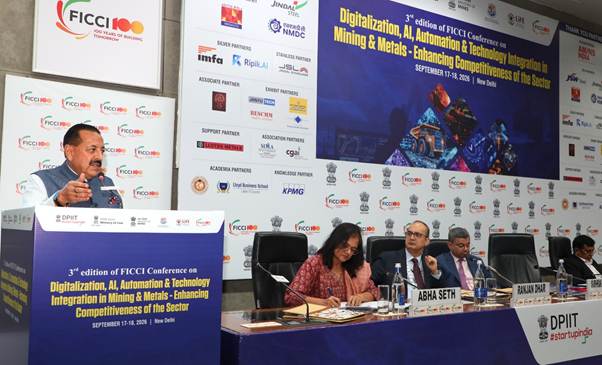
India is seeking to transform its mining and metals sector from one based mainly on the availability of geological resources into one driven by technology, efficiency, innovation and advanced processing capabilities. The direction was outlined on 17 September 2026 at the third edition of the FICCI Conference on Digitalization, AI, Automation & Technology Integration in Mining & Metals, held at FICCI Federation House in New Delhi.
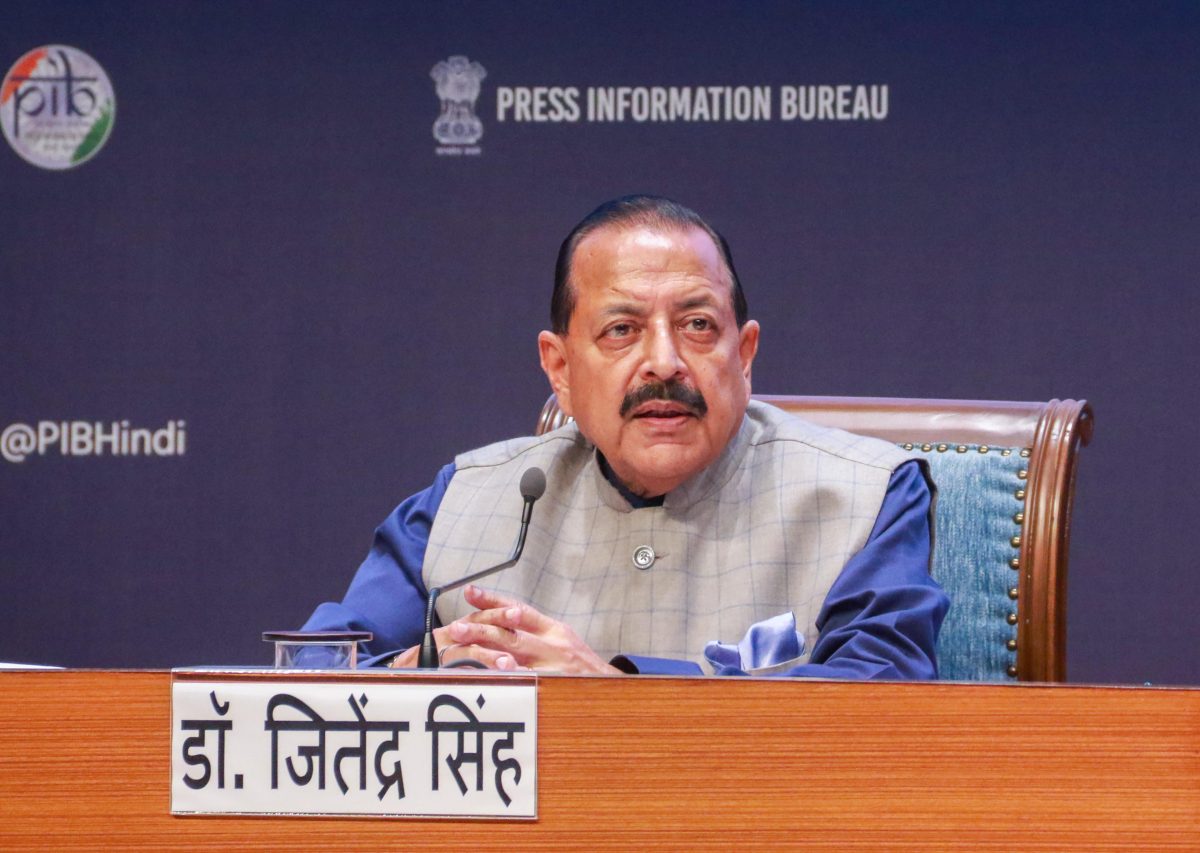
Union Minister of State for Science and Technology Dr Jitendra Singh said that India's future competitiveness in mining and metals would increasingly depend not simply on how much mineral is extracted or how much metal is produced, but on how efficiently, safely, sustainably and intelligently geological resources are converted into high-value products and resilient supply chains.
This represents an important change in the way the mining sector is viewed. Traditionally, a mineral-rich country could gain an advantage from the size of its reserves. In the modern global economy, however, possessing raw minerals does not automatically translate into strategic or economic strength. Technologies for exploration, extraction, beneficiation, separation, purification, refining, advanced-material production, recycling and downstream manufacturing determine how much value a country can ultimately derive from its mineral resources.
The government therefore wants technology to be integrated across the entire mineral-resource-to-metals-to-downstream value chain. Digital systems can combine geological, operational, equipment, processing, energy, logistics and market data. When these different datasets are integrated, mining companies can potentially make faster and more precise decisions using improved visibility, prediction, coordination and automation.
Artificial Intelligence can play an important role in this transformation. AI-based systems can analyse large volumes of geological and operational data, identify patterns and support predictive decision-making. In mining operations, digital technologies can be used for areas such as exploration analysis, equipment monitoring, predictive maintenance, operational optimisation and resource planning. Automation and robotics can also reduce human exposure to some hazardous operations while improving consistency and productivity.
The transformation is particularly relevant because the mining industry faces several structural challenges. These include declining ore grades, deeper and more complex mineral deposits, high energy and logistics costs, concentration of critical-mineral supply chains in a limited number of countries, decarbonisation requirements and changing expectations from customers and industries. These pressures make technological capability increasingly important.
Process technology is another major component of the strategy. Improved extraction and recovery techniques can potentially make it economical to process lower-grade ores and recover valuable material from residues that might otherwise be treated as waste. Better technologies can also reduce water and energy intensity, support lower-carbon metal production and improve capabilities in mineral separation and refining.
India is placing particular emphasis on building domestic capabilities in separation, purification, refining, advanced materials, magnet manufacturing and recycling. This has strategic significance because several modern industries depend not simply on access to mineral ore but on access to processed materials and specialised components. Electric mobility, renewable-energy systems, electronics, defence technologies and advanced manufacturing can all depend on sophisticated mineral-processing supply chains.
The conference also highlighted the role of the National Mission on Interdisciplinary Cyber-Physical Systems. Under the mission, 25 Technology Innovation Hubs have been established. According to the Ministry of Science and Technology, these hubs provide platforms for technology translation, entrepreneurship and collaboration with industry in areas relevant to smart mines, industrial plants and supply chains.
Cyber-Physical Systems combine physical processes with computing, sensing, communication and control technologies. In a smart mine, for example, sensors can continuously collect information from machinery and operations. Digital systems can analyse the information and support decisions relating to maintenance, safety, production or logistics. The integration of physical equipment with intelligent digital systems is therefore central to concepts such as smart manufacturing and smart mining.
Another major element highlighted at the conference was the ₹1 lakh crore Research, Development and Innovation Scheme. The government says the RDI Scheme is intended to encourage greater private-sector participation in high-impact research and development and strategic technologies. According to the Science and Technology Ministry, the scheme can support transformative projects at Technology Readiness Level 4 and above through mechanisms including long-term financing, equity support for start-ups and deep-tech funding.
Technology Readiness Levels, commonly abbreviated as TRLs, provide a framework for describing how mature a technology is. At lower levels, a technology may exist primarily as a scientific concept or laboratory experiment. As it progresses through successive readiness levels, it moves towards validation, demonstration and eventual commercial deployment. Supporting technologies from TRL 4 and above can therefore help bridge the difficult transition between laboratory research and industrial-scale application.
This transition is particularly important in deep technology. India has a large scientific and engineering research ecosystem, but successful innovation requires more than publishing research or obtaining patents. A technology must be tested, validated, manufactured economically, accepted by industry and eventually deployed at commercial scale. The government is consequently emphasising the movement from laboratory to pilot and from pilot to industrial-scale deployment.
The Ministry of Science and Technology identified advanced materials, Artificial Intelligence, robotics, cyber-physical systems, sensing technologies, clean energy, biotechnology, geospatial technologies and deep-tech entrepreneurship as areas through which scientific capabilities can be connected with industrial requirements.
The mining sector provides a useful example of how several of these technologies can converge. Geospatial technology and advanced sensors can support mineral exploration. AI can analyse geological and operational datasets. Robotics and autonomous equipment can assist operations in hazardous environments. Digital twins and cyber-physical systems can support monitoring and optimisation. Advanced process technologies can improve recovery rates, while recycling technology can help recover strategically important materials from end-of-life products and industrial waste.
Recycling is especially important in the context of critical minerals and the circular economy. A linear mineral economy follows the pattern of extraction, production, consumption and disposal. A circular approach seeks to recover valuable materials and return them to productive use. Improved recycling can reduce pressure on primary mining, lower waste generation and provide an additional domestic source of strategically important materials.
The conference also highlighted the importance of solutions suited to Indian operating conditions. Mining technology developed for one country cannot always be transferred directly without modification. India's geology is varied, many industrial facilities are brownfield plants, environmental conditions can be demanding, and technologies must remain affordable and scalable. Interoperability with existing systems is also important.
The government has therefore called for closer collaboration among industry, laboratories, universities, Technology Innovation Hubs, start-ups and investors. Industrial organisations can identify practical problems, while research institutions and technology companies can develop and test potential solutions. Test facilities, industrial data and risk capital are then needed to take promising technologies beyond prototypes.
For competitive-examination students, the development connects several major current-affairs themes: Artificial Intelligence, critical minerals, deep technology, cyber-physical systems, circular economy, advanced materials, Research and Development, mineral security and India's manufacturing strategy. It also demonstrates why critical-mineral security involves much more than discovering mineral deposits. Exploration, processing, refining, recycling, technology, intellectual property and resilient supply chains are all part of the larger strategic picture.
क्या हुआ?
भारत अपने खनन और धातु क्षेत्र को मुख्य रूप से भूवैज्ञानिक संसाधनों की उपलब्धता पर आधारित व्यवस्था से आगे बढ़ाकर प्रौद्योगिकी, दक्षता, नवाचार और उन्नत प्रसंस्करण क्षमताओं पर आधारित क्षेत्र में परिवर्तित करने की दिशा में कार्य कर रहा है। इस दिशा को 17 सितंबर 2026 को नई दिल्ली के FICCI Federation House में आयोजित Digitalization, AI, Automation & Technology Integration in Mining & Metals सम्मेलन के तीसरे संस्करण में रेखांकित किया गया।
केंद्रीय विज्ञान एवं प्रौद्योगिकी राज्य मंत्री डॉ. जितेंद्र सिंह के अनुसार भविष्य में भारत के खनन और धातु क्षेत्र की प्रतिस्पर्धात्मक क्षमता केवल इस बात से निर्धारित नहीं होगी कि देश कितना खनिज निकालता है अथवा कितना धातु उत्पादन करता है। अधिक महत्वपूर्ण यह होगा कि भारत अपने भूवैज्ञानिक संसाधनों को कितनी दक्षता, सुरक्षा, स्थिरता और बुद्धिमत्तापूर्ण तकनीक के माध्यम से उच्च मूल्य वाले उत्पादों तथा मजबूत आपूर्ति शृंखलाओं में परिवर्तित कर सकता है।
यह खनन क्षेत्र को देखने के दृष्टिकोण में महत्वपूर्ण परिवर्तन है। पारंपरिक रूप से किसी देश के पास बड़े खनिज भंडार होना उसकी प्रमुख ताकत माना जाता था। आधुनिक वैश्विक अर्थव्यवस्था में केवल कच्चे खनिजों का भंडार होना आर्थिक अथवा सामरिक शक्ति की गारंटी नहीं है। अन्वेषण, खनन, खनिज संवर्धन, पृथक्करण, शुद्धिकरण, परिष्करण, उन्नत सामग्री निर्माण, पुनर्चक्रण और अंतिम उत्पाद निर्माण से संबंधित तकनीक यह निर्धारित करती है कि देश अपने खनिज संसाधनों से कितना वास्तविक मूल्य प्राप्त कर सकता है।
इसी कारण सरकार खनिज संसाधन से लेकर धातु और अंतिम विनिर्माण तक पूरी मूल्य शृंखला में प्रौद्योगिकी के एकीकरण पर जोर दे रही है। डिजिटल प्रणालियाँ भूवैज्ञानिक, परिचालन, उपकरण, प्रसंस्करण, ऊर्जा, रसद और बाजार से संबंधित आँकड़ों को एक साथ जोड़ सकती हैं। इन आँकड़ों के एकीकरण से बेहतर पूर्वानुमान, समन्वय और स्वचालन के माध्यम से अधिक सटीक निर्णय लिए जा सकते हैं।
कृत्रिम बुद्धिमत्ता इस परिवर्तन में महत्वपूर्ण भूमिका निभा सकती है। AI आधारित प्रणालियाँ विशाल मात्रा में भूवैज्ञानिक और परिचालन आँकड़ों का विश्लेषण कर सकती हैं, उनमें पैटर्न पहचान सकती हैं और पूर्वानुमान आधारित निर्णय लेने में सहायता कर सकती हैं। खनन क्षेत्र में इसका उपयोग अन्वेषण विश्लेषण, उपकरण निगरानी, पूर्वानुमान आधारित रखरखाव, परिचालन अनुकूलन और संसाधन योजना जैसे क्षेत्रों में किया जा सकता है। स्वचालन और रोबोटिक्स कुछ खतरनाक कार्यों में मानव जोखिम को कम करने में भी सहायता कर सकते हैं।
यह परिवर्तन इसलिए भी महत्वपूर्ण है क्योंकि खनन उद्योग कई संरचनात्मक चुनौतियों का सामना कर रहा है। इनमें खनिज अयस्क की घटती गुणवत्ता, अधिक गहराई और जटिलता वाले खनिज भंडार, ऊर्जा तथा रसद की लागत, सीमित देशों में Critical Mineral Supply Chains का संकेंद्रण, कार्बन उत्सर्जन कम करने की आवश्यकता और उद्योगों की बदलती अपेक्षाएँ शामिल हैं। इन परिस्थितियों में तकनीकी क्षमता का महत्व लगातार बढ़ रहा है।
प्रसंस्करण तकनीक इस रणनीति का एक अन्य महत्वपूर्ण भाग है। बेहतर Extraction और Recovery Technology के माध्यम से कम गुणवत्ता वाले अयस्क से भी उपयोगी खनिज प्राप्त करना आर्थिक रूप से संभव हो सकता है। औद्योगिक अवशेषों से मूल्यवान पदार्थों को पुनः प्राप्त किया जा सकता है। उन्नत तकनीक पानी और ऊर्जा की खपत कम करने, कम कार्बन वाले धातु उत्पादन तथा खनिज पृथक्करण और परिष्करण क्षमताओं को मजबूत करने में सहायता कर सकती है।
भारत पृथक्करण, शुद्धिकरण, परिष्करण, उन्नत सामग्री, Magnet Manufacturing और Recycling में घरेलू क्षमताएँ विकसित करने पर विशेष ध्यान दे रहा है। इसका सामरिक महत्व है क्योंकि आधुनिक उद्योगों के लिए केवल खनिज अयस्क की उपलब्धता पर्याप्त नहीं होती। Electric Mobility, Renewable Energy Systems, Electronics, Defence Technology और Advanced Manufacturing जैसे क्षेत्रों के लिए प्रसंस्कृत सामग्री तथा विशेष घटकों की आवश्यकता होती है।
सम्मेलन में National Mission on Interdisciplinary Cyber-Physical Systems की भूमिका पर भी प्रकाश डाला गया। इस मिशन के अंतर्गत 25 Technology Innovation Hubs स्थापित किए गए हैं। विज्ञान एवं प्रौद्योगिकी मंत्रालय के अनुसार ये केंद्र Smart Mines, Industrial Plants और Supply Chains से संबंधित क्षेत्रों में Technology Translation, Entrepreneurship और Industry Collaboration के लिए मंच प्रदान करते हैं।
Cyber-Physical Systems भौतिक प्रक्रियाओं को Computing, Sensors, Communication और Control Technology के साथ जोड़ते हैं। उदाहरण के लिए Smart Mine में सेंसर मशीनों और खनन गतिविधियों से लगातार जानकारी एकत्र कर सकते हैं। डिजिटल प्रणाली इस जानकारी का विश्लेषण करके रखरखाव, सुरक्षा, उत्पादन अथवा रसद से संबंधित निर्णय लेने में सहायता कर सकती है। इस प्रकार भौतिक उपकरणों और बुद्धिमान डिजिटल प्रणालियों का एकीकरण Smart Manufacturing और Smart Mining की मूल अवधारणा है।
सम्मेलन में ₹1 लाख करोड़ की Research, Development and Innovation Scheme पर भी विशेष जोर दिया गया। सरकार के अनुसार RDI Scheme का उद्देश्य उच्च प्रभाव वाले अनुसंधान एवं विकास तथा सामरिक तकनीकों में निजी क्षेत्र की भागीदारी बढ़ाना है। विज्ञान एवं प्रौद्योगिकी मंत्रालय के अनुसार यह योजना Technology Readiness Level 4 और उससे ऊपर की परिवर्तनकारी परियोजनाओं को दीर्घकालिक वित्तपोषण, Start-ups के लिए Equity Support और Deep-Tech Funding जैसे माध्यमों से सहायता प्रदान कर सकती है।
Technology Readiness Level किसी तकनीक की परिपक्वता का आकलन करने की व्यवस्था है। शुरुआती स्तर पर तकनीक वैज्ञानिक अवधारणा अथवा प्रयोगशाला प्रयोग के रूप में हो सकती है। आगे बढ़ने पर उसका सत्यापन और प्रदर्शन किया जाता है तथा अंततः उसे व्यावसायिक उपयोग के लिए तैयार किया जाता है। इसलिए TRL 4 और उससे ऊपर की तकनीकों को समर्थन देना प्रयोगशाला अनुसंधान और औद्योगिक उपयोग के बीच की कठिन दूरी को कम करने में सहायता कर सकता है।
Deep Technology के संदर्भ में यह परिवर्तन विशेष रूप से महत्वपूर्ण है। भारत में व्यापक वैज्ञानिक और इंजीनियरिंग अनुसंधान व्यवस्था है, लेकिन सफल नवाचार केवल शोधपत्र प्रकाशित करने अथवा Patent प्राप्त करने तक सीमित नहीं होता। तकनीक का परीक्षण, सत्यापन, आर्थिक रूप से उत्पादन, उद्योग द्वारा स्वीकार किया जाना और अंततः बड़े पैमाने पर उपयोग आवश्यक है। इसलिए प्रयोगशाला से Pilot और Pilot से Industrial Scale तक तकनीक को पहुँचाने पर जोर दिया जा रहा है।
विज्ञान एवं प्रौद्योगिकी मंत्रालय ने Advanced Materials, Artificial Intelligence, Robotics, Cyber-Physical Systems, Sensing Technology, Clean Energy, Biotechnology, Geospatial Technology और Deep-Tech Entrepreneurship जैसे क्षेत्रों को वैज्ञानिक क्षमता और औद्योगिक आवश्यकताओं के बीच महत्वपूर्ण सेतु के रूप में रेखांकित किया है।
खनन क्षेत्र यह समझने का अच्छा उदाहरण है कि विभिन्न आधुनिक तकनीकें एक साथ कैसे काम कर सकती हैं। Geospatial Technology और Advanced Sensors खनिज अन्वेषण में सहायता कर सकते हैं। AI भूवैज्ञानिक और परिचालन आँकड़ों का विश्लेषण कर सकता है। Robotics और Autonomous Equipment खतरनाक क्षेत्रों में कार्य करने में सहायता कर सकते हैं। Cyber-Physical Systems निगरानी और अनुकूलन में उपयोगी हो सकते हैं। उन्नत Processing Technology Recovery Rate बढ़ा सकती है, जबकि Recycling Technology उपयोग समाप्त कर चुके उत्पादों और औद्योगिक कचरे से महत्वपूर्ण पदार्थों को वापस प्राप्त कर सकती है।
Critical Minerals और Circular Economy के संदर्भ में Recycling विशेष रूप से महत्वपूर्ण है। रैखिक खनिज अर्थव्यवस्था में खनन, उत्पादन, उपभोग और अंततः निपटान की प्रक्रिया होती है। Circular Economy में मूल्यवान पदार्थों को पुनः प्राप्त करके उन्हें फिर से उत्पादन प्रक्रिया में लाने का प्रयास किया जाता है। इससे प्राथमिक खनन पर दबाव और अपशिष्ट दोनों कम किए जा सकते हैं तथा सामरिक रूप से महत्वपूर्ण पदार्थों का एक अतिरिक्त घरेलू स्रोत प्राप्त हो सकता है।
सम्मेलन में भारतीय परिस्थितियों के अनुरूप तकनीकी समाधान विकसित करने पर भी जोर दिया गया। किसी अन्य देश के लिए विकसित Mining Technology को बिना परिवर्तन के भारत में लागू करना हमेशा संभव नहीं होता। भारत की भूवैज्ञानिक परिस्थितियाँ विविध हैं, अनेक औद्योगिक इकाइयाँ पहले से स्थापित Brownfield Plants हैं और पर्यावरणीय परिस्थितियाँ चुनौतीपूर्ण हो सकती हैं। तकनीक को किफायती, बड़े पैमाने पर लागू करने योग्य और मौजूदा प्रणालियों के साथ संगत होना आवश्यक है।
इसी कारण सरकार ने उद्योग, प्रयोगशालाओं, विश्वविद्यालयों, Technology Innovation Hubs, Start-ups और निवेशकों के बीच अधिक सहयोग की आवश्यकता बताई है। उद्योग वास्तविक समस्याओं की पहचान कर सकता है, जबकि अनुसंधान संस्थान और तकनीकी कंपनियाँ उनके समाधान विकसित और परीक्षण कर सकती हैं। इसके बाद Test Facilities, Industrial Data और Risk Capital के माध्यम से सफल तकनीकों को Prototype से बड़े पैमाने के व्यावसायिक उपयोग तक पहुँचाया जा सकता है।
प्रतियोगी परीक्षाओं की दृष्टि से यह विकास Artificial Intelligence, Critical Minerals, Deep Technology, Cyber-Physical Systems, Circular Economy, Advanced Materials, Research and Development, Mineral Security और भारत की Manufacturing Strategy जैसे कई महत्वपूर्ण विषयों को जोड़ता है। यह यह भी स्पष्ट करता है कि Critical Mineral Security केवल खनिज भंडार खोजने तक सीमित नहीं है। अन्वेषण, प्रसंस्करण, परिष्करण, पुनर्चक्रण, तकनीक, बौद्धिक संपदा और मजबूत आपूर्ति शृंखला इसके समान रूप से महत्वपूर्ण हिस्से हैं।
Key Facts
• The third FICCI Conference on Digitalization, AI, Automation & Technology Integration in Mining & Metals was held in New Delhi.
• The conference began on 17 September 2026.
• KPMG in India is the knowledge partner for the conference.
• The government has called for technology integration across the mineral-resource-to-metals-to-downstream value chain.
• AI, robotics, cyber-physical systems, sensing and geospatial technologies were identified as important areas.
• India has 25 Technology Innovation Hubs under the National Mission on Interdisciplinary Cyber-Physical Systems.
• The Technology Innovation Hubs support technology translation, entrepreneurship and industry collaboration.
• The ₹1 lakh crore Research, Development and Innovation Scheme seeks to catalyse private-sector participation in high-impact R&D and strategic technologies.
• The RDI Scheme can support transformative projects at Technology Readiness Level 4 and above.
• Support mechanisms mentioned include long-term financing, equity support for start-ups and deep-tech funding.
• India is seeking domestic capabilities in mineral separation, purification and refining.
• Advanced materials and magnet manufacturing are also identified as important capabilities.
• Recycling is a major component of the proposed technology-driven mineral ecosystem.
• Declining ore grades and deeper mineral deposits are among the challenges facing the mining industry.
• Critical-mineral supply-chain concentration and decarbonisation requirements are also driving technology adoption.
मुख्य तथ्य
• Digitalization, AI, Automation & Technology Integration in Mining & Metals पर तीसरा FICCI सम्मेलन नई दिल्ली में आयोजित हुआ।
• सम्मेलन 17 सितंबर 2026 को प्रारंभ हुआ।
• KPMG in India सम्मेलन का Knowledge Partner है।
• सरकार ने Mineral Resource से Metals और Downstream Manufacturing तक पूरी मूल्य शृंखला में तकनीक के एकीकरण पर जोर दिया है।
• AI, Robotics, Cyber-Physical Systems, Sensing और Geospatial Technologies को महत्वपूर्ण क्षेत्रों के रूप में रेखांकित किया गया।
• National Mission on Interdisciplinary Cyber-Physical Systems के अंतर्गत भारत में 25 Technology Innovation Hubs स्थापित हैं।
• Technology Innovation Hubs तकनीकी रूपांतरण, उद्यमिता और उद्योग सहयोग में सहायता करते हैं।
• ₹1 लाख करोड़ की Research, Development and Innovation Scheme का उद्देश्य उच्च प्रभाव वाले R&D और सामरिक तकनीकों में निजी क्षेत्र की भागीदारी बढ़ाना है।
• RDI Scheme Technology Readiness Level 4 और उससे ऊपर की परिवर्तनकारी परियोजनाओं को सहायता प्रदान कर सकती है।
• सहायता के माध्यमों में दीर्घकालिक वित्तपोषण, Start-ups के लिए Equity Support और Deep-Tech Funding शामिल हैं।
• भारत Mineral Separation, Purification और Refining में घरेलू क्षमताएँ विकसित करना चाहता है।
• Advanced Materials और Magnet Manufacturing को भी महत्वपूर्ण क्षमताओं में शामिल किया गया है।
• Recycling तकनीक आधारित खनिज व्यवस्था का महत्वपूर्ण हिस्सा है।
• घटती Ore Grades और अधिक गहराई वाले Mineral Deposits खनन उद्योग की चुनौतियों में शामिल हैं।
• Critical Mineral Supply Chains का संकेंद्रण और Decarbonisation की आवश्यकता भी तकनीक अपनाने को बढ़ावा दे रही है।
Background
Modern mineral security extends beyond ownership of geological reserves. Countries also require exploration technology, efficient extraction, processing, separation, refining, advanced-material manufacturing and recycling capabilities. This is especially important for critical minerals used in electronics, clean-energy systems, electric mobility, defence and advanced manufacturing. India's technology strategy therefore seeks to connect scientific research, start-ups, industry, digital infrastructure and manufacturing capabilities across the mineral value chain.
पृष्ठभूमि
आधुनिक Mineral Security केवल भूवैज्ञानिक भंडारों के स्वामित्व तक सीमित नहीं है। देशों को अन्वेषण तकनीक, कुशल खनन, प्रसंस्करण, पृथक्करण, परिष्करण, उन्नत सामग्री निर्माण और पुनर्चक्रण की क्षमता भी आवश्यक होती है। Electronics, Clean-Energy Systems, Electric Mobility, Defence और Advanced Manufacturing में उपयोग होने वाले Critical Minerals के लिए यह विशेष रूप से महत्वपूर्ण है। इसलिए भारत की तकनीकी रणनीति वैज्ञानिक अनुसंधान, Start-ups, उद्योग, डिजिटल अवसंरचना और विनिर्माण क्षमताओं को पूरी Mineral Value Chain में जोड़ने का प्रयास करती है।
Why It Matters
The development matters because critical-mineral competitiveness increasingly depends on technology and processing capability rather than raw-resource availability alone. AI, automation and advanced process technologies can improve productivity, recovery, safety and resource efficiency. Domestic separation, refining, advanced-material and recycling capabilities can also make supply chains more resilient. The ₹1 lakh crore RDI Scheme is relevant because financing the difficult transition from laboratory research to commercially deployable technology remains a major challenge for deep-tech innovation.
यह क्यों महत्वपूर्ण है?
यह विकास इसलिए महत्वपूर्ण है क्योंकि Critical Minerals में प्रतिस्पर्धात्मक क्षमता अब केवल कच्चे संसाधनों की उपलब्धता पर निर्भर नहीं करती। AI, Automation और Advanced Processing Technologies उत्पादकता, Recovery, सुरक्षा और संसाधन दक्षता को बेहतर बना सकती हैं। घरेलू Separation, Refining, Advanced Materials और Recycling क्षमताएँ Supply Chains को अधिक मजबूत बना सकती हैं। ₹1 लाख करोड़ की RDI Scheme इसलिए महत्वपूर्ण है क्योंकि प्रयोगशाला अनुसंधान को व्यावसायिक रूप से उपयोगी तकनीक में बदलने के लिए आवश्यक वित्तपोषण Deep-Tech Innovation की प्रमुख चुनौतियों में से एक है।
Exam Connection
Important for UPSC Prelims, GS-III Science & Technology, Economy and Environment, SSC, Railway and State PCS. Remember: ₹1 lakh crore Research, Development and Innovation Scheme; Technology Readiness Level 4 and above; 25 Technology Innovation Hubs under the National Mission on Interdisciplinary Cyber-Physical Systems; and the focus areas of AI, robotics, cyber-physical systems, advanced materials, sensing, geospatial technologies and recycling. Students should also understand the difference between possessing mineral reserves and controlling the complete mineral value chain.
परीक्षा से संबंध
UPSC प्रारंभिक परीक्षा, GS-III विज्ञान एवं प्रौद्योगिकी, अर्थव्यवस्था और पर्यावरण, SSC, Railway तथा State PCS के लिए महत्वपूर्ण। याद रखें: ₹1 लाख करोड़ की Research, Development and Innovation Scheme; Technology Readiness Level 4 और उससे ऊपर; National Mission on Interdisciplinary Cyber-Physical Systems के अंतर्गत 25 Technology Innovation Hubs; तथा AI, Robotics, Cyber-Physical Systems, Advanced Materials, Sensing, Geospatial Technologies और Recycling जैसे प्रमुख क्षेत्र। विद्यार्थियों को Mineral Reserves रखने और पूरी Mineral Value Chain पर क्षमता विकसित करने के बीच अंतर भी समझना चाहिए।