India–Sweden LeadIT 3.0 at COP31 | भारत–स्वीडन LeadIT 3.0
Green Steel • Low-Carbon Cement • Climate Finance • Brazil Joins • UPSC / SSC / Railway
News date: 17 November 2026 | Source: Ministry of Environment, Forest and Climate Change, Government of India
PART I — COMPLETE ENGLISH ARTICLE
1. What happened at COP31?
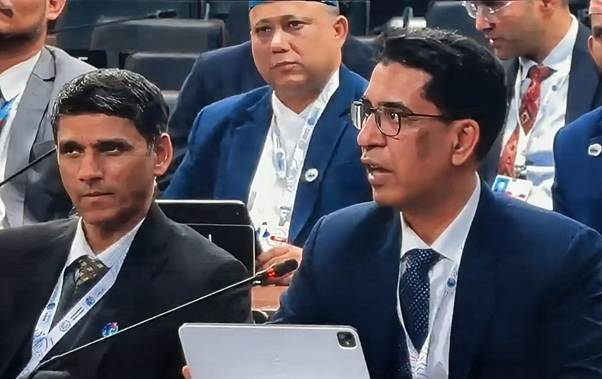
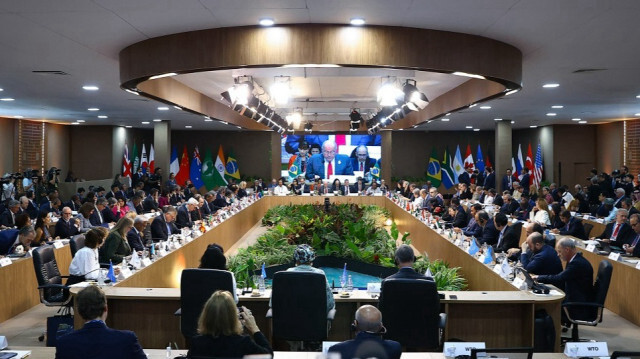
On 17 November 2026, India and Sweden launched LeadIT 3.0 at the UN climate conference COP31 in Antalya, Türkiye. India’s environment minister Bhupender Yadav and Sweden’s State Secretary Helena Dyrssen co-chaired the industry roundtable. Brazil was welcomed as the newest country member. This is an industrial cooperation initiative, not a treaty that automatically imposes binding emissions limits on every participant.
2. What is LeadIT?
LeadIT means Leadership Group for Industry Transition. India and Sweden launched it in 2019 with support from the World Economic Forum. Its purpose is to help heavy industries adopt low-carbon technologies through collaboration among governments and companies. The November 2026 announcement reported a membership of 20 countries and 33 companies.
3. What is new in Phase 3?
LeadIT 3.0 covers 2027–2030. Earlier work emphasised dialogue, feasibility and pre-pilot cooperation. The new phase seeks to scale projects, mobilise capital, reduce financing risks, and deliver measurable industrial outcomes. The announcement describes objectives for the coming years; it does not mean every proposed project has already been built.
4. Three priorities
The three priorities are: first, technology development and diffusion through industrial projects; second, capital mobilisation and de-risking so viable projects can attract finance; and third, capacity building and policy support, including carbon markets and a fair workforce transition. These pillars connect innovation with real-world adoption.
5. Why steel and cement are difficult to decarbonise
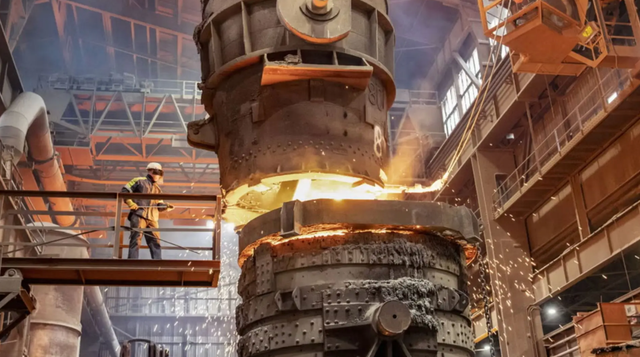
Steel and cement are called hard-to-abate sectors because some emissions arise from very high-temperature processes and chemical reactions, not only from electricity use. Conventional ironmaking uses carbon-based reducing agents, while cement clinker production releases carbon dioxide when limestone is heated. Replacing electricity alone cannot remove all these process emissions.
6. Green hydrogen and cleaner ironmaking
Green hydrogen generally refers to hydrogen produced by water electrolysis using renewable electricity. It may replace some fossil-based reducing agents in direct-reduced iron production when suitable infrastructure and economics exist. However, emissions benefits depend on the electricity source, production process, transport and plant design. LeadIT cited hydrogen-based ironmaking among its project areas.
7. Cleaner cement and carbon capture
Possible approaches include replacing part of the clinker with suitable supplementary materials, improving energy efficiency, electrifying some heat processes and capturing carbon dioxide from industrial exhaust. Carbon capture and utilisation or storage require careful assessment of energy use, permanence, cost and lifecycle emissions. LeadIT has supported exploratory work on clinker substitution and carbon capture.
8. Previous projects and the India–Sweden partnership
According to the ministry, LeadIT’s second phase facilitated 11 pre-pilot projects in steel and cement under the India–Sweden Industry Transition Partnership. Areas included industrial heat electrification, hydrogen-based ironmaking, carbon capture, industrial circularity and artificial intelligence applications to reduce cement demand. Pre-pilot means early-stage preparation or testing, not completed commercial deployment.
9. Brazil and the Global South
Brazil’s entry expands participation from emerging economies. Countries with growing infrastructure needs must balance industrial development, employment, affordable energy and emissions reduction. Technology transfer, concessional finance and risk-sharing can make cleaner industrial investments more feasible, but success depends on project implementation and policy conditions.
10. India’s climate figures: interpret carefully
At the launch, the Indian minister cited a 37.38% reduction in emissions intensity between 2005 and 2022 and attainment of 50% non-fossil-based installed electricity capacity. Emissions intensity measures emissions relative to economic output; a fall in intensity does not necessarily mean absolute emissions have fallen. Installed capacity is also different from electricity actually generated.
11. UPSC and government exam relevance
For UPSC Prelims, remember LeadIT’s full form, founding countries, launch year 2019, COP31 venue Antalya in Türkiye, Brazil’s new membership, and LeadIT 3.0 period 2027–2030. For Mains GS-III, connect industrial decarbonisation with climate finance, technology transfer, energy security, sustainable manufacturing and a just transition. SSC and Railway examinations may test abbreviations, countries, years and environmental concepts.
12. What should be watched next?
The important test is whether the 2027–2030 phase results in financed demonstration projects, commercial replication, independently measured emissions savings and workforce benefits. Announcements about partnerships should not be confused with already achieved reductions. Readers should track project-level milestones and transparent reporting.
भाग II — संपूर्ण हिन्दी लेख
1. COP31 में क्या हुआ?
17 नवंबर 2026 को भारत और स्वीडन ने तुर्किये के अंताल्या में आयोजित संयुक्त राष्ट्र जलवायु सम्मेलन COP31 के दौरान LeadIT 3.0 का शुभारंभ किया। भारत के पर्यावरण मंत्री भूपेंद्र यादव और स्वीडन की राज्य सचिव हेलेना डायरसेन ने औद्योगिक बैठक की सह-अध्यक्षता की। ब्राज़ील नए सदस्य देश के रूप में शामिल हुआ। यह औद्योगिक सहयोग की पहल है, सभी भागीदारों पर स्वतः बाध्यकारी उत्सर्जन सीमा लगाने वाली संधि नहीं।
2. LeadIT क्या है?
LeadIT का पूरा नाम Leadership Group for Industry Transition अर्थात औद्योगिक परिवर्तन के लिए नेतृत्व समूह है। भारत और स्वीडन ने विश्व आर्थिक मंच के सहयोग से इसे 2019 में शुरू किया था। इसका उद्देश्य सरकारों और कंपनियों के बीच सहयोग द्वारा भारी उद्योगों में कम कार्बन उत्सर्जन वाली तकनीकों को बढ़ावा देना है। नवंबर 2026 की घोषणा के अनुसार इसमें 20 देश और 33 कंपनियाँ थीं।
3. तीसरे चरण में नया क्या है?
LeadIT 3.0 की अवधि 2027 से 2030 तक है। पहले के चरणों में संवाद, व्यवहार्यता अध्ययन और प्रारंभिक परियोजनाओं पर जोर था। नए चरण में परियोजनाओं का विस्तार, पूँजी जुटाना, निवेश जोखिम कम करना और मापनीय परिणाम प्राप्त करना प्रमुख लक्ष्य हैं। घोषणा भविष्य के उद्देश्यों को बताती है; इसका अर्थ यह नहीं कि सभी प्रस्तावित परियोजनाएँ पहले ही बन चुकी हैं।
4. तीन प्रमुख प्राथमिकताएँ
तीन प्राथमिकताएँ हैं: पहली, औद्योगिक परियोजनाओं के माध्यम से प्रौद्योगिकी का विकास और प्रसार; दूसरी, पूँजी जुटाना तथा निवेश का जोखिम कम करना; तीसरी, क्षमता निर्माण और नीतिगत सहायता, जिसमें कार्बन बाज़ार तथा श्रमिकों के न्यायसंगत परिवर्तन पर ध्यान शामिल है। इनसे नवाचार को व्यावहारिक उपयोग से जोड़ने का प्रयास किया जाता है।
5. इस्पात और सीमेंट में उत्सर्जन घटाना कठिन क्यों है?
इस्पात और सीमेंट को उत्सर्जन घटाने की दृष्टि से कठिन क्षेत्र कहा जाता है क्योंकि इनके कुछ उत्सर्जन अत्यधिक तापमान वाली प्रक्रियाओं और रासायनिक अभिक्रियाओं से उत्पन्न होते हैं, केवल बिजली के उपयोग से नहीं। पारंपरिक लौह उत्पादन में कार्बन आधारित अपचायक प्रयुक्त होते हैं, जबकि सीमेंट क्लिंकर बनाने में चूना पत्थर गर्म करने पर कार्बन डाइऑक्साइड निकलती है। केवल बिजली बदल देने से सभी प्रक्रिया-संबंधी उत्सर्जन समाप्त नहीं होते।
6. हरित हाइड्रोजन और स्वच्छ लौह उत्पादन
हरित हाइड्रोजन सामान्यतः नवीकरणीय बिजली से जल के विद्युत अपघटन द्वारा उत्पादित हाइड्रोजन है। उपयुक्त ढाँचे और लागत की स्थिति में यह प्रत्यक्ष अपचयित लौह उत्पादन में कुछ जीवाश्म ईंधन आधारित अपचायकों का विकल्प बन सकती है। लेकिन वास्तविक उत्सर्जन लाभ बिजली के स्रोत, उत्पादन प्रक्रिया, परिवहन और संयंत्र की बनावट पर निर्भर करता है। LeadIT ने हाइड्रोजन आधारित लौह उत्पादन को परियोजना क्षेत्रों में शामिल बताया है।
7. स्वच्छ सीमेंट और कार्बन संग्रहण
संभावित उपायों में क्लिंकर के कुछ भाग के स्थान पर उपयुक्त पूरक पदार्थों का उपयोग, ऊर्जा दक्षता बढ़ाना, कुछ तापीय प्रक्रियाओं का विद्युतीकरण और औद्योगिक गैसों से कार्बन डाइऑक्साइड पकड़ना शामिल है। कार्बन संग्रहण और उपयोग अथवा भंडारण में ऊर्जा खपत, स्थायित्व, लागत और पूरे जीवनचक्र के उत्सर्जन का मूल्यांकन आवश्यक है। LeadIT ने क्लिंकर प्रतिस्थापन और कार्बन संग्रहण संबंधी प्रारंभिक कार्यों को समर्थन दिया है।
8. पूर्व परियोजनाएँ और भारत–स्वीडन साझेदारी
मंत्रालय के अनुसार दूसरे चरण में भारत–स्वीडन औद्योगिक परिवर्तन साझेदारी के अंतर्गत इस्पात और सीमेंट में 11 पूर्व-पायलट परियोजनाओं को सहयोग मिला। इनमें औद्योगिक ताप का विद्युतीकरण, हाइड्रोजन आधारित लौह उत्पादन, कार्बन संग्रहण, औद्योगिक चक्रीय अर्थव्यवस्था और सीमेंट की माँग कम करने के लिए कृत्रिम बुद्धिमत्ता के उपयोग जैसे विषय शामिल थे। पूर्व-पायलट का अर्थ प्रारंभिक तैयारी या परीक्षण है, पूर्ण व्यावसायिक संचालन नहीं।
9. ब्राज़ील और वैश्विक दक्षिण
ब्राज़ील के शामिल होने से उभरती अर्थव्यवस्थाओं की भागीदारी बढ़ती है। बढ़ती आधारभूत संरचना की आवश्यकता वाले देशों को औद्योगिक विकास, रोजगार, सस्ती ऊर्जा और उत्सर्जन में कमी के बीच संतुलन बनाना पड़ता है। प्रौद्योगिकी हस्तांतरण, रियायती वित्त और जोखिम साझा करने से स्वच्छ औद्योगिक निवेश संभव हो सकता है, लेकिन सफलता परियोजनाओं के क्रियान्वयन और नीतिगत परिस्थितियों पर निर्भर करेगी।
10. भारत के जलवायु आँकड़े: सही अर्थ समझें
शुभारंभ के अवसर पर भारतीय मंत्री ने 2005 से 2022 के बीच उत्सर्जन तीव्रता में 37.38% कमी और स्थापित विद्युत क्षमता में गैर-जीवाश्म स्रोतों की 50% हिस्सेदारी प्राप्त करने का उल्लेख किया। उत्सर्जन तीव्रता आर्थिक उत्पादन के सापेक्ष उत्सर्जन मापती है; इसमें कमी का अर्थ आवश्यक रूप से कुल उत्सर्जन में कमी नहीं है। स्थापित क्षमता और वास्तविक विद्युत उत्पादन भी अलग-अलग अवधारणाएँ हैं।
11. UPSC तथा सरकारी परीक्षाओं में महत्त्व
UPSC प्रारंभिक परीक्षा के लिए LeadIT का पूरा नाम, संस्थापक देश, प्रारंभ वर्ष 2019, COP31 का स्थल तुर्किये का अंताल्या, ब्राज़ील की नई सदस्यता तथा LeadIT 3.0 की अवधि 2027–2030 याद रखें। मुख्य परीक्षा के सामान्य अध्ययन-III में औद्योगिक कार्बन उत्सर्जन घटाने को जलवायु वित्त, प्रौद्योगिकी हस्तांतरण, ऊर्जा सुरक्षा, सतत विनिर्माण और न्यायसंगत परिवर्तन से जोड़ें। SSC तथा रेलवे परीक्षाओं में संक्षिप्त नाम, देश, वर्ष और पर्यावरण संबंधी अवधारणाएँ उपयोगी हैं।
12. आगे किन बातों पर ध्यान दें?
2027–2030 के चरण की वास्तविक कसौटी यह होगी कि क्या वित्तपोषित प्रदर्शन परियोजनाएँ, व्यावसायिक विस्तार, स्वतंत्र रूप से मापी गई उत्सर्जन बचत और श्रमिकों को लाभ प्राप्त होते हैं। साझेदारी की घोषणा को पहले से हासिल उत्सर्जन कटौती नहीं समझना चाहिए। पाठकों को परियोजना स्तर की प्रगति और पारदर्शी रिपोर्टिंग पर ध्यान देना चाहिए।
Bilingual Practice MCQs | द्विभाषी अभ्यास प्रश्न
Question 1 | प्रश्न 1
English: LeadIT was originally launched by which two countries?
हिन्दी: LeadIT की शुरुआत किन दो देशों ने की थी?
- India and Sweden / भारत और स्वीडन
- India and Brazil / भारत और ब्राज़ील
- Sweden and Germany / स्वीडन और जर्मनी
- India and Japan / भारत और जापान
Answer / उत्तर: A
Explanation: India and Sweden launched LeadIT in 2019.
व्याख्या: भारत और स्वीडन ने 2019 में LeadIT की शुरुआत की थी।
Question 2 | प्रश्न 2
English: Where was LeadIT 3.0 launched in November 2026?
हिन्दी: नवंबर 2026 में LeadIT 3.0 कहाँ शुरू किया गया?
- COP30, Belém / COP30, बेलेम
- COP31, Antalya / COP31, अंताल्या
- G20, New Delhi / G20, नई दिल्ली
- COP29, Baku / COP29, बाकू
Answer / उत्तर: B
Explanation: It was launched at COP31 in Antalya, Türkiye, on 17 November 2026.
व्याख्या: इसे 17 नवंबर 2026 को तुर्किये के अंताल्या में COP31 के दौरान शुरू किया गया।
Question 3 | प्रश्न 3
English: Which country joined LeadIT as its newest country member?
हिन्दी: LeadIT का नवीनतम सदस्य देश कौन बना?
- Norway / नॉर्वे
- South Africa / दक्षिण अफ्रीका
- Brazil / ब्राज़ील
- Canada / कनाडा
Answer / उत्तर: C
Explanation: Brazil joined; the ministry reported 20 countries and 33 companies.
व्याख्या: ब्राज़ील शामिल हुआ; मंत्रालय ने 20 देशों और 33 कंपनियों की सदस्यता बताई।
Question 4 | प्रश्न 4
English: What is the planned period of LeadIT 3.0?
हिन्दी: LeadIT 3.0 की निर्धारित अवधि क्या है?
- 2025–2028 / 2025–2028
- 2026–2029 / 2026–2029
- 2030–2035 / 2030–2035
- 2027–2030 / 2027–2030
Answer / उत्तर: D
Explanation: The third phase covers 2027–2030 and focuses on scaling industrial projects.
व्याख्या: तीसरा चरण 2027–2030 के लिए है और औद्योगिक परियोजनाओं के विस्तार पर केंद्रित है।
Question 5 | प्रश्न 5
English: Which statement correctly distinguishes emissions intensity from absolute emissions?
हिन्दी: उत्सर्जन तीव्रता और कुल उत्सर्जन में सही अंतर क्या है?
- Lower emissions intensity does not always mean lower absolute emissions / उत्सर्जन तीव्रता घटने पर कुल उत्सर्जन का घटना आवश्यक नहीं
- They always fall together / दोनों हमेशा साथ घटते हैं
- Emissions intensity means installed solar capacity / उत्सर्जन तीव्रता का अर्थ स्थापित सौर क्षमता है
- Absolute emissions measure only cement / कुल उत्सर्जन केवल सीमेंट से संबंधित है
Answer / उत्तर: A
Explanation: Intensity measures emissions per unit of economic output, so total emissions may still rise as output grows.
व्याख्या: तीव्रता आर्थिक उत्पादन की प्रति इकाई पर उत्सर्जन मापती है; उत्पादन बढ़ने पर कुल उत्सर्जन फिर भी बढ़ सकता है।
Official sources | आधिकारिक स्रोत
Press Information Bureau, Government of India — 17 November 2026
Government of Sweden — 17 November 2026
Vitorr Classes original educational explainer; technology descriptions include explanatory background beyond the government announcement.
 SSC CGL 2026 Ultimate Chapterwise
 SSC CHSL 2026 Ultimate Chapterwise