What Happened
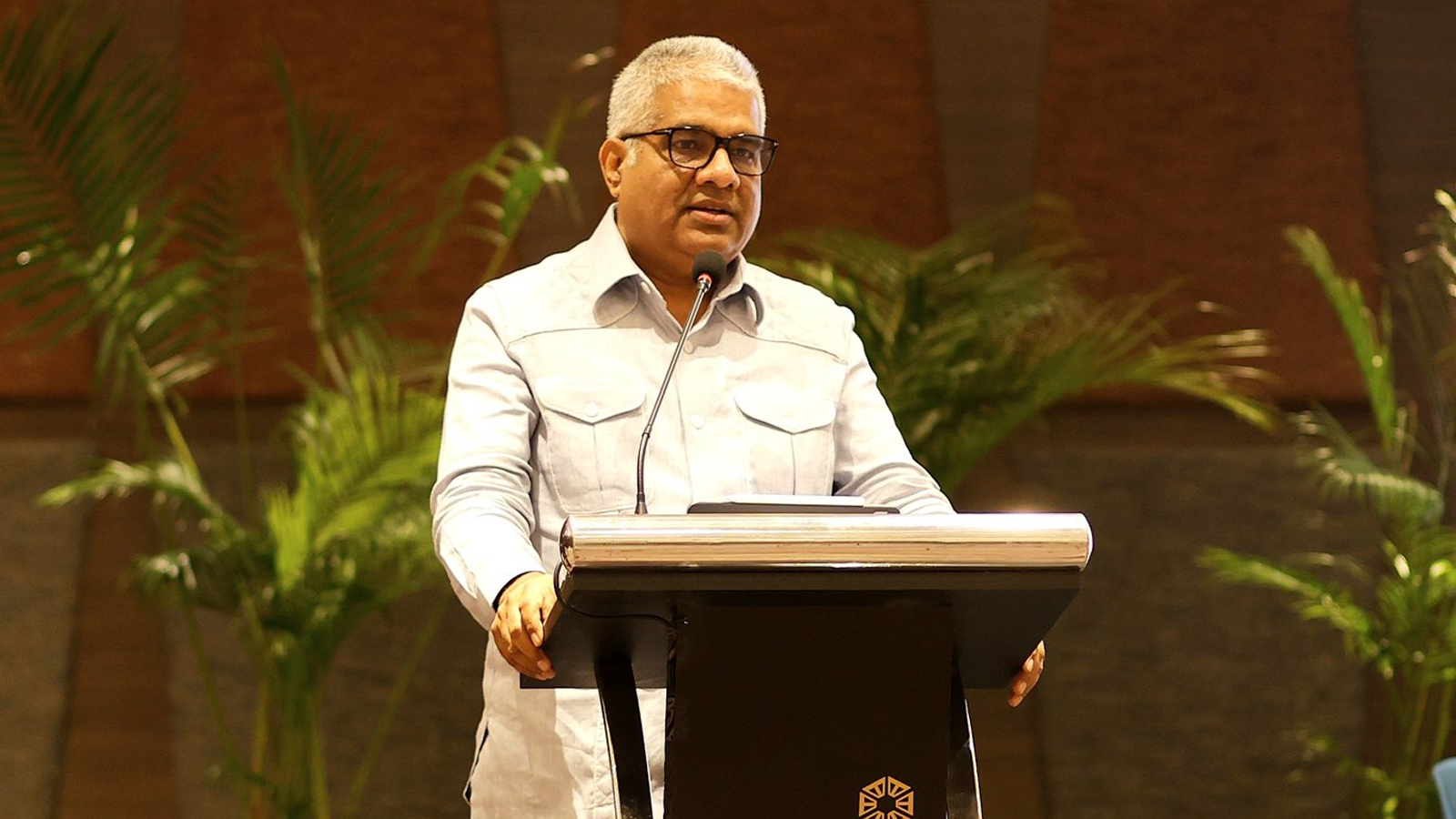
India hosted the Global Conservation Conference of the World Wide Fund for Nature (WWF) in Jaipur, Rajasthan, on 21 September 2026. Union Minister for Environment, Forest and Climate Change Bhupender Yadav inaugurated the conference and addressed representatives from more than 100 countries.
The conference brought attention to wildlife conservation, human-wildlife coexistence, habitat protection, scientific monitoring and the participation of local communities in environmental protection.
According to the Ministry of Environment, Forest and Climate Change, the minister highlighted India's experience in conserving tigers, elephants, rhinoceroses, Asiatic lions and other wildlife species. He also discussed the importance of protecting grasslands, woodlands and wetlands rather than concentrating conservation efforts on forests alone.
The event is relevant to UPSC, SSC, Railway and State PCS examinations because it connects biodiversity conservation with international environmental conventions, protected areas, endangered species, constitutional provisions and community-based environmental management.
1. Where Was the Conference Held?
The WWF Global Conservation Conference was inaugurated in Jaipur, the capital of Rajasthan, on 21 September 2026.
The event was attended by representatives from more than 100 countries. This international participation provided an opportunity to discuss conservation challenges and experiences across different geographical regions.
The conference was inaugurated by Union Environment Minister Bhupender Yadav.
Other dignitaries identified in the official announcement included Ramesh Pandey, Additional Director General (Wildlife) in the Ministry of Environment, Forest and Climate Change; Arijit Banerjee, Head of Forest Force and Principal Chief Conservator of Forest, Rajasthan; Daudi Samba, Chief Conservation Officer at WWF-International; and Ravi Singh, CEO of WWF-India.
The location is an important examination fact. Students should associate this particular conference with Jaipur, Rajasthan, rather than New Delhi or another major Indian city.
2. What Is WWF?
WWF stands for World Wide Fund for Nature. It is an international conservation organisation working on the protection of nature and biodiversity.
Its activities are associated with wildlife, ecosystems, sustainable use of natural resources and the relationship between people and nature.
WWF-International and WWF-India were represented at the Jaipur conference.
Students should distinguish WWF from the United Nations Environment Programme and the International Union for Conservation of Nature. These organisations are all associated with environmental issues, but they are separate institutions with different structures and activities.
3. Conservation and Coexistence
A central message of the conference was the need to connect wildlife conservation with coexistence and local-community participation.
Wildlife conservation involves protecting species, habitats and the ecological processes necessary for their survival.
Coexistence recognises that people and wildlife may share landscapes. Conservation planning must therefore consider both ecological requirements and the needs of communities living in or near wildlife habitats.
For example, an elephant corridor may pass through areas where people cultivate crops, use roads or maintain settlements. Conservation measures in such locations require attention to animal movement and human safety.
The minister called for conservation action that involves local communities rather than treating them as separate from the landscapes being protected.
This approach is relevant to environmental governance because the effectiveness of conservation programmes can depend on local knowledge, public participation and the management of competing land uses.
4. Growth in India's Protected Areas
During his address, the minister stated that the number of protected areas in India had increased from approximately 750 to more than 1,000 over the preceding decade.
Protected areas are geographical spaces designated and managed for conservation objectives under the applicable legal and administrative framework.
India's protected-area system includes national parks and wildlife sanctuaries, among other categories.
The minister's figures describe an approximate change over a decade. They should not be treated as a complete category-wise inventory of every protected area in India.
For examination purposes, remember the reported comparison: approximately 750 protected areas earlier and more than 1,000 at the time of the September 2026 conference.
5. Tiger Reserves Increase from 47 to 58
The minister reported that India's tiger reserves had increased from 47 to 58 over the same broad period.
Tiger reserves are associated with the conservation of tigers and their habitats.
Tiger conservation is not limited to protecting individual animals. It also requires attention to prey species, habitat quality, ecological connectivity and threats affecting the wider landscape.
A tiger population may occupy multiple connected habitats. Protecting corridors between those habitats can help maintain movement and ecological connectivity.
Students should remember the figure of 58 tiger reserves as reported in the minister's address on 21 September 2026. Counts can change when additional reserves are notified, so the date associated with the figure is important.
6. Elephant Reserves Increase from 30 to 33
The minister also stated that the number of elephant reserves had increased from 30 to 33.
Elephants require extensive habitats and may travel across different forest and non-forest areas in search of food, water and suitable conditions.
Their movement can bring them into contact with agricultural land, transport infrastructure and human settlements.
Conservation measures may therefore involve habitat protection, movement corridors, monitoring and efforts to reduce harmful encounters between people and elephants.
The official conference announcement provides the reserve count but does not list the names of all 33 elephant reserves.
7. Ramsar Sites Rise from 24 to 101
Another numerical highlight was the increase in India's Ramsar sites from 24 to 101 over the period described by the minister.
The Ramsar Convention is an international treaty concerned with the conservation and wise use of wetlands.
A Ramsar site is a wetland designated as being of international importance under the Convention.
Wetlands can include different types of water-associated ecosystems. They provide habitats for wildlife and can contribute to water regulation, nutrient cycling and other ecological functions.
The minister's statement identified 101 Ramsar sites in India at the time of the conference. Students should remember that this is a dated figure rather than assume that the number will remain unchanged indefinitely.
8. International Environmental Conventions
The minister identified four international conservation agreements to which India is a party: CITES, CMS, CBD and the Ramsar Convention.
These abbreviations are important for competitive examinations.
CITES stands for the Convention on International Trade in Endangered Species of Wild Fauna and Flora. It concerns international trade in listed wild animals and plants.
CMS stands for the Convention on the Conservation of Migratory Species of Wild Animals. It focuses on the conservation of migratory species and international cooperation relevant to their protection.
CBD stands for the Convention on Biological Diversity. Its principal objectives concern biodiversity conservation, sustainable use and the fair and equitable sharing of benefits arising from the utilisation of genetic resources.
The Ramsar Convention concerns wetlands and their conservation and wise use.
Students should distinguish the main subject of each convention. CITES is particularly associated with international wildlife trade, CMS with migratory species, CBD with biodiversity, and Ramsar with wetlands.
9. Scientific Monitoring of Wildlife
The minister highlighted the role of scientific research and monitoring in India's conservation programmes.
He referred to population estimation exercises involving tigers, elephants, dolphins, lions and snow leopards.
Wildlife population estimation provides information that can help researchers and authorities understand species distribution, population trends and conservation needs.
Such exercises may use different methods depending on the species and habitat. The official conference announcement does not provide a detailed methodology for each of the species mentioned.
Population estimates can inform habitat improvement and decisions concerning ecological corridors.
A corridor is an area that supports movement between habitats. Connectivity can matter for access to resources, dispersal and the long-term functioning of wildlife populations.
The minister also referred to a landscape approach to the conservation of large animal species.
A landscape approach considers ecological relationships across a broader geographical area rather than focusing only on an individual protected-area boundary.
10. Great Indian Bustard Conservation
The Great Indian Bustard was specifically mentioned during the conference.
The minister highlighted conservation breeding efforts for the species in Rajasthan.
The Great Indian Bustard is a large bird associated with open landscapes and grassland habitats.
Its conservation illustrates why grasslands require attention alongside forests and wetlands.
A conservation breeding programme seeks to support the survival of a species through managed breeding under appropriate conditions.
Such programmes are not substitutes for protecting natural habitats. Long-term conservation also depends on addressing threats in the landscapes where the species occurs.
For examinations, remember the association between the Great Indian Bustard, Rajasthan and grassland conservation.
11. What Are Orans?
The minister referred to community-led protection of sacred groves called Orans in Rajasthan.
Orans are traditionally protected community landscapes associated with local cultural and ecological practices.
They can contribute to the protection of vegetation, wildlife habitat and local environmental resources.
The official announcement connected the conservation of Orans with efforts towards land degradation neutrality.
Land degradation neutrality is an approach that seeks to balance losses in the quantity and quality of land resources with measures that prevent, reduce or reverse degradation.
Community participation can be important in such efforts because local residents may possess knowledge of seasonal resource use, traditional protection practices and landscape conditions.
The reference to Orans is a useful example for UPSC questions connecting culture, biodiversity and environmental management.
12. Grasslands, Woodlands and Wetlands
The minister emphasised that conservation should include grasslands as well as woodlands and wetlands.
Grasslands are ecosystems dominated by grasses and other herbaceous vegetation. They can support specialised plants, birds and grazing animals.
Woodlands contain trees but may have a more open structure than dense forests.
Wetlands are ecosystems associated with water and can provide habitats for aquatic and terrestrial species.
These ecosystems perform different ecological functions. Protecting one category does not eliminate the need to conserve the others.
For example, the Great Indian Bustard is associated with open habitats, while wetland conservation may be particularly relevant to waterbirds and aquatic biodiversity.
The minister also referred to ongoing conservation programmes for the one-horned rhinoceros and wild water buffalo.
13. Constitutional Basis of Environmental Protection
The minister described wildlife conservation as both a constitutional and cultural commitment in India.
Two constitutional provisions are particularly important for examinations.
Article 48A is a Directive Principle of State Policy. It directs the State to endeavour to protect and improve the environment and safeguard the forests and wildlife of the country.
Article 51A(g) establishes a Fundamental Duty of citizens to protect and improve the natural environment, including forests, lakes, rivers and wildlife, and to have compassion for living creatures.
The distinction between a Directive Principle and a Fundamental Duty is important. Article 48A addresses the State, while Article 51A(g) addresses citizens.
These provisions provide constitutional context for discussions of environmental responsibility.
14. Why the Jaipur Conference Matters
The conference brought together international conservation representatives and highlighted the relationship between species protection, scientific research and local participation.
The figures reported by the minister show changes in selected components of India's conservation framework, including protected areas, tiger reserves, elephant reserves and Ramsar sites.
However, an increase in the number of designated sites does not by itself measure every aspect of ecological health. Assessing conservation outcomes also requires information about habitat condition, species populations, connectivity and threats.
The discussion of Orans and grasslands is particularly relevant because conservation involves landscapes outside the most familiar forest-based protected areas.
For UPSC General Studies Paper III, this news can be used in answers on biodiversity, environmental conservation and community participation.
For UPSC Prelims, SSC and Railway examinations, the location, date, organisations, reserve figures, conventions and constitutional articles are the principal factual points.
The conference's central message was that conservation efforts should combine scientific evidence, habitat protection, international cooperation and the involvement of communities living within the affected landscapes.
क्या हुआ?
भारत ने 21 सितंबर 2026 को राजस्थान की राजधानी जयपुर में वर्ल्ड वाइड फंड फॉर नेचर के वैश्विक संरक्षण सम्मेलन की मेजबानी की। केंद्रीय पर्यावरण, वन एवं जलवायु परिवर्तन मंत्री भूपेंद्र यादव ने सम्मेलन का उद्घाटन किया और 100 से अधिक देशों के प्रतिनिधियों को संबोधित किया।
सम्मेलन में वन्यजीव संरक्षण, मानव और वन्यजीव सह-अस्तित्व, प्राकृतिक आवासों की सुरक्षा, वैज्ञानिक निगरानी तथा पर्यावरण संरक्षण में स्थानीय समुदायों की भागीदारी पर ध्यान केंद्रित किया गया।
पर्यावरण, वन एवं जलवायु परिवर्तन मंत्रालय के अनुसार मंत्री ने बाघों, हाथियों, गैंडों, एशियाई शेरों और अन्य वन्यजीव प्रजातियों के संरक्षण में भारत के अनुभव का उल्लेख किया। उन्होंने यह भी बताया कि संरक्षण के प्रयास केवल वनों तक सीमित नहीं रहने चाहिए, बल्कि घास के मैदानों, वृक्षयुक्त क्षेत्रों और आर्द्रभूमियों की सुरक्षा भी आवश्यक है।
यह आयोजन UPSC, SSC, Railway और राज्य लोक सेवा आयोग की परीक्षाओं के लिए प्रासंगिक है क्योंकि यह जैव विविधता संरक्षण को अंतरराष्ट्रीय पर्यावरणीय संधियों, संरक्षित क्षेत्रों, संकटग्रस्त प्रजातियों, संवैधानिक प्रावधानों और समुदाय आधारित पर्यावरण प्रबंधन से जोड़ता है।
1. सम्मेलन कहाँ आयोजित हुआ?
वैश्विक संरक्षण सम्मेलन का उद्घाटन 21 सितंबर 2026 को राजस्थान की राजधानी जयपुर में हुआ।
इस आयोजन में 100 से अधिक देशों के प्रतिनिधियों ने भाग लिया। अंतरराष्ट्रीय भागीदारी से विभिन्न भौगोलिक क्षेत्रों की संरक्षण संबंधी चुनौतियों और अनुभवों पर चर्चा का अवसर मिला।
सम्मेलन का उद्घाटन केंद्रीय पर्यावरण मंत्री भूपेंद्र यादव ने किया।
आधिकारिक घोषणा में उपस्थित अन्य प्रमुख व्यक्तियों में पर्यावरण मंत्रालय के अतिरिक्त महानिदेशक (वन्यजीव) रमेश पांडेय; राजस्थान के वन बल प्रमुख एवं प्रधान मुख्य वन संरक्षक अरिजित बनर्जी; WWF-International के मुख्य संरक्षण अधिकारी दाउदी सांबा; तथा WWF-India के मुख्य कार्यकारी अधिकारी रवि सिंह शामिल थे।
आयोजन का स्थान परीक्षा की दृष्टि से महत्वपूर्ण तथ्य है। विद्यार्थियों को इस विशेष सम्मेलन को जयपुर, राजस्थान से जोड़ना चाहिए, न कि नई दिल्ली अथवा भारत के किसी अन्य बड़े शहर से।
2. WWF क्या है?
WWF का पूरा नाम World Wide Fund for Nature है। यह प्रकृति और जैव विविधता की सुरक्षा से संबंधित अंतरराष्ट्रीय संरक्षण संगठन है।
इसकी गतिविधियाँ वन्यजीवों, पारिस्थितिकी तंत्रों, प्राकृतिक संसाधनों के सतत उपयोग और मनुष्य तथा प्रकृति के संबंधों से जुड़ी हैं।
जयपुर सम्मेलन में WWF-International और WWF-India का प्रतिनिधित्व था।
विद्यार्थियों को WWF, संयुक्त राष्ट्र पर्यावरण कार्यक्रम और अंतरराष्ट्रीय प्रकृति संरक्षण संघ के बीच अंतर समझना चाहिए। ये सभी पर्यावरणीय विषयों से संबंधित हैं, लेकिन इनकी संस्थागत संरचना और गतिविधियाँ अलग हैं।
3. संरक्षण और सह-अस्तित्व
सम्मेलन का केंद्रीय संदेश वन्यजीव संरक्षण को सह-अस्तित्व और स्थानीय समुदायों की भागीदारी से जोड़ने की आवश्यकता था।
वन्यजीव संरक्षण में प्रजातियों, प्राकृतिक आवासों और उनके अस्तित्व के लिए आवश्यक पारिस्थितिक प्रक्रियाओं की सुरक्षा शामिल होती है।
सह-अस्तित्व यह स्वीकार करता है कि मनुष्य और वन्यजीव एक ही व्यापक भू-दृश्य में रह सकते हैं। इसलिए संरक्षण नियोजन में पारिस्थितिक आवश्यकताओं के साथ उन समुदायों की जरूरतों को भी ध्यान में रखना चाहिए जो वन्यजीव आवासों में अथवा उनके आसपास रहते हैं।
उदाहरण के लिए हाथियों का आवागमन गलियारा ऐसे क्षेत्रों से गुजर सकता है जहाँ लोग खेती करते हैं, सड़कों का उपयोग करते हैं या बस्तियों में रहते हैं। ऐसे स्थानों पर संरक्षण उपायों में पशुओं की आवाजाही और मानव सुरक्षा दोनों पर ध्यान देना आवश्यक है।
मंत्री ने संरक्षण के ऐसे प्रयासों का आह्वान किया जिनमें स्थानीय समुदायों को शामिल किया जाए।
यह दृष्टिकोण पर्यावरणीय प्रशासन के लिए प्रासंगिक है क्योंकि संरक्षण कार्यक्रमों की प्रभावशीलता स्थानीय ज्ञान, सार्वजनिक भागीदारी और भूमि के विभिन्न उपयोगों के प्रबंधन पर निर्भर कर सकती है।
4. भारत में संरक्षित क्षेत्रों की संख्या में वृद्धि
अपने संबोधन में मंत्री ने बताया कि पिछले लगभग एक दशक में भारत में संरक्षित क्षेत्रों की संख्या लगभग 750 से बढ़कर 1,000 से अधिक हो गई है।
संरक्षित क्षेत्र ऐसे भौगोलिक स्थान होते हैं जिन्हें लागू कानूनी और प्रशासनिक व्यवस्था के अंतर्गत संरक्षण उद्देश्यों के लिए निर्धारित और प्रबंधित किया जाता है।
भारत की संरक्षित क्षेत्र व्यवस्था में राष्ट्रीय उद्यान और वन्यजीव अभयारण्य सहित अन्य श्रेणियाँ शामिल हैं।
मंत्री के आँकड़े एक दशक के दौरान हुए अनुमानित परिवर्तन को दर्शाते हैं। इन्हें भारत के प्रत्येक संरक्षित क्षेत्र की श्रेणीवार संपूर्ण सूची नहीं समझना चाहिए।
परीक्षा के लिए रिपोर्ट की गई तुलना याद रखें—पहले लगभग 750 संरक्षित क्षेत्र और सितंबर 2026 के सम्मेलन के समय 1,000 से अधिक।
5. बाघ अभयारण्यों की संख्या 47 से बढ़कर 58
मंत्री ने बताया कि इसी व्यापक अवधि में भारत के बाघ अभयारण्यों की संख्या 47 से बढ़कर 58 हो गई।
बाघ अभयारण्य बाघों और उनके प्राकृतिक आवासों के संरक्षण से संबंधित हैं।
बाघ संरक्षण केवल अलग-अलग बाघों की सुरक्षा तक सीमित नहीं है। इसमें शिकार प्रजातियों, आवास की गुणवत्ता, पारिस्थितिक संपर्क और व्यापक भू-दृश्य को प्रभावित करने वाले खतरों पर भी ध्यान देना आवश्यक है।
बाघों की आबादी अनेक परस्पर जुड़े आवासों में रह सकती है। इन आवासों के बीच गलियारों की सुरक्षा से आवागमन और पारिस्थितिक संपर्क बनाए रखने में सहायता मिल सकती है।
विद्यार्थियों को 21 सितंबर 2026 के मंत्री के संबोधन में बताई गई 58 बाघ अभयारण्यों की संख्या याद रखनी चाहिए। नए अभयारण्य अधिसूचित होने पर संख्या बदल सकती है, इसलिए आँकड़े के साथ तिथि महत्वपूर्ण है।
6. हाथी अभयारण्यों की संख्या 30 से बढ़कर 33
मंत्री ने यह भी बताया कि हाथी अभयारण्यों की संख्या 30 से बढ़कर 33 हो गई है।
हाथियों को विस्तृत प्राकृतिक आवासों की आवश्यकता होती है और वे भोजन, जल तथा उपयुक्त परिस्थितियों की तलाश में विभिन्न वन और गैर-वन क्षेत्रों से गुजर सकते हैं।
उनकी आवाजाही कृषि भूमि, परिवहन अवसंरचना और मानव बस्तियों के संपर्क में आ सकती है।
इसलिए संरक्षण उपायों में आवास सुरक्षा, आवागमन गलियारे, निगरानी तथा मनुष्य और हाथियों के बीच हानिकारक मुठभेड़ों को कम करने के प्रयास शामिल हो सकते हैं।
आधिकारिक सम्मेलन घोषणा में अभयारण्यों की संख्या दी गई है, लेकिन सभी 33 हाथी अभयारण्यों के नाम नहीं दिए गए हैं।
7. रामसर स्थलों की संख्या 24 से बढ़कर 101
एक अन्य प्रमुख संख्यात्मक तथ्य भारत के रामसर स्थलों की संख्या 24 से बढ़कर 101 होने का था।
रामसर अभिसमय आर्द्रभूमियों के संरक्षण और विवेकपूर्ण उपयोग से संबंधित अंतरराष्ट्रीय संधि है।
रामसर स्थल वह आर्द्रभूमि है जिसे इस अभिसमय के अंतर्गत अंतरराष्ट्रीय महत्व की आर्द्रभूमि के रूप में नामित किया जाता है।
आर्द्रभूमियों में जल से संबंधित विभिन्न प्रकार के पारिस्थितिकी तंत्र शामिल हो सकते हैं। ये वन्यजीवों को आवास प्रदान करती हैं तथा जल विनियमन, पोषक तत्वों के चक्र और अन्य पारिस्थितिक कार्यों में योगदान दे सकती हैं।
मंत्री के वक्तव्य में सम्मेलन के समय भारत में 101 रामसर स्थलों का उल्लेख किया गया। विद्यार्थियों को इसे तिथि से संबंधित आँकड़े के रूप में याद रखना चाहिए। यह नहीं मानना चाहिए कि संख्या हमेशा अपरिवर्तित रहेगी।
8. अंतरराष्ट्रीय पर्यावरणीय अभिसमय
मंत्री ने चार अंतरराष्ट्रीय संरक्षण समझौतों का उल्लेख किया जिनका भारत पक्षकार है—CITES, CMS, CBD और रामसर अभिसमय।
ये संक्षिप्त नाम प्रतियोगी परीक्षाओं के लिए महत्वपूर्ण हैं।
CITES का पूरा नाम Convention on International Trade in Endangered Species of Wild Fauna and Flora है। इसका संबंध सूचीबद्ध वन्य पशुओं और पौधों के अंतरराष्ट्रीय व्यापार से है।
CMS का पूरा नाम Convention on the Conservation of Migratory Species of Wild Animals है। यह प्रवासी वन्यजीव प्रजातियों के संरक्षण और उनकी सुरक्षा से संबंधित अंतरराष्ट्रीय सहयोग पर केंद्रित है।
CBD का पूरा नाम Convention on Biological Diversity है। इसके प्रमुख उद्देश्य जैव विविधता का संरक्षण, उसका सतत उपयोग और आनुवंशिक संसाधनों के उपयोग से उत्पन्न लाभों का उचित तथा न्यायसंगत बँटवारा हैं।
रामसर अभिसमय आर्द्रभूमियों और उनके संरक्षण तथा विवेकपूर्ण उपयोग से संबंधित है।
विद्यार्थियों को प्रत्येक अभिसमय का मुख्य विषय अलग-अलग याद रखना चाहिए। CITES विशेष रूप से अंतरराष्ट्रीय वन्यजीव व्यापार, CMS प्रवासी प्रजातियों, CBD जैव विविधता और रामसर आर्द्रभूमियों से संबंधित है।
9. वन्यजीवों की वैज्ञानिक निगरानी
मंत्री ने भारत के संरक्षण कार्यक्रमों में वैज्ञानिक अनुसंधान और निगरानी की भूमिका पर प्रकाश डाला।
उन्होंने बाघों, हाथियों, डॉल्फिन, शेरों और हिम तेंदुओं की आबादी के आकलन से संबंधित अभ्यासों का उल्लेख किया।
वन्यजीव आबादी का आकलन ऐसी जानकारी प्रदान करता है जिससे शोधकर्ताओं और अधिकारियों को प्रजातियों के वितरण, आबादी के रुझानों और संरक्षण आवश्यकताओं को समझने में सहायता मिल सकती है।
प्रजाति और आवास के अनुसार इन अभ्यासों में अलग-अलग विधियों का उपयोग हो सकता है। आधिकारिक सम्मेलन घोषणा में उल्लिखित प्रत्येक प्रजाति के लिए विस्तृत कार्यविधि नहीं दी गई है।
आबादी के अनुमान आवास सुधार और पारिस्थितिक गलियारों से संबंधित निर्णयों में सहायता कर सकते हैं।
गलियारा ऐसा क्षेत्र होता है जो विभिन्न आवासों के बीच जीवों की आवाजाही में सहायता करता है। संसाधनों तक पहुँच, प्रजातियों के फैलाव और वन्यजीव आबादी के दीर्घकालीन अस्तित्व के लिए संपर्क महत्वपूर्ण हो सकता है।
मंत्री ने बड़े आकार की वन्यजीव प्रजातियों के संरक्षण के लिए भू-दृश्य आधारित दृष्टिकोण का भी उल्लेख किया।
भू-दृश्य आधारित दृष्टिकोण केवल किसी एक संरक्षित क्षेत्र की सीमा पर ध्यान देने के बजाय व्यापक भौगोलिक क्षेत्र में पारिस्थितिक संबंधों पर विचार करता है।
10. ग्रेट इंडियन बस्टर्ड का संरक्षण
सम्मेलन में ग्रेट इंडियन बस्टर्ड का विशेष रूप से उल्लेख किया गया।
मंत्री ने राजस्थान में इस प्रजाति के संरक्षण प्रजनन प्रयासों पर प्रकाश डाला।
ग्रेट इंडियन बस्टर्ड एक बड़ा पक्षी है जो खुले भू-दृश्यों और घास के मैदानों से संबंधित है।
इसका संरक्षण स्पष्ट करता है कि वनों और आर्द्रभूमियों के साथ घास के मैदानों पर भी ध्यान देना क्यों आवश्यक है।
संरक्षण प्रजनन कार्यक्रम में उपयुक्त परिस्थितियों में नियंत्रित प्रजनन के माध्यम से किसी प्रजाति के अस्तित्व को बनाए रखने में सहायता करने का प्रयास किया जाता है।
ऐसे कार्यक्रम प्राकृतिक आवासों की सुरक्षा का विकल्प नहीं हैं। दीर्घकालीन संरक्षण उन भू-दृश्यों में मौजूद खतरों के समाधान पर भी निर्भर करता है जहाँ संबंधित प्रजाति पाई जाती है।
परीक्षाओं के लिए ग्रेट इंडियन बस्टर्ड, राजस्थान और घास के मैदानों के संरक्षण का संबंध याद रखें।
11. ओरण क्या हैं?
मंत्री ने राजस्थान में ओरण कहलाने वाले पवित्र सामुदायिक उपवनों की सुरक्षा में स्थानीय समुदायों की भूमिका का उल्लेख किया।
ओरण पारंपरिक रूप से संरक्षित सामुदायिक भू-दृश्य हैं जिनका संबंध स्थानीय सांस्कृतिक और पारिस्थितिक प्रथाओं से है।
ये वनस्पति, वन्यजीव आवास और स्थानीय पर्यावरणीय संसाधनों की सुरक्षा में योगदान दे सकते हैं।
आधिकारिक घोषणा में ओरण के संरक्षण को भूमि क्षरण तटस्थता के प्रयासों से जोड़ा गया है।
भूमि क्षरण तटस्थता ऐसा दृष्टिकोण है जिसमें भूमि संसाधनों की मात्रा और गुणवत्ता में होने वाली हानि को क्षरण रोकने, कम करने अथवा उलटने के उपायों से संतुलित करने का प्रयास किया जाता है।
ऐसे प्रयासों में सामुदायिक भागीदारी महत्वपूर्ण हो सकती है क्योंकि स्थानीय निवासियों के पास मौसमी संसाधन उपयोग, पारंपरिक संरक्षण प्रथाओं और भू-दृश्य की परिस्थितियों का ज्ञान हो सकता है।
ओरण का उदाहरण UPSC के उन प्रश्नों के लिए उपयोगी है जिनमें संस्कृति, जैव विविधता और पर्यावरण प्रबंधन के बीच संबंध पूछा जाता है।
12. घास के मैदान, वृक्षयुक्त क्षेत्र और आर्द्रभूमियाँ
मंत्री ने इस बात पर जोर दिया कि संरक्षण में घास के मैदानों के साथ वृक्षयुक्त क्षेत्रों और आर्द्रभूमियों को भी शामिल किया जाना चाहिए।
घास के मैदान ऐसे पारिस्थितिकी तंत्र होते हैं जिनमें घास और अन्य शाकीय वनस्पतियों की प्रमुखता होती है। ये विशिष्ट पौधों, पक्षियों और चरने वाले पशुओं को आवास प्रदान कर सकते हैं।
वृक्षयुक्त क्षेत्रों में पेड़ होते हैं, लेकिन उनकी संरचना घने वनों की तुलना में अधिक खुली हो सकती है।
आर्द्रभूमियाँ जल से संबंधित पारिस्थितिकी तंत्र हैं और जलीय तथा स्थलीय प्रजातियों को आवास प्रदान कर सकती हैं।
ये पारिस्थितिकी तंत्र अलग-अलग कार्य करते हैं। एक श्रेणी की सुरक्षा से अन्य श्रेणियों के संरक्षण की आवश्यकता समाप्त नहीं होती।
उदाहरण के लिए ग्रेट इंडियन बस्टर्ड खुले आवासों से संबंधित है, जबकि आर्द्रभूमि संरक्षण जलपक्षियों और जलीय जैव विविधता के लिए विशेष रूप से प्रासंगिक हो सकता है।
मंत्री ने एक सींग वाले गैंडे और जंगली जल भैंसे के लिए जारी संरक्षण कार्यक्रमों का भी उल्लेख किया।
13. पर्यावरण संरक्षण का संवैधानिक आधार
मंत्री ने वन्यजीव संरक्षण को भारत की संवैधानिक और सांस्कृतिक प्रतिबद्धता बताया।
परीक्षाओं के लिए दो संवैधानिक प्रावधान विशेष रूप से महत्वपूर्ण हैं।
अनुच्छेद 48A राज्य के नीति निदेशक तत्वों में शामिल है। इसके अनुसार राज्य पर्यावरण की रक्षा और सुधार तथा देश के वनों और वन्यजीवों की सुरक्षा का प्रयास करेगा।
अनुच्छेद 51A(g) नागरिकों का मौलिक कर्तव्य निर्धारित करता है कि वे वनों, झीलों, नदियों और वन्यजीवों सहित प्राकृतिक पर्यावरण की रक्षा और सुधार करें तथा जीवित प्राणियों के प्रति करुणा रखें।
नीति निदेशक तत्व और मौलिक कर्तव्य के बीच अंतर महत्वपूर्ण है। अनुच्छेद 48A राज्य से संबंधित है, जबकि अनुच्छेद 51A(g) नागरिकों से संबंधित है।
ये प्रावधान पर्यावरणीय जिम्मेदारी पर चर्चा के लिए संवैधानिक संदर्भ प्रदान करते हैं।
14. जयपुर सम्मेलन का महत्व
सम्मेलन ने अंतरराष्ट्रीय संरक्षण प्रतिनिधियों को एक मंच पर लाकर प्रजातियों की सुरक्षा, वैज्ञानिक अनुसंधान और स्थानीय भागीदारी के बीच संबंधों को प्रमुखता दी।
मंत्री द्वारा प्रस्तुत आँकड़े भारत की संरक्षण व्यवस्था के चयनित घटकों में परिवर्तन दर्शाते हैं। इनमें संरक्षित क्षेत्र, बाघ अभयारण्य, हाथी अभयारण्य और रामसर स्थल शामिल हैं।
हालाँकि नामित स्थलों की संख्या बढ़ना अपने आप पारिस्थितिक स्वास्थ्य के प्रत्येक पहलू का माप नहीं है। संरक्षण के परिणामों का आकलन करने के लिए आवासों की स्थिति, प्रजातियों की आबादी, पारिस्थितिक संपर्क और खतरों की जानकारी भी आवश्यक होती है।
ओरण और घास के मैदानों पर चर्चा विशेष रूप से प्रासंगिक है क्योंकि संरक्षण केवल सबसे परिचित वन आधारित संरक्षित क्षेत्रों तक सीमित नहीं है।
UPSC सामान्य अध्ययन प्रश्नपत्र III में इस समाचार का उपयोग जैव विविधता, पर्यावरण संरक्षण और सामुदायिक भागीदारी से संबंधित उत्तरों में किया जा सकता है।
UPSC प्रारंभिक परीक्षा, SSC और Railway परीक्षाओं के लिए स्थान, तिथि, संगठन, अभयारण्यों के आँकड़े, अभिसमय और संवैधानिक अनुच्छेद प्रमुख तथ्य हैं।
सम्मेलन का केंद्रीय संदेश यह था कि संरक्षण प्रयासों में वैज्ञानिक प्रमाण, आवास सुरक्षा, अंतरराष्ट्रीय सहयोग और संबंधित भू-दृश्यों में रहने वाले समुदायों की भागीदारी को एक साथ जोड़ा जाना चाहिए।
Key Facts
• The WWF Global Conservation Conference was inaugurated on 21 September 2026.
• The conference was held in Jaipur, Rajasthan.
• Union Environment Minister Bhupender Yadav inaugurated the conference.
• Representatives from more than 100 countries attended.
• WWF stands for World Wide Fund for Nature.
• Ravi Singh was identified as CEO of WWF-India.
• Daudi Samba was identified as Chief Conservation Officer of WWF-International.
• The minister reported an increase in India's protected areas from approximately 750 to more than 1,000 over a decade.
• The number of tiger reserves was reported to have increased from 47 to 58.
• The number of elephant reserves was reported to have increased from 30 to 33.
• The number of Ramsar sites was reported to have increased from 24 to 101.
• India is a party to CITES, CMS, CBD and the Ramsar Convention.
• CITES concerns international trade in listed endangered wild animals and plants.
• CMS concerns migratory wild animal species.
• CBD stands for Convention on Biological Diversity.
• The Ramsar Convention concerns wetlands.
• The minister referred to population estimation of tigers, elephants, dolphins, lions and snow leopards.
• Conservation breeding of the Great Indian Bustard in Rajasthan was highlighted.
• Orans are traditionally protected sacred community landscapes in Rajasthan.
• The minister connected community-led Oran conservation with land degradation neutrality.
• Grasslands, woodlands and wetlands were all highlighted as conservation priorities.
• Article 48A concerns the State's responsibility to protect and improve the environment.
• Article 51A(g) concerns citizens' Fundamental Duty to protect and improve the natural environment.
मुख्य तथ्य
• WWF वैश्विक संरक्षण सम्मेलन का उद्घाटन 21 सितंबर 2026 को हुआ।
• सम्मेलन जयपुर, राजस्थान में आयोजित हुआ।
• केंद्रीय पर्यावरण मंत्री भूपेंद्र यादव ने सम्मेलन का उद्घाटन किया।
• सम्मेलन में 100 से अधिक देशों के प्रतिनिधियों ने भाग लिया।
• WWF का पूरा नाम World Wide Fund for Nature है।
• रवि सिंह को WWF-India का मुख्य कार्यकारी अधिकारी बताया गया।
• दाउदी सांबा को WWF-International का मुख्य संरक्षण अधिकारी बताया गया।
• मंत्री के अनुसार एक दशक में भारत के संरक्षित क्षेत्र लगभग 750 से बढ़कर 1,000 से अधिक हो गए।
• बाघ अभयारण्यों की संख्या 47 से बढ़कर 58 बताई गई।
• हाथी अभयारण्यों की संख्या 30 से बढ़कर 33 बताई गई।
• रामसर स्थलों की संख्या 24 से बढ़कर 101 बताई गई।
• भारत CITES, CMS, CBD और रामसर अभिसमय का पक्षकार है।
• CITES का संबंध सूचीबद्ध संकटग्रस्त वन्य पशुओं और पौधों के अंतरराष्ट्रीय व्यापार से है।
• CMS का संबंध प्रवासी वन्यजीव प्रजातियों से है।
• CBD का पूरा नाम Convention on Biological Diversity है।
• रामसर अभिसमय आर्द्रभूमियों से संबंधित है।
• मंत्री ने बाघ, हाथी, डॉल्फिन, शेर और हिम तेंदुए की आबादी के आकलन का उल्लेख किया।
• राजस्थान में ग्रेट इंडियन बस्टर्ड के संरक्षण प्रजनन पर प्रकाश डाला गया।
• ओरण राजस्थान के पारंपरिक रूप से संरक्षित पवित्र सामुदायिक भू-दृश्य हैं।
• मंत्री ने समुदाय आधारित ओरण संरक्षण को भूमि क्षरण तटस्थता से जोड़ा।
• घास के मैदानों, वृक्षयुक्त क्षेत्रों और आर्द्रभूमियों को संरक्षण की प्राथमिकताओं में शामिल किया गया।
• अनुच्छेद 48A पर्यावरण की रक्षा और सुधार से संबंधित राज्य के दायित्व का उल्लेख करता है।
• अनुच्छेद 51A(g) प्राकृतिक पर्यावरण की रक्षा और सुधार से संबंधित नागरिकों का मौलिक कर्तव्य है।
Background
The WWF Global Conservation Conference was inaugurated in Jaipur on 21 September 2026. Addressing representatives from more than 100 countries, Union Environment Minister Bhupender Yadav discussed India's conservation programmes, protected areas, wildlife monitoring and community-led environmental protection. He also highlighted India's participation in international conservation agreements.
पृष्ठभूमि
WWF वैश्विक संरक्षण सम्मेलन का उद्घाटन 21 सितंबर 2026 को जयपुर में हुआ। 100 से अधिक देशों के प्रतिनिधियों को संबोधित करते हुए केंद्रीय पर्यावरण मंत्री भूपेंद्र यादव ने भारत के संरक्षण कार्यक्रमों, संरक्षित क्षेत्रों, वन्यजीव निगरानी और समुदाय आधारित पर्यावरण सुरक्षा पर चर्चा की। उन्होंने अंतरराष्ट्रीय संरक्षण समझौतों में भारत की भागीदारी पर भी प्रकाश डाला।
Why It Matters
The conference is relevant because it connects international conservation cooperation with practical questions of habitat protection, scientific monitoring and community participation. The reported figures provide dated examples of changes in India's protected-area framework. The discussion of grasslands and Orans also illustrates why biodiversity conservation extends beyond forests and formally designated protected areas.
यह क्यों महत्वपूर्ण है?
यह सम्मेलन महत्वपूर्ण है क्योंकि यह अंतरराष्ट्रीय संरक्षण सहयोग को आवास सुरक्षा, वैज्ञानिक निगरानी और सामुदायिक भागीदारी जैसे व्यावहारिक विषयों से जोड़ता है। रिपोर्ट किए गए आँकड़े भारत की संरक्षित क्षेत्र व्यवस्था में परिवर्तन के तिथि-संबंधी उदाहरण प्रदान करते हैं। घास के मैदानों और ओरण पर चर्चा यह भी स्पष्ट करती है कि जैव विविधता संरक्षण वनों और औपचारिक रूप से अधिसूचित संरक्षित क्षेत्रों से आगे भी आवश्यक है।
Exam Connection
Important for UPSC Prelims, GS-III Environment, SSC, Railway and State PCS. Remember: conference—WWF Global Conservation Conference; date—21 September 2026; location—Jaipur, Rajasthan; inaugurating minister—Bhupender Yadav; participation—representatives from more than 100 countries. Reported figures: protected areas—more than 1,000; tiger reserves—58; elephant reserves—33; Ramsar sites—101. Revise CITES, CMS, CBD, Ramsar Convention, Great Indian Bustard, Orans, Article 48A and Article 51A(g).
परीक्षा से संबंध
UPSC प्रारंभिक परीक्षा, GS-III पर्यावरण, SSC, Railway और राज्य लोक सेवा आयोग की परीक्षाओं के लिए महत्वपूर्ण। याद रखें: सम्मेलन—WWF वैश्विक संरक्षण सम्मेलन; तिथि—21 सितंबर 2026; स्थान—जयपुर, राजस्थान; उद्घाटन करने वाले मंत्री—भूपेंद्र यादव; भागीदारी—100 से अधिक देशों के प्रतिनिधि। रिपोर्ट किए गए आँकड़े: संरक्षित क्षेत्र—1,000 से अधिक; बाघ अभयारण्य—58; हाथी अभयारण्य—33; रामसर स्थल—101। CITES, CMS, CBD, रामसर अभिसमय, ग्रेट इंडियन बस्टर्ड, ओरण, अनुच्छेद 48A और अनुच्छेद 51A(g) का अध्ययन करें।