What Happened
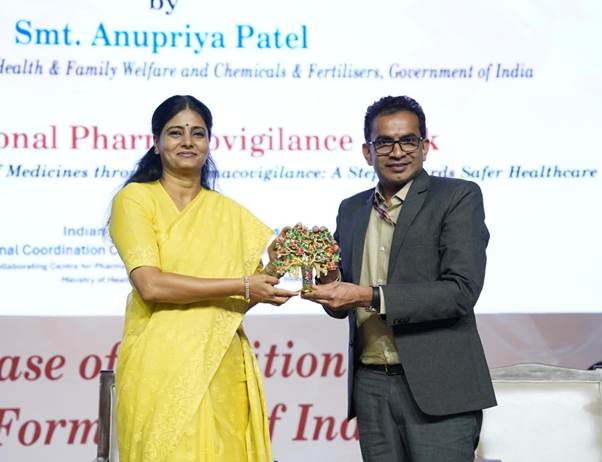
India announced several important initiatives to strengthen medicine safety and patient protection on 21 September 2026. Union Minister of State for Health and Family Welfare Anupriya Patel launched the seventh edition of the National Formulary of India, a new guidance document for monitoring medical-device-related adverse events in hospitals, and the ADR-PvPI 2.0 mobile application for iOS users.
The announcements were made during the sixth National Pharmacovigilance Week programme organised by the Indian Pharmacopoeia Commission at Dr. Ambedkar International Centre, New Delhi. The Minister also announced that the Government of India had approved the Biovigilance Programme of India, which will strengthen safety monitoring associated with organ and tissue transplantation.
These developments are important because the safety of medicines and medical products cannot be assessed only before they enter the market. Some adverse reactions become apparent when products are used by larger and more diverse patient populations. Continuous monitoring, systematic reporting and scientific analysis are therefore essential components of a healthcare system.
The sixth National Pharmacovigilance Week is being observed from 17 to 23 September 2026. Its theme is 'Promoting Rational Use of Medicines through Pharmacovigilance: A Step Towards Safer Healthcare'. The theme connects two important public-health objectives: appropriate medicine use and systematic monitoring of medicine-related harm.
Pharmacovigilance is the science and set of activities concerned with detecting, assessing, understanding and preventing adverse effects or other medicine-related problems. It involves collecting information from healthcare professionals, patients and other sources, analysing possible safety signals and supporting appropriate responses.
An adverse drug reaction, abbreviated as ADR, is a harmful and unintended response associated with the use of a medicine. Reporting a suspected reaction does not automatically establish that a particular medicine caused the event. Reports must be assessed scientifically, considering the patient's condition, other medicines, timing and alternative explanations.
The seventh National Formulary of India, or NFI 2026, is one of the principal announcements. The Indian Pharmacopoeia Commission has published the National Formulary of India periodically since 2009. It is a guidance document for healthcare professionals intended to promote the rational and safe use of medicines.
The new edition contains 34 chapters, 20 appendices and information on 653 drugs. These include 42 fixed-dose combinations and 30 immunologicals. According to the Ministry of Health and Family Welfare, drug monographs have been revised to align with the National List of Essential Medicines and National Health Programmes.
A drug monograph provides structured information about a medicine. Depending on the document, it may include information relevant to its appropriate use, safety and other clinical considerations. A formulary brings such information together to support healthcare professionals when selecting and using medicines.
The term fixed-dose combination refers to a pharmaceutical product containing two or more active ingredients in a fixed ratio. Immunological products are associated with immune-system-related prevention or treatment, depending on the particular product. Students should remember that the NFI 2026 figures describe the contents of the seventh edition and should not be confused with the total number of medicines available in India.
The National Formulary of India is also available digitally through NFI Online. The Ministry stated that the digital edition provides access to links concerning National Health Programmes, immunisation schedules, Jan Aushadhi, safe disposal of unused or expired pharmaceutical products and other regulatory resources.
An important examination distinction is the difference between the National Formulary of India and the Indian Pharmacopoeia. The formulary is intended to guide rational and safe medicine use, whereas a pharmacopoeia establishes authoritative standards concerning the quality of medicines and pharmaceutical substances. Both are associated with the Indian Pharmacopoeia Commission, but they serve different purposes.
The second major development was the approval of the Biovigilance Programme of India. The Ministry stated that the Indian Pharmacopoeia Commission will play a leading role in strengthening the reporting, assessment, monitoring and prevention of adverse events associated with medicines and biological products used in organ and tissue transplantation, including products administered to donors and recipients.
Organ and tissue transplantation involves complex clinical procedures and the use of specialised medical products. Monitoring adverse events associated with these products can help identify potential safety concerns and improve the information available to healthcare institutions and regulators.
The official announcement confirms approval of the Biovigilance Programme but does not provide a complete operational timetable or detailed reporting procedures. Therefore, the programme should be described as approved rather than assuming that every proposed component is already functioning nationwide.
Biovigilance should also be distinguished from pharmacovigilance and materiovigilance. Pharmacovigilance focuses on medicines and medicine-related problems. Materiovigilance concerns adverse events associated with medical devices. The newly approved Biovigilance Programme will strengthen monitoring associated with medicines and biological products used in organ and tissue transplantation.
India already operates the Pharmacovigilance Programme of India, commonly abbreviated as PvPI. The programme is coordinated by the National Coordination Centre at the Indian Pharmacopoeia Commission. It collects, assesses and analyses adverse drug reaction information from across the country.
The Materiovigilance Programme of India, or MvPI, supports monitoring of adverse events associated with medical devices. Devices may include a wide range of products used for diagnosis, treatment, monitoring and other medical purposes. The safety of such products requires attention to equipment performance, use conditions and potential patient harm.
At the September 2026 event, the Minister launched a Guidance Document for Hospitals in India for Safety Monitoring and Reporting of Medical Device-Related Adverse Events. This document is intended to support hospital-level safety monitoring and reporting practices.
The launch of the ADR-PvPI 2.0 mobile application for iOS users was another digital initiative. The Minister also referred to NFI Online, IP Online and the Adverse Drug Reaction Monitoring System as components of India's developing medicine-safety information infrastructure.
Digital reporting tools can make it easier to submit and organise suspected adverse-event information. However, the existence of an application does not itself establish that every reported event is caused by a medicine or device. Scientific assessment remains essential.
The Minister emphasised the importance of greater patient participation in adverse-event reporting. Patients may notice symptoms or experiences that are not otherwise documented. Encouraging appropriate reporting can broaden the information available for medicine-safety assessment.
According to the Ministry, around 1,150 ADR Reporting Centres were operational across public and private hospitals and medical colleges at the time of the announcement. The government plans to extend reporting capabilities towards the primary healthcare level.
This expansion is significant because many patients receive treatment outside large tertiary hospitals. A broader reporting network can potentially capture information from different regions and healthcare settings. Its effectiveness depends on training, reporting quality, awareness and the capacity to analyse the information received.
The Minister also cited India's international contribution to medicine-safety data. According to her statement, India's position in contributions to the World Health Organization's patient-safety database had changed from 123rd during 2009–2014 to eighth globally. This was presented as an indication of the growth of India's domestic capacity to generate and report pharmacovigilance evidence.
Students should understand the limitation of this figure: it concerns the country's reported position in contributions to a safety database. It is not a ranking of the overall safety of India's healthcare system or a direct measurement of the quality of every medicine manufactured in the country.
The Ministry also stated that approximately 25 countries recognise and accept the Indian Pharmacopoeia. The Indian Pharmacopoeia Commission became a member of the Pharmacopoeial Discussion Group in 2023. These developments relate to cooperation and convergence in pharmaceutical quality standards.
Artificial Intelligence and advanced data analytics were also discussed as technologies that could strengthen medicine-safety systems. Large collections of adverse-event reports can contain patterns that may require further investigation. Computational tools may assist in identifying such patterns, but medical and scientific review is still required before drawing conclusions about causation.
The programme brought together government officials, regulators, healthcare professionals, researchers and representatives of international organisations. The World Health Organization Representative to India, Dr Yvan J.-F. Hutin, participated, alongside senior representatives of the Indian Pharmacopoeia Commission and other healthcare institutions.
For competitive examinations, the principal facts are the launch date of 21 September 2026; the seventh edition of the National Formulary of India; its 34 chapters, 20 appendices and 653 drugs; the approval of the Biovigilance Programme; and the sixth National Pharmacovigilance Week observed from 17 to 23 September 2026.
The broader public-health lesson is that medicine safety requires continuous observation after products enter clinical use. Rational prescribing, accurate reporting, scientific assessment, medical-device monitoring and patient participation all contribute to a stronger safety system.
क्या हुआ?
भारत ने 21 सितंबर 2026 को औषधि सुरक्षा और रोगियों की सुरक्षा को मजबूत करने के लिए कई महत्वपूर्ण पहलों की घोषणा की। केंद्रीय स्वास्थ्य एवं परिवार कल्याण राज्य मंत्री अनुप्रिया पटेल ने भारतीय राष्ट्रीय औषधि सूत्रावली के सातवें संस्करण, अस्पतालों में चिकित्सा उपकरणों से संबंधित प्रतिकूल घटनाओं की निगरानी के लिए एक नए मार्गदर्शक दस्तावेज और आईओएस उपयोगकर्ताओं के लिए एडीआर-पीवीपीआई 2.0 मोबाइल अनुप्रयोग का शुभारंभ किया।
ये घोषणाएँ नई दिल्ली स्थित डॉ. आंबेडकर अंतरराष्ट्रीय केंद्र में भारतीय भेषज संहिता आयोग द्वारा आयोजित छठे राष्ट्रीय औषधि सतर्कता सप्ताह कार्यक्रम के दौरान की गईं। मंत्री ने यह भी घोषणा की कि भारत सरकार ने भारत जैविक सतर्कता कार्यक्रम को स्वीकृति दे दी है। यह कार्यक्रम अंग और ऊतक प्रत्यारोपण से संबंधित सुरक्षा निगरानी को मजबूत करेगा।
ये विकास महत्वपूर्ण हैं क्योंकि औषधियों और चिकित्सा उत्पादों की सुरक्षा का आकलन केवल उनके बाजार में आने से पहले नहीं किया जा सकता। कुछ प्रतिकूल प्रतिक्रियाएँ तब सामने आती हैं जब उत्पादों का उपयोग अधिक बड़ी और विविध रोगी आबादी में होता है। इसलिए निरंतर निगरानी, व्यवस्थित सूचना संकलन और वैज्ञानिक विश्लेषण स्वास्थ्य व्यवस्था के आवश्यक घटक हैं।
छठा राष्ट्रीय औषधि सतर्कता सप्ताह 17 से 23 सितंबर 2026 तक मनाया जा रहा है। इसका विषय है 'औषधि सतर्कता के माध्यम से दवाओं के विवेकपूर्ण उपयोग को बढ़ावा देना: सुरक्षित स्वास्थ्य सेवा की दिशा में एक कदम'। यह विषय सार्वजनिक स्वास्थ्य के दो महत्वपूर्ण उद्देश्यों को जोड़ता है—दवाओं का उचित उपयोग और दवाओं से संबंधित संभावित हानि की व्यवस्थित निगरानी।
औषधि सतर्कता वह विज्ञान और संबंधित गतिविधियों की व्यवस्था है जिसके अंतर्गत दवाओं के प्रतिकूल प्रभावों अथवा अन्य औषधि-संबंधी समस्याओं की पहचान, आकलन, समझ और रोकथाम की जाती है। इसमें स्वास्थ्यकर्मियों, रोगियों और अन्य स्रोतों से जानकारी एकत्र करना, संभावित सुरक्षा संकेतों का विश्लेषण करना और आवश्यक प्रतिक्रिया में सहायता देना शामिल है।
प्रतिकूल औषधि प्रतिक्रिया किसी दवा के उपयोग से संबंधित हानिकारक और अनपेक्षित प्रतिक्रिया होती है। किसी संदिग्ध प्रतिक्रिया की सूचना मिलने का अर्थ अपने आप यह नहीं है कि संबंधित दवा ने ही उस घटना को उत्पन्न किया। रोगी की स्थिति, अन्य दवाओं, घटना के समय और वैकल्पिक कारणों पर विचार करके वैज्ञानिक आकलन करना आवश्यक होता है।
भारतीय राष्ट्रीय औषधि सूत्रावली का सातवाँ संस्करण इस कार्यक्रम की प्रमुख घोषणाओं में से एक है। भारतीय भेषज संहिता आयोग वर्ष 2009 से समय-समय पर राष्ट्रीय औषधि सूत्रावली प्रकाशित करता रहा है। यह स्वास्थ्यकर्मियों के लिए दवाओं के विवेकपूर्ण और सुरक्षित उपयोग को बढ़ावा देने वाला मार्गदर्शक दस्तावेज है।
नए संस्करण में 34 अध्याय, 20 परिशिष्ट और 653 दवाओं की जानकारी शामिल है। इनमें 42 निश्चित खुराक संयोजन और 30 प्रतिरक्षात्मक उत्पाद शामिल हैं। स्वास्थ्य एवं परिवार कल्याण मंत्रालय के अनुसार औषधियों के विवरण को राष्ट्रीय आवश्यक औषधि सूची और राष्ट्रीय स्वास्थ्य कार्यक्रमों के अनुरूप संशोधित किया गया है।
किसी औषधि का विस्तृत विवरण उसके बारे में व्यवस्थित जानकारी प्रदान करता है। दस्तावेज के स्वरूप के अनुसार इसमें औषधि के उचित उपयोग, सुरक्षा और अन्य चिकित्सकीय पहलुओं से संबंधित जानकारी शामिल हो सकती है। औषधि सूत्रावली ऐसी जानकारी को एक स्थान पर उपलब्ध कराती है, जिससे स्वास्थ्यकर्मियों को दवाओं के चयन और उपयोग में सहायता मिलती है।
निश्चित खुराक संयोजन उस औषधीय उत्पाद को कहते हैं जिसमें दो या अधिक सक्रिय घटक एक निर्धारित अनुपात में होते हैं। प्रतिरक्षात्मक उत्पादों का संबंध विशेष उत्पाद के अनुसार प्रतिरक्षा तंत्र से जुड़ी रोकथाम अथवा उपचार से हो सकता है। विद्यार्थियों को याद रखना चाहिए कि राष्ट्रीय औषधि सूत्रावली 2026 के आँकड़े इसके सातवें संस्करण की सामग्री से संबंधित हैं, न कि भारत में उपलब्ध सभी दवाओं की कुल संख्या से।
भारतीय राष्ट्रीय औषधि सूत्रावली अब ऑनलाइन माध्यम से भी उपलब्ध है। मंत्रालय के अनुसार इसके डिजिटल संस्करण में राष्ट्रीय स्वास्थ्य कार्यक्रमों, टीकाकरण अनुसूचियों, जन औषधि, अनुपयोगी अथवा समाप्ति तिथि पार कर चुके औषधीय उत्पादों के सुरक्षित निपटान और अन्य नियामक संसाधनों से संबंधित महत्वपूर्ण संपर्क उपलब्ध हैं।
परीक्षा की दृष्टि से भारतीय राष्ट्रीय औषधि सूत्रावली और भारतीय भेषज संहिता के बीच अंतर महत्वपूर्ण है। औषधि सूत्रावली दवाओं के विवेकपूर्ण और सुरक्षित उपयोग के लिए मार्गदर्शन प्रदान करती है, जबकि भेषज संहिता औषधियों और औषधीय पदार्थों की गुणवत्ता से संबंधित आधिकारिक मानक निर्धारित करती है। दोनों का संबंध भारतीय भेषज संहिता आयोग से है, लेकिन इनके उद्देश्य अलग हैं।
दूसरा महत्वपूर्ण विकास भारत जैविक सतर्कता कार्यक्रम की स्वीकृति है। मंत्रालय के अनुसार भारतीय भेषज संहिता आयोग अंग और ऊतक प्रत्यारोपण में उपयोग होने वाली दवाओं तथा जैविक उत्पादों से संबंधित प्रतिकूल घटनाओं की सूचना प्राप्त करने, आकलन, निगरानी और रोकथाम को मजबूत करने में प्रमुख भूमिका निभाएगा। इसमें अंगदाता और अंग प्राप्त करने वाले व्यक्ति को दिए जाने वाले उत्पाद भी शामिल हैं।
अंग और ऊतक प्रत्यारोपण जटिल चिकित्सकीय प्रक्रियाएँ हैं जिनमें विशेष चिकित्सा उत्पादों का उपयोग होता है। इन उत्पादों से संबंधित प्रतिकूल घटनाओं की निगरानी संभावित सुरक्षा चिंताओं की पहचान करने और स्वास्थ्य संस्थानों तथा नियामकों को उपलब्ध जानकारी बेहतर बनाने में सहायता कर सकती है।
आधिकारिक घोषणा में जैविक सतर्कता कार्यक्रम की स्वीकृति की पुष्टि की गई है, लेकिन इसके पूर्ण परिचालन की समय-सारिणी और विस्तृत सूचना प्रक्रियाएँ नहीं बताई गई हैं। इसलिए इसे स्वीकृत कार्यक्रम के रूप में समझना चाहिए। यह मान लेना उचित नहीं होगा कि इसके सभी प्रस्तावित घटक पहले से देशभर में कार्य कर रहे हैं।
जैविक सतर्कता को औषधि सतर्कता और चिकित्सा उपकरण सतर्कता से अलग समझना भी आवश्यक है। औषधि सतर्कता दवाओं और उनसे संबंधित समस्याओं पर केंद्रित है। चिकित्सा उपकरण सतर्कता का संबंध चिकित्सा उपकरणों से जुड़ी प्रतिकूल घटनाओं से है। नया स्वीकृत जैविक सतर्कता कार्यक्रम अंग और ऊतक प्रत्यारोपण में उपयोग होने वाली दवाओं तथा जैविक उत्पादों की निगरानी को मजबूत करेगा।
भारत में पहले से भारतीय औषधि सतर्कता कार्यक्रम संचालित है। इसका समन्वय भारतीय भेषज संहिता आयोग स्थित राष्ट्रीय समन्वय केंद्र करता है। यह देशभर से प्रतिकूल औषधि प्रतिक्रियाओं की जानकारी एकत्र करता है, उनका आकलन करता है और विश्लेषण करता है।
भारत का चिकित्सा उपकरण सतर्कता कार्यक्रम चिकित्सा उपकरणों से संबंधित प्रतिकूल घटनाओं की निगरानी में सहायता करता है। चिकित्सा उपकरणों में रोग की पहचान, उपचार, निगरानी और अन्य चिकित्सकीय उद्देश्यों के लिए उपयोग होने वाले विभिन्न उत्पाद शामिल हो सकते हैं। ऐसे उत्पादों की सुरक्षा के लिए उपकरणों के प्रदर्शन, उपयोग की परिस्थितियों और रोगियों को संभावित हानि पर ध्यान देना आवश्यक है।
सितंबर 2026 के कार्यक्रम में मंत्री ने अस्पतालों के लिए चिकित्सा उपकरणों से संबंधित प्रतिकूल घटनाओं की सुरक्षा निगरानी और सूचना देने वाला मार्गदर्शक दस्तावेज जारी किया। इसका उद्देश्य अस्पताल स्तर पर सुरक्षा निगरानी और सूचना प्रक्रियाओं को सहायता प्रदान करना है।
आईओएस उपयोगकर्ताओं के लिए एडीआर-पीवीपीआई 2.0 मोबाइल अनुप्रयोग का शुभारंभ भी महत्वपूर्ण डिजिटल पहल थी। मंत्री ने औषधि सुरक्षा संबंधी डिजिटल अवसंरचना के घटकों के रूप में राष्ट्रीय औषधि सूत्रावली ऑनलाइन, भारतीय भेषज संहिता ऑनलाइन और प्रतिकूल औषधि प्रतिक्रिया निगरानी प्रणाली का भी उल्लेख किया।
डिजिटल सूचना प्रणालियाँ संदिग्ध प्रतिकूल घटनाओं की जानकारी भेजने और व्यवस्थित करने की प्रक्रिया आसान बना सकती हैं। हालाँकि किसी अनुप्रयोग की उपलब्धता अपने आप यह सिद्ध नहीं करती कि सूचना दी गई प्रत्येक घटना का कारण कोई विशेष दवा अथवा उपकरण था। वैज्ञानिक आकलन आवश्यक रहता है।
मंत्री ने प्रतिकूल घटनाओं की सूचना देने में रोगियों की अधिक भागीदारी पर जोर दिया। रोगी ऐसे लक्षण अथवा अनुभव देख सकते हैं जो अन्य माध्यमों से दर्ज नहीं हो पाते। उचित सूचना देने को प्रोत्साहित करने से औषधि सुरक्षा के आकलन के लिए उपलब्ध जानकारी का दायरा बढ़ सकता है।
मंत्रालय के अनुसार घोषणा के समय देश के सरकारी और निजी अस्पतालों तथा चिकित्सा महाविद्यालयों में लगभग 1,150 प्रतिकूल औषधि प्रतिक्रिया सूचना केंद्र कार्यरत थे। सरकार इन क्षमताओं को प्राथमिक स्वास्थ्य सेवा स्तर तक विस्तारित करने की योजना बना रही है।
यह विस्तार महत्वपूर्ण है क्योंकि बड़ी संख्या में रोगी केवल बड़े विशेषज्ञ अस्पतालों में उपचार प्राप्त नहीं करते। व्यापक सूचना नेटवर्क विभिन्न क्षेत्रों और स्वास्थ्य सेवा व्यवस्थाओं से जानकारी प्राप्त करने में सहायता कर सकता है। इसकी प्रभावशीलता प्रशिक्षण, सूचना की गुणवत्ता, जागरूकता और प्राप्त जानकारी का विश्लेषण करने की क्षमता पर निर्भर करती है।
मंत्री ने औषधि सुरक्षा संबंधी अंतरराष्ट्रीय आँकड़ों में भारत के योगदान का भी उल्लेख किया। उनके अनुसार विश्व स्वास्थ्य संगठन के रोगी सुरक्षा डेटाबेस में योगदान के संदर्भ में भारत की स्थिति 2009–2014 के दौरान 123वें स्थान से बदलकर वैश्विक स्तर पर आठवें स्थान पर पहुँच गई है। इसे देश में औषधि सतर्कता संबंधी वैज्ञानिक प्रमाण तैयार करने और रिपोर्ट करने की क्षमता के विस्तार के संकेत के रूप में प्रस्तुत किया गया।
विद्यार्थियों को इस आँकड़े की सीमा समझनी चाहिए। यह सुरक्षा डेटाबेस में योगदान के संबंध में बताई गई स्थिति है। यह भारत की संपूर्ण स्वास्थ्य व्यवस्था की सुरक्षा का मूल्यांकन अथवा देश में निर्मित प्रत्येक दवा की गुणवत्ता का प्रत्यक्ष मापन नहीं है।
मंत्रालय ने यह भी बताया कि लगभग 25 देश भारतीय भेषज संहिता को मान्यता देते और स्वीकार करते हैं। भारतीय भेषज संहिता आयोग वर्ष 2023 में भेषज संहिता चर्चा समूह का सदस्य बना था। ये विकास औषधीय गुणवत्ता मानकों में अंतरराष्ट्रीय सहयोग और सामंजस्य से संबंधित हैं।
औषधि सुरक्षा प्रणालियों को मजबूत करने के लिए कृत्रिम बुद्धिमत्ता और उन्नत आँकड़ा विश्लेषण के उपयोग पर भी चर्चा हुई। प्रतिकूल घटनाओं की बड़ी संख्या में प्राप्त सूचनाओं में कुछ ऐसे स्वरूप हो सकते हैं जिनकी आगे जाँच आवश्यक हो। संगणकीय उपकरण इन स्वरूपों की पहचान में सहायता कर सकते हैं, लेकिन किसी कारण-संबंध पर निष्कर्ष निकालने से पहले चिकित्सकीय और वैज्ञानिक समीक्षा आवश्यक है।
कार्यक्रम में सरकारी अधिकारियों, नियामकों, स्वास्थ्यकर्मियों, शोधकर्ताओं और अंतरराष्ट्रीय संगठनों के प्रतिनिधियों ने भाग लिया। भारत में विश्व स्वास्थ्य संगठन के प्रतिनिधि डॉ. यवान जे.-एफ. हुतिन भी उपस्थित थे। भारतीय भेषज संहिता आयोग और अन्य स्वास्थ्य संस्थानों के वरिष्ठ प्रतिनिधियों ने भी भाग लिया।
प्रतियोगी परीक्षाओं के लिए मुख्य तथ्य हैं—21 सितंबर 2026 की शुभारंभ तिथि; भारतीय राष्ट्रीय औषधि सूत्रावली का सातवाँ संस्करण; इसके 34 अध्याय, 20 परिशिष्ट और 653 दवाएँ; जैविक सतर्कता कार्यक्रम की स्वीकृति; तथा 17 से 23 सितंबर 2026 तक आयोजित छठा राष्ट्रीय औषधि सतर्कता सप्ताह।
इस घटनाक्रम का व्यापक सार्वजनिक स्वास्थ्य संदेश यह है कि औषधियों के चिकित्सकीय उपयोग में आने के बाद भी उनकी सुरक्षा की निरंतर निगरानी आवश्यक है। विवेकपूर्ण औषधि निर्धारण, सही सूचना, वैज्ञानिक आकलन, चिकित्सा उपकरणों की निगरानी और रोगियों की भागीदारी मिलकर अधिक मजबूत सुरक्षा व्यवस्था विकसित करते हैं।
Key Facts
• The seventh National Formulary of India was launched on 21 September 2026.
• Union Minister of State for Health and Family Welfare Anupriya Patel launched NFI 2026.
• The launch took place at Dr. Ambedkar International Centre, New Delhi.
• The programme was organised by the Indian Pharmacopoeia Commission.
• The sixth National Pharmacovigilance Week is observed from 17 to 23 September 2026.
• Its theme is 'Promoting Rational Use of Medicines through Pharmacovigilance: A Step Towards Safer Healthcare'.
• NFI 2026 contains 34 chapters and 20 appendices.
• The seventh edition covers 653 drugs.
• Its contents include 42 fixed-dose combinations and 30 immunologicals.
• The National Formulary of India has been published periodically by IPC since 2009.
• The seventh edition is available digitally through NFI Online.
• The Government of India has approved the Biovigilance Programme of India.
• IPC will lead monitoring of adverse events associated with medicines and biological products used in organ and tissue transplantation.
• A hospital guidance document for monitoring and reporting medical-device-related adverse events was launched.
• The ADR-PvPI 2.0 mobile application was launched for iOS users.
• Around 1,150 ADR Reporting Centres were operational nationwide at the time of the announcement.
• The government plans to expand adverse-event reporting capabilities to the primary healthcare level.
• According to the Minister, India reached eighth position globally in contributions to the WHO patient-safety database.
• Approximately 25 countries recognise and accept the Indian Pharmacopoeia, according to the Ministry.
• IPC became a member of the Pharmacopoeial Discussion Group in 2023.
मुख्य तथ्य
• भारतीय राष्ट्रीय औषधि सूत्रावली के सातवें संस्करण का शुभारंभ 21 सितंबर 2026 को हुआ।
• केंद्रीय स्वास्थ्य एवं परिवार कल्याण राज्य मंत्री अनुप्रिया पटेल ने राष्ट्रीय औषधि सूत्रावली 2026 का शुभारंभ किया।
• कार्यक्रम नई दिल्ली के डॉ. आंबेडकर अंतरराष्ट्रीय केंद्र में आयोजित हुआ।
• कार्यक्रम का आयोजन भारतीय भेषज संहिता आयोग ने किया।
• छठा राष्ट्रीय औषधि सतर्कता सप्ताह 17 से 23 सितंबर 2026 तक मनाया जा रहा है।
• इसका विषय औषधि सतर्कता के माध्यम से दवाओं के विवेकपूर्ण उपयोग और सुरक्षित स्वास्थ्य सेवा को बढ़ावा देना है।
• राष्ट्रीय औषधि सूत्रावली 2026 में 34 अध्याय और 20 परिशिष्ट हैं।
• सातवें संस्करण में 653 दवाओं की जानकारी शामिल है।
• इसमें 42 निश्चित खुराक संयोजन और 30 प्रतिरक्षात्मक उत्पाद शामिल हैं।
• भारतीय भेषज संहिता आयोग वर्ष 2009 से समय-समय पर राष्ट्रीय औषधि सूत्रावली प्रकाशित कर रहा है।
• सातवाँ संस्करण ऑनलाइन माध्यम से भी उपलब्ध है।
• भारत सरकार ने भारत जैविक सतर्कता कार्यक्रम को स्वीकृति दी है।
• भारतीय भेषज संहिता आयोग अंग और ऊतक प्रत्यारोपण में उपयोग होने वाली दवाओं तथा जैविक उत्पादों से संबंधित प्रतिकूल घटनाओं की निगरानी में प्रमुख भूमिका निभाएगा।
• अस्पतालों में चिकित्सा उपकरणों से संबंधित प्रतिकूल घटनाओं की निगरानी और सूचना देने वाला मार्गदर्शक दस्तावेज जारी हुआ।
• आईओएस उपयोगकर्ताओं के लिए एडीआर-पीवीपीआई 2.0 मोबाइल अनुप्रयोग का शुभारंभ हुआ।
• घोषणा के समय देशभर में लगभग 1,150 प्रतिकूल औषधि प्रतिक्रिया सूचना केंद्र कार्यरत थे।
• सरकार प्रतिकूल घटनाओं की सूचना देने की क्षमता को प्राथमिक स्वास्थ्य सेवा स्तर तक विस्तारित करना चाहती है।
• मंत्री के अनुसार विश्व स्वास्थ्य संगठन के रोगी सुरक्षा डेटाबेस में योगदान के संदर्भ में भारत वैश्विक स्तर पर आठवें स्थान पर पहुँचा।
• मंत्रालय के अनुसार लगभग 25 देश भारतीय भेषज संहिता को मान्यता देते और स्वीकार करते हैं।
• भारतीय भेषज संहिता आयोग वर्ष 2023 में भेषज संहिता चर्चा समूह का सदस्य बना।
Background
The Indian Pharmacopoeia Commission supports pharmaceutical quality standards and medicine-safety initiatives in India. It coordinates the Pharmacovigilance Programme of India through its National Coordination Centre. The National Formulary of India, published periodically since 2009, guides healthcare professionals in the rational and safe use of medicines. The September 2026 announcements extend the discussion of patient safety across medicines, medical devices and products associated with organ and tissue transplantation.
पृष्ठभूमि
भारतीय भेषज संहिता आयोग भारत में औषधीय गुणवत्ता मानकों और औषधि सुरक्षा संबंधी पहलों से जुड़ा है। यह अपने राष्ट्रीय समन्वय केंद्र के माध्यम से भारतीय औषधि सतर्कता कार्यक्रम का समन्वय करता है। वर्ष 2009 से समय-समय पर प्रकाशित भारतीय राष्ट्रीय औषधि सूत्रावली स्वास्थ्यकर्मियों को दवाओं के विवेकपूर्ण और सुरक्षित उपयोग के लिए मार्गदर्शन प्रदान करती है। सितंबर 2026 की घोषणाएँ रोगी सुरक्षा के दायरे को दवाओं, चिकित्सा उपकरणों तथा अंग और ऊतक प्रत्यारोपण से संबंधित उत्पादों तक विस्तारित करती हैं।
Why It Matters
The developments are significant because adverse-event reporting and scientific safety assessment are necessary throughout the clinical use of medicines and medical products. The new formulary supports rational prescribing, while the approved Biovigilance Programme addresses an additional area of transplant-related safety monitoring. Digital tools, hospital guidance and wider reporting networks may help improve the collection and assessment of safety information.
यह क्यों महत्वपूर्ण है?
ये विकास महत्वपूर्ण हैं क्योंकि दवाओं और चिकित्सा उत्पादों के चिकित्सकीय उपयोग के दौरान प्रतिकूल घटनाओं की सूचना तथा वैज्ञानिक सुरक्षा आकलन आवश्यक होते हैं। नई औषधि सूत्रावली विवेकपूर्ण औषधि निर्धारण में सहायता करती है, जबकि स्वीकृत जैविक सतर्कता कार्यक्रम प्रत्यारोपण से संबंधित सुरक्षा निगरानी के अतिरिक्त क्षेत्र को संबोधित करता है। डिजिटल उपकरण, अस्पतालों के लिए मार्गदर्शन और व्यापक सूचना नेटवर्क सुरक्षा संबंधी जानकारी के संकलन तथा आकलन को बेहतर बनाने में सहायता कर सकते हैं।
Exam Connection
Important for UPSC Prelims, GS-II Health, SSC, Railway, Nursing and State PCS. Remember: seventh National Formulary of India — 2026; launch date — 21 September; ministry — Health and Family Welfare; organisation — Indian Pharmacopoeia Commission; contents — 34 chapters, 20 appendices and 653 drugs, including 42 fixed-dose combinations and 30 immunologicals. Sixth National Pharmacovigilance Week — 17–23 September 2026. Revise the differences between pharmacovigilance, materiovigilance and biovigilance, and between the National Formulary of India and the Indian Pharmacopoeia.
परीक्षा से संबंध
UPSC प्रारंभिक परीक्षा, GS-II स्वास्थ्य, SSC, Railway, Nursing और State PCS के लिए महत्वपूर्ण। याद रखें: भारतीय राष्ट्रीय औषधि सूत्रावली का सातवाँ संस्करण — 2026; शुभारंभ — 21 सितंबर; मंत्रालय — स्वास्थ्य एवं परिवार कल्याण मंत्रालय; संस्था — भारतीय भेषज संहिता आयोग; सामग्री — 34 अध्याय, 20 परिशिष्ट और 653 दवाएँ, जिनमें 42 निश्चित खुराक संयोजन तथा 30 प्रतिरक्षात्मक उत्पाद शामिल हैं। छठा राष्ट्रीय औषधि सतर्कता सप्ताह — 17–23 सितंबर 2026। औषधि सतर्कता, चिकित्सा उपकरण सतर्कता और जैविक सतर्कता के बीच तथा राष्ट्रीय औषधि सूत्रावली और भारतीय भेषज संहिता के बीच अंतर का अध्ययन करें।