What Happened
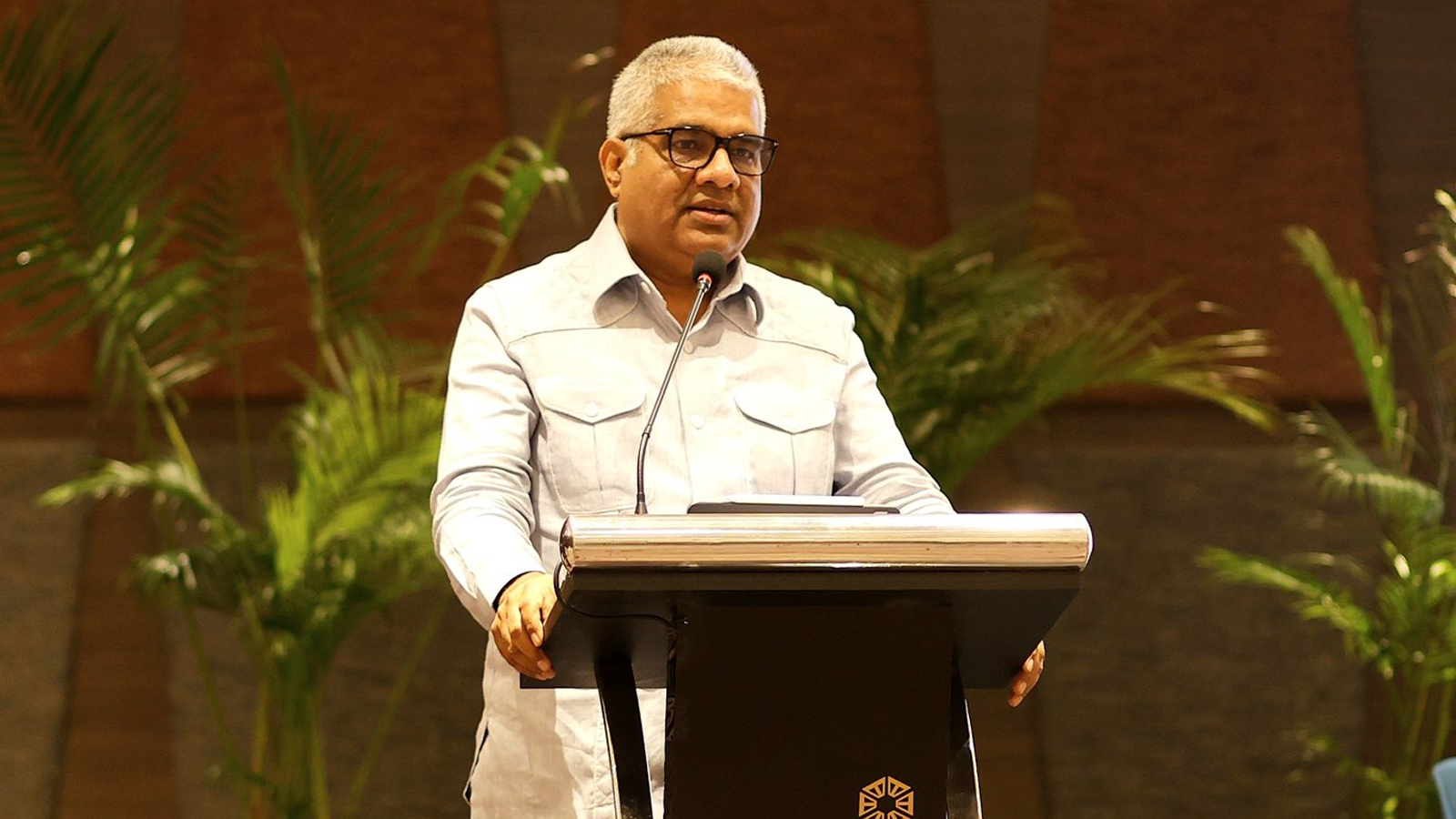
The ninth edition of India International Water Week (IIWW-2026) began on 22 September 2026 at Bharat Mandapam, New Delhi. Vice-President C. P. Radhakrishnan inaugurated the international event, which is being organised by the Ministry of Jal Shakti from 22 to 26 September 2026.
The theme of the five-day event is 'Climate Resilient Water Management'. The conference brings together policymakers, researchers, water-management professionals, international organisations, industry representatives, start-ups, civil society organisations and young professionals to discuss water security and sustainable management of water resources.
The Netherlands and Germany are participating as Partner Countries, while 14 Indian States are participating as Partner States. Six Central Ministries and Departments were invited to participate as Partner Ministries and Departments.
The event is particularly relevant for UPSC, SSC, Railway and State PCS examinations because it connects water resources, climate change, groundwater management, river-basin planning, international cooperation and public health.
1. Important Details of India International Water Week 2026
India International Water Week is a major international platform for discussions on water-related challenges and solutions.
The ninth edition is being held at Bharat Mandapam in New Delhi from 22 to 26 September 2026.
Vice-President C. P. Radhakrishnan inaugurated the event on 22 September. Union Minister of Jal Shakti C. R. Paatil also participated in the inaugural programme.
The Ministry of Jal Shakti is organising the event in collaboration with Central Ministries, State Governments, international organisations, academic institutions, research organisations, industry bodies, development partners and civil society.
The conference aims to connect scientific knowledge and policy discussions with practical measures for improving water security.
2. Theme: Climate Resilient Water Management
The official theme of IIWW-2026 is 'Climate Resilient Water Management'.
Climate-resilient water management means planning and managing water resources in ways that help communities, agriculture, cities and ecosystems respond to climate-related risks.
These risks can include irregular rainfall, droughts, floods, changes in seasonal water availability and extreme weather events.
A climate-resilient approach considers both present water requirements and possible changes in future conditions.
For example, a city may improve rainwater harvesting, reduce leakage in distribution networks and develop systems for reusing treated wastewater. These measures can reduce pressure on freshwater resources.
Similarly, farmers may adopt irrigation methods that deliver water more efficiently to crops.
Climate resilience does not mean that floods or droughts can be completely eliminated. It means improving preparedness, reducing vulnerability and strengthening the capacity to respond to changing conditions.
3. Partner Countries: Netherlands and Germany
The Netherlands and Germany are participating as Partner Countries in IIWW-2026.
International cooperation allows countries to exchange knowledge about water-management technologies, institutions and practical experience.
The Netherlands has extensive experience in managing low-lying landscapes, coastal areas and water-control infrastructure.
Germany has experience in environmental technology, wastewater treatment and industrial water-management systems.
These examples explain why international cooperation can be useful. They should not be interpreted as a claim that a specific bilateral project or financial agreement was signed during the conference unless separately confirmed.
The official announcement identifies the Netherlands and Germany as Partner Countries but does not provide a complete list of every participating country.
4. Participation of Indian States and Central Ministries
Fourteen Indian States are participating as Partner States.
Six Central Ministries and Departments were invited to participate as Partner Ministries and Departments.
This arrangement reflects the fact that water management involves multiple administrative responsibilities.
Agriculture requires irrigation water. Urban areas need drinking water, drainage and wastewater management. Industries use water for production and processing. Environmental authorities are concerned with rivers, wetlands and ecosystems.
Coordination among different departments is therefore important when developing water-management strategies.
The official announcement gives the number of Partner States and invited Central Ministries and Departments but does not list all their names. Students should not assume that every State or Ministry had the same formal role.
5. Ten Major Forums
The Ministry of Jal Shakti identified ten major forums for IIWW-2026.
These are the Ministerial Plenary, Global Water Leaders' Plenaries, Country Forums, Water Leaders' Forums, Practitioners' Forums, Thematic Forums, Startup Forum, Youth Forum, Industrial Forum and Side Events.
Each forum is intended to provide opportunities for different groups to discuss water-related issues.
The Ministerial Plenary brings attention to policy and government-level cooperation.
The Startup Forum provides a platform for emerging enterprises and innovations connected with water management.
The Youth Forum creates opportunities for young professionals and students to participate in discussions.
The Industrial Forum is relevant because industries require water and may also develop technologies for efficient use, treatment and recycling.
The presence of different forums reflects the multidisciplinary nature of water management.
6. Seven Major Sub-Themes
The conference programme includes seven key sub-themes.
The first is inclusive and equitable water governance. This concerns the institutions, policies and decision-making processes through which water resources are managed and access is addressed.
The second is collaboration for optimal use of water resources. This recognises that water systems often cross administrative boundaries and serve multiple users.
The third is technology and community for water security. It connects technical solutions with participation by the people who use and manage water resources.
The fourth is water in climate-related risk. This includes examining the relationship between water availability and climate-related hazards.
The fifth is innovative financing models for water infrastructure and modernisation. Water projects can require investment in treatment facilities, distribution systems, monitoring and maintenance.
The sixth is sustainable water resources management. This concerns using water while considering long-term availability and environmental requirements.
The seventh is water for people and planet. It highlights the relationship between human needs and the ecological functions of water systems.
7. International Exhibition and Technology Showcase
An international exhibition is scheduled from 22 to 25 September 2026.
The exhibition is intended to showcase technologies, products and solutions for sustainable and climate-resilient water management.
Water-management technology can include monitoring instruments, treatment systems, efficient irrigation equipment and digital tools, depending on the exhibitors and products presented.
The official announcement does not establish that every such technology will be displayed at the event. The confirmed purpose of the exhibition is to provide a platform for relevant innovations and solutions.
For examinations, remember that the exhibition is scheduled for four days, whereas the overall India International Water Week programme runs for five days.
8. Second International WASH Conference 2026
The Second International WASH Conference is being organised alongside IIWW-2026 from 22 to 24 September.
WASH stands for Water, Sanitation and Hygiene.
The Department of Drinking Water and Sanitation is organising this conference.
Its focus includes drinking water access, sanitation infrastructure, hygiene behaviour and public health.
These subjects are closely connected. Safe drinking water reduces exposure to water-related health risks, while sanitation and hygiene help prevent contamination and disease transmission.
The conference places emphasis on solutions that can be expanded, are affordable and can remain effective over time.
Students should distinguish the two events: India International Water Week runs from 22 to 26 September, while the Second International WASH Conference is scheduled from 22 to 24 September.
9. Vice-President Highlights Water Conservation
During the inaugural event, Vice-President C. P. Radhakrishnan emphasised the importance of conserving water and managing available resources efficiently.
He drew attention to India's water-resource constraints and the need for responsible water use.
He stated that India has approximately 2.4% of the world's land area and 18% of its population, but only about 4% of global freshwater resources.
These figures were used in his address to explain why efficient water management is important for the country.
The Vice-President also referred to simple household practices, such as avoiding unnecessary water use and closing taps when water is not needed.
Individual water-saving measures are one part of conservation. Large-scale water security also depends on infrastructure, agricultural practices, institutional coordination and environmental management.
10. Integrated Water Resources Management
The Vice-President called for an integrated approach covering river-basin management, groundwater recharge, rainwater harvesting and efficient irrigation.
Integrated water resources management recognises that different water sources and users are connected.
For example, excessive groundwater extraction can affect water availability in an area. Changes in land use can influence rainfall runoff and groundwater recharge.
River-basin planning considers the wider area drained by a river and its tributaries.
This is important because upstream activities can affect downstream water availability and quality.
Groundwater recharge refers to the process through which water enters underground aquifers.
Rainwater harvesting involves collecting and storing rainfall or facilitating its infiltration for later use.
Efficient irrigation seeks to reduce avoidable water losses while meeting crop requirements.
These concepts are particularly important for UPSC geography, environment and agriculture-related questions.
11. Interstate Cooperation and Water Sharing
The Vice-President highlighted cooperation among States as an important part of water management.
Rivers and river basins frequently extend across State boundaries. Decisions taken in one region can affect water users elsewhere.
The Vice-President referred to ten interstate memoranda of understanding concerning water sharing.
He also mentioned the Kishau Multipurpose Project agreement involving six States as an example of interstate cooperation.
A memorandum of understanding records an understanding between participating parties. Its precise legal and operational effect depends on the terms of the particular document.
Students should remember the reported figures without assuming that all interstate water disputes have been resolved or that every agreement has reached the same implementation stage.
12. Sustainable Urban River Management Framework
At the inaugural event, the Vice-President launched the Sustainable Urban River Management Framework, abbreviated as SURM.
Urban rivers face multiple pressures, including wastewater discharge, changes in land use, encroachment and altered drainage patterns.
Sustainable river management requires consideration of water quality, river ecosystems, urban development and the needs of communities.
The SURM Framework is relevant to discussions about the relationship between cities and river systems.
The available inauguration report confirms the framework's launch but does not provide its complete technical guidelines or implementation schedule. Those details should be obtained from the framework document before being presented as established requirements.
13. AI/ML-Driven Integrated Reservoir Sediment Management
The Vice-President also launched an initiative described as AI/ML-driven Integrated Reservoir Sediment Management.
AI stands for Artificial Intelligence, while ML stands for Machine Learning.
Reservoir sedimentation occurs when particles transported by water settle and accumulate in a reservoir.
Sediment accumulation can affect storage capacity and reservoir operations over time.
Monitoring and managing sediment is therefore relevant to the long-term functioning of water infrastructure.
Artificial intelligence and machine learning may assist with analysing monitoring data and identifying patterns, depending on the design of the particular system.
The inauguration report confirms the launch of the initiative but does not provide a complete technical specification. It would therefore be incorrect to claim that it has already eliminated sedimentation or achieved a particular percentage improvement in reservoir capacity.
14. Importance for India's Water Security
Water security concerns the reliable availability of water of suitable quality for people, economic activities and ecosystems, together with the management of water-related risks.
India's water requirements span households, agriculture, industries, energy production and environmental systems.
The conference's theme recognises that water planning must account for climate variability and the different needs of these sectors.
International dialogue can support the exchange of knowledge, while domestic coordination is necessary to translate appropriate ideas into practice.
The official programme is designed to connect policy, financing, technology and community participation.
The conference's planned valedictory session is on 25 September, followed by study tours on 26 September 2026. As of its opening on 22 September, those later activities were scheduled rather than completed.
For competitive examinations, the central facts are the ninth edition of India International Water Week, the dates 22–26 September 2026, Bharat Mandapam in New Delhi, the theme 'Climate Resilient Water Management', the Netherlands and Germany as Partner Countries, 14 Partner States and the Second International WASH Conference.
क्या हुआ?
भारत अंतरराष्ट्रीय जल सप्ताह के नौवें संस्करण का शुभारंभ 22 सितंबर 2026 को नई दिल्ली के भारत मंडपम में हुआ। उपराष्ट्रपति सी. पी. राधाकृष्णन ने इस अंतरराष्ट्रीय आयोजन का उद्घाटन किया। जल शक्ति मंत्रालय इसका आयोजन 22 से 26 सितंबर 2026 तक कर रहा है।
पाँच दिवसीय आयोजन का विषय 'जलवायु अनुकूल जल प्रबंधन' है। सम्मेलन में नीति निर्माता, शोधकर्ता, जल प्रबंधन विशेषज्ञ, अंतरराष्ट्रीय संगठन, उद्योग प्रतिनिधि, नवउद्यम, नागरिक समाज संगठन और युवा पेशेवर जल सुरक्षा तथा जल संसाधनों के सतत प्रबंधन पर चर्चा करने के लिए एकत्र हुए हैं।
नीदरलैंड और जर्मनी भागीदार देशों के रूप में शामिल हैं, जबकि भारत के 14 राज्य भागीदार राज्यों के रूप में भाग ले रहे हैं। छह केंद्रीय मंत्रालयों और विभागों को भागीदार मंत्रालयों एवं विभागों के रूप में भाग लेने के लिए आमंत्रित किया गया था।
यह आयोजन UPSC, SSC, Railway और राज्य लोक सेवा आयोग की परीक्षाओं के लिए विशेष रूप से प्रासंगिक है क्योंकि इसका संबंध जल संसाधनों, जलवायु परिवर्तन, भूजल प्रबंधन, नदी बेसिन नियोजन, अंतरराष्ट्रीय सहयोग और सार्वजनिक स्वास्थ्य से है।
1. भारत अंतरराष्ट्रीय जल सप्ताह 2026 की प्रमुख जानकारी
भारत अंतरराष्ट्रीय जल सप्ताह जल संबंधी चुनौतियों और उनके समाधान पर चर्चा का एक प्रमुख अंतरराष्ट्रीय मंच है।
इसका नौवाँ संस्करण 22 से 26 सितंबर 2026 तक नई दिल्ली के भारत मंडपम में आयोजित किया जा रहा है।
उपराष्ट्रपति सी. पी. राधाकृष्णन ने 22 सितंबर को कार्यक्रम का उद्घाटन किया। केंद्रीय जल शक्ति मंत्री सी. आर. पाटिल ने भी उद्घाटन कार्यक्रम में भाग लिया।
जल शक्ति मंत्रालय केंद्रीय मंत्रालयों, राज्य सरकारों, अंतरराष्ट्रीय संगठनों, शैक्षणिक संस्थानों, अनुसंधान संगठनों, उद्योग निकायों, विकास भागीदारों और नागरिक समाज के सहयोग से आयोजन कर रहा है।
सम्मेलन का उद्देश्य वैज्ञानिक ज्ञान और नीतिगत चर्चाओं को जल सुरक्षा सुधारने के व्यावहारिक उपायों से जोड़ना है।
2. विषय: जलवायु अनुकूल जल प्रबंधन
भारत अंतरराष्ट्रीय जल सप्ताह 2026 का आधिकारिक विषय 'Climate Resilient Water Management' है।
जलवायु अनुकूल जल प्रबंधन का अर्थ जल संसाधनों का ऐसा नियोजन और प्रबंधन है जिससे समुदायों, कृषि, शहरों और पारिस्थितिकी तंत्रों को जलवायु संबंधी जोखिमों का सामना करने में सहायता मिले।
इन जोखिमों में अनियमित वर्षा, सूखा, बाढ़, मौसमी जल उपलब्धता में परिवर्तन और चरम मौसम की घटनाएँ शामिल हो सकती हैं।
जलवायु अनुकूल दृष्टिकोण वर्तमान जल आवश्यकताओं के साथ भविष्य की संभावित परिस्थितियों पर भी विचार करता है।
उदाहरण के लिए कोई शहर वर्षा जल संचयन में सुधार कर सकता है, जल वितरण व्यवस्था में रिसाव कम कर सकता है और उपचारित अपशिष्ट जल के पुनः उपयोग की प्रणाली विकसित कर सकता है। इन उपायों से मीठे जल के संसाधनों पर दबाव कम हो सकता है।
इसी प्रकार किसान ऐसी सिंचाई विधियाँ अपना सकते हैं जिनसे फसलों तक अधिक दक्षता से जल पहुँचाया जा सके।
जलवायु अनुकूलता का अर्थ यह नहीं है कि बाढ़ या सूखे को पूरी तरह समाप्त किया जा सकता है। इसका अर्थ तैयारी बेहतर बनाना, संवेदनशीलता कम करना और बदलती परिस्थितियों का सामना करने की क्षमता मजबूत करना है।
3. भागीदार देश: नीदरलैंड और जर्मनी
नीदरलैंड और जर्मनी भारत अंतरराष्ट्रीय जल सप्ताह 2026 में भागीदार देशों के रूप में शामिल हैं।
अंतरराष्ट्रीय सहयोग से देशों को जल प्रबंधन प्रौद्योगिकियों, संस्थागत व्यवस्थाओं और व्यावहारिक अनुभवों का आदान-प्रदान करने का अवसर मिलता है।
नीदरलैंड को निचले भू-भागों, तटीय क्षेत्रों और जल नियंत्रण अवसंरचना के प्रबंधन का व्यापक अनुभव है।
जर्मनी के पास पर्यावरणीय प्रौद्योगिकी, अपशिष्ट जल उपचार और औद्योगिक जल प्रबंधन प्रणालियों का अनुभव है।
ये उदाहरण समझाते हैं कि अंतरराष्ट्रीय सहयोग क्यों उपयोगी हो सकता है। इन्हें इस दावे के रूप में नहीं समझना चाहिए कि सम्मेलन के दौरान कोई विशेष द्विपक्षीय परियोजना या वित्तीय समझौता हुआ है, जब तक उसकी अलग पुष्टि न हो।
आधिकारिक घोषणा में नीदरलैंड और जर्मनी को भागीदार देश बताया गया है, लेकिन प्रत्येक सहभागी देश की पूरी सूची नहीं दी गई है।
4. भारतीय राज्यों और केंद्रीय मंत्रालयों की भागीदारी
भारत के 14 राज्य भागीदार राज्यों के रूप में भाग ले रहे हैं।
छह केंद्रीय मंत्रालयों और विभागों को भागीदार मंत्रालयों एवं विभागों के रूप में शामिल होने के लिए आमंत्रित किया गया था।
यह व्यवस्था दर्शाती है कि जल प्रबंधन में अनेक प्रशासनिक जिम्मेदारियाँ शामिल होती हैं।
कृषि को सिंचाई जल चाहिए। शहरी क्षेत्रों को पेयजल, जल निकासी और अपशिष्ट जल प्रबंधन की आवश्यकता होती है। उद्योग उत्पादन और प्रसंस्करण के लिए जल का उपयोग करते हैं। पर्यावरणीय संस्थाएँ नदियों, आर्द्रभूमियों और पारिस्थितिकी तंत्रों से संबंधित होती हैं।
इसलिए जल प्रबंधन रणनीतियाँ विकसित करते समय विभिन्न विभागों के बीच समन्वय महत्वपूर्ण है।
आधिकारिक घोषणा में भागीदार राज्यों और आमंत्रित केंद्रीय मंत्रालयों तथा विभागों की संख्या दी गई है, लेकिन सभी के नाम नहीं दिए गए हैं। विद्यार्थियों को यह नहीं मानना चाहिए कि प्रत्येक राज्य या मंत्रालय की औपचारिक भूमिका समान थी।
5. दस प्रमुख मंच
जल शक्ति मंत्रालय ने सम्मेलन के लिए दस प्रमुख मंचों की पहचान की है।
इनमें मंत्रिस्तरीय पूर्ण सत्र, वैश्विक जल नेतृत्व पूर्ण सत्र, देश मंच, जल नेतृत्व मंच, व्यावहारिक विशेषज्ञ मंच, विषयगत मंच, नवउद्यम मंच, युवा मंच, औद्योगिक मंच और सहायक कार्यक्रम शामिल हैं।
प्रत्येक मंच का उद्देश्य अलग-अलग समूहों को जल संबंधी विषयों पर चर्चा का अवसर प्रदान करना है।
मंत्रिस्तरीय पूर्ण सत्र नीति और सरकारों के स्तर पर सहयोग पर ध्यान केंद्रित करता है।
नवउद्यम मंच जल प्रबंधन से संबंधित उभरते उद्यमों और नवाचारों के लिए मंच प्रदान करता है।
युवा मंच युवा पेशेवरों और विद्यार्थियों को चर्चा में भाग लेने का अवसर देता है।
औद्योगिक मंच प्रासंगिक है क्योंकि उद्योगों को जल की आवश्यकता होती है और वे जल के दक्ष उपयोग, उपचार तथा पुनर्चक्रण की तकनीकें भी विकसित कर सकते हैं।
विभिन्न मंचों की उपस्थिति जल प्रबंधन की बहुविषयक प्रकृति को दर्शाती है।
6. सात प्रमुख उप-विषय
सम्मेलन के कार्यक्रम में सात प्रमुख उप-विषय शामिल हैं।
पहला समावेशी और न्यायसंगत जल प्रशासन है। इसका संबंध उन संस्थाओं, नीतियों और निर्णय प्रक्रियाओं से है जिनके माध्यम से जल संसाधनों का प्रबंधन और जल तक पहुँच से जुड़े विषयों का समाधान किया जाता है।
दूसरा जल संसाधनों के सर्वोत्तम उपयोग के लिए सहयोग है। यह स्वीकार करता है कि जल प्रणालियाँ अक्सर प्रशासनिक सीमाओं को पार करती हैं और अनेक उपयोगकर्ताओं की आवश्यकताएँ पूरी करती हैं।
तीसरा जल सुरक्षा के लिए प्रौद्योगिकी और समुदाय है। यह तकनीकी समाधानों को जल संसाधनों का उपयोग और प्रबंधन करने वाले लोगों की भागीदारी से जोड़ता है।
चौथा जलवायु संबंधी जोखिम में जल की भूमिका है। इसमें जल उपलब्धता और जलवायु संबंधी खतरों के बीच संबंधों की जाँच शामिल है।
पाँचवाँ जल अवसंरचना और आधुनिकीकरण के लिए नवाचारी वित्तपोषण मॉडल हैं। जल परियोजनाओं में उपचार संयंत्रों, वितरण प्रणालियों, निगरानी और रखरखाव के लिए निवेश की आवश्यकता हो सकती है।
छठा सतत जल संसाधन प्रबंधन है। इसका संबंध दीर्घकालीन उपलब्धता और पर्यावरणीय आवश्यकताओं पर विचार करते हुए जल के उपयोग से है।
सातवाँ लोगों और पृथ्वी के लिए जल है। यह मानवीय आवश्यकताओं और जल प्रणालियों के पारिस्थितिक कार्यों के बीच संबंध पर प्रकाश डालता है।
7. अंतरराष्ट्रीय प्रदर्शनी और प्रौद्योगिकी प्रदर्शन
अंतरराष्ट्रीय प्रदर्शनी 22 से 25 सितंबर 2026 तक निर्धारित है।
इसका उद्देश्य सतत और जलवायु अनुकूल जल प्रबंधन से संबंधित प्रौद्योगिकियों, उत्पादों और समाधानों को प्रदर्शित करना है।
प्रदर्शकों और प्रस्तुत उत्पादों के अनुसार जल प्रबंधन प्रौद्योगिकी में निगरानी उपकरण, उपचार प्रणालियाँ, दक्ष सिंचाई उपकरण और डिजिटल साधन शामिल हो सकते हैं।
आधिकारिक घोषणा यह स्थापित नहीं करती कि ऐसी प्रत्येक तकनीक आयोजन में प्रदर्शित की जाएगी। प्रदर्शनी का पुष्ट उद्देश्य संबंधित नवाचारों और समाधानों के लिए मंच प्रदान करना है।
परीक्षाओं के लिए याद रखें कि प्रदर्शनी चार दिनों के लिए निर्धारित है, जबकि संपूर्ण भारत अंतरराष्ट्रीय जल सप्ताह कार्यक्रम पाँच दिनों तक चलेगा।
8. दूसरा अंतरराष्ट्रीय WASH सम्मेलन 2026
भारत अंतरराष्ट्रीय जल सप्ताह के साथ दूसरा अंतरराष्ट्रीय WASH सम्मेलन 22 से 24 सितंबर तक आयोजित किया जा रहा है।
WASH का पूरा नाम Water, Sanitation and Hygiene है। इसका अर्थ जल, स्वच्छता और व्यक्तिगत स्वच्छता है।
इस सम्मेलन का आयोजन पेयजल एवं स्वच्छता विभाग कर रहा है।
इसका ध्यान पेयजल तक पहुँच, स्वच्छता अवसंरचना, स्वच्छता संबंधी व्यवहार और सार्वजनिक स्वास्थ्य पर है।
ये विषय आपस में जुड़े हुए हैं। सुरक्षित पेयजल जल संबंधी स्वास्थ्य जोखिमों को कम करता है, जबकि स्वच्छता और व्यक्तिगत साफ-सफाई संदूषण तथा रोगों के प्रसार को रोकने में सहायता करती हैं।
सम्मेलन में ऐसे समाधानों पर जोर है जिन्हें व्यापक स्तर पर लागू किया जा सके, जो किफायती हों और लंबे समय तक प्रभावी रह सकें।
विद्यार्थियों को दोनों आयोजनों में अंतर याद रखना चाहिए। भारत अंतरराष्ट्रीय जल सप्ताह 22 से 26 सितंबर तक है, जबकि दूसरा अंतरराष्ट्रीय WASH सम्मेलन 22 से 24 सितंबर तक निर्धारित है।
9. उपराष्ट्रपति ने जल संरक्षण पर जोर दिया
उद्घाटन कार्यक्रम के दौरान उपराष्ट्रपति सी. पी. राधाकृष्णन ने जल संरक्षण और उपलब्ध संसाधनों के दक्ष प्रबंधन के महत्व पर जोर दिया।
उन्होंने भारत की जल संसाधन संबंधी सीमाओं और जिम्मेदारीपूर्वक जल उपयोग की आवश्यकता की ओर ध्यान आकर्षित किया।
उन्होंने बताया कि भारत के पास विश्व के कुल भू-भाग का लगभग 2.4% और विश्व की जनसंख्या का लगभग 18% हिस्सा है, लेकिन वैश्विक मीठे जल संसाधनों का केवल लगभग 4% हिस्सा उपलब्ध है।
इन आँकड़ों का उपयोग उन्होंने यह समझाने के लिए किया कि देश में दक्ष जल प्रबंधन क्यों महत्वपूर्ण है।
उपराष्ट्रपति ने घरेलू स्तर की सरल आदतों का भी उल्लेख किया, जैसे अनावश्यक जल उपयोग से बचना और आवश्यकता न होने पर नल बंद रखना।
व्यक्तिगत स्तर पर जल बचाने के उपाय संरक्षण का एक हिस्सा हैं। व्यापक जल सुरक्षा अवसंरचना, कृषि पद्धतियों, संस्थागत समन्वय और पर्यावरण प्रबंधन पर भी निर्भर करती है।
10. समेकित जल संसाधन प्रबंधन
उपराष्ट्रपति ने नदी बेसिन प्रबंधन, भूजल पुनर्भरण, वर्षा जल संचयन और दक्ष सिंचाई को शामिल करने वाले समेकित दृष्टिकोण का आह्वान किया।
समेकित जल संसाधन प्रबंधन यह स्वीकार करता है कि जल के विभिन्न स्रोत और उपयोगकर्ता आपस में जुड़े हुए हैं।
उदाहरण के लिए भूजल का अत्यधिक दोहन किसी क्षेत्र में जल उपलब्धता को प्रभावित कर सकता है। भूमि उपयोग में परिवर्तन वर्षा जल के बहाव और भूजल पुनर्भरण को प्रभावित कर सकता है।
नदी बेसिन नियोजन में किसी नदी और उसकी सहायक नदियों द्वारा अपवाहित व्यापक क्षेत्र पर विचार किया जाता है।
यह महत्वपूर्ण है क्योंकि नदी के ऊपरी हिस्सों की गतिविधियाँ निचले हिस्सों में जल उपलब्धता और गुणवत्ता को प्रभावित कर सकती हैं।
भूजल पुनर्भरण वह प्रक्रिया है जिसके माध्यम से जल भूमिगत जलभृतों में प्रवेश करता है।
वर्षा जल संचयन में वर्षा जल एकत्र करके उसका भंडारण करना अथवा बाद के उपयोग के लिए जमीन में उसके प्रवेश को बढ़ाना शामिल है।
दक्ष सिंचाई का उद्देश्य फसलों की आवश्यकताएँ पूरी करते हुए जल की अनावश्यक हानि कम करना है।
ये अवधारणाएँ UPSC भूगोल, पर्यावरण और कृषि संबंधी प्रश्नों के लिए विशेष रूप से महत्वपूर्ण हैं।
11. अंतरराज्यीय सहयोग और जल बँटवारा
उपराष्ट्रपति ने जल प्रबंधन के महत्वपूर्ण भाग के रूप में राज्यों के बीच सहयोग पर प्रकाश डाला।
नदियाँ और नदी बेसिन प्रायः राज्यों की सीमाओं से आगे तक फैले होते हैं। एक क्षेत्र में लिए गए निर्णय अन्य स्थानों के जल उपयोगकर्ताओं को प्रभावित कर सकते हैं।
उपराष्ट्रपति ने जल बँटवारे से संबंधित दस अंतरराज्यीय समझौता ज्ञापनों का उल्लेख किया।
उन्होंने छह राज्यों से जुड़े किशाऊ बहुउद्देशीय परियोजना समझौते को भी अंतरराज्यीय सहयोग के उदाहरण के रूप में बताया।
समझौता ज्ञापन संबंधित पक्षों के बीच सहमति को दर्ज करता है। उसका सटीक कानूनी और परिचालन प्रभाव विशेष दस्तावेज की शर्तों पर निर्भर करता है।
विद्यार्थियों को रिपोर्ट किए गए आँकड़े याद रखने चाहिए, लेकिन यह नहीं मानना चाहिए कि सभी अंतरराज्यीय जल विवाद समाप्त हो गए हैं अथवा प्रत्येक समझौता कार्यान्वयन के समान चरण में पहुँच चुका है।
12. सतत शहरी नदी प्रबंधन रूपरेखा
उद्घाटन कार्यक्रम में उपराष्ट्रपति ने सतत शहरी नदी प्रबंधन रूपरेखा का शुभारंभ किया। इसका संक्षिप्त नाम SURM है।
शहरी नदियों पर अपशिष्ट जल के प्रवाह, भूमि उपयोग में परिवर्तन, अतिक्रमण और जल निकासी के बदले हुए स्वरूप जैसे अनेक दबाव होते हैं।
सतत नदी प्रबंधन में जल गुणवत्ता, नदी पारिस्थितिकी तंत्र, शहरी विकास और समुदायों की आवश्यकताओं पर विचार करना आवश्यक है।
यह रूपरेखा शहरों और नदी प्रणालियों के संबंध पर चर्चा के लिए प्रासंगिक है।
उद्घाटन संबंधी रिपोर्ट इस रूपरेखा के शुभारंभ की पुष्टि करती है, लेकिन इसके संपूर्ण तकनीकी दिशानिर्देश या कार्यान्वयन समय-सारिणी नहीं देती। इन विवरणों को स्थापित आवश्यकताओं के रूप में प्रस्तुत करने से पहले मूल रूपरेखा दस्तावेज का अध्ययन करना चाहिए।
13. कृत्रिम बुद्धिमत्ता आधारित समेकित जलाशय तलछट प्रबंधन
उपराष्ट्रपति ने कृत्रिम बुद्धिमत्ता और मशीन लर्निंग आधारित समेकित जलाशय तलछट प्रबंधन पहल का भी शुभारंभ किया।
AI का पूरा नाम Artificial Intelligence और ML का पूरा नाम Machine Learning है।
जलाशय में तलछट का जमाव तब होता है जब जल द्वारा लाए गए कण जलाशय में बैठकर जमा होने लगते हैं।
समय के साथ तलछट का संचय जल भंडारण क्षमता और जलाशय के परिचालन को प्रभावित कर सकता है।
इसलिए जल अवसंरचना के दीर्घकालीन संचालन के लिए तलछट की निगरानी और प्रबंधन महत्वपूर्ण है।
विशेष प्रणाली के डिजाइन के अनुसार कृत्रिम बुद्धिमत्ता और मशीन लर्निंग निगरानी आँकड़ों के विश्लेषण तथा उनमें पैटर्न पहचानने में सहायता कर सकते हैं।
उद्घाटन संबंधी रिपोर्ट पहल के शुभारंभ की पुष्टि करती है, लेकिन उसकी पूरी तकनीकी विशिष्टता नहीं देती। इसलिए यह दावा करना गलत होगा कि इसने तलछट की समस्या पहले ही समाप्त कर दी है अथवा जलाशय की क्षमता में किसी निश्चित प्रतिशत की वृद्धि कर दी है।
14. भारत की जल सुरक्षा के लिए महत्व
जल सुरक्षा का संबंध लोगों, आर्थिक गतिविधियों और पारिस्थितिकी तंत्रों के लिए उपयुक्त गुणवत्ता वाले जल की विश्वसनीय उपलब्धता तथा जल संबंधी जोखिमों के प्रबंधन से है।
भारत की जल आवश्यकताएँ घरों, कृषि, उद्योगों, ऊर्जा उत्पादन और पर्यावरणीय प्रणालियों से संबंधित हैं।
सम्मेलन का विषय यह स्वीकार करता है कि जल नियोजन में जलवायु परिवर्तनशीलता और इन क्षेत्रों की अलग-अलग आवश्यकताओं को ध्यान में रखना आवश्यक है।
अंतरराष्ट्रीय संवाद ज्ञान के आदान-प्रदान में सहायता कर सकता है, जबकि उपयुक्त विचारों को व्यवहार में लागू करने के लिए घरेलू समन्वय आवश्यक है।
आधिकारिक कार्यक्रम को नीति, वित्तपोषण, प्रौद्योगिकी और सामुदायिक भागीदारी को जोड़ने के उद्देश्य से तैयार किया गया है।
सम्मेलन का निर्धारित समापन सत्र 25 सितंबर को है, जिसके बाद 26 सितंबर 2026 को अध्ययन भ्रमण आयोजित किए जाने हैं। 22 सितंबर को उद्घाटन के समय ये बाद की गतिविधियाँ निर्धारित थीं, पूरी नहीं हुई थीं।
प्रतियोगी परीक्षाओं के लिए केंद्रीय तथ्य हैं—भारत अंतरराष्ट्रीय जल सप्ताह का नौवाँ संस्करण, 22 से 26 सितंबर 2026 की तिथियाँ, नई दिल्ली का भारत मंडपम, 'Climate Resilient Water Management' विषय, नीदरलैंड और जर्मनी भागीदार देश, 14 भागीदार राज्य तथा दूसरा अंतरराष्ट्रीय WASH सम्मेलन।
Key Facts
• The ninth India International Water Week began on 22 September 2026.
• The event is scheduled from 22 to 26 September 2026.
• The venue is Bharat Mandapam, New Delhi.
• The organising ministry is the Ministry of Jal Shakti.
• Vice-President C. P. Radhakrishnan inaugurated the event.
• The official theme is Climate Resilient Water Management.
• The Netherlands and Germany are Partner Countries.
• Fourteen Indian States are participating as Partner States.
• Six Central Ministries and Departments were invited as Partner Ministries and Departments.
• The programme includes ten major forums.
• The programme has seven key sub-themes.
• The international exhibition is scheduled from 22 to 25 September 2026.
• The Second International WASH Conference is scheduled from 22 to 24 September 2026.
• WASH stands for Water, Sanitation and Hygiene.
• The Department of Drinking Water and Sanitation is organising the WASH conference.
• The Vice-President stated that India has approximately 2.4% of global land area.
• The Vice-President stated that India has approximately 18% of the world's population.
• The Vice-President stated that India has approximately 4% of global freshwater resources.
• The Vice-President referred to ten interstate memoranda of understanding on water sharing.
• The Kishau Multipurpose Project agreement involving six States was highlighted.
• The Sustainable Urban River Management Framework was launched at the inaugural event.
• An AI/ML-driven Integrated Reservoir Sediment Management initiative was also launched.
• The valedictory session is scheduled for 25 September 2026.
• Study tours are scheduled for 26 September 2026.
मुख्य तथ्य
• नौवाँ भारत अंतरराष्ट्रीय जल सप्ताह 22 सितंबर 2026 को शुरू हुआ।
• आयोजन 22 से 26 सितंबर 2026 तक निर्धारित है।
• आयोजन स्थल भारत मंडपम, नई दिल्ली है।
• आयोजक मंत्रालय जल शक्ति मंत्रालय है।
• उपराष्ट्रपति सी. पी. राधाकृष्णन ने कार्यक्रम का उद्घाटन किया।
• आधिकारिक विषय Climate Resilient Water Management है।
• नीदरलैंड और जर्मनी भागीदार देश हैं।
• भारत के 14 राज्य भागीदार राज्यों के रूप में शामिल हैं।
• छह केंद्रीय मंत्रालयों और विभागों को भागीदार मंत्रालयों एवं विभागों के रूप में आमंत्रित किया गया था।
• कार्यक्रम में दस प्रमुख मंच शामिल हैं।
• कार्यक्रम के सात प्रमुख उप-विषय हैं।
• अंतरराष्ट्रीय प्रदर्शनी 22 से 25 सितंबर 2026 तक निर्धारित है।
• दूसरा अंतरराष्ट्रीय WASH सम्मेलन 22 से 24 सितंबर 2026 तक निर्धारित है।
• WASH का पूरा नाम Water, Sanitation and Hygiene है।
• WASH सम्मेलन का आयोजन पेयजल एवं स्वच्छता विभाग कर रहा है।
• उपराष्ट्रपति ने भारत का भू-भाग विश्व के कुल भू-भाग का लगभग 2.4% बताया।
• उपराष्ट्रपति ने भारत की जनसंख्या विश्व की लगभग 18% बताई।
• उपराष्ट्रपति ने भारत के पास वैश्विक मीठे जल संसाधनों का लगभग 4% हिस्सा बताया।
• उपराष्ट्रपति ने जल बँटवारे से संबंधित दस अंतरराज्यीय समझौता ज्ञापनों का उल्लेख किया।
• छह राज्यों से जुड़े किशाऊ बहुउद्देशीय परियोजना समझौते पर प्रकाश डाला गया।
• उद्घाटन कार्यक्रम में सतत शहरी नदी प्रबंधन रूपरेखा का शुभारंभ हुआ।
• कृत्रिम बुद्धिमत्ता और मशीन लर्निंग आधारित समेकित जलाशय तलछट प्रबंधन पहल का भी शुभारंभ हुआ।
• समापन सत्र 25 सितंबर 2026 के लिए निर्धारित है।
• अध्ययन भ्रमण 26 सितंबर 2026 के लिए निर्धारित हैं।
Background
India International Water Week is an international platform organised by the Ministry of Jal Shakti to discuss water-resource management and cooperation. Its ninth edition began at Bharat Mandapam, New Delhi, on 22 September 2026. The event's theme is Climate Resilient Water Management, with the Netherlands and Germany as Partner Countries and 14 Indian States participating as Partner States.
पृष्ठभूमि
भारत अंतरराष्ट्रीय जल सप्ताह जल संसाधन प्रबंधन और सहयोग पर चर्चा के लिए जल शक्ति मंत्रालय द्वारा आयोजित अंतरराष्ट्रीय मंच है। इसका नौवाँ संस्करण 22 सितंबर 2026 को नई दिल्ली के भारत मंडपम में शुरू हुआ। आयोजन का विषय Climate Resilient Water Management है। नीदरलैंड और जर्मनी भागीदार देश हैं तथा भारत के 14 राज्य भागीदार राज्यों के रूप में भाग ले रहे हैं।
Why It Matters
The event connects climate resilience with water governance, infrastructure, technology, public health and international cooperation. It provides a current example for understanding why water-resource planning requires coordination across sectors and administrative boundaries. The parallel WASH conference also highlights the relationship between safe water, sanitation, hygiene and health.
यह क्यों महत्वपूर्ण है?
यह आयोजन जलवायु अनुकूलता को जल प्रशासन, अवसंरचना, प्रौद्योगिकी, सार्वजनिक स्वास्थ्य और अंतरराष्ट्रीय सहयोग से जोड़ता है। यह समझने के लिए समसामयिक उदाहरण प्रदान करता है कि जल संसाधन नियोजन में विभिन्न क्षेत्रों और प्रशासनिक सीमाओं के बीच समन्वय क्यों आवश्यक है। समानांतर WASH सम्मेलन सुरक्षित जल, स्वच्छता, व्यक्तिगत साफ-सफाई और स्वास्थ्य के संबंध को भी प्रमुखता देता है।
Exam Connection
Important for UPSC Prelims, GS-I Geography, GS-II Governance, GS-III Environment, SSC, Railway and State PCS. Remember: ninth India International Water Week; 22–26 September 2026; Bharat Mandapam, New Delhi; Ministry of Jal Shakti; inaugurated by Vice-President C. P. Radhakrishnan; theme—Climate Resilient Water Management; Partner Countries—Netherlands and Germany; 14 Partner States; ten forums; seven sub-themes. Second International WASH Conference—22–24 September 2026. Revise groundwater recharge, rainwater harvesting, integrated river-basin management, SURM and reservoir sedimentation.
परीक्षा से संबंध
UPSC प्रारंभिक परीक्षा, GS-I भूगोल, GS-II प्रशासन, GS-III पर्यावरण, SSC, Railway और राज्य लोक सेवा आयोग की परीक्षाओं के लिए महत्वपूर्ण। याद रखें: नौवाँ भारत अंतरराष्ट्रीय जल सप्ताह; 22–26 सितंबर 2026; भारत मंडपम, नई दिल्ली; जल शक्ति मंत्रालय; उद्घाटनकर्ता—उपराष्ट्रपति सी. पी. राधाकृष्णन; विषय—Climate Resilient Water Management; भागीदार देश—नीदरलैंड और जर्मनी; 14 भागीदार राज्य; दस मंच; सात उप-विषय। दूसरा अंतरराष्ट्रीय WASH सम्मेलन—22–24 सितंबर 2026। भूजल पुनर्भरण, वर्षा जल संचयन, समेकित नदी बेसिन प्रबंधन, SURM और जलाशय तलछट का अध्ययन करें।