What Happened
India launched its advanced Ocean Research Vessel, ORV Sagar Manthan, at Rishi Bankim Shipyard in Kolkata on 9 September 2026. The vessel has been designed and constructed by Garden Reach Shipbuilders & Engineers Limited (GRSE) for the National Centre for Polar and Ocean Research (NCPOR), an institution under the Ministry of Earth Sciences.
The project has an approximate cost of ₹840 crore and forms part of Vertical-4, Deep Ocean Survey and Exploration, of India's Deep Ocean Mission. The vessel is designed to support scientific investigations of the oceans, including marine geology, oceanography, atmospheric observations and the exploration of deep-sea mineral resources.
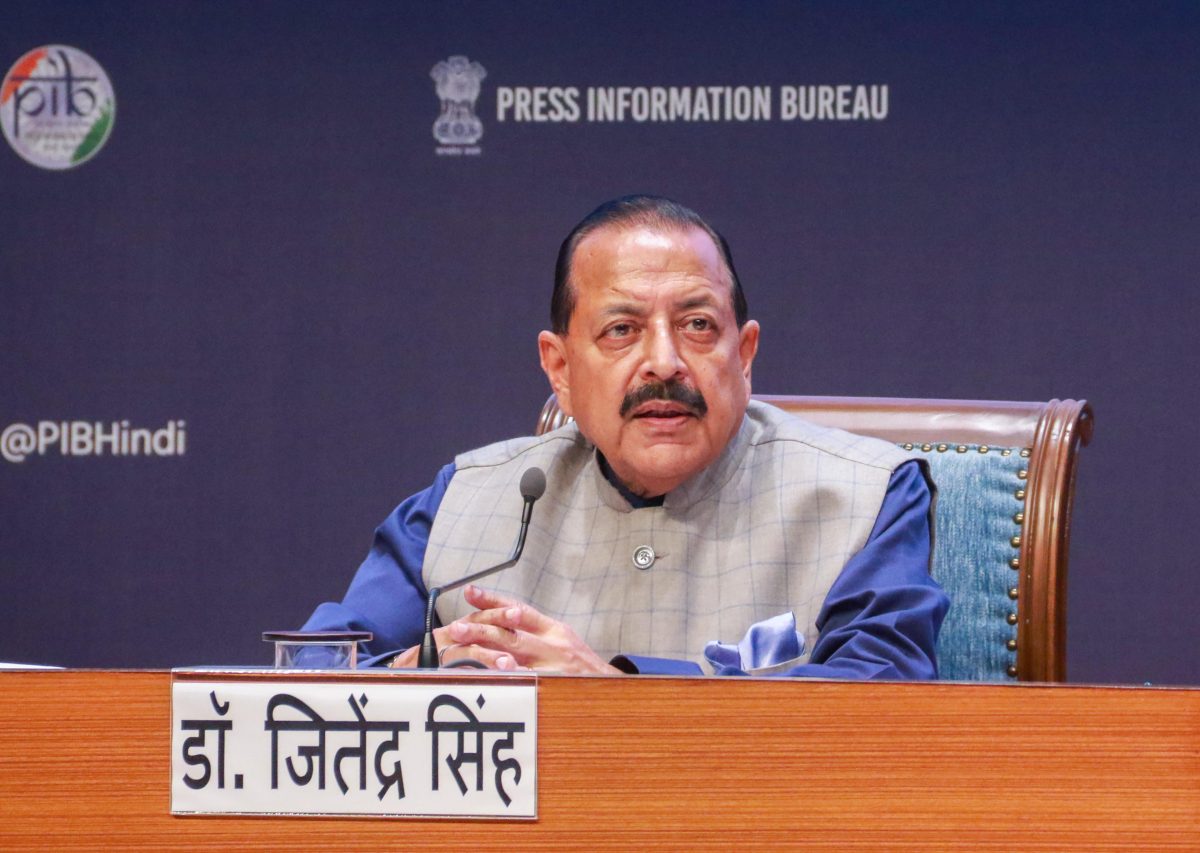
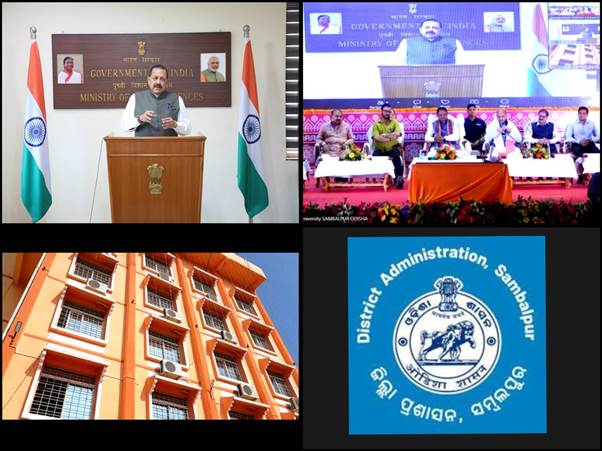
Union Minister of Earth Sciences Dr Jitendra Singh participated virtually in the launch ceremony. The vessel was named Sagar Manthan by Mrs Manju Singh. Its construction designation was Yard 3041.
The event represents an important development in India's efforts to build specialised oceanographic research infrastructure domestically. However, students must distinguish the launching of a vessel from its final commissioning. Sagar Manthan was launched into the water in September 2026, while its final delivery and commissioning are scheduled for 2028, following additional construction, equipment integration and sea trials.
1. What Is ORV Sagar Manthan?
ORV stands for Ocean Research Vessel. An ocean research vessel is a ship equipped to conduct scientific investigations at sea. Unlike an ordinary cargo or passenger ship, its design prioritises research instruments, scientific laboratories, sampling equipment and facilities for deploying specialised underwater systems.
Sagar Manthan is an all-weather, multidisciplinary ocean research platform. According to the Ministry of Earth Sciences, it has been engineered to operate in challenging oceanic environments, including the Southern Ocean.
Its projected service life is 30 years. This is the planned operational lifespan stated for the vessel, not a guarantee that it will remain in service for exactly that period.
The ship is intended to support research across several scientific disciplines. These include physical oceanography, marine geology, geophysics, atmospheric science and the study of resources and environmental conditions beneath the ocean surface.
2. Who Built the Vessel?
Garden Reach Shipbuilders & Engineers Limited designed, engineered and constructed Sagar Manthan.
GRSE is a defence public sector undertaking associated with shipbuilding. Its involvement demonstrates the application of domestic shipbuilding capabilities to scientific research infrastructure.
The vessel is being built for the National Centre for Polar and Ocean Research, commonly abbreviated as NCPOR.
NCPOR functions under the Ministry of Earth Sciences. Its research activities are associated with polar and ocean sciences, making it an important institution for understanding India's scientific interests in the oceans and polar regions.
For examinations, remember the institutional relationship: builder—GRSE; intended research institution—NCPOR; administrative ministry—Ministry of Earth Sciences.
3. Connection with the Deep Ocean Mission
Sagar Manthan is being constructed under Vertical-4 of the Deep Ocean Mission.
Vertical-4 is concerned with Deep Ocean Survey and Exploration. The vessel will provide a platform for collecting scientific information from ocean areas that are difficult to investigate using shore-based facilities alone.
Ocean surveys can help researchers study seabed features, underwater geological formations, ocean-water properties and the distribution of potential mineral resources.
The Ministry specifically identified exploration along the mid-oceanic ridges of the Indian Ocean as one of the vessel's intended research activities.
Mid-oceanic ridges are extensive underwater mountain systems associated with tectonic plate boundaries where new oceanic crust can form. Their geological processes can create environments associated with hydrothermal activity and mineral deposition.
The vessel is intended to help identify multi-metal hydrothermal sulphide mineralisation in relevant areas of the Indian Ocean.
Hydrothermal mineral deposits can form when heated, mineral-rich fluids circulate through oceanic crust and interact with seawater. Under suitable conditions, dissolved minerals precipitate and accumulate on or beneath the seabed.
Such deposits are of scientific interest because they provide information about geological processes and may contain economically significant metals. Identifying a deposit, however, does not automatically establish that extracting it would be technically feasible, commercially viable or environmentally acceptable.
4. Major Scientific Equipment
Sagar Manthan is planned to carry several advanced scientific and operational systems.
One of these is multibeam bathymetry. Bathymetry refers to the measurement and mapping of underwater depth and seabed topography.
A multibeam system uses multiple acoustic beams to collect depth measurements across a broad area beneath and around a vessel. This allows researchers to develop detailed representations of the seabed.
The vessel will also feature multichannel seismic systems and sub-bottom profiling equipment.
Seismic methods use the behaviour of sound or seismic waves to investigate geological structures. Sub-bottom profiling helps scientists examine layers of sediment beneath the seabed.
These systems can support research into marine geological history, sediment distribution and underwater formations.
The ship will also have weather radar and facilities for atmospheric observations. Such equipment can contribute to the study of weather and ocean-atmosphere interactions.
Another important capability is dynamic positioning. This refers to the use of a ship's propulsion and control systems to maintain its position or heading without relying exclusively on anchoring.
Maintaining a stable position can be particularly useful when deploying scientific instruments or conducting observations at a selected location.
5. ROV and AUV Deployment
Sagar Manthan will have facilities for deploying Remotely Operated Vehicles and Autonomous Underwater Vehicles.
ROV stands for Remotely Operated Vehicle. In ocean research, an ROV is an underwater vehicle controlled remotely by operators, usually through a communication connection with a surface platform.
AUV stands for Autonomous Underwater Vehicle. An AUV can perform underwater missions using onboard control systems and programmed instructions, with varying levels of autonomy depending on its design.
These systems can help scientists investigate underwater areas without requiring human divers to enter difficult or hazardous deep-sea environments.
They may support seabed observation, mapping, sampling and the inspection of underwater features, depending on the equipment installed on a particular vehicle.
The Ministry's announcement confirms that Sagar Manthan will have deployment facilities for these technologies. It does not specify the exact number or models of ROVs and AUVs that will ultimately be carried.
6. Understanding CTD Profiling
The Ministry also identified CTD profiling as one of the vessel's research functions.
CTD stands for Conductivity, Temperature and Depth.
A CTD instrument measures properties of seawater at different depths. Conductivity can be used to help determine salinity, while temperature and depth measurements provide additional information about the structure of the water column.
These measurements are important because seawater properties vary across geographical areas and depths.
Differences in temperature and salinity influence seawater density, which is relevant to ocean circulation and the movement of water masses.
CTD profiling therefore supports the scientific study of ocean conditions rather than merely measuring how deep the water is.
7. Research on Climate and Natural Hazards
Ocean research contributes to understanding climate variability, marine ecosystems and the interaction between oceans and the atmosphere.
The Ministry highlighted the relevance of scientific observations to climate challenges, polar glacier changes and tsunami-related research.
Oceans absorb and redistribute large amounts of heat. Their physical conditions influence weather patterns and long-term climate processes.
Scientific observations can help improve understanding of these processes and provide data for research models.
Oceanographic and geophysical investigations can also contribute to the broader scientific knowledge used in studying marine hazards. However, the launch of a research vessel does not itself constitute the installation of a complete tsunami-warning system.
The vessel's contribution will depend on its eventual research operations, the quality of observations collected and how those observations are incorporated into scientific analysis.
8. Southern Ocean Research
The Ministry stated that Sagar Manthan has been engineered for demanding oceanic environments, including the Southern Ocean.
The Southern Ocean surrounds Antarctica and plays an important role in global ocean circulation and climate processes.
Its waters connect major ocean basins and participate in the movement of heat, dissolved substances and water masses.
Research in this region can help scientists investigate ocean-atmosphere interactions and the relationship between polar conditions and the wider climate system.
Operating in such environments requires appropriate vessel design, equipment reliability and safety arrangements because weather and sea conditions can be challenging.
9. Replacement of ORV Sagar Kanya
Sagar Manthan is intended gradually to replace the older ocean research vessel Sagar Kanya.
According to the Ministry of Earth Sciences, Sagar Kanya was procured from Germany in 1983 and had been in service for approximately 43 years by 2026.
The replacement is significant because scientific research vessels require specialised equipment and ongoing maintenance. Newer platforms can incorporate more recent technologies and support different combinations of research instruments.
Students should remember that Sagar Kanya is the older vessel and Sagar Manthan is the newly launched indigenous research vessel.
The Ministry also referred to plans to acquire additional oceanographic vessels and a Polar Research Vessel in the future. The announcement did not establish that those proposed vessels had already been delivered.
10. Project Timeline
The official release provides several important construction milestones.
The contract for Sagar Manthan was signed in July 2024.
The first steel cutting took place on 29 November 2024.
The keel-laying ceremony was held on 8 April 2026.
The vessel was launched at Kolkata on 9 September 2026.
Its final delivery and commissioning are scheduled for 2028.
Keel laying is a major milestone in ship construction. Traditionally, it marks the laying of the principal structural foundation of a vessel. In modern shipbuilding, the precise construction process may differ according to the method used.
Launching refers to placing the vessel into the water. It does not mean that all equipment has been installed or that the ship is ready for operational research missions.
After launching, additional construction and integration activities can continue. For Sagar Manthan, the Ministry identified superstructure erection, system integration and extensive sea trials as the next steps before final delivery.
Sea trials are tests conducted in operating conditions to assess a vessel and its systems before acceptance or commissioning.
11. Certification and Safety Standards
Sagar Manthan is being built under dual-class certification by the Indian Register of Shipping and the American Bureau of Shipping.
The Indian Register of Shipping is abbreviated as IRS, while the American Bureau of Shipping is abbreviated as ABS.
Classification organisations assess ships against applicable technical requirements relating to their design, construction and other relevant systems.
The Ministry stated that the vessel has been built in compliance with international regulatory standards under the dual-class arrangement.
For examinations, the two classification organisations are useful factual details, but students should not confuse them with the vessel's builder or operating institution.
12. Significance for India's Scientific Infrastructure
Sagar Manthan represents an investment in specialised infrastructure needed for marine scientific research.
Scientific vessels enable researchers to collect observations directly from the sea, deploy instruments and investigate regions that cannot be studied adequately from land alone.
The project's indigenous construction is relevant to domestic technological capability, while its intended scientific functions connect with the Deep Ocean Mission, marine resources and climate research.
For UPSC General Studies Paper III, the project can be studied under science and technology, infrastructure, environmental research and the sustainable use of marine resources.
For SSC and Railway examinations, the most important facts are the vessel's name, launch date, shipyard, builder, intended institution, ministry, approximate cost and connection with the Deep Ocean Mission.
The central distinction to remember is that Sagar Manthan was launched in September 2026 but had not yet reached its scheduled final delivery and commissioning stage. Its future scientific contributions will be assessed through its actual research operations after completion.
क्या हुआ?
भारत ने 9 सितंबर 2026 को कोलकाता स्थित ऋषि बंकिम शिपयार्ड में अपने उन्नत महासागर अनुसंधान पोत 'सागर मंथन' का जलावतरण किया। इस पोत का डिजाइन और निर्माण गार्डन रीच शिपबिल्डर्स एंड इंजीनियर्स लिमिटेड ने राष्ट्रीय ध्रुवीय एवं महासागर अनुसंधान केंद्र के लिए किया है। यह केंद्र पृथ्वी विज्ञान मंत्रालय के अंतर्गत कार्य करता है।
परियोजना की अनुमानित लागत ₹840 करोड़ है। यह भारत के गहरे महासागर मिशन के चौथे घटक, गहरे महासागर सर्वेक्षण और अन्वेषण, का हिस्सा है। पोत को समुद्र विज्ञान, समुद्री भूविज्ञान, वायुमंडलीय अवलोकन और गहरे समुद्र के खनिज संसाधनों के अन्वेषण सहित अनेक वैज्ञानिक जाँचों के लिए विकसित किया गया है।
केंद्रीय पृथ्वी विज्ञान मंत्री डॉ. जितेंद्र सिंह ने शुभारंभ समारोह में आभासी माध्यम से भाग लिया। श्रीमती मंजू सिंह ने पोत का नाम 'सागर मंथन' रखा। निर्माण के दौरान इसकी पहचान यार्ड 3041 के रूप में थी।
यह आयोजन भारत में विशेष महासागर अनुसंधान अवसंरचना के घरेलू निर्माण की दिशा में महत्वपूर्ण विकास है। हालाँकि विद्यार्थियों को किसी पोत के जलावतरण और उसके अंतिम परिचालन आरंभ होने के बीच अंतर समझना चाहिए। सागर मंथन को सितंबर 2026 में जल में उतारा गया, जबकि अतिरिक्त निर्माण, उपकरण एकीकरण और समुद्री परीक्षणों के बाद इसकी अंतिम सुपुर्दगी तथा परिचालन वर्ष 2028 के लिए निर्धारित हैं।
1. सागर मंथन क्या है?
ORV का पूरा नाम Ocean Research Vessel है। महासागर अनुसंधान पोत ऐसा जहाज होता है जिसमें समुद्र में वैज्ञानिक जाँच करने के लिए विशेष उपकरण उपलब्ध होते हैं। सामान्य मालवाहक या यात्री जहाज के विपरीत इसके डिजाइन में अनुसंधान उपकरणों, वैज्ञानिक प्रयोगशालाओं, नमूना संग्रहण उपकरणों और विशेष पानी के भीतर कार्य करने वाली प्रणालियों को तैनात करने की सुविधाओं को प्राथमिकता दी जाती है।
सागर मंथन सभी प्रकार की मौसम संबंधी परिस्थितियों में कार्य करने के उद्देश्य से विकसित बहुविषयक महासागर अनुसंधान मंच है। पृथ्वी विज्ञान मंत्रालय के अनुसार इसे दक्षिणी महासागर सहित चुनौतीपूर्ण समुद्री वातावरण में कार्य करने के लिए तैयार किया गया है।
इसकी अनुमानित सेवा अवधि 30 वर्ष है। यह पोत की नियोजित परिचालन अवधि है, न कि इस बात की गारंटी कि वह ठीक इतने ही वर्ष सेवा में रहेगा।
पोत का उद्देश्य कई वैज्ञानिक विषयों में अनुसंधान को सहायता देना है। इनमें भौतिक समुद्र विज्ञान, समुद्री भूविज्ञान, भूभौतिकी, वायुमंडलीय विज्ञान और समुद्र की सतह के नीचे संसाधनों तथा पर्यावरणीय परिस्थितियों का अध्ययन शामिल है।
2. पोत का निर्माण किसने किया?
सागर मंथन का डिजाइन, अभियांत्रिकी और निर्माण गार्डन रीच शिपबिल्डर्स एंड इंजीनियर्स लिमिटेड ने किया है।
यह रक्षा क्षेत्र का सार्वजनिक उपक्रम है और जहाज निर्माण से संबंधित है। इसकी भागीदारी वैज्ञानिक अनुसंधान अवसंरचना में घरेलू जहाज निर्माण क्षमता के उपयोग को दर्शाती है।
यह पोत राष्ट्रीय ध्रुवीय एवं महासागर अनुसंधान केंद्र के लिए बनाया जा रहा है। इस संस्था को संक्षेप में NCPOR कहा जाता है।
यह केंद्र पृथ्वी विज्ञान मंत्रालय के अंतर्गत कार्य करता है। इसकी अनुसंधान गतिविधियाँ ध्रुवीय और महासागर विज्ञान से संबंधित हैं। इसलिए महासागरों तथा ध्रुवीय क्षेत्रों में भारत के वैज्ञानिक हितों को समझने के लिए यह महत्वपूर्ण संस्था है।
परीक्षाओं के लिए संस्थागत संबंध याद रखें—निर्माता: गार्डन रीच शिपबिल्डर्स एंड इंजीनियर्स लिमिटेड; संबंधित अनुसंधान संस्था: राष्ट्रीय ध्रुवीय एवं महासागर अनुसंधान केंद्र; प्रशासनिक मंत्रालय: पृथ्वी विज्ञान मंत्रालय।
3. गहरे महासागर मिशन से संबंध
सागर मंथन का निर्माण गहरे महासागर मिशन के चौथे घटक के अंतर्गत किया जा रहा है।
चौथा घटक गहरे महासागर सर्वेक्षण और अन्वेषण से संबंधित है। यह पोत ऐसे समुद्री क्षेत्रों से वैज्ञानिक जानकारी एकत्र करने का मंच प्रदान करेगा जिनकी पर्याप्त जाँच केवल तट पर स्थित सुविधाओं से करना कठिन है।
महासागर सर्वेक्षण से समुद्र तल की आकृतियों, पानी के नीचे की भूवैज्ञानिक संरचनाओं, समुद्री जल के गुणों और संभावित खनिज संसाधनों के वितरण का अध्ययन किया जा सकता है।
मंत्रालय ने हिंद महासागर की मध्य-महासागरीय पर्वत शृंखलाओं के आसपास अन्वेषण को पोत की नियोजित अनुसंधान गतिविधियों में विशेष रूप से शामिल किया है।
मध्य-महासागरीय पर्वत शृंखलाएँ पानी के नीचे फैली विशाल पर्वतीय प्रणालियाँ होती हैं। इनका संबंध विवर्तनिक प्लेटों की सीमाओं से होता है, जहाँ नई महासागरीय भूपर्पटी बन सकती है। इनकी भूवैज्ञानिक प्रक्रियाएँ जलतापीय गतिविधियों और खनिज निक्षेपों के अनुकूल परिस्थितियाँ उत्पन्न कर सकती हैं।
पोत का उद्देश्य हिंद महासागर के संबंधित क्षेत्रों में अनेक धातुओं वाले जलतापीय सल्फाइड खनिजीकरण की पहचान करने में सहायता देना है।
जलतापीय खनिज निक्षेप तब बन सकते हैं जब गर्म, खनिजयुक्त द्रव महासागरीय भूपर्पटी से होकर प्रवाहित होते हैं और समुद्री जल के संपर्क में आते हैं। उपयुक्त परिस्थितियों में घुले हुए खनिज अवक्षेपित होकर समुद्र तल पर अथवा उसके नीचे जमा हो सकते हैं।
ऐसे निक्षेप वैज्ञानिक दृष्टि से महत्वपूर्ण हैं क्योंकि वे भूवैज्ञानिक प्रक्रियाओं की जानकारी देते हैं और उनमें आर्थिक महत्व वाली धातुएँ हो सकती हैं। हालाँकि किसी निक्षेप की पहचान से अपने आप यह सिद्ध नहीं होता कि उसका खनन तकनीकी रूप से संभव, व्यावसायिक रूप से लाभकारी या पर्यावरणीय दृष्टि से स्वीकार्य होगा।
4. प्रमुख वैज्ञानिक उपकरण
सागर मंथन में अनेक उन्नत वैज्ञानिक और परिचालन प्रणालियाँ स्थापित करने की योजना है।
इनमें बहुकिरणीय समुद्री गहराई मापन प्रणाली शामिल है। समुद्री गहराई मापन का अर्थ पानी के नीचे की गहराई और समुद्र तल की स्थलाकृति का मापन तथा मानचित्रण है।
बहुकिरणीय प्रणाली अनेक ध्वनिक किरणों का उपयोग करके पोत के नीचे और आसपास के व्यापक क्षेत्र से गहराई संबंधी आँकड़े एकत्र करती है। इससे शोधकर्ता समुद्र तल का विस्तृत मानचित्र तैयार कर सकते हैं।
पोत में बहुचैनलीय भूकंपीय प्रणालियाँ और समुद्र तल के नीचे की परतों का अध्ययन करने वाले उपकरण भी होंगे।
भूकंपीय विधियों में ध्वनि अथवा भूकंपीय तरंगों के व्यवहार का उपयोग करके भूवैज्ञानिक संरचनाओं की जाँच की जाती है। समुद्र तल के नीचे की परतों का अध्ययन करने वाले उपकरण तलछट की विभिन्न परतों की जानकारी प्राप्त करने में सहायता करते हैं।
ये प्रणालियाँ समुद्री भूवैज्ञानिक इतिहास, तलछट के वितरण और पानी के नीचे की संरचनाओं के अनुसंधान में उपयोगी हो सकती हैं।
जहाज में मौसम रडार और वायुमंडलीय अवलोकन की सुविधाएँ भी होंगी। ऐसे उपकरण मौसम तथा महासागर और वायुमंडल के बीच पारस्परिक संबंधों के अध्ययन में योगदान दे सकते हैं।
एक अन्य महत्वपूर्ण क्षमता गतिशील स्थिति नियंत्रण है। इसका अर्थ जहाज की प्रणोदन और नियंत्रण प्रणालियों का उपयोग करके केवल लंगर पर निर्भर हुए बिना उसकी स्थिति अथवा दिशा बनाए रखना है।
किसी निर्धारित स्थान पर वैज्ञानिक उपकरण उतारते समय अथवा अवलोकन करते समय जहाज की स्थिति स्थिर बनाए रखना विशेष रूप से उपयोगी हो सकता है।
5. दूरस्थ संचालित और स्वायत्त पानी के भीतर चलने वाले वाहन
सागर मंथन में दूरस्थ संचालित वाहनों और स्वायत्त पानी के भीतर चलने वाले वाहनों को तैनात करने की सुविधाएँ होंगी।
ROV का पूरा नाम Remotely Operated Vehicle है। महासागर अनुसंधान में यह ऐसा पानी के भीतर चलने वाला वाहन होता है जिसे संचालक दूर से नियंत्रित करते हैं। सामान्यतः इसके लिए सतह पर स्थित मंच से संचार संबंध उपलब्ध होता है।
AUV का पूरा नाम Autonomous Underwater Vehicle है। यह ऐसा वाहन होता है जो अपने भीतर उपलब्ध नियंत्रण प्रणालियों और निर्धारित निर्देशों का उपयोग करके पानी के भीतर अभियान चला सकता है। इसकी स्वायत्तता का स्तर डिजाइन के अनुसार अलग हो सकता है।
ये प्रणालियाँ वैज्ञानिकों को ऐसे कठिन या जोखिमपूर्ण गहरे समुद्री वातावरण की जाँच करने में सहायता कर सकती हैं जहाँ मानव गोताखोरों को भेजना उचित नहीं होता।
किसी विशेष वाहन में लगे उपकरणों के अनुसार इनका उपयोग समुद्र तल के अवलोकन, मानचित्रण, नमूना संग्रहण और पानी के भीतर की संरचनाओं के निरीक्षण में किया जा सकता है।
मंत्रालय की घोषणा पुष्टि करती है कि सागर मंथन में इन तकनीकों को तैनात करने की सुविधाएँ होंगी। इसमें अंततः रखे जाने वाले वाहनों की सटीक संख्या या मॉडल नहीं बताए गए हैं।
6. CTD प्रोफाइलिंग को समझना
मंत्रालय ने CTD प्रोफाइलिंग को भी पोत के अनुसंधान कार्यों में शामिल किया है।
CTD का पूरा नाम Conductivity, Temperature and Depth है। इसका अर्थ चालकता, तापमान और गहराई है।
CTD उपकरण अलग-अलग गहराइयों पर समुद्री जल के गुणों का मापन करता है। चालकता की सहायता से लवणता निर्धारित की जा सकती है, जबकि तापमान और गहराई के मापन से जल स्तंभ की संरचना के बारे में अतिरिक्त जानकारी प्राप्त होती है।
ये मापन महत्वपूर्ण हैं क्योंकि समुद्री जल के गुण भौगोलिक क्षेत्रों और गहराइयों के अनुसार बदलते हैं।
तापमान और लवणता में अंतर समुद्री जल के घनत्व को प्रभावित करता है। यह महासागरीय परिसंचरण और जल राशियों की गति के अध्ययन के लिए प्रासंगिक है।
इस प्रकार CTD प्रोफाइलिंग केवल पानी की गहराई मापने तक सीमित नहीं है, बल्कि महासागरीय परिस्थितियों के वैज्ञानिक अध्ययन में सहायता करती है।
7. जलवायु और प्राकृतिक खतरों पर अनुसंधान
महासागर अनुसंधान जलवायु परिवर्तनशीलता, समुद्री पारिस्थितिकी तंत्र और महासागर तथा वायुमंडल के बीच संबंधों को समझने में योगदान देता है।
मंत्रालय ने जलवायु संबंधी चुनौतियों, ध्रुवीय हिमनदों में परिवर्तन और सुनामी संबंधी अनुसंधान के लिए वैज्ञानिक अवलोकनों की प्रासंगिकता बताई है।
महासागर बड़ी मात्रा में ऊष्मा अवशोषित करते हैं और उसका पुनर्वितरण करते हैं। उनकी भौतिक परिस्थितियाँ मौसम के स्वरूप और दीर्घकालीन जलवायु प्रक्रियाओं को प्रभावित करती हैं।
वैज्ञानिक अवलोकन इन प्रक्रियाओं की समझ बेहतर बनाने और अनुसंधान मॉडलों के लिए आँकड़े उपलब्ध कराने में सहायता कर सकते हैं।
समुद्र विज्ञान और भूभौतिकीय जाँच समुद्री खतरों के अध्ययन में उपयोग होने वाले व्यापक वैज्ञानिक ज्ञान में भी योगदान दे सकती हैं। हालाँकि अनुसंधान पोत का जलावतरण अपने आप संपूर्ण सुनामी चेतावनी प्रणाली की स्थापना नहीं है।
पोत का वास्तविक योगदान उसके भविष्य के अनुसंधान अभियानों, एकत्र किए गए अवलोकनों की गुणवत्ता और वैज्ञानिक विश्लेषण में उनके उपयोग पर निर्भर करेगा।
8. दक्षिणी महासागर में अनुसंधान
मंत्रालय ने बताया कि सागर मंथन को दक्षिणी महासागर सहित चुनौतीपूर्ण समुद्री वातावरण के लिए तैयार किया गया है।
दक्षिणी महासागर अंटार्कटिका को घेरे हुए है और वैश्विक महासागरीय परिसंचरण तथा जलवायु प्रक्रियाओं में महत्वपूर्ण भूमिका निभाता है।
इसके जल प्रमुख महासागरीय बेसिनों को जोड़ते हैं और ऊष्मा, घुले हुए पदार्थों तथा जल राशियों की गति में भाग लेते हैं।
इस क्षेत्र में अनुसंधान से वैज्ञानिक महासागर-वायुमंडल संबंधों और ध्रुवीय परिस्थितियों तथा व्यापक जलवायु प्रणाली के बीच संबंधों की जाँच कर सकते हैं।
ऐसे वातावरण में कार्य करने के लिए उपयुक्त जहाज डिजाइन, उपकरणों की विश्वसनीयता और सुरक्षा व्यवस्थाएँ आवश्यक होती हैं क्योंकि मौसम तथा समुद्री परिस्थितियाँ चुनौतीपूर्ण हो सकती हैं।
9. सागर कन्या का स्थान लेने की योजना
सागर मंथन का उद्देश्य पुराने महासागर अनुसंधान पोत सागर कन्या का क्रमिक रूप से स्थान लेना है।
पृथ्वी विज्ञान मंत्रालय के अनुसार सागर कन्या वर्ष 1983 में जर्मनी से प्राप्त किया गया था और वर्ष 2026 तक लगभग 43 वर्षों से सेवा में था।
यह बदलाव महत्वपूर्ण है क्योंकि वैज्ञानिक अनुसंधान पोतों को विशेष उपकरणों और निरंतर रखरखाव की आवश्यकता होती है। नए मंच अधिक आधुनिक तकनीकों को शामिल कर सकते हैं और अनुसंधान उपकरणों के अलग-अलग संयोजनों का समर्थन कर सकते हैं।
विद्यार्थियों को याद रखना चाहिए कि सागर कन्या पुराना पोत है और सागर मंथन नया स्वदेशी अनुसंधान पोत है।
मंत्रालय ने भविष्य में अतिरिक्त महासागर अनुसंधान पोत और एक ध्रुवीय अनुसंधान पोत प्राप्त करने की योजनाओं का भी उल्लेख किया है। घोषणा में यह नहीं कहा गया है कि इन प्रस्तावित पोतों की सुपुर्दगी पहले ही हो चुकी है।
10. परियोजना की समयरेखा
आधिकारिक विज्ञप्ति में निर्माण की कई महत्वपूर्ण तिथियाँ दी गई हैं।
सागर मंथन के लिए अनुबंध जुलाई 2024 में हुआ।
पहली इस्पात कटाई 29 नवंबर 2024 को हुई।
कील बिछाने का समारोह 8 अप्रैल 2026 को आयोजित हुआ।
पोत का जलावतरण 9 सितंबर 2026 को कोलकाता में हुआ।
अंतिम सुपुर्दगी और परिचालन वर्ष 2028 के लिए निर्धारित हैं।
कील बिछाना जहाज निर्माण का प्रमुख चरण है। पारंपरिक रूप से यह पोत की मुख्य संरचनात्मक नींव रखने से संबंधित है। आधुनिक जहाज निर्माण में उपयोग की जाने वाली विधि के अनुसार निर्माण की सटीक प्रक्रिया अलग हो सकती है।
जलावतरण का अर्थ पोत को जल में उतारना है। इसका अर्थ यह नहीं है कि सभी उपकरण स्थापित हो चुके हैं अथवा जहाज परिचालन अनुसंधान अभियानों के लिए तैयार है।
जलावतरण के बाद अतिरिक्त निर्माण और उपकरणों के एकीकरण का कार्य जारी रह सकता है। सागर मंथन के लिए मंत्रालय ने अंतिम सुपुर्दगी से पहले ऊपरी संरचना का निर्माण, प्रणालियों का एकीकरण और व्यापक समुद्री परीक्षण अगले चरण बताए हैं।
समुद्री परीक्षण परिचालन परिस्थितियों में किए जाने वाले परीक्षण होते हैं जिनसे स्वीकृति अथवा परिचालन से पहले जहाज और उसकी प्रणालियों का आकलन किया जाता है।
11. प्रमाणन और सुरक्षा मानक
सागर मंथन का निर्माण भारतीय नौवहन रजिस्टर और अमेरिकन ब्यूरो ऑफ शिपिंग के दोहरे वर्गीकरण प्रमाणन के अंतर्गत किया जा रहा है।
भारतीय नौवहन रजिस्टर को IRS और अमेरिकन ब्यूरो ऑफ शिपिंग को ABS कहा जाता है।
जहाज वर्गीकरण संस्थाएँ डिजाइन, निर्माण और अन्य संबंधित प्रणालियों के लिए लागू तकनीकी आवश्यकताओं के आधार पर जहाजों का आकलन करती हैं।
मंत्रालय ने बताया कि पोत का निर्माण दोहरे वर्गीकरण की व्यवस्था के अंतर्गत अंतरराष्ट्रीय नियामक मानकों के अनुपालन में किया गया है।
परीक्षाओं के लिए दोनों वर्गीकरण संस्थाएँ उपयोगी तथ्य हैं, लेकिन विद्यार्थियों को इन्हें पोत के निर्माता या संचालन से संबंधित अनुसंधान संस्था के साथ नहीं मिलाना चाहिए।
12. भारत की वैज्ञानिक अवसंरचना के लिए महत्व
सागर मंथन समुद्री वैज्ञानिक अनुसंधान के लिए आवश्यक विशेष अवसंरचना में निवेश का उदाहरण है।
वैज्ञानिक पोत शोधकर्ताओं को समुद्र से सीधे अवलोकन एकत्र करने, उपकरण तैनात करने और ऐसे क्षेत्रों की जाँच करने में सक्षम बनाते हैं जिनका पर्याप्त अध्ययन केवल भूमि से नहीं किया जा सकता।
इस परियोजना का स्वदेशी निर्माण घरेलू तकनीकी क्षमता से संबंधित है, जबकि इसके नियोजित वैज्ञानिक कार्य गहरे महासागर मिशन, समुद्री संसाधनों और जलवायु अनुसंधान से जुड़े हैं।
UPSC सामान्य अध्ययन प्रश्नपत्र III के लिए इस परियोजना का अध्ययन विज्ञान एवं प्रौद्योगिकी, अवसंरचना, पर्यावरणीय अनुसंधान और समुद्री संसाधनों के सतत उपयोग के अंतर्गत किया जा सकता है।
SSC और Railway परीक्षाओं के लिए सबसे महत्वपूर्ण तथ्य पोत का नाम, जलावतरण की तिथि, शिपयार्ड, निर्माता, संबंधित संस्था, मंत्रालय, अनुमानित लागत और गहरे महासागर मिशन से संबंध हैं।
मुख्य अंतर यह याद रखना है कि सागर मंथन का जलावतरण सितंबर 2026 में हुआ, लेकिन इसकी निर्धारित अंतिम सुपुर्दगी और परिचालन का चरण अभी पूरा नहीं हुआ था। इसके भविष्य के वैज्ञानिक योगदान का आकलन निर्माण पूरा होने के बाद वास्तविक अनुसंधान अभियानों के आधार पर किया जाएगा।
Key Facts
• ORV Sagar Manthan was launched on 9 September 2026.
• The launch took place at Rishi Bankim Shipyard in Kolkata.
• ORV stands for Ocean Research Vessel.
• The vessel's construction designation was Yard 3041.
• Garden Reach Shipbuilders & Engineers Limited designed and constructed the vessel.
• GRSE is a defence public sector undertaking.
• The vessel is being built for the National Centre for Polar and Ocean Research.
• NCPOR functions under the Ministry of Earth Sciences.
• The approximate project cost is ₹840 crore.
• The vessel is part of Vertical-4, Deep Ocean Survey and Exploration, of the Deep Ocean Mission.
• The projected service life of Sagar Manthan is 30 years.
• The vessel is designed for challenging oceanic environments, including the Southern Ocean.
• It will support research on multi-metal hydrothermal sulphide mineralisation.
• Its equipment includes multibeam bathymetry and multichannel seismic systems.
• It will have facilities for deploying ROVs and AUVs.
• ROV stands for Remotely Operated Vehicle.
• AUV stands for Autonomous Underwater Vehicle.
• CTD stands for Conductivity, Temperature and Depth.
• Sagar Manthan is intended gradually to replace ORV Sagar Kanya.
• Sagar Kanya was procured from Germany in 1983.
• The Sagar Manthan contract was signed in July 2024.
• The first steel cutting took place on 29 November 2024.
• Keel laying took place on 8 April 2026.
• Final delivery and commissioning are scheduled for 2028.
• The vessel has dual-class certification involving IRS and ABS.
मुख्य तथ्य
• सागर मंथन महासागर अनुसंधान पोत का जलावतरण 9 सितंबर 2026 को हुआ।
• जलावतरण कोलकाता के ऋषि बंकिम शिपयार्ड में हुआ।
• ORV का पूरा नाम Ocean Research Vessel है।
• निर्माण के दौरान पोत की पहचान यार्ड 3041 थी।
• गार्डन रीच शिपबिल्डर्स एंड इंजीनियर्स लिमिटेड ने पोत का डिजाइन और निर्माण किया।
• गार्डन रीच शिपबिल्डर्स एंड इंजीनियर्स लिमिटेड रक्षा क्षेत्र का सार्वजनिक उपक्रम है।
• पोत राष्ट्रीय ध्रुवीय एवं महासागर अनुसंधान केंद्र के लिए बनाया जा रहा है।
• यह केंद्र पृथ्वी विज्ञान मंत्रालय के अंतर्गत कार्य करता है।
• परियोजना की अनुमानित लागत ₹840 करोड़ है।
• पोत गहरे महासागर मिशन के चौथे घटक, गहरे महासागर सर्वेक्षण और अन्वेषण, का हिस्सा है।
• सागर मंथन की अनुमानित सेवा अवधि 30 वर्ष है।
• पोत दक्षिणी महासागर सहित चुनौतीपूर्ण समुद्री वातावरण के लिए तैयार किया गया है।
• यह अनेक धातुओं वाले जलतापीय सल्फाइड खनिजीकरण के अनुसंधान में सहायता करेगा।
• इसके उपकरणों में बहुकिरणीय गहराई मापन और बहुचैनलीय भूकंपीय प्रणालियाँ शामिल हैं।
• इसमें दूरस्थ संचालित और स्वायत्त पानी के भीतर चलने वाले वाहनों की तैनाती की सुविधाएँ होंगी।
• ROV का पूरा नाम Remotely Operated Vehicle है।
• AUV का पूरा नाम Autonomous Underwater Vehicle है।
• CTD का पूरा नाम Conductivity, Temperature and Depth है।
• सागर मंथन का उद्देश्य सागर कन्या का क्रमिक रूप से स्थान लेना है।
• सागर कन्या वर्ष 1983 में जर्मनी से प्राप्त किया गया था।
• सागर मंथन का अनुबंध जुलाई 2024 में हुआ।
• पहली इस्पात कटाई 29 नवंबर 2024 को हुई।
• कील बिछाने का कार्य 8 अप्रैल 2026 को हुआ।
• अंतिम सुपुर्दगी और परिचालन वर्ष 2028 के लिए निर्धारित हैं।
• पोत के दोहरे वर्गीकरण प्रमाणन में IRS और ABS शामिल हैं।
Background
India's Deep Ocean Mission includes scientific survey and exploration of deep-ocean environments. ORV Sagar Manthan is being constructed under its fourth vertical by GRSE for NCPOR, under the Ministry of Earth Sciences. The vessel was launched in Kolkata on 9 September 2026 at an approximate project cost of ₹840 crore. It is intended gradually to replace the older research vessel Sagar Kanya, which was procured from Germany in 1983.
पृष्ठभूमि
भारत के गहरे महासागर मिशन में गहरे समुद्री वातावरण का वैज्ञानिक सर्वेक्षण और अन्वेषण शामिल है। सागर मंथन का निर्माण इसके चौथे घटक के अंतर्गत गार्डन रीच शिपबिल्डर्स एंड इंजीनियर्स लिमिटेड द्वारा पृथ्वी विज्ञान मंत्रालय के अधीन राष्ट्रीय ध्रुवीय एवं महासागर अनुसंधान केंद्र के लिए किया जा रहा है। लगभग ₹840 करोड़ की परियोजना लागत वाले पोत का जलावतरण 9 सितंबर 2026 को कोलकाता में हुआ। इसका उद्देश्य वर्ष 1983 में जर्मनी से प्राप्त पुराने अनुसंधान पोत सागर कन्या का क्रमिक रूप से स्थान लेना है।
Why It Matters
Sagar Manthan is relevant because it expands India's planned capacity to conduct scientific investigations at sea using a domestically built research platform. Its intended capabilities connect with marine geology, ocean mapping, climate research and deep-sea mineral exploration. The project also illustrates the distinction between launching a ship and completing the testing and commissioning needed before operational research missions.
यह क्यों महत्वपूर्ण है?
सागर मंथन महत्वपूर्ण है क्योंकि यह घरेलू स्तर पर निर्मित अनुसंधान मंच के माध्यम से समुद्र में वैज्ञानिक जाँच करने की भारत की नियोजित क्षमता का विस्तार करता है। इसकी प्रस्तावित क्षमताएँ समुद्री भूविज्ञान, महासागर मानचित्रण, जलवायु अनुसंधान और गहरे समुद्र के खनिज अन्वेषण से जुड़ी हैं। यह परियोजना जहाज के जलावतरण और वास्तविक अनुसंधान अभियानों से पहले आवश्यक परीक्षण तथा परिचालन प्रक्रिया के बीच अंतर भी स्पष्ट करती है।
Exam Connection
Important for UPSC Prelims, GS-III Science and Technology, Geography, Environment, SSC, Railway, NDA and State PCS. Remember: vessel—ORV Sagar Manthan; launch—9 September 2026; location—Rishi Bankim Shipyard, Kolkata; builder—GRSE; institution—NCPOR; ministry—Ministry of Earth Sciences; project cost—approximately ₹840 crore; mission—Deep Ocean Mission, Vertical-4; projected service life—30 years; intended replacement—Sagar Kanya; scheduled commissioning—2028. Revise ROV, AUV, CTD, multibeam bathymetry, mid-oceanic ridges and hydrothermal sulphide deposits.
परीक्षा से संबंध
UPSC प्रारंभिक परीक्षा, GS-III विज्ञान एवं प्रौद्योगिकी, भूगोल, पर्यावरण, SSC, Railway, NDA और राज्य लोक सेवा आयोग की परीक्षाओं के लिए महत्वपूर्ण। याद रखें: पोत—सागर मंथन; जलावतरण—9 सितंबर 2026; स्थान—ऋषि बंकिम शिपयार्ड, कोलकाता; निर्माता—गार्डन रीच शिपबिल्डर्स एंड इंजीनियर्स लिमिटेड; संस्था—राष्ट्रीय ध्रुवीय एवं महासागर अनुसंधान केंद्र; मंत्रालय—पृथ्वी विज्ञान मंत्रालय; परियोजना लागत—लगभग ₹840 करोड़; मिशन—गहरे महासागर मिशन का चौथा घटक; अनुमानित सेवा अवधि—30 वर्ष; जिस पुराने पोत का स्थान लेगा—सागर कन्या; निर्धारित परिचालन वर्ष—2028। ROV, AUV, CTD, बहुकिरणीय गहराई मापन, मध्य-महासागरीय पर्वत शृंखलाओं और जलतापीय सल्फाइड निक्षेपों का अध्ययन करें।