What Happened
1. Why in News?
On 6 November 2026, the Office of the Principal Scientific Adviser to the Government of India and the Department for Promotion of Industry and Internal Trade launched an API integration between the Startup India Portal and the Indian Science, Technology and Engineering Facilities Map, known as I-STEM. The initiative aims to improve access to India's scientific research infrastructure for recognised startups.
2. Date and Place of Announcement
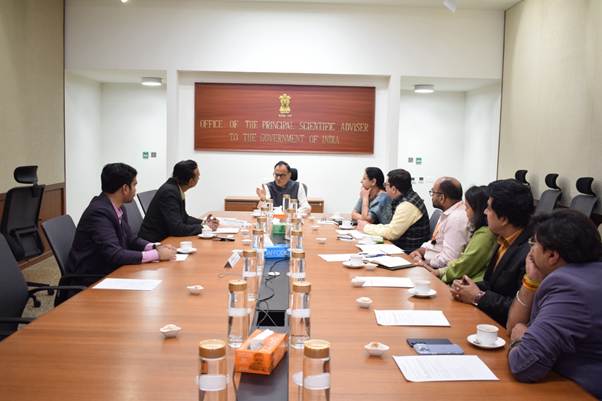
The integration was officially announced on 6 November 2026 through the Press Information Bureau in New Delhi. It was launched under the chairmanship of Professor Ajay Kumar Sood, Principal Scientific Adviser to the Government of India.
3. Participating Organisations
The principal organisations involved are the Office of the Principal Scientific Adviser and the Department for Promotion of Industry and Internal Trade, or DPIIT, under the Ministry of Commerce and Industry.
4. What Is I-STEM?
I-STEM stands for Indian Science, Technology and Engineering Facilities Map. It is a national platform intended to improve the visibility and accessibility of scientific research facilities and equipment available at participating institutions.
5. What Is Startup India?
Startup India is a Government of India initiative supporting entrepreneurship and innovation. Its portal provides information and services related to the startup ecosystem, including DPIIT recognition.
6. What Is API Integration?
An Application Programming Interface, or API, allows software systems to communicate through defined technical rules. API integration between the two portals enables relevant information and verification processes to operate across the platforms.
7. Main Objective
The primary objective is to make it easier for DPIIT-recognised startups to identify and request access to existing scientific and testing facilities instead of having to independently locate suitable infrastructure.
8. Scientific Equipment Listed
As of 6 November 2026, the I-STEM platform listed 31,540 equipment items. This figure represents listed equipment, not the number of startups or research projects.
9. Registered Institutions
The I-STEM platform had 4,044 registered institutions as of 6 November 2026. These institutions collectively represent an extensive network of research and testing infrastructure.
10. Why Equipment Access Matters
Scientific instruments can be expensive to purchase, maintain and operate. Early-stage technology companies may require specialised testing equipment without having the financial resources to establish complete laboratories of their own.
11. Automated Startup Verification
The integration enables automated verification of DPIIT recognition status. This can reduce repetitive administrative steps when eligible startups seek to use the connected research infrastructure.
12. Simplified Onboarding
Seamless linking between the platforms is intended to make onboarding easier. Startups can more efficiently discover facilities relevant to their research and product-development needs.
13. Access Is Not Automatically Guaranteed
The official announcement makes clear that individual facility-access requests will continue to be assessed and approved by the institutions hosting the equipment.
14. Technical Suitability
A host institution may evaluate whether the requested equipment is technically suitable for the proposed work. Not every instrument is appropriate for every experiment or industrial application.
15. Equipment Availability
Access depends on the availability of the relevant instrument. Equipment may already be reserved for teaching, research, maintenance or other approved activities.
16. Applicable Charges
Institutions may apply relevant charges for equipment usage or associated services. Portal integration should not be interpreted as a guarantee of free laboratory access.
17. Safety Requirements
Scientific equipment may involve electrical, chemical, mechanical, biological or other hazards. Host institutions retain responsibility for applying relevant safety requirements.
18. Institutional Permissions
Approvals remain subject to the policies and permissions of participating institutions. The integration simplifies discovery and requests but does not eliminate institutional oversight.
19. Benefits for Deep-Tech Startups
Deep-tech startups develop products or services based on substantial scientific or engineering innovation. Access to advanced research infrastructure can help such enterprises conduct experiments and evaluate prototypes.
20. Benefits for Hardware Startups
Hardware-oriented startups often need equipment for materials testing, measurement, reliability evaluation and prototype development. Shared access may reduce the need for large initial capital expenditure.
21. Research and Development
Research and development involves systematic investigation and experimentation to create or improve technologies. Better access to equipment can support the transition from scientific ideas to tested technical solutions.
22. Prototype Development
A prototype is an early version of a product or system used for testing. Laboratory facilities can help startups identify design limitations before attempting commercial production.
23. Testing and Validation
Testing checks whether a technology performs as intended. Validation assesses whether it meets relevant requirements for its intended use. Access to suitable scientific facilities can support both activities.
24. Reducing Infrastructure Duplication
Sharing existing scientific infrastructure may reduce unnecessary duplication of expensive equipment. This can improve the utilisation of publicly and institutionally funded research resources.
25. Resource Efficiency
Resource efficiency means obtaining greater value from available resources. A national equipment-discovery platform can help improve utilisation by connecting users with facilities that already exist.
26. Research Institutions and Industry
The initiative seeks to strengthen links between scientific institutions and entrepreneurial enterprises. Such collaboration can help translate research capabilities into practical technologies.
27. Technology Commercialisation
Technology commercialisation involves developing a scientific or technical innovation into a product or service suitable for market use. Access to testing infrastructure can help startups address technical uncertainties during this process.
28. Innovation Ecosystem
An innovation ecosystem includes startups, universities, research institutions, investors, government agencies and industry partners. Effective coordination among these participants can support technological development.
29. Role of the Principal Scientific Adviser
The Principal Scientific Adviser to the Government of India provides high-level scientific advice and supports coordination across India's science, technology and innovation ecosystem.
30. Role of DPIIT
DPIIT functions under the Ministry of Commerce and Industry and is associated with industrial development, investment promotion and the Startup India initiative.
31. Leadership at the Launch
The launch was chaired by Professor Ajay Kumar Sood. Other participants identified in the official announcement included Dr Parvinder Maini, Scientific Secretary in the Office of the PSA, and Ateesh Kumar Singh, Additional Secretary, DPIIT.
32. Importance for Small Enterprises
Small technology enterprises may face substantial financial barriers when seeking specialised scientific instruments. Easier discovery of existing facilities can help reduce information barriers, although equipment charges and other conditions still apply.
33. Potential Benefits for Universities
Research institutions may benefit from stronger engagement with startups, new collaborative projects and greater utilisation of scientific equipment, subject to their policies and available capacity.
34. Importance for Indian Manufacturing
Scientific testing and prototype validation are relevant to advanced manufacturing. Better access to research facilities may help innovative enterprises improve product quality and technical readiness.
35. Digital Public Infrastructure Perspective
The integration demonstrates how interoperable government-supported digital platforms can connect users with existing services. Its value depends on reliable information exchange, secure verification and effective institutional processes.
36. Difference Between Discovery and Permission
Discovering a laboratory through a portal is different from obtaining permission to use its instruments. Startups must still meet the host institution's requirements.
37. Importance of Accurate Equipment Listings
The government highlighted the need for regular updates to infrastructure information. Inaccurate or outdated listings could reduce the platform's usefulness to startups.
38. Wider Onboarding of Institutions
The official announcement identified broader onboarding of research facilities as an important factor for the initiative's future reach. Additional participating institutions could expand the range of discoverable resources.
39. Continued Startup Engagement
Sustained engagement between startups and host institutions will be important for effective implementation. Technical discussions, scheduling and institutional coordination remain necessary beyond digital integration.
40. What the Announcement Does Not Establish
The official release does not state that every listed equipment item is immediately available, that all facilities are free or that all startup access requests will be approved.
41. Important Examination Facts
The launch date is 6 November 2026. The participating agencies are the Office of the PSA and DPIIT. I-STEM stands for Indian Science, Technology and Engineering Facilities Map. The platform listed 31,540 equipment items across 4,044 registered institutions.
42. Overall Significance
The Startup India–I-STEM integration is a science and technology governance initiative designed to improve connections between entrepreneurial innovation and existing research infrastructure. Its success will depend on accurate facility listings, responsive institutions, clear access procedures and sustained cooperation between researchers and startups.
क्या हुआ?
1. चर्चा में क्यों?
6 नवंबर 2026 को भारत सरकार के प्रधान वैज्ञानिक सलाहकार के कार्यालय और उद्योग एवं आंतरिक व्यापार संवर्धन विभाग ने स्टार्टअप इंडिया पोर्टल तथा भारतीय विज्ञान, प्रौद्योगिकी एवं इंजीनियरिंग सुविधाओं के मानचित्र अर्थात I-STEM के बीच एपीआई एकीकरण शुरू किया। इसका उद्देश्य मान्यता प्राप्त स्टार्टअप को देश की वैज्ञानिक अनुसंधान सुविधाओं तक पहुंच बनाने में सहायता देना है।
2. घोषणा की तिथि और स्थान
इस एकीकरण की आधिकारिक घोषणा 6 नवंबर 2026 को नई दिल्ली से प्रेस सूचना ब्यूरो द्वारा की गई। इसका शुभारंभ भारत सरकार के प्रधान वैज्ञानिक सलाहकार प्रोफेसर अजय कुमार सूद की अध्यक्षता में हुआ।
3. भाग लेने वाले संगठन
इस पहल में प्रधान वैज्ञानिक सलाहकार का कार्यालय तथा वाणिज्य एवं उद्योग मंत्रालय के अंतर्गत उद्योग एवं आंतरिक व्यापार संवर्धन विभाग अर्थात DPIIT प्रमुख रूप से शामिल हैं।
4. I-STEM क्या है?
I-STEM का पूरा नाम Indian Science, Technology and Engineering Facilities Map है। यह एक राष्ट्रीय मंच है जिसका उद्देश्य भाग लेने वाले संस्थानों में उपलब्ध वैज्ञानिक अनुसंधान सुविधाओं और उपकरणों की जानकारी तथा पहुंच को बेहतर बनाना है।
5. स्टार्टअप इंडिया क्या है?
स्टार्टअप इंडिया भारत सरकार की उद्यमिता और नवाचार को समर्थन देने वाली पहल है। इसका पोर्टल स्टार्टअप पारिस्थितिकी तंत्र से संबंधित जानकारी और सेवाएं उपलब्ध कराता है, जिनमें DPIIT की मान्यता भी शामिल है।
6. एपीआई एकीकरण क्या है?
एप्लिकेशन प्रोग्रामिंग इंटरफेस अर्थात API निर्धारित तकनीकी नियमों के माध्यम से सॉफ्टवेयर प्रणालियों को आपस में संवाद करने देता है। दोनों पोर्टलों का एपीआई एकीकरण संबंधित जानकारी और सत्यापन प्रक्रियाओं को परस्पर जोड़ता है।
7. मुख्य उद्देश्य
इस पहल का मुख्य उद्देश्य DPIIT से मान्यता प्राप्त स्टार्टअप को उपलब्ध वैज्ञानिक और परीक्षण सुविधाओं की पहचान करने तथा उनके उपयोग का अनुरोध करने में आसानी प्रदान करना है।
8. सूचीबद्ध वैज्ञानिक उपकरण
6 नवंबर 2026 तक I-STEM मंच पर 31,540 उपकरण सूचीबद्ध थे। यह उपकरणों की संख्या है, स्टार्टअप या अनुसंधान परियोजनाओं की संख्या नहीं।
9. पंजीकृत संस्थान
6 नवंबर 2026 तक I-STEM पर 4,044 संस्थान पंजीकृत थे। ये संस्थान वैज्ञानिक अनुसंधान और परीक्षण अवसंरचना के व्यापक नेटवर्क का प्रतिनिधित्व करते हैं।
10. उपकरणों तक पहुंच क्यों महत्वपूर्ण है?
वैज्ञानिक उपकरण खरीदना, उनका रखरखाव करना और संचालन करना महंगा हो सकता है। शुरुआती चरण की प्रौद्योगिकी कंपनियों को विशेष परीक्षण उपकरणों की आवश्यकता हो सकती है, लेकिन उनके पास पूरी प्रयोगशाला स्थापित करने के संसाधन नहीं होते।
11. स्टार्टअप मान्यता का स्वचालित सत्यापन
यह एकीकरण DPIIT मान्यता की स्थिति का स्वचालित सत्यापन संभव बनाता है। इससे पात्र स्टार्टअप के लिए अनुसंधान सुविधाओं का उपयोग मांगते समय बार-बार होने वाली प्रशासनिक प्रक्रियाएं कम हो सकती हैं।
12. सरल पंजीकरण प्रक्रिया
दोनों मंचों के बीच सहज संपर्क से पंजीकरण और प्रारंभिक प्रक्रियाएं सरल होने की उम्मीद है। स्टार्टअप अपनी अनुसंधान तथा उत्पाद विकास आवश्यकताओं के अनुसार सुविधाएं अधिक आसानी से खोज सकेंगे।
13. उपयोग की अनुमति स्वतः नहीं मिलेगी
आधिकारिक घोषणा स्पष्ट करती है कि किसी सुविधा के उपयोग के प्रत्येक अनुरोध का मूल्यांकन और अनुमोदन उपकरण रखने वाला संबंधित संस्थान ही करेगा।
14. तकनीकी उपयुक्तता
संबंधित संस्थान यह जांच सकता है कि मांगा गया उपकरण प्रस्तावित कार्य के लिए तकनीकी रूप से उपयुक्त है या नहीं। प्रत्येक वैज्ञानिक उपकरण हर प्रयोग के लिए उपयुक्त नहीं होता।
15. उपकरण की उपलब्धता
उपयोग की अनुमति संबंधित उपकरण की उपलब्धता पर निर्भर करेगी। उपकरण पहले से शिक्षण, अनुसंधान, रखरखाव या अन्य स्वीकृत कार्यों के लिए निर्धारित हो सकता है।
16. लागू शुल्क
संस्थान उपकरणों के उपयोग या संबंधित सेवाओं के लिए निर्धारित शुल्क ले सकते हैं। पोर्टलों के एकीकरण का अर्थ सभी प्रयोगशालाओं में निःशुल्क प्रवेश की गारंटी नहीं है।
17. सुरक्षा संबंधी आवश्यकताएं
वैज्ञानिक उपकरणों में विद्युत, रासायनिक, यांत्रिक, जैविक या अन्य जोखिम हो सकते हैं। इसलिए संबंधित संस्थानों की सुरक्षा संबंधी शर्तें लागू रहेंगी।
18. संस्थागत अनुमति
सुविधाओं तक पहुंच संबंधित संस्थानों की नीतियों और अनुमतियों के अधीन होगी। डिजिटल एकीकरण से जानकारी और अनुरोध की प्रक्रिया सरल होगी, लेकिन संस्थागत नियंत्रण समाप्त नहीं होगा।
19. उन्नत प्रौद्योगिकी वाले स्टार्टअप को लाभ
डीप-टेक स्टार्टअप महत्वपूर्ण वैज्ञानिक या इंजीनियरिंग नवाचारों पर आधारित उत्पाद और सेवाएं विकसित करते हैं। उन्नत अनुसंधान सुविधाओं तक पहुंच उन्हें प्रयोग करने और प्रारंभिक उत्पादों का परीक्षण करने में सहायता दे सकती है।
20. हार्डवेयर स्टार्टअप को लाभ
हार्डवेयर आधारित स्टार्टअप को पदार्थ परीक्षण, मापन, विश्वसनीयता जांच और प्रारंभिक उत्पाद विकास के लिए उपकरण चाहिए होते हैं। साझा सुविधाओं का उपयोग बड़े आरंभिक पूंजीगत निवेश की आवश्यकता कम कर सकता है।
21. अनुसंधान और विकास
अनुसंधान और विकास का अर्थ प्रौद्योगिकियों के निर्माण या सुधार के लिए व्यवस्थित जांच तथा प्रयोग करना है। उपकरणों तक बेहतर पहुंच वैज्ञानिक विचारों को परीक्षण योग्य तकनीकी समाधानों में बदलने में सहायक हो सकती है।
22. प्रारंभिक नमूने का विकास
प्रोटोटाइप किसी उत्पाद या प्रणाली का प्रारंभिक रूप होता है जिसका परीक्षण किया जाता है। प्रयोगशाला सुविधाएं व्यावसायिक उत्पादन से पहले डिजाइन की कमियों की पहचान करने में सहायता कर सकती हैं।
23. परीक्षण और सत्यापन
परीक्षण से पता लगाया जाता है कि कोई तकनीक अपेक्षित तरीके से काम करती है या नहीं। सत्यापन से जांच की जाती है कि वह अपने निर्धारित उपयोग की आवश्यकताओं को पूरा करती है या नहीं। वैज्ञानिक सुविधाएं दोनों प्रक्रियाओं में सहायता कर सकती हैं।
24. अवसंरचना के अनावश्यक दोहराव में कमी
मौजूदा वैज्ञानिक सुविधाओं को साझा करने से महंगे उपकरणों की अनावश्यक पुनः खरीद कम हो सकती है। इससे सार्वजनिक और संस्थागत अनुसंधान संसाधनों का बेहतर उपयोग संभव है।
25. संसाधनों का कुशल उपयोग
संसाधन दक्षता का अर्थ उपलब्ध साधनों से अधिक उपयोगी परिणाम प्राप्त करना है। राष्ट्रीय उपकरण खोज मंच उपयोगकर्ताओं को पहले से उपलब्ध सुविधाओं से जोड़कर उनका बेहतर उपयोग सुनिश्चित करने में सहायता कर सकता है।
26. अनुसंधान संस्थानों और उद्योग के बीच संबंध
यह पहल वैज्ञानिक संस्थानों और उद्यमशील कंपनियों के बीच संबंध मजबूत करने का प्रयास करती है। ऐसा सहयोग वैज्ञानिक क्षमताओं को व्यावहारिक प्रौद्योगिकियों में बदलने में सहायक हो सकता है।
27. प्रौद्योगिकी का व्यावसायीकरण
प्रौद्योगिकी व्यावसायीकरण का अर्थ वैज्ञानिक या तकनीकी नवाचार को बाजार में उपयोग योग्य उत्पाद या सेवा में विकसित करना है। परीक्षण सुविधाओं तक पहुंच इस प्रक्रिया की तकनीकी अनिश्चितताओं को कम कर सकती है।
28. नवाचार पारिस्थितिकी तंत्र
नवाचार पारिस्थितिकी तंत्र में स्टार्टअप, विश्वविद्यालय, अनुसंधान संस्थान, निवेशक, सरकारी एजेंसियां और औद्योगिक साझेदार शामिल होते हैं। इनके बीच प्रभावी समन्वय तकनीकी विकास को समर्थन दे सकता है।
29. प्रधान वैज्ञानिक सलाहकार की भूमिका
भारत सरकार के प्रधान वैज्ञानिक सलाहकार उच्च स्तर पर वैज्ञानिक परामर्श देते हैं और देश के विज्ञान, प्रौद्योगिकी तथा नवाचार पारिस्थितिकी तंत्र में समन्वय को समर्थन देते हैं।
30. DPIIT की भूमिका
DPIIT वाणिज्य एवं उद्योग मंत्रालय के अंतर्गत कार्य करता है। यह औद्योगिक विकास, निवेश संवर्धन और स्टार्टअप इंडिया पहल से संबंधित है।
31. शुभारंभ के समय नेतृत्व
कार्यक्रम की अध्यक्षता प्रोफेसर अजय कुमार सूद ने की। आधिकारिक घोषणा में प्रधान वैज्ञानिक सलाहकार कार्यालय की वैज्ञानिक सचिव डॉ. परविंदर मैनी और DPIIT के अपर सचिव अतीश कुमार सिंह की भागीदारी का भी उल्लेख है।
32. छोटे उद्यमों के लिए महत्व
छोटे प्रौद्योगिकी उद्यमों को विशेष वैज्ञानिक उपकरणों तक पहुंच बनाने में वित्तीय कठिनाइयों का सामना करना पड़ सकता है। उपलब्ध सुविधाओं की आसान खोज से जानकारी संबंधी बाधाएं कम हो सकती हैं, हालांकि शुल्क और अन्य शर्तें लागू रहेंगी।
33. विश्वविद्यालयों के लिए संभावित लाभ
अनुसंधान संस्थानों को स्टार्टअप के साथ बेहतर सहयोग, नई संयुक्त परियोजनाओं और वैज्ञानिक उपकरणों के अधिक उपयोग का लाभ मिल सकता है। यह उनकी नीतियों और उपलब्ध क्षमता पर निर्भर करेगा।
34. भारतीय विनिर्माण के लिए महत्व
वैज्ञानिक परीक्षण और प्रारंभिक उत्पाद का सत्यापन उन्नत विनिर्माण के लिए महत्वपूर्ण हैं। अनुसंधान सुविधाओं तक बेहतर पहुंच नवाचारी उद्यमों को उत्पाद गुणवत्ता और तकनीकी तैयारी सुधारने में सहायता दे सकती है।
35. डिजिटल सार्वजनिक अवसंरचना का दृष्टिकोण
यह एकीकरण दिखाता है कि परस्पर कार्य करने वाले सरकारी समर्थित डिजिटल मंच उपयोगकर्ताओं को मौजूदा सेवाओं से कैसे जोड़ सकते हैं। इसकी उपयोगिता विश्वसनीय सूचना आदान-प्रदान, सुरक्षित सत्यापन और प्रभावी संस्थागत प्रक्रियाओं पर निर्भर करेगी।
36. सुविधा खोजने और अनुमति प्राप्त करने में अंतर
किसी पोर्टल पर प्रयोगशाला खोज लेना और उसके उपकरण उपयोग करने की अनुमति प्राप्त करना अलग बातें हैं। स्टार्टअप को संबंधित संस्थान की आवश्यकताएं पूरी करनी होंगी।
37. उपकरण सूची की शुद्धता
सरकार ने अवसंरचना संबंधी जानकारी नियमित रूप से अद्यतन करने की आवश्यकता बताई है। गलत या पुरानी सूची स्टार्टअप के लिए मंच की उपयोगिता कम कर सकती है।
38. अधिक संस्थानों को जोड़ना
आधिकारिक घोषणा में अधिक अनुसंधान सुविधाओं को मंच से जोड़ना इसकी पहुंच बढ़ाने का महत्वपूर्ण उपाय बताया गया है। नए संस्थानों के जुड़ने से उपलब्ध संसाधनों की विविधता बढ़ सकती है।
39. स्टार्टअप के साथ निरंतर सहयोग
प्रभावी कार्यान्वयन के लिए स्टार्टअप और संबंधित संस्थानों के बीच निरंतर संपर्क महत्वपूर्ण होगा। डिजिटल एकीकरण के बाद भी तकनीकी चर्चा, समय निर्धारण और संस्थागत समन्वय आवश्यक रहेंगे।
40. घोषणा से क्या सिद्ध नहीं होता?
आधिकारिक विज्ञप्ति यह नहीं कहती कि सभी सूचीबद्ध उपकरण तुरंत उपलब्ध हैं, सभी सुविधाएं निःशुल्क हैं या स्टार्टअप के प्रत्येक अनुरोध को स्वीकृति मिलेगी।
41. परीक्षा के महत्वपूर्ण तथ्य
शुभारंभ की तिथि 6 नवंबर 2026 है। प्रमुख संस्थाएं प्रधान वैज्ञानिक सलाहकार का कार्यालय और DPIIT हैं। I-STEM का पूरा नाम Indian Science, Technology and Engineering Facilities Map है। मंच पर 31,540 उपकरण और 4,044 पंजीकृत संस्थान सूचीबद्ध थे।
42. समग्र महत्व
स्टार्टअप इंडिया और I-STEM का एकीकरण विज्ञान एवं प्रौद्योगिकी प्रशासन की ऐसी पहल है जो उद्यमशील नवाचार को मौजूदा अनुसंधान अवसंरचना से जोड़ती है। इसकी सफलता उपकरणों की सही जानकारी, संस्थानों की सक्रिय भागीदारी, स्पष्ट अनुमति प्रक्रियाओं और शोधकर्ताओं तथा स्टार्टअप के निरंतर सहयोग पर निर्भर करेगी।
Key Facts
• The Startup India–I-STEM portal integration was launched on 6 November 2026.
• The initiative was launched by the Office of the Principal Scientific Adviser and DPIIT.
• DPIIT functions under the Ministry of Commerce and Industry.
• I-STEM stands for Indian Science, Technology and Engineering Facilities Map.
• API stands for Application Programming Interface.
• The integration connects the Startup India Portal with the I-STEM Portal.
• The initiative focuses on DPIIT-recognised startups.
• Professor Ajay Kumar Sood chaired the launch.
• Ajay Kumar Sood is the Principal Scientific Adviser to the Government of India.
• Dr Parvinder Maini participated as Scientific Secretary in the Office of the PSA.
• Ateesh Kumar Singh participated as Additional Secretary, DPIIT.
• I-STEM listed 31,540 equipment items as of 6 November 2026.
• I-STEM had 4,044 registered institutions as of 6 November 2026.
• The initiative enables automated verification of DPIIT recognition status.
• The integration aims to simplify startup onboarding.
• The integration facilitates discovery of scientific equipment.
• The integration facilitates requests to access testing facilities.
• Equipment access is not automatically approved.
• Individual access requests require approval by host institutions.
• Technical suitability is an access consideration.
• Equipment availability is an access consideration.
• Applicable charges are an access consideration.
• Safety requirements are an access consideration.
• Institutional permissions are an access consideration.
• The initiative aims to strengthen the startup innovation ecosystem.
• The initiative seeks to improve access to existing research infrastructure.
• Shared scientific facilities can reduce unnecessary infrastructure duplication.
• Advanced testing facilities can support prototype development.
• Scientific equipment can support research and development.
• Testing facilities can help startups evaluate technical performance.
• Technology commercialisation involves translating innovations into usable products or services.
• The initiative seeks stronger connections between startups and research institutions.
• Regular updating of infrastructure information is important.
• Wider onboarding of research facilities is a stated implementation priority.
• Sustained engagement with startups is important for effective implementation.
• Sustained engagement with host institutions is important for effective implementation.
• The announcement does not promise free access to all equipment.
• The announcement does not state that all listed equipment is immediately available.
• The official PIB release number is 2333736.
• The development is relevant to UPSC GS3 science, technology, innovation and entrepreneurship.
मुख्य तथ्य
• स्टार्टअप इंडिया और I-STEM पोर्टलों का एकीकरण 6 नवंबर 2026 को शुरू हुआ।
• पहल का शुभारंभ प्रधान वैज्ञानिक सलाहकार कार्यालय और DPIIT ने किया।
• DPIIT वाणिज्य एवं उद्योग मंत्रालय के अंतर्गत कार्य करता है।
• I-STEM का पूरा नाम Indian Science, Technology and Engineering Facilities Map है।
• API का पूरा नाम Application Programming Interface है।
• एकीकरण स्टार्टअप इंडिया पोर्टल को I-STEM पोर्टल से जोड़ता है।
• पहल का मुख्य ध्यान DPIIT से मान्यता प्राप्त स्टार्टअप पर है।
• शुभारंभ की अध्यक्षता प्रोफेसर अजय कुमार सूद ने की।
• अजय कुमार सूद भारत सरकार के प्रधान वैज्ञानिक सलाहकार हैं।
• डॉ. परविंदर मैनी ने प्रधान वैज्ञानिक सलाहकार कार्यालय की वैज्ञानिक सचिव के रूप में भाग लिया।
• अतीश कुमार सिंह ने DPIIT के अपर सचिव के रूप में भाग लिया।
• 6 नवंबर 2026 तक I-STEM पर 31,540 उपकरण सूचीबद्ध थे।
• 6 नवंबर 2026 तक I-STEM पर 4,044 संस्थान पंजीकृत थे।
• पहल DPIIT मान्यता की स्थिति का स्वचालित सत्यापन संभव बनाती है।
• एकीकरण स्टार्टअप के पंजीकरण संबंधी कार्य सरल बनाने का लक्ष्य रखता है।
• एकीकरण वैज्ञानिक उपकरण खोजने में सहायता करता है।
• एकीकरण परीक्षण सुविधाओं तक पहुंच के अनुरोध को आसान बनाता है।
• उपकरण उपयोग की अनुमति स्वतः नहीं मिलती।
• प्रत्येक अनुरोध को संबंधित संस्थान से स्वीकृति चाहिए।
• तकनीकी उपयुक्तता अनुमति का महत्वपूर्ण आधार है।
• उपकरण की उपलब्धता अनुमति का महत्वपूर्ण आधार है।
• लागू शुल्क अनुमति संबंधी विचार का हिस्सा हैं।
• सुरक्षा आवश्यकताएं अनुमति संबंधी विचार का हिस्सा हैं।
• संस्थागत अनुमतियां आवश्यक बनी रहेंगी।
• पहल स्टार्टअप नवाचार पारिस्थितिकी तंत्र मजबूत करने का लक्ष्य रखती है।
• पहल मौजूदा अनुसंधान अवसंरचना तक पहुंच सुधारना चाहती है।
• वैज्ञानिक सुविधाओं के साझा उपयोग से अनावश्यक दोहराव कम हो सकता है।
• उन्नत परीक्षण सुविधाएं प्रारंभिक उत्पाद विकास में सहायक हो सकती हैं।
• वैज्ञानिक उपकरण अनुसंधान और विकास को समर्थन देते हैं।
• परीक्षण सुविधाएं तकनीकी प्रदर्शन के मूल्यांकन में सहायता करती हैं।
• प्रौद्योगिकी व्यावसायीकरण में नवाचार को उपयोगी उत्पाद या सेवा में बदलना शामिल है।
• पहल स्टार्टअप और अनुसंधान संस्थानों के बीच मजबूत संबंध चाहती है।
• अवसंरचना संबंधी जानकारी नियमित रूप से अद्यतन करना महत्वपूर्ण है।
• अधिक अनुसंधान सुविधाओं को मंच से जोड़ना कार्यान्वयन की प्राथमिकता है।
• प्रभावी कार्यान्वयन के लिए स्टार्टअप के साथ निरंतर संपर्क महत्वपूर्ण है।
• प्रभावी कार्यान्वयन के लिए संबंधित संस्थानों के साथ निरंतर संपर्क महत्वपूर्ण है।
• घोषणा सभी उपकरणों के निःशुल्क उपयोग का वादा नहीं करती।
• घोषणा सभी सूचीबद्ध उपकरणों की तत्काल उपलब्धता नहीं बताती।
• आधिकारिक PIB विज्ञप्ति संख्या 2333736 है।
• यह विकास UPSC GS3 विज्ञान, प्रौद्योगिकी, नवाचार और उद्यमिता के लिए महत्वपूर्ण है।
Background
Scientific research and technology-based entrepreneurship frequently require specialised equipment, laboratories and testing facilities. Establishing such infrastructure independently can be expensive, particularly for startups at an early stage. India already has scientific equipment distributed across participating research and academic institutions, but identifying suitable facilities and navigating institutional access procedures can be challenging. I-STEM provides a national platform for discovering scientific and engineering facilities. Startup India supports the country's entrepreneurial ecosystem, including DPIIT-recognised startups. On 6 November 2026, the Office of the Principal Scientific Adviser and DPIIT launched an API integration between these portals. As of the launch date, I-STEM listed 31,540 equipment items across 4,044 registered institutions. The integration supports automated recognition verification and easier discovery of research infrastructure. However, individual equipment requests remain subject to host-institution approval, availability, technical suitability, charges and safety requirements.
पृष्ठभूमि
वैज्ञानिक अनुसंधान और प्रौद्योगिकी आधारित उद्यमिता के लिए प्रायः विशेष उपकरणों, प्रयोगशालाओं और परीक्षण सुविधाओं की आवश्यकता होती है। ऐसी अवसंरचना स्वतंत्र रूप से स्थापित करना महंगा हो सकता है, विशेषकर शुरुआती चरण के स्टार्टअप के लिए। भारत में भाग लेने वाले शैक्षणिक और अनुसंधान संस्थानों के पास अनेक वैज्ञानिक उपकरण पहले से मौजूद हैं, लेकिन उपयुक्त सुविधाएं खोजने और संस्थागत अनुमति प्राप्त करने की प्रक्रिया कठिन हो सकती है। I-STEM वैज्ञानिक तथा इंजीनियरिंग सुविधाओं की जानकारी प्राप्त करने के लिए राष्ट्रीय मंच उपलब्ध कराता है। स्टार्टअप इंडिया देश के उद्यमिता पारिस्थितिकी तंत्र का समर्थन करता है, जिसमें DPIIT से मान्यता प्राप्त स्टार्टअप भी शामिल हैं। 6 नवंबर 2026 को प्रधान वैज्ञानिक सलाहकार कार्यालय और DPIIT ने इन दोनों पोर्टलों के बीच एपीआई एकीकरण शुरू किया। शुभारंभ की तिथि तक I-STEM पर 4,044 पंजीकृत संस्थानों के 31,540 उपकरण सूचीबद्ध थे। यह एकीकरण मान्यता के स्वचालित सत्यापन और अनुसंधान अवसंरचना की आसान खोज में सहायता करता है। हालांकि प्रत्येक उपकरण के उपयोग का अनुरोध संबंधित संस्थान की स्वीकृति, उपलब्धता, तकनीकी उपयुक्तता, शुल्क और सुरक्षा शर्तों के अधीन रहेगा।
Why It Matters
This development matters because innovation depends not only on ideas and funding but also on access to facilities for experimentation and validation. The Startup India–I-STEM integration can help recognised startups discover existing research infrastructure without having to establish every specialised laboratory themselves. It can also improve the utilisation of equipment already available at research institutions. The initiative illustrates the importance of digital interoperability, institutional cooperation and technology transfer in India's innovation ecosystem. Its effectiveness will depend on accurate listings, transparent access procedures, institutional responsiveness and the availability of technically appropriate equipment. For competitive examinations, the development connects science and technology policy with entrepreneurship, research infrastructure and digital governance.
यह क्यों महत्वपूर्ण है?
यह विकास महत्वपूर्ण है क्योंकि नवाचार केवल विचारों और वित्तीय सहायता पर निर्भर नहीं करता, बल्कि प्रयोग और सत्यापन के लिए सुविधाओं तक पहुंच भी आवश्यक होती है। स्टार्टअप इंडिया और I-STEM का एकीकरण मान्यता प्राप्त स्टार्टअप को प्रत्येक विशेष प्रयोगशाला स्वयं स्थापित किए बिना मौजूदा अनुसंधान सुविधाएं खोजने में सहायता कर सकता है। इससे अनुसंधान संस्थानों में पहले से उपलब्ध उपकरणों का बेहतर उपयोग भी संभव है। यह पहल भारत के नवाचार पारिस्थितिकी तंत्र में डिजिटल प्रणालियों की पारस्परिक कार्यक्षमता, संस्थागत सहयोग और प्रौद्योगिकी हस्तांतरण का महत्व दर्शाती है। इसकी प्रभावशीलता सही उपकरण सूची, पारदर्शी अनुमति प्रक्रिया, संस्थानों की सक्रियता और उपयुक्त उपकरणों की उपलब्धता पर निर्भर करेगी। प्रतियोगी परीक्षाओं के लिए यह विकास विज्ञान एवं प्रौद्योगिकी नीति, उद्यमिता, अनुसंधान अवसंरचना और डिजिटल प्रशासन से संबंधित है।
Exam Connection
Important Examination Facts: Launch date: 6 November 2026. Initiative: API integration between Startup India and I-STEM portals. Participating organisations: Office of the Principal Scientific Adviser to the Government of India and DPIIT. DPIIT ministry: Ministry of Commerce and Industry. I-STEM full form: Indian Science, Technology and Engineering Facilities Map. API full form: Application Programming Interface. Launch chaired by: Professor Ajay Kumar Sood. Scientific equipment listed: 31,540 items. Registered institutions: 4,044. Reference date for equipment and institution figures: 6 November 2026. Intended users: DPIIT-recognised startups. Main facility-access conditions: Technical suitability, availability, applicable charges, safety requirements and institutional permissions. Approval authority: Respective host institutions. Official PIB release number: 2333736. UPSC relevance: GS3 science and technology, innovation, entrepreneurship, research infrastructure and digital governance.
परीक्षा से संबंध
परीक्षा के महत्वपूर्ण तथ्य: शुभारंभ की तिथि: 6 नवंबर 2026। पहल: स्टार्टअप इंडिया और I-STEM पोर्टलों का एपीआई एकीकरण। प्रमुख संस्थाएं: भारत सरकार के प्रधान वैज्ञानिक सलाहकार का कार्यालय और DPIIT। DPIIT का मंत्रालय: वाणिज्य एवं उद्योग मंत्रालय। I-STEM का पूरा नाम: Indian Science, Technology and Engineering Facilities Map। API का पूरा नाम: Application Programming Interface। कार्यक्रम की अध्यक्षता: प्रोफेसर अजय कुमार सूद। सूचीबद्ध वैज्ञानिक उपकरण: 31,540। पंजीकृत संस्थान: 4,044। आंकड़ों की संदर्भ तिथि: 6 नवंबर 2026। लक्षित उपयोगकर्ता: DPIIT से मान्यता प्राप्त स्टार्टअप। सुविधा उपयोग की प्रमुख शर्तें: तकनीकी उपयुक्तता, उपलब्धता, लागू शुल्क, सुरक्षा आवश्यकताएं और संस्थागत अनुमति। स्वीकृति देने वाला प्राधिकरण: संबंधित उपकरण का संस्थान। आधिकारिक PIB विज्ञप्ति संख्या: 2333736। UPSC महत्व: GS3 विज्ञान एवं प्रौद्योगिकी, नवाचार, उद्यमिता, अनुसंधान अवसंरचना और डिजिटल प्रशासन।
 History Geography General Science Economy
 SSC CGL 2026 Ultimate Chapterwise