What Happened
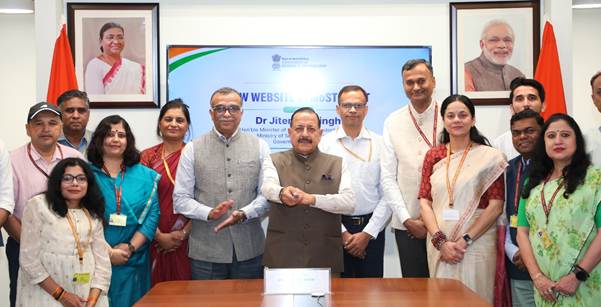
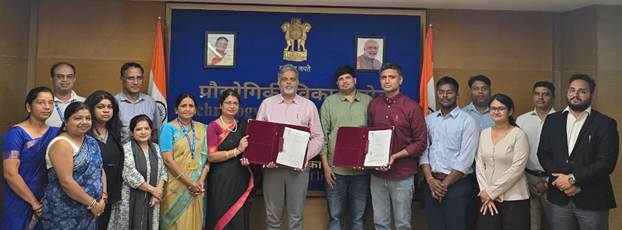
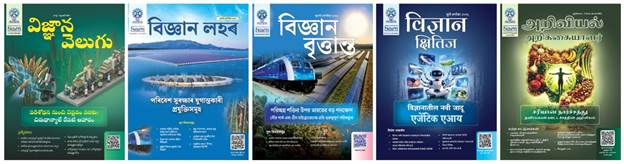
On 26 September 2026, Union Minister of State (Independent Charge) for Science and Technology Dr Jitendra Singh launched five new popular science magazines in Assamese, Bengali, Marathi, Tamil and Telugu. The magazines have been published by the CSIR-National Institute of Science Communication and Policy Research, or CSIR-NIScPR, and were launched on the occasion of the 85th Foundation Day of the Council of Scientific and Industrial Research, or CSIR.
1. What Is the Latest Development?
CSIR-NIScPR has expanded its multilingual science-communication programme by introducing five popular science magazines in major Indian languages. The five languages are Assamese, Bengali, Marathi, Tamil and Telugu.
The initiative seeks to make credible and engaging scientific knowledge available to a wider audience in languages familiar to readers. It also aims to highlight scientific achievements, innovations and developments associated with different regions of India.
2. Who Launched the Five Magazines?
The five magazines were launched by Dr Jitendra Singh, Union Minister of State (Independent Charge) for Science and Technology.
The launch took place on the occasion of the 85th Foundation Day of CSIR.
The event was also attended by Dr N. Kalaiselvi, Director General of CSIR and Secretary of the Department of Scientific and Industrial Research, and Dr Geetha Vani Rayasam, Director of CSIR-NIScPR.
3. Which Organisation Published the Magazines?
The magazines are published by the CSIR-National Institute of Science Communication and Policy Research, abbreviated as CSIR-NIScPR.
CSIR-NIScPR works in the areas of science communication and science, technology and innovation policy research. Through its popular-science publications, it seeks to communicate scientific developments to non-specialist readers as well as students and science enthusiasts.
4. What Are the Five New Magazines?
The Assamese magazine is Bigyan Lahar.
The Bengali magazine is Bigyan Brittanto.
The Marathi magazine is Vidnyan Kshitij.
The Tamil magazine is Ariviyal Arikkaiyalar.
The Telugu magazine is Vigyan Velugu.
The matching of magazine titles with languages is particularly important for competitive examinations.
5. What Is Bigyan Lahar?
Bigyan Lahar is the new Assamese popular science magazine.
It is part of CSIR-NIScPR's effort to make scientific information accessible in Indian languages while also encouraging original science writing in those languages.
Dr Paramananda Barman was identified as Editor and Dr Bornali Sharma as Associate Editor of Bigyan Lahar in the official release.
6. What Is Bigyan Brittanto?
Bigyan Brittanto is the Bengali popular science magazine launched under the initiative.
It will contain scientific content for Bengali-language readers, including translated material and original articles.
Dr Uttam Kumar Jana was identified as the Editor of Bigyan Brittanto.
7. What Is Vidnyan Kshitij?
Vidnyan Kshitij is the Marathi magazine launched by CSIR-NIScPR.
It forms part of the institute's expansion of science communication into additional Indian languages.
Shri Mukesh Ambadas Pund was identified as the Editor of Vidnyan Kshitij.
8. What Is Ariviyal Arikkaiyalar?
Ariviyal Arikkaiyalar is the Tamil popular science magazine.
Dr S. Bhuvanesh was identified as its Editor and Dr L. Sandhiya as Associate Editor.
The publication seeks to make contemporary scientific information available to Tamil-language readers while also providing space for original science writing in Tamil.
9. What Is Vigyan Velugu?
Vigyan Velugu is the Telugu popular science magazine launched under the initiative.
Dr N. K. Prasanna was identified as its Editor.
Like the other four magazines, it will combine selected translated science material with original articles written in the respective language.
10. Why Are These Magazines Important?
Scientific research is often communicated through specialised technical literature or in languages that may not be equally accessible to every reader.
Popular science communication attempts to explain scientific concepts, discoveries and technological developments in a form that non-specialist audiences can understand.
Publishing such material in Indian languages can widen access to scientific knowledge and encourage greater participation in science communication.
11. What Is the Role of Artificial Intelligence?
A distinctive feature of the initiative is the use of Artificial Intelligence to assist translation.
Selected content from CSIR-NIScPR's existing popular science magazines will be translated into Indian languages with the assistance of AI-based technologies.
However, the process does not end with machine translation. According to the official release, AI-assisted translations are subsequently reviewed, proofread, fact-checked and editorially refined by human experts.
12. Why Is Human Review Necessary After AI Translation?
Scientific communication requires precision. A mistranslated scientific term, quantity, relationship or technical concept can alter the meaning of the original information.
Human review therefore remains an important part of the process.
CSIR-NIScPR stated that translated material is checked for scientific accuracy, linguistic quality and readability after AI-assisted translation.
The model therefore combines technological assistance with human editorial oversight.
13. Which Existing Magazines Provide Content for Translation?
Selected content will come from three established CSIR-NIScPR popular science magazines: Science Reporter, Vigyan Pragati and Science Ki Duniya.
Science Reporter is published in English.
Vigyan Pragati is associated with Hindi science communication.
Science Ki Duniya is published in Urdu.
The five new magazines build upon this existing multilingual publishing tradition.
14. Will the New Magazines Contain Only Translated Articles?
No. The magazines will not be limited to translated material.
They will also carry original articles written directly in Assamese, Bengali, Marathi, Tamil and Telugu.
This is an important feature because the initiative seeks not only to translate existing scientific information but also to encourage the creation of original science writing in Indian languages.
15. How Can Original Regional-Language Articles Help Science Communication?
Original articles allow writers to discuss scientific issues using linguistic and cultural contexts familiar to local readers.
They can also highlight scientific achievements, innovations and developments from their respective regions.
This can broaden the community of science writers and help scientific communication reach audiences beyond those who primarily consume English-language material.
16. What Is CSIR?
CSIR stands for Council of Scientific and Industrial Research.
It is a major scientific research organisation in India with a network of laboratories and institutes working across numerous areas of science and technology.
The launch of the five magazines took place during CSIR's 85th Foundation Day celebrations.
17. Why Does the Release Say 85th Foundation Day but 84 Years of Contribution?
An anniversary number and the number of completed years are not always expressed in the same way.
The official PIB release states that CSIR's 85th Foundation Day marks 84 years of the organisation's contribution to science, technology and national development.
Students should reproduce the official formulation accurately rather than treating the two figures as contradictory.
18. What Is CSIR-NIScPR?
CSIR-NIScPR stands for CSIR-National Institute of Science Communication and Policy Research.
The institute is part of the CSIR system and works at the intersection of science communication and policy research.
Its publishing activities are particularly relevant to public understanding of science because they convert specialised scientific developments into forms that can be understood by wider audiences.
19. What Is Science Communication?
Science communication is the process of communicating scientific concepts, evidence, discoveries and technological developments to different audiences.
The audience may include students, policymakers, journalists, educators and the general public.
Effective science communication attempts to maintain scientific accuracy while making complex information understandable and engaging.
20. What Is Scientific Temper?
Scientific temper broadly refers to an approach based on inquiry, evidence, reasoning, questioning and openness to verification.
Article 51A(h) of the Constitution of India states that it is a fundamental duty of every citizen to develop scientific temper, humanism and the spirit of inquiry and reform.
Regional-language science communication can support wider public engagement with scientific ideas by reducing linguistic barriers to information.
21. How Does the Initiative Support Linguistic Inclusion?
India has substantial linguistic diversity. Readers may be most comfortable learning complex concepts in their first or familiar language.
Making science material available in Assamese, Bengali, Marathi, Tamil and Telugu can therefore expand the potential audience for popular science communication.
The initiative complements existing CSIR-NIScPR publications in English, Hindi and Urdu.
22. What Is Important About the AI Plus Human Model?
The initiative provides a useful example of human-supervised application of Artificial Intelligence.
AI can assist in translating large volumes of content more efficiently, while human experts can check terminology, meaning, scientific facts, grammar and readability.
This combination is particularly relevant for science because automated translation errors could otherwise distort technical meaning.
23. Who Coordinated Publication of the Five Magazines?
According to the official release, publication of the five magazines was coordinated by Shri Mukesh Ambadas Pund and Dr Meher Wan.
Editors, associate editors, editorial teams, the design team and other institutional staff also contributed to their publication.
The initiative therefore involved both technological tools and substantial human editorial work.
24. Who Were the Main Institutional Officials Present?
Dr N. Kalaiselvi, Director General of CSIR and Secretary of the Department of Scientific and Industrial Research, attended the launch.
Dr Geetha Vani Rayasam, Director of CSIR-NIScPR, was also present.
Their presence reflected the institutional role of CSIR and CSIR-NIScPR in the initiative.
25. What Is DSIR?
DSIR stands for Department of Scientific and Industrial Research.
In the context of the launch, Dr N. Kalaiselvi was identified as both Director General of CSIR and Secretary, DSIR.
The abbreviation DSIR is a useful factual point for science and technology current-affairs preparation.
26. How Many Languages Are Represented by the Five New Magazines?
Five additional Indian languages are directly represented: Assamese, Bengali, Marathi, Tamil and Telugu.
When considered alongside Science Reporter in English, Vigyan Pragati in Hindi and Science Ki Duniya in Urdu, CSIR-NIScPR's popular-science publishing portfolio now spans these eight language streams mentioned in the official release.
The important examination point is to correctly match each magazine with its language.
27. Why Is Regional Science Writing Important for Students?
Students often encounter scientific terminology first through textbooks, coaching material or digital content. Availability of credible science material in familiar languages can supplement formal learning and help readers understand developments beyond the syllabus.
It can also introduce students to contemporary research, innovations and scientific institutions.
However, popular science material complements rather than replaces formal textbooks and primary scientific sources.
28. How Is the Initiative Relevant to Artificial Intelligence Current Affairs?
The story demonstrates a practical application of AI in language technology rather than merely discussing AI as an abstract concept.
AI is being used to facilitate translation of selected scientific content, while human experts retain responsibility for review, proofreading, fact-checking and editorial refinement.
For examinations, this can be connected with AI-assisted translation, human oversight, multilingual digital inclusion and science communication.
29. What Are the Most Important Magazine-Language Pairs?
Bigyan Lahar — Assamese.
Bigyan Brittanto — Bengali.
Vidnyan Kshitij — Marathi.
Ariviyal Arikkaiyalar — Tamil.
Vigyan Velugu — Telugu.
These five pairs are among the most likely direct factual questions arising from the development.
30. What Should Students Remember for Competitive Examinations?
On 26 September 2026, Dr Jitendra Singh launched five popular science magazines published by CSIR-NIScPR on the occasion of CSIR's 85th Foundation Day. The magazines are Bigyan Lahar in Assamese, Bigyan Brittanto in Bengali, Vidnyan Kshitij in Marathi, Ariviyal Arikkaiyalar in Tamil and Vigyan Velugu in Telugu.
The initiative uses Artificial Intelligence to facilitate translation of selected content from Science Reporter, Vigyan Pragati and Science Ki Duniya. AI-generated translations are subsequently reviewed, proofread, fact-checked and editorially refined by human experts. The magazines will also contain original articles written in their respective languages.
For UPSC and State PCS, the topic is relevant to science communication, Artificial Intelligence, linguistic inclusion, scientific temper and public understanding of science. For SSC, Railway and other examinations, the most important facts are the five magazine-language pairs, CSIR-NIScPR, the 85th CSIR Foundation Day and the role of AI-assisted translation with human review.
क्या हुआ?
26 सितंबर 2026 को केंद्रीय विज्ञान एवं प्रौद्योगिकी राज्य मंत्री स्वतंत्र प्रभार डॉ. जितेंद्र सिंह ने असमिया, बंगाली, मराठी, तमिल और तेलुगु भाषाओं में पाँच नई लोकप्रिय विज्ञान पत्रिकाओं का शुभारंभ किया। इन पत्रिकाओं का प्रकाशन CSIR-National Institute of Science Communication and Policy Research अर्थात CSIR-NIScPR द्वारा किया गया है। इन्हें Council of Scientific and Industrial Research अर्थात CSIR के 85वें Foundation Day के अवसर पर शुरू किया गया।
1. नवीनतम घटनाक्रम क्या है?
CSIR-NIScPR ने पाँच प्रमुख भारतीय भाषाओं में लोकप्रिय विज्ञान पत्रिकाएँ शुरू करके अपने बहुभाषी विज्ञान संचार कार्यक्रम का विस्तार किया है। ये भाषाएँ असमिया, बंगाली, मराठी, तमिल और तेलुगु हैं।
इस पहल का उद्देश्य विश्वसनीय और रोचक वैज्ञानिक जानकारी को अधिक लोगों तक उनकी परिचित भाषाओं में पहुँचाना है। इसके साथ विभिन्न क्षेत्रों की वैज्ञानिक उपलब्धियों, नवाचारों और विकास को भी सामने लाया जाएगा।
2. पाँच पत्रिकाओं का शुभारंभ किसने किया?
इन पत्रिकाओं का शुभारंभ केंद्रीय विज्ञान एवं प्रौद्योगिकी राज्य मंत्री स्वतंत्र प्रभार डॉ. जितेंद्र सिंह ने किया।
यह शुभारंभ CSIR के 85वें Foundation Day के अवसर पर हुआ।
कार्यक्रम में CSIR की Director General तथा Department of Scientific and Industrial Research की Secretary डॉ. एन. कलैसेल्वी और CSIR-NIScPR की Director डॉ. गीता वाणी रायसम भी उपस्थित थीं।
3. पत्रिकाओं का प्रकाशन किस संस्था ने किया?
इन पत्रिकाओं का प्रकाशन CSIR-National Institute of Science Communication and Policy Research अर्थात CSIR-NIScPR ने किया है।
यह संस्थान विज्ञान संचार तथा विज्ञान, प्रौद्योगिकी और नवाचार नीति अनुसंधान से संबंधित कार्य करता है। इसकी लोकप्रिय विज्ञान पत्रिकाएँ वैज्ञानिक विकास को विद्यार्थियों और सामान्य पाठकों तक सरल तथा रोचक रूप में पहुँचाने का प्रयास करती हैं।
4. पाँच नई पत्रिकाओं के नाम क्या हैं?
असमिया पत्रिका का नाम Bigyan Lahar है।
बंगाली पत्रिका का नाम Bigyan Brittanto है।
मराठी पत्रिका का नाम Vidnyan Kshitij है।
तमिल पत्रिका का नाम Ariviyal Arikkaiyalar है।
तेलुगु पत्रिका का नाम Vigyan Velugu है।
प्रतियोगी परीक्षाओं के लिए पत्रिका और भाषा का सही मिलान विशेष रूप से महत्वपूर्ण है।
5. Bigyan Lahar क्या है?
Bigyan Lahar नई असमिया लोकप्रिय विज्ञान पत्रिका है।
यह भारतीय भाषाओं में वैज्ञानिक जानकारी उपलब्ध कराने और उन भाषाओं में मौलिक विज्ञान लेखन को प्रोत्साहित करने की CSIR-NIScPR की पहल का हिस्सा है।
आधिकारिक विज्ञप्ति में डॉ. परमानंद बर्मन को इसका Editor और डॉ. Bornali Sharma को Associate Editor बताया गया है।
6. Bigyan Brittanto क्या है?
Bigyan Brittanto बंगाली भाषा की नई लोकप्रिय विज्ञान पत्रिका है।
इसमें बंगाली पाठकों के लिए अनूदित वैज्ञानिक सामग्री के साथ मौलिक लेख भी प्रकाशित किए जाएंगे।
डॉ. Uttam Kumar Jana को Bigyan Brittanto का Editor बताया गया है।
7. Vidnyan Kshitij क्या है?
Vidnyan Kshitij मराठी भाषा की लोकप्रिय विज्ञान पत्रिका है।
यह भारतीय भाषाओं में विज्ञान संचार के विस्तार का हिस्सा है।
Shri Mukesh Ambadas Pund को Vidnyan Kshitij का Editor बताया गया है।
8. Ariviyal Arikkaiyalar क्या है?
Ariviyal Arikkaiyalar तमिल भाषा की लोकप्रिय विज्ञान पत्रिका है।
डॉ. S. Bhuvanesh को इसका Editor और डॉ. L. Sandhiya को Associate Editor बताया गया है।
यह तमिल पाठकों तक समकालीन वैज्ञानिक जानकारी पहुँचाने के साथ तमिल में मौलिक विज्ञान लेखन को भी प्रोत्साहित करेगी।
9. Vigyan Velugu क्या है?
Vigyan Velugu तेलुगु भाषा की नई लोकप्रिय विज्ञान पत्रिका है।
डॉ. N. K. Prasanna को इसका Editor बताया गया है।
अन्य चार पत्रिकाओं की तरह इसमें भी अनूदित वैज्ञानिक सामग्री के साथ संबंधित भाषा में लिखे गए मौलिक लेख प्रकाशित होंगे।
10. ये पत्रिकाएँ क्यों महत्वपूर्ण हैं?
वैज्ञानिक शोध अक्सर अत्यधिक तकनीकी साहित्य में प्रकाशित होता है और उसकी भाषा सभी पाठकों के लिए समान रूप से सुलभ नहीं होती।
लोकप्रिय विज्ञान संचार का उद्देश्य वैज्ञानिक अवधारणाओं, खोजों और तकनीकी विकास को ऐसी भाषा में प्रस्तुत करना है जिसे गैर-विशेषज्ञ पाठक भी समझ सकें।
भारतीय भाषाओं में ऐसी सामग्री उपलब्ध होने से वैज्ञानिक जानकारी की पहुँच बढ़ सकती है।
11. Artificial Intelligence की क्या भूमिका है?
इस पहल की एक विशेषता अनुवाद में Artificial Intelligence का उपयोग है।
CSIR-NIScPR की मौजूदा लोकप्रिय विज्ञान पत्रिकाओं से चुनी गई सामग्री का भारतीय भाषाओं में अनुवाद करने के लिए AI आधारित तकनीक की सहायता ली जाएगी।
लेकिन प्रक्रिया machine translation पर समाप्त नहीं होगी। AI-assisted translations की human experts द्वारा समीक्षा, proofreading, fact-checking और editorial refinement किया जाएगा।
12. AI Translation के बाद Human Review क्यों आवश्यक है?
वैज्ञानिक संचार में सटीकता अत्यंत महत्वपूर्ण होती है। किसी scientific term, quantity या technical concept का गलत अनुवाद मूल जानकारी का अर्थ बदल सकता है।
इसी कारण human review महत्वपूर्ण है।
CSIR-NIScPR के अनुसार translated material को scientific accuracy, linguistic quality और readability के लिए जाँचा जाएगा।
इस प्रकार यह model technological assistance और human editorial oversight दोनों का उपयोग करता है।
13. Translation के लिए सामग्री किन मौजूदा पत्रिकाओं से ली जाएगी?
Selected content तीन स्थापित CSIR-NIScPR लोकप्रिय विज्ञान पत्रिकाओं से लिया जाएगा: Science Reporter, Vigyan Pragati और Science Ki Duniya।
Science Reporter अंग्रेजी में प्रकाशित होती है।
Vigyan Pragati हिंदी विज्ञान संचार से संबंधित है।
Science Ki Duniya उर्दू में प्रकाशित होती है।
नई पाँच पत्रिकाएँ इसी मौजूदा बहुभाषी परंपरा का विस्तार हैं।
14. क्या नई पत्रिकाओं में केवल अनूदित लेख होंगे?
नहीं। इनमें केवल translated content नहीं होगा।
असमिया, बंगाली, मराठी, तमिल और तेलुगु में सीधे लिखे गए original articles भी प्रकाशित किए जाएंगे।
यह महत्वपूर्ण है क्योंकि पहल का उद्देश्य केवल उपलब्ध वैज्ञानिक सामग्री का अनुवाद करना नहीं बल्कि भारतीय भाषाओं में मौलिक science writing को भी मजबूत करना है।
15. Regional-Language Science Writing क्यों महत्वपूर्ण है?
मौलिक क्षेत्रीय भाषा के लेख स्थानीय पाठकों से परिचित linguistic और cultural context में वैज्ञानिक विषयों को प्रस्तुत कर सकते हैं।
इनके माध्यम से संबंधित क्षेत्रों की scientific achievements, innovations और developments को भी सामने लाया जा सकता है।
इससे science writers का दायरा बढ़ सकता है और विज्ञान संचार उन पाठकों तक पहुँच सकता है जो मुख्यतः अंग्रेजी सामग्री का उपयोग नहीं करते।
16. CSIR क्या है?
CSIR का पूरा नाम Council of Scientific and Industrial Research है।
यह भारत की प्रमुख वैज्ञानिक अनुसंधान संस्थाओं में से एक है और इसके अंतर्गत विभिन्न क्षेत्रों में कार्य करने वाली laboratories तथा institutes का व्यापक network है।
पाँच नई पत्रिकाओं का शुभारंभ CSIR के 85वें Foundation Day के अवसर पर हुआ।
17. 85वाँ Foundation Day और 84 वर्षों का योगदान दोनों क्यों लिखे गए हैं?
Foundation Day की क्रम संख्या और पूर्ण हो चुके वर्षों की संख्या अलग तरीके से व्यक्त की जा सकती है।
आधिकारिक PIB release में कहा गया है कि CSIR का 85वाँ Foundation Day विज्ञान, प्रौद्योगिकी और राष्ट्रीय विकास में संगठन के 84 वर्षों के योगदान को चिह्नित करता है।
विद्यार्थियों को इसे विरोधाभास मानने के बजाय आधिकारिक formulation को सही रूप में याद रखना चाहिए।
18. CSIR-NIScPR क्या है?
CSIR-NIScPR का पूरा नाम CSIR-National Institute of Science Communication and Policy Research है।
यह CSIR system का एक संस्थान है जो science communication और policy research के क्षेत्र में कार्य करता है।
इसके publishing activities public understanding of science के लिए महत्वपूर्ण हैं क्योंकि वे specialised scientific developments को व्यापक audience के लिए समझने योग्य रूप में प्रस्तुत करती हैं।
19. Science Communication क्या है?
Science communication वैज्ञानिक अवधारणाओं, evidence, discoveries और technological developments को अलग-अलग audiences तक पहुँचाने की प्रक्रिया है।
इस audience में students, policymakers, journalists, educators और सामान्य नागरिक शामिल हो सकते हैं।
Effective science communication जटिल जानकारी को सरल बनाते समय scientific accuracy बनाए रखने का प्रयास करता है।
20. Scientific Temper क्या है?
Scientific temper का संबंध inquiry, evidence, reasoning, questioning और verification पर आधारित दृष्टिकोण से है।
भारतीय संविधान के Article 51A(h) में scientific temper, humanism और spirit of inquiry and reform विकसित करना प्रत्येक नागरिक का Fundamental Duty बताया गया है।
भारतीय भाषाओं में विज्ञान संचार linguistic barriers कम करके scientific ideas से व्यापक public engagement को बढ़ा सकता है।
21. यह पहल Linguistic Inclusion को कैसे बढ़ावा देती है?
भारत में व्यापक linguistic diversity है। अनेक पाठक जटिल विषयों को अपनी मातृभाषा या परिचित भाषा में अधिक सहजता से समझते हैं।
असमिया, बंगाली, मराठी, तमिल और तेलुगु में वैज्ञानिक सामग्री उपलब्ध होने से popular science communication की संभावित audience बढ़ सकती है।
ये पत्रिकाएँ अंग्रेजी की Science Reporter, हिंदी की Vigyan Pragati और उर्दू की Science Ki Duniya की मौजूदा परंपरा को आगे बढ़ाती हैं।
22. AI और Human Model की विशेषता क्या है?
यह पहल Artificial Intelligence के human-supervised application का उपयोगी उदाहरण है।
AI बड़ी मात्रा में content के translation को तेज करने में सहायता कर सकता है, जबकि human experts terminology, meaning, scientific facts, grammar और readability की जाँच कर सकते हैं।
Science communication में यह विशेष रूप से महत्वपूर्ण है क्योंकि automated translation error technical meaning को बदल सकती है।
23. पाँच पत्रिकाओं के प्रकाशन का Coordination किसने किया?
आधिकारिक release के अनुसार पाँच पत्रिकाओं के publication को Shri Mukesh Ambadas Pund और Dr Meher Wan ने coordinate किया।
इसके साथ editors, associate editors, editorial teams, design team और अन्य institutional staff ने भी योगदान दिया।
इस प्रकार initiative में technological tools के साथ व्यापक human editorial work भी शामिल है।
24. कार्यक्रम में प्रमुख Institutional Officials कौन थे?
CSIR की Director General और Department of Scientific and Industrial Research की Secretary Dr N. Kalaiselvi कार्यक्रम में उपस्थित थीं।
CSIR-NIScPR की Director Dr Geetha Vani Rayasam भी उपस्थित थीं।
इनकी उपस्थिति इस initiative में CSIR और CSIR-NIScPR की institutional role को दर्शाती है।
25. DSIR क्या है?
DSIR का पूरा नाम Department of Scientific and Industrial Research है।
इस कार्यक्रम के संदर्भ में Dr N. Kalaiselvi को Director General, CSIR और Secretary, DSIR के रूप में उल्लेखित किया गया।
Science and Technology current affairs के लिए DSIR का full form महत्वपूर्ण है।
26. पाँच नई पत्रिकाएँ कितनी भाषाओं का प्रतिनिधित्व करती हैं?
ये पाँच additional Indian languages का प्रतिनिधित्व करती हैं: Assamese, Bengali, Marathi, Tamil और Telugu।
यदि इन्हें Science Reporter की English, Vigyan Pragati की Hindi और Science Ki Duniya की Urdu के साथ देखा जाए तो official release में उल्लेखित CSIR-NIScPR popular-science publishing portfolio आठ language streams तक पहुँचता है।
परीक्षा के लिए सबसे महत्वपूर्ण बात प्रत्येक magazine का उसकी language के साथ सही matching है।
27. विद्यार्थियों के लिए Regional Science Writing क्यों उपयोगी है?
विद्यार्थी scientific terminology को textbooks, coaching material और digital content के माध्यम से सीखते हैं। परिचित भाषाओं में credible science material उपलब्ध होने से formal learning को अतिरिक्त सहायता मिल सकती है।
यह contemporary research, innovations और scientific institutions से भी परिचय करा सकता है।
हालाँकि popular science content formal textbooks और primary scientific sources का स्थान नहीं लेता बल्कि उनका पूरक है।
28. Artificial Intelligence Current Affairs में यह पहल क्यों महत्वपूर्ण है?
यह घटना AI के practical language-technology application का उदाहरण है।
AI का उपयोग selected scientific content के translation को facilitate करने के लिए किया जा रहा है, जबकि review, proofreading, fact-checking और editorial refinement की जिम्मेदारी human experts के पास रहती है।
इसे AI-assisted translation, human oversight, multilingual inclusion और science communication से जोड़ा जा सकता है।
29. सबसे महत्वपूर्ण Magazine-Language Pairs कौन-से हैं?
Bigyan Lahar — Assamese।
Bigyan Brittanto — Bengali।
Vidnyan Kshitij — Marathi।
Ariviyal Arikkaiyalar — Tamil।
Vigyan Velugu — Telugu।
प्रत्यक्ष factual current-affairs questions के लिए इन पाँच pairs को विशेष रूप से याद रखना चाहिए।
30. प्रतियोगी परीक्षाओं के लिए क्या याद रखें?
26 सितंबर 2026 को Dr Jitendra Singh ने CSIR के 85वें Foundation Day के अवसर पर CSIR-NIScPR द्वारा प्रकाशित पाँच popular science magazines का शुभारंभ किया। ये हैं Assamese में Bigyan Lahar, Bengali में Bigyan Brittanto, Marathi में Vidnyan Kshitij, Tamil में Ariviyal Arikkaiyalar और Telugu में Vigyan Velugu।
इस initiative में Science Reporter, Vigyan Pragati और Science Ki Duniya की selected content के translation में Artificial Intelligence की सहायता ली जाएगी। AI-assisted translations को human experts द्वारा review, proofread, fact-check और editorially refine किया जाएगा। नई magazines में संबंधित भाषाओं में original articles भी होंगे।
UPSC और State PCS के लिए यह topic science communication, Artificial Intelligence, linguistic inclusion, scientific temper और public understanding of science से संबंधित है। SSC, Railway और अन्य परीक्षाओं के लिए पाँच magazine-language pairs, CSIR-NIScPR, CSIR का 85वाँ Foundation Day और AI-assisted translation with human review सबसे महत्वपूर्ण facts हैं।
Key Facts
• Five new popular science magazines were launched on 26 September 2026.
• The launch took place on CSIR's 85th Foundation Day.
• The magazines are published by CSIR-NIScPR.
• Dr Jitendra Singh launched the five magazines.
• Bigyan Lahar is the Assamese magazine.
• Bigyan Brittanto is the Bengali magazine.
• Vidnyan Kshitij is the Marathi magazine.
• Ariviyal Arikkaiyalar is the Tamil magazine.
• Vigyan Velugu is the Telugu magazine.
• Artificial Intelligence will assist translation of selected scientific content.
• AI-assisted translations will be reviewed by human experts.
• The review process includes proofreading and fact-checking.
• Human experts will also editorially refine translated material.
• The magazines will publish original articles in their respective languages.
• Science Reporter is an existing English publication of CSIR-NIScPR.
• Vigyan Pragati is an existing Hindi popular science publication.
• Science Ki Duniya is an existing Urdu publication.
• Dr N. Kalaiselvi attended the launch as Director General, CSIR and Secretary, DSIR.
• Dr Geetha Vani Rayasam attended as Director, CSIR-NIScPR.
• The initiative aims to widen access to credible scientific knowledge.
• It also seeks to strengthen science writing in Indian languages.
• The official release states that CSIR's 85th Foundation Day marks 84 years of contribution to science, technology and national development.
मुख्य तथ्य
• पाँच नई popular science magazines 26 सितंबर 2026 को शुरू की गईं।
• Launch CSIR के 85वें Foundation Day के अवसर पर हुआ।
• Magazines का प्रकाशन CSIR-NIScPR ने किया है।
• Dr Jitendra Singh ने पाँचों magazines का शुभारंभ किया।
• Bigyan Lahar Assamese भाषा की magazine है।
• Bigyan Brittanto Bengali भाषा की magazine है।
• Vidnyan Kshitij Marathi भाषा की magazine है।
• Ariviyal Arikkaiyalar Tamil भाषा की magazine है।
• Vigyan Velugu Telugu भाषा की magazine है।
• Selected scientific content के translation में Artificial Intelligence सहायता करेगा।
• AI-assisted translations की human experts द्वारा समीक्षा की जाएगी।
• Review process में proofreading और fact-checking शामिल है।
• Translated material का editorial refinement भी human experts करेंगे।
• Magazines संबंधित भाषाओं में original articles भी प्रकाशित करेंगी।
• Science Reporter CSIR-NIScPR की मौजूदा English publication है।
• Vigyan Pragati मौजूदा Hindi popular science publication है।
• Science Ki Duniya मौजूदा Urdu publication है।
• Dr N. Kalaiselvi launch में Director General, CSIR और Secretary, DSIR के रूप में उपस्थित थीं।
• Dr Geetha Vani Rayasam CSIR-NIScPR की Director के रूप में उपस्थित थीं।
• Initiative का उद्देश्य credible scientific knowledge की पहुँच बढ़ाना है।
• यह Indian languages में science writing को मजबूत करने का भी प्रयास है।
• Official release के अनुसार CSIR का 85वाँ Foundation Day science, technology और national development में 84 वर्षों के योगदान को चिह्नित करता है।
Background
CSIR-NIScPR has a long tradition of popular science communication through publications including Science Reporter in English, Vigyan Pragati in Hindi and Science Ki Duniya in Urdu. On 26 September 2026, this portfolio was expanded with five new magazines in Assamese, Bengali, Marathi, Tamil and Telugu. The initiative combines AI-assisted translation with human review and also encourages original science writing in the respective Indian languages.
पृष्ठभूमि
CSIR-NIScPR की popular science communication की पुरानी परंपरा है, जिसमें English में Science Reporter, Hindi में Vigyan Pragati और Urdu में Science Ki Duniya जैसी publications शामिल हैं। 26 सितंबर 2026 को Assamese, Bengali, Marathi, Tamil और Telugu में पाँच नई magazines शुरू करके इस portfolio का विस्तार किया गया। Initiative में AI-assisted translation को human review के साथ जोड़ा गया है और संबंधित Indian languages में original science writing को भी प्रोत्साहित किया गया है।
Why It Matters
The initiative is important because access to scientific knowledge is influenced by language as well as availability. Publishing credible popular-science material in more Indian languages can broaden participation in science communication. The use of AI-assisted translation followed by human proofreading, fact-checking and editorial review is also a practical example of combining artificial intelligence with human oversight in a knowledge-intensive field where accuracy is essential.
यह क्यों महत्वपूर्ण है?
यह पहल महत्वपूर्ण है क्योंकि scientific knowledge तक पहुँच केवल उसकी availability पर नहीं बल्कि language पर भी निर्भर करती है। अधिक Indian languages में credible popular-science material प्रकाशित होने से science communication की पहुँच बढ़ सकती है। AI-assisted translation के बाद human proofreading, fact-checking और editorial review की व्यवस्था यह भी दिखाती है कि accuracy वाले knowledge-intensive field में Artificial Intelligence को human oversight के साथ कैसे उपयोग किया जा सकता है।
Exam Connection
Remember: Launch date—26 September 2026; occasion—85th Foundation Day of CSIR; publisher—CSIR-NIScPR; launched by—Dr Jitendra Singh; Bigyan Lahar—Assamese; Bigyan Brittanto—Bengali; Vidnyan Kshitij—Marathi; Ariviyal Arikkaiyalar—Tamil; Vigyan Velugu—Telugu; existing magazines—Science Reporter in English, Vigyan Pragati in Hindi and Science Ki Duniya in Urdu; special feature—AI-assisted translation followed by human review, proofreading, fact-checking and editorial refinement.
परीक्षा से संबंध
याद रखें: Launch date—26 सितंबर 2026; अवसर—CSIR का 85वाँ Foundation Day; publisher—CSIR-NIScPR; launch—Dr Jitendra Singh; Bigyan Lahar—Assamese; Bigyan Brittanto—Bengali; Vidnyan Kshitij—Marathi; Ariviyal Arikkaiyalar—Tamil; Vigyan Velugu—Telugu; existing magazines—English में Science Reporter, Hindi में Vigyan Pragati और Urdu में Science Ki Duniya; विशेषता—AI-assisted translation के बाद human review, proofreading, fact-checking और editorial refinement।
 MEMORY How Develop Train Use
 Anxious Overthinking Present Transform Superpower
 Power Your Subconscious Mind Success
 Greatest Motivational Life Lesson Paperback Subconscious
 Self Belief Self Help Motivation Personal Paperback
 Power Your Subconscious Mind
 Wealth Money Cant Buy Richest
 ASUS Chromebook Smartchoice Processor CM1505CM4A S70080
 Acer Chromebook Octa Core Processor C725
 Neopticon Student Celeron Expandable Graphics
 Primebook Storage 14 1 Inch MediaTek Keyboard