What Happened
1. Why in News?
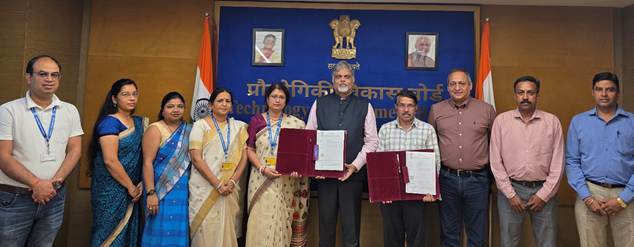
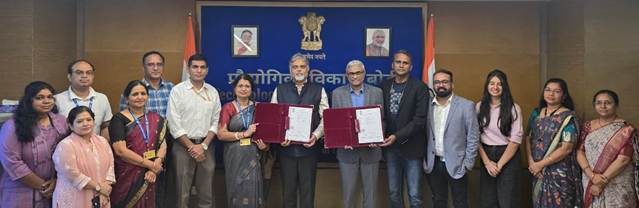
On 16 October 2026, the Technology Development Board under the Department of Science and Technology announced an agreement with QNu Labs Private Limited, Bengaluru, Karnataka. The agreement provides ₹150 crore of financial support under the Research Development and Innovation Fund for a ₹300 crore project. The project aims to develop an indigenous technology backbone for India's Quantum Secure and Sensing Networks. It focuses on cybersecurity, trusted navigation, secure communication and precise time synchronisation.
2. Official Announcement
The Ministry of Science and Technology published the announcement through the Press Information Bureau on 16 October 2026 at 2:50 PM. The announcement confirms the agreement, financial support, project cost, technology development objectives and proposed areas of application. It does not mean that every proposed technology has already reached commercial deployment.
3. Name of the Project
The project concerns India's Quantum Secure and Sensing Networks, abbreviated IQSN. Its objective is to create an integrated indigenous technology framework for protecting digital devices, communication networks, navigation systems and timing infrastructure.
4. Financial Support
The Technology Development Board will provide ₹150 crore under the Research Development and Innovation Fund. The total project cost is ₹300 crore. Therefore, the announced TDB support represents 50% of the stated project cost. The official announcement does not identify the complete financing structure for the remaining amount.
5. Research Development and Innovation Fund
The Research Development and Innovation Fund, abbreviated RDI Fund, supports the development and maturation of advanced technologies. Such projects may require sustained research, engineering, integration and testing before they become ready for wider deployment.
6. Form of Financial Assistance
The financial support will be provided through Optionally Convertible Debt, abbreviated OCD. This financing arrangement differs from an unconditional grant because it involves a debt instrument with a potential conversion feature under applicable terms. The specific contractual conversion conditions were not disclosed in the PIB release.
7. Company Involved
QNu Labs Private Limited is a Bengaluru-based Indian company working in quantum security technologies. The company is involved in the newly announced programme to develop an integrated quantum-security and sensing technology stack.
8. Location of QNu Labs
QNu Labs is based in Bengaluru, Karnataka. Bengaluru is an important centre for India's technology, research and innovation ecosystem. The company's location is a useful factual detail for competitive examinations.
9. Technology Development Board
The Technology Development Board, abbreviated TDB, is a statutory body under the Department of Science and Technology. It supports the development and commercial application of indigenous technologies, helping promising research move towards practical industrial use.
10. Department of Science and Technology
The Department of Science and Technology, abbreviated DST, operates under the Ministry of Science and Technology. It supports scientific research, innovation and technology development in India. TDB functions within this institutional framework.
11. Technology Readiness Levels
The project aims to advance a portfolio of technologies from Technology Readiness Levels 4–5 towards TRL-9. Technology Readiness Levels are used to describe the maturity of a technology, from early scientific concepts to systems demonstrated in operational environments.
12. Meaning of TRL-4 and TRL-5
TRL-4 generally refers to technology validation in a laboratory environment, while TRL-5 refers to validation in a relevant environment. These stages indicate that further integration, engineering and testing may be required before routine operational use.
13. Meaning of TRL-9
TRL-9 is the highest level on the commonly used nine-level technology readiness scale. It generally indicates that an actual system has been proven in its operational environment. In the QNu Labs announcement, TRL-9 is the intended target, not a claim that all project components have already achieved it.
14. Four Pillars of the Programme
The proposed programme is organised around four interconnected pillars: identity security, location integrity, network security and time integrity. Together, these areas are intended to create a foundation of trust across digital and physical infrastructure.
15. Identity Security
Identity security focuses on confirming that a digital device or hardware component is genuine and authorised. It aims to reduce risks associated with impersonation, compromised credentials and cloned hardware identities.
16. Physical Unclonable Functions
The programme envisages quantum-secure Physical Unclonable Functions, abbreviated PUFs. A PUF uses distinctive physical characteristics of hardware to generate or support device-specific identification and security functions. Such characteristics can help establish trust at the hardware level.
17. Trusted Platform Modules
The identity-security pillar also includes quantum-safe Trusted Platform Modules, abbreviated TPMs. A TPM is a hardware-based security component that can protect cryptographic information and support secure device operations. The proposed work seeks to strengthen device-level trust.
18. Hardware-Based Authentication
Hardware-based authentication relies on properties or security functions associated with a physical device rather than passwords alone. It can provide an additional layer of protection against certain forms of device impersonation and credential compromise.
19. Location Integrity
Location integrity concerns the reliability of information about a device's or platform's position. The programme aims to develop technologies that help detect manipulation of positioning information and support trusted navigation.
20. GPS Spoofing
GPS spoofing involves transmitting misleading navigation signals to cause a receiver to calculate an incorrect position or time. Detecting such manipulation is important for systems that depend on trustworthy navigation data.
21. GPS-Denied Navigation
GPS-denied navigation refers to maintaining navigation capability when Global Positioning System signals are unavailable, unreliable or deliberately disrupted. Alternative sensing and navigation techniques can be important for defence and other mission-critical systems.
22. Quantum Magnetometers
The programme includes compact quantum magnetometers. Magnetometers measure magnetic fields, and quantum-based designs use quantum phenomena to achieve particular sensing capabilities. The proposed devices are intended to support electromagnetic tampering detection and navigation-related applications.
23. Electromagnetic Tampering
Electromagnetic tampering involves interference or manipulation affecting systems that depend on electromagnetic signals or fields. Detecting unusual electromagnetic conditions may help identify certain threats to navigation or electronic equipment.
24. Network Security
Network security is the third pillar of the project. It focuses on developing technologies for secure communications across terrestrial and long-distance networks. The proposed systems include quantum key distribution and supporting encryption technologies.
25. Quantum Key Distribution
Quantum Key Distribution, abbreviated QKD, is a method for establishing shared cryptographic keys using quantum properties of transmitted signals. Properly implemented QKD protocols can provide mechanisms for detecting certain forms of interception during key establishment.
26. Chip-Based QKD
The programme proposes chip-based QKD technology. Integrating relevant optical or electronic components onto compact devices could support more practical quantum communication systems. The specific chip architecture and performance specifications were not published in the announcement.
27. Satellite-Based QKD
The project also includes satellite-based QKD as a development objective. Such systems seek to support secure key establishment over long distances using space-based communication links. The announcement does not confirm that a new satellite-based QKD system has already been deployed under this project.
28. Quantum-Secure Communication Modules
The network-security pillar includes quantum-secure communication modules and encryption systems. These components are intended to help integrate quantum-related security technologies into usable communication infrastructure.
29. Difference Between QKD and Encryption
QKD concerns the establishment and distribution of cryptographic keys. Encryption uses keys and algorithms to protect information. QKD does not by itself replace every part of a secure communication system, and practical security also depends on authentication, implementation and system integration.
30. Time Integrity
Time integrity is the fourth pillar. It concerns the reliability, accuracy and protection of time information used by connected systems. Precise synchronisation is important in telecommunications, financial transactions, critical infrastructure and defence applications.
31. Atomic Clock Technology
The programme includes indigenous atomic clock technology. Atomic clocks use highly stable atomic transitions as frequency references to measure time with exceptional precision. Such clocks are important in advanced navigation, communication and timing infrastructure.
32. Secure Time Synchronisation
The proposed programme includes secure time synchronisation using QKD-authenticated distribution. Its objective is to improve trust in time information shared between systems and reduce risks arising from manipulation or unauthorised interference.
33. Importance for Telecommunications
Telecommunications networks require coordinated timing for various technical operations. Reliable timing helps maintain network performance and coordination. The proposed quantum-security and timing technologies may support future trusted telecommunications infrastructure.
34. Importance for Financial Systems
Financial systems depend on reliable timestamps and secure digital communication. Accurate time information supports transaction sequencing, record keeping and system coordination. The project identifies financial infrastructure as a potential application area.
35. Importance for Defence
Defence systems require trusted communication, navigation, device identity and timing. The proposed technology stack could support applications where reliability and resistance to manipulation are particularly important. Actual deployment will depend on successful development and validation.
36. Importance for Critical Infrastructure
Critical infrastructure includes essential systems such as communications, energy networks and other services necessary for economic and public activity. Strengthening digital trust in these systems can help improve resilience against certain technological threats.
37. Sovereign Technology Stack
A sovereign technology stack refers to a collection of technologies developed and controlled within the national technological ecosystem. The project's objective is to strengthen India's domestic capabilities in quantum security and sensing rather than depend entirely on externally developed solutions.
38. Integration of Different Technologies
An important feature of the programme is the integration of several technologies. Device authentication, trusted navigation, secure communications and accurate timing must work together to support an effective security framework. Integration and validation are therefore central project objectives.
39. Quantum Sensing
Quantum sensing uses quantum phenomena to measure physical quantities. Depending on the technology, these quantities may include magnetic fields, time or other measurable properties. The QNu Labs programme includes sensing capabilities alongside secure communication technologies.
40. Relationship with Earlier Quantum Developments
India has undertaken other quantum communication projects, including a previously reported 5.56 km free-space QKD field trial. The 16 October QNu Labs agreement is a separate funding and technology-development announcement. It should not be confused with that earlier experimental demonstration.
41. Research and Industrial Collaboration
The company stated that the programme could support collaboration with academia, startups and industry. Such cooperation may help combine scientific research, engineering expertise and commercial development capabilities.
42. Statement by TDB Secretary
Rajesh Kumar Pathak, Secretary of the Technology Development Board, highlighted the importance of indigenous capabilities in cybersecurity, communications, navigation and critical infrastructure. He also emphasised the role of the RDI Fund in supporting advanced technologies as they progress towards deployment.
43. Statement by QNu Labs
The company's founder described the project as an effort to extend its quantum-security work into chip-based and satellite-based QKD, quantum sensing and artificial intelligence. The statement presented the company's planned research direction rather than completed operational results.
44. Project Status
The official announcement confirms an agreement and planned technology-development activities. The programme aims to progress from TRL-4 or TRL-5 towards TRL-9. It does not establish that all four pillars have already been commercially deployed.
45. Relevance to Competitive Examinations
This development is relevant to UPSC, SSC, Railway, NDA, CDS and State PCS examinations. Important facts include the date, ₹150 crore RDI support, ₹300 crore project cost, QNu Labs, Bengaluru, IQSN, the four pillars, Optionally Convertible Debt and the TRL-9 target.
46. Overall Significance
The agreement represents an important step in India's effort to develop domestic quantum-security and sensing technologies. By combining hardware identity, navigation integrity, secure communications and precision timing, the project seeks to create an integrated technology framework for future digital infrastructure. Its eventual impact will depend on successful engineering, validation, commercialisation and operational adoption.
क्या हुआ?
1. चर्चा में क्यों?
16 अक्टूबर 2026 को विज्ञान एवं प्रौद्योगिकी विभाग के अंतर्गत प्रौद्योगिकी विकास बोर्ड ने कर्नाटक के बेंगलुरु स्थित QNu Labs प्राइवेट लिमिटेड के साथ समझौते की घोषणा की। इसके अंतर्गत ₹300 करोड़ की परियोजना के लिए अनुसंधान, विकास और नवाचार कोष से ₹150 करोड़ की वित्तीय सहायता प्रदान की जाएगी। परियोजना का उद्देश्य भारत के क्वांटम सुरक्षित और संवेदन नेटवर्क के लिए स्वदेशी तकनीकी आधार विकसित करना है। इसका ध्यान साइबर सुरक्षा, विश्वसनीय नौवहन, सुरक्षित संचार और सटीक समय समन्वय पर है।
2. आधिकारिक घोषणा
विज्ञान एवं प्रौद्योगिकी मंत्रालय ने 16 अक्टूबर 2026 को दोपहर 2 बजकर 50 मिनट पर प्रेस सूचना ब्यूरो के माध्यम से घोषणा प्रकाशित की। इसमें समझौते, वित्तीय सहायता, परियोजना लागत, प्रौद्योगिकी विकास के उद्देश्यों और संभावित अनुप्रयोग क्षेत्रों की पुष्टि की गई। इसका अर्थ यह नहीं है कि सभी प्रस्तावित तकनीकें पहले ही व्यावसायिक उपयोग के स्तर तक पहुंच गई हैं।
3. परियोजना का नाम
परियोजना भारत के Quantum Secure and Sensing Networks अर्थात IQSN से संबंधित है। इसका उद्देश्य डिजिटल उपकरणों, संचार नेटवर्क, नौवहन प्रणालियों और समय निर्धारण अवसंरचना की सुरक्षा के लिए एकीकृत स्वदेशी तकनीकी ढांचा विकसित करना है।
4. वित्तीय सहायता
प्रौद्योगिकी विकास बोर्ड अनुसंधान, विकास और नवाचार कोष के अंतर्गत ₹150 करोड़ प्रदान करेगा। परियोजना की कुल लागत ₹300 करोड़ है। इस प्रकार घोषित TDB सहायता कुल परियोजना लागत का 50 प्रतिशत है। आधिकारिक घोषणा में शेष राशि की पूरी वित्तपोषण व्यवस्था नहीं बताई गई।
5. अनुसंधान, विकास और नवाचार कोष
Research Development and Innovation Fund अर्थात RDI Fund उन्नत तकनीकों के विकास और परिपक्वता का समर्थन करता है। ऐसी परियोजनाओं को व्यापक उपयोग के लिए तैयार होने से पहले निरंतर अनुसंधान, अभियांत्रिकी, एकीकरण और परीक्षण की आवश्यकता हो सकती है।
6. वित्तीय सहायता का स्वरूप
वित्तीय सहायता Optionally Convertible Debt अर्थात OCD के माध्यम से दी जाएगी। यह व्यवस्था बिना शर्त अनुदान से अलग है क्योंकि इसमें ऐसा ऋण साधन शामिल है जिसे लागू शर्तों के अनुसार परिवर्तित करने का विकल्प हो सकता है। PIB विज्ञप्ति में अनुबंध की विशिष्ट परिवर्तन शर्तें प्रकाशित नहीं की गईं।
7. संबंधित कंपनी
QNu Labs प्राइवेट लिमिटेड बेंगलुरु स्थित भारतीय कंपनी है, जो क्वांटम सुरक्षा तकनीकों के क्षेत्र में कार्य करती है। यह नई घोषित परियोजना में एकीकृत क्वांटम सुरक्षा और संवेदन तकनीकी प्रणाली विकसित करने में शामिल है।
8. QNu Labs का स्थान
QNu Labs कर्नाटक के बेंगलुरु में स्थित है। बेंगलुरु भारत के प्रौद्योगिकी, अनुसंधान और नवाचार क्षेत्र का महत्वपूर्ण केंद्र है। कंपनी का स्थान प्रतियोगी परीक्षाओं के लिए उपयोगी तथ्य है।
9. प्रौद्योगिकी विकास बोर्ड
Technology Development Board अर्थात TDB विज्ञान एवं प्रौद्योगिकी विभाग के अंतर्गत वैधानिक निकाय है। यह स्वदेशी तकनीकों के विकास और व्यावसायिक अनुप्रयोग का समर्थन करता है तथा उपयोगी अनुसंधान को व्यावहारिक औद्योगिक उपयोग की दिशा में आगे बढ़ाने में सहायता करता है।
10. विज्ञान एवं प्रौद्योगिकी विभाग
Department of Science and Technology अर्थात DST विज्ञान एवं प्रौद्योगिकी मंत्रालय के अंतर्गत कार्य करता है। यह भारत में वैज्ञानिक अनुसंधान, नवाचार और प्रौद्योगिकी विकास का समर्थन करता है। TDB इसी संस्थागत व्यवस्था में कार्य करता है।
11. प्रौद्योगिकी तैयारी स्तर
परियोजना का उद्देश्य तकनीकों को Technology Readiness Level 4–5 से आगे बढ़ाकर TRL-9 तक पहुंचाना है। प्रौद्योगिकी तैयारी स्तर किसी तकनीक की परिपक्वता को दर्शाते हैं। इनमें प्रारंभिक वैज्ञानिक अवधारणाओं से लेकर वास्तविक परिचालन वातावरण में प्रमाणित प्रणालियों तक के चरण शामिल हैं।
12. TRL-4 और TRL-5 का अर्थ
TRL-4 सामान्यतः प्रयोगशाला वातावरण में तकनीक के सत्यापन को दर्शाता है, जबकि TRL-5 संबंधित व्यावहारिक वातावरण में सत्यापन को दर्शाता है। इन चरणों का अर्थ है कि नियमित परिचालन उपयोग से पहले और अधिक एकीकरण, अभियांत्रिकी और परीक्षण की आवश्यकता हो सकती है।
13. TRL-9 का अर्थ
TRL-9 सामान्यतः उपयोग किए जाने वाले नौ-स्तरीय प्रौद्योगिकी तैयारी पैमाने का सर्वोच्च स्तर है। इसका अर्थ प्रायः वास्तविक परिचालन वातावरण में प्रणाली का सफल प्रमाणन होता है। QNu Labs की घोषणा में TRL-9 लक्ष्य है, न कि सभी घटकों के पहले ही उस स्तर तक पहुंच जाने का दावा।
14. कार्यक्रम के चार स्तंभ
प्रस्तावित कार्यक्रम चार परस्पर जुड़े स्तंभों पर आधारित है: पहचान सुरक्षा, स्थान संबंधी विश्वसनीयता, नेटवर्क सुरक्षा और समय संबंधी विश्वसनीयता। इन क्षेत्रों का संयुक्त उद्देश्य डिजिटल तथा भौतिक अवसंरचना में विश्वास का तकनीकी आधार विकसित करना है।
15. पहचान सुरक्षा
पहचान सुरक्षा का उद्देश्य यह सुनिश्चित करना है कि कोई डिजिटल उपकरण या हार्डवेयर घटक वास्तविक और अधिकृत है। इससे किसी दूसरे उपकरण की पहचान अपनाने, पहचान संबंधी जानकारी के दुरुपयोग और नकली हार्डवेयर पहचान से जुड़े जोखिम कम करने का प्रयास किया जाता है।
16. फिजिकल अनक्लोनेबल फंक्शन
कार्यक्रम में क्वांटम सुरक्षित Physical Unclonable Functions अर्थात PUFs का प्रस्ताव है। PUF हार्डवेयर की विशिष्ट भौतिक विशेषताओं का उपयोग करके उपकरण की अलग पहचान बनाने या सुरक्षा कार्यों में सहायता करता है। ऐसी विशेषताएं हार्डवेयर स्तर पर विश्वसनीयता स्थापित करने में उपयोगी हो सकती हैं।
17. ट्रस्टेड प्लेटफॉर्म मॉड्यूल
पहचान सुरक्षा स्तंभ में क्वांटम सुरक्षित Trusted Platform Modules अर्थात TPMs भी शामिल हैं। TPM हार्डवेयर आधारित सुरक्षा घटक है, जो क्रिप्टोग्राफिक जानकारी की रक्षा और सुरक्षित उपकरण संचालन में सहायता कर सकता है। प्रस्तावित कार्य का उद्देश्य उपकरण स्तर की विश्वसनीयता मजबूत करना है।
18. हार्डवेयर आधारित प्रमाणीकरण
हार्डवेयर आधारित प्रमाणीकरण केवल पासवर्ड के बजाय भौतिक उपकरण से संबंधित विशेषताओं या सुरक्षा कार्यों पर निर्भर करता है। यह उपकरण की नकली पहचान और पहचान संबंधी जानकारी के दुरुपयोग के कुछ प्रकारों के विरुद्ध अतिरिक्त सुरक्षा प्रदान कर सकता है।
19. स्थान संबंधी विश्वसनीयता
स्थान संबंधी विश्वसनीयता का अर्थ किसी उपकरण या प्लेटफॉर्म की स्थिति के बारे में प्राप्त जानकारी का भरोसेमंद होना है। कार्यक्रम ऐसी तकनीकें विकसित करना चाहता है जो स्थान संबंधी जानकारी में हेरफेर पहचानने और विश्वसनीय नौवहन में सहायता करें।
20. जीपीएस स्पूफिंग
GPS spoofing में भ्रामक नौवहन संकेत भेजकर रिसीवर को गलत स्थान या समय की गणना करने के लिए प्रभावित किया जाता है। इस प्रकार की हेरफेर पहचानना उन प्रणालियों के लिए महत्वपूर्ण है जो विश्वसनीय नौवहन आंकड़ों पर निर्भर करती हैं।
21. जीपीएस अनुपलब्ध होने पर नौवहन
GPS-denied navigation का अर्थ ऐसी स्थिति में भी नौवहन क्षमता बनाए रखना है जब ग्लोबल पोजिशनिंग सिस्टम के संकेत अनुपलब्ध, अविश्वसनीय या जानबूझकर बाधित हों। वैकल्पिक संवेदन और नौवहन तकनीकें रक्षा तथा अन्य महत्वपूर्ण प्रणालियों के लिए उपयोगी हो सकती हैं।
22. क्वांटम मैग्नेटोमीटर
कार्यक्रम में छोटे आकार के क्वांटम मैग्नेटोमीटर शामिल हैं। मैग्नेटोमीटर चुंबकीय क्षेत्र मापते हैं और क्वांटम आधारित डिजाइन विशेष संवेदन क्षमताएं प्राप्त करने के लिए क्वांटम घटनाओं का उपयोग करते हैं। प्रस्तावित उपकरण विद्युतचुंबकीय छेड़छाड़ की पहचान और नौवहन संबंधी अनुप्रयोगों में सहायता के लिए हैं।
23. विद्युतचुंबकीय छेड़छाड़
विद्युतचुंबकीय छेड़छाड़ में उन प्रणालियों को प्रभावित करने वाला हस्तक्षेप या हेरफेर शामिल हो सकता है जो विद्युतचुंबकीय संकेतों या क्षेत्रों पर निर्भर करती हैं। असामान्य विद्युतचुंबकीय परिस्थितियों की पहचान नौवहन या इलेक्ट्रॉनिक उपकरणों से जुड़े कुछ खतरों का पता लगाने में उपयोगी हो सकती है।
24. नेटवर्क सुरक्षा
नेटवर्क सुरक्षा परियोजना का तीसरा स्तंभ है। इसका ध्यान स्थलीय और लंबी दूरी के नेटवर्कों में सुरक्षित संचार तकनीकों के विकास पर है। प्रस्तावित प्रणालियों में क्वांटम कुंजी वितरण और संबंधित एन्क्रिप्शन तकनीकें शामिल हैं।
25. क्वांटम कुंजी वितरण
Quantum Key Distribution अर्थात QKD क्वांटम संकेतों के गुणों का उपयोग करके साझा क्रिप्टोग्राफिक कुंजियां स्थापित करने की विधि है। सही तरीके से लागू QKD प्रोटोकॉल कुंजी स्थापित करने के दौरान कुछ प्रकार की अवैध निगरानी की पहचान करने में सहायता कर सकते हैं।
26. चिप आधारित QKD
कार्यक्रम में चिप आधारित QKD तकनीक का प्रस्ताव है। संबंधित प्रकाशीय या इलेक्ट्रॉनिक घटकों को छोटे उपकरणों में एकीकृत करने से अधिक व्यावहारिक क्वांटम संचार प्रणालियां विकसित करने में सहायता मिल सकती है। घोषणा में चिप की विशिष्ट संरचना और प्रदर्शन संबंधी पूरे आंकड़े नहीं दिए गए।
27. उपग्रह आधारित QKD
परियोजना में उपग्रह आधारित QKD भी विकास के उद्देश्य के रूप में शामिल है। ऐसी प्रणालियां अंतरिक्ष आधारित संचार संपर्कों का उपयोग करके लंबी दूरी पर सुरक्षित कुंजी स्थापित करने का प्रयास करती हैं। घोषणा यह पुष्टि नहीं करती कि इस परियोजना के अंतर्गत नई उपग्रह आधारित QKD प्रणाली पहले ही तैनात हो चुकी है।
28. क्वांटम सुरक्षित संचार मॉड्यूल
नेटवर्क सुरक्षा स्तंभ में क्वांटम सुरक्षित संचार मॉड्यूल और एन्क्रिप्शन प्रणालियां शामिल हैं। इन घटकों का उद्देश्य क्वांटम संबंधी सुरक्षा तकनीकों को उपयोग योग्य संचार अवसंरचना में एकीकृत करने में सहायता करना है।
29. QKD और एन्क्रिप्शन में अंतर
QKD क्रिप्टोग्राफिक कुंजियां स्थापित करने और वितरित करने से संबंधित है। एन्क्रिप्शन जानकारी की रक्षा के लिए कुंजियों और एल्गोरिदम का उपयोग करता है। QKD अपने आप सुरक्षित संचार प्रणाली के सभी भागों का स्थान नहीं लेता। वास्तविक सुरक्षा प्रमाणीकरण, सही कार्यान्वयन और प्रणाली एकीकरण पर भी निर्भर करती है।
30. समय संबंधी विश्वसनीयता
समय संबंधी विश्वसनीयता चौथा स्तंभ है। इसका संबंध जुड़े हुए उपकरणों द्वारा उपयोग की जाने वाली समय जानकारी की सटीकता, भरोसेमंदता और सुरक्षा से है। दूरसंचार, वित्तीय लेनदेन, महत्वपूर्ण अवसंरचना और रक्षा अनुप्रयोगों में सटीक समय समन्वय आवश्यक है।
31. परमाणु घड़ी तकनीक
कार्यक्रम में स्वदेशी परमाणु घड़ी तकनीक शामिल है। परमाणु घड़ियां अत्यंत स्थिर परमाणु संक्रमणों को आवृत्ति संदर्भ के रूप में उपयोग करके बहुत अधिक सटीकता से समय मापती हैं। उन्नत नौवहन, संचार और समय निर्धारण अवसंरचना में इनका महत्व है।
32. सुरक्षित समय समन्वय
प्रस्तावित कार्यक्रम में QKD द्वारा प्रमाणित वितरण का उपयोग करके सुरक्षित समय समन्वय शामिल है। इसका उद्देश्य प्रणालियों के बीच साझा की जाने वाली समय जानकारी की विश्वसनीयता बढ़ाना और हेरफेर या अनधिकृत हस्तक्षेप से उत्पन्न जोखिम कम करना है।
33. दूरसंचार के लिए महत्व
दूरसंचार नेटवर्कों को विभिन्न तकनीकी कार्यों के लिए समन्वित समय की आवश्यकता होती है। विश्वसनीय समय निर्धारण नेटवर्क के प्रदर्शन और समन्वय में सहायता करता है। प्रस्तावित क्वांटम सुरक्षा और समय संबंधी तकनीकें भविष्य की विश्वसनीय दूरसंचार अवसंरचना में उपयोगी हो सकती हैं।
34. वित्तीय प्रणालियों के लिए महत्व
वित्तीय प्रणालियां विश्वसनीय समय चिह्नों और सुरक्षित डिजिटल संचार पर निर्भर करती हैं। सटीक समय जानकारी लेनदेन के क्रम, अभिलेख प्रबंधन और प्रणाली समन्वय में सहायता करती है। परियोजना वित्तीय अवसंरचना को संभावित अनुप्रयोग क्षेत्र के रूप में पहचानती है।
35. रक्षा क्षेत्र के लिए महत्व
रक्षा प्रणालियों को विश्वसनीय संचार, नौवहन, उपकरण पहचान और समय निर्धारण की आवश्यकता होती है। प्रस्तावित तकनीकी ढांचा उन अनुप्रयोगों का समर्थन कर सकता है जहां भरोसेमंदता और हेरफेर के विरुद्ध सुरक्षा विशेष रूप से महत्वपूर्ण है। वास्तविक तैनाती सफल विकास और सत्यापन पर निर्भर करेगी।
36. महत्वपूर्ण अवसंरचना के लिए महत्व
महत्वपूर्ण अवसंरचना में संचार, ऊर्जा नेटवर्क और आर्थिक तथा सार्वजनिक गतिविधियों के लिए आवश्यक अन्य सेवाएं शामिल हैं। इन प्रणालियों में डिजिटल विश्वसनीयता मजबूत करने से कुछ तकनीकी खतरों के विरुद्ध लचीलापन बढ़ाया जा सकता है।
37. स्वदेशी तकनीकी ढांचा
स्वदेशी या संप्रभु तकनीकी ढांचे का अर्थ राष्ट्रीय तकनीकी व्यवस्था के भीतर विकसित और नियंत्रित प्रौद्योगिकियों का समूह है। परियोजना का उद्देश्य पूरी तरह बाहरी समाधानों पर निर्भर रहने के बजाय क्वांटम सुरक्षा और संवेदन में भारत की घरेलू क्षमताएं मजबूत करना है।
38. विभिन्न तकनीकों का एकीकरण
कार्यक्रम की महत्वपूर्ण विशेषता अनेक तकनीकों का एकीकरण है। उपकरण प्रमाणीकरण, विश्वसनीय नौवहन, सुरक्षित संचार और सटीक समय निर्धारण को प्रभावी सुरक्षा ढांचे के लिए मिलकर काम करना होगा। इसलिए एकीकरण और सत्यापन परियोजना के प्रमुख उद्देश्य हैं।
39. क्वांटम संवेदन
क्वांटम संवेदन में भौतिक राशियों को मापने के लिए क्वांटम घटनाओं का उपयोग किया जाता है। तकनीक के अनुसार इन राशियों में चुंबकीय क्षेत्र, समय या अन्य मापनीय गुण शामिल हो सकते हैं। QNu Labs के कार्यक्रम में सुरक्षित संचार तकनीकों के साथ संवेदन क्षमताएं भी शामिल हैं।
40. पहले के क्वांटम विकास से संबंध
भारत में अन्य क्वांटम संचार परियोजनाएं भी संचालित हुई हैं, जिनमें पहले रिपोर्ट किया गया 5.56 किलोमीटर का मुक्त अंतरिक्ष QKD क्षेत्र परीक्षण शामिल है। 16 अक्टूबर का QNu Labs समझौता अलग वित्तपोषण और प्रौद्योगिकी विकास संबंधी घोषणा है। इसे पहले के प्रयोगात्मक प्रदर्शन के समान नहीं समझना चाहिए।
41. अनुसंधान और उद्योग सहयोग
कंपनी ने कहा कि कार्यक्रम शिक्षा जगत, स्टार्टअप और उद्योग के साथ सहयोग को समर्थन दे सकता है। ऐसा सहयोग वैज्ञानिक अनुसंधान, अभियांत्रिक विशेषज्ञता और व्यावसायिक विकास की क्षमताओं को जोड़ने में उपयोगी हो सकता है।
42. TDB सचिव का वक्तव्य
प्रौद्योगिकी विकास बोर्ड के सचिव राजेश कुमार पाठक ने साइबर सुरक्षा, संचार, नौवहन और महत्वपूर्ण अवसंरचना में स्वदेशी क्षमताओं का महत्व बताया। उन्होंने उन्नत तकनीकों को तैनाती की दिशा में आगे बढ़ाने में RDI Fund की भूमिका पर भी जोर दिया।
43. QNu Labs का वक्तव्य
कंपनी के संस्थापक ने परियोजना को चिप आधारित और उपग्रह आधारित QKD, क्वांटम संवेदन तथा कृत्रिम बुद्धिमत्ता तक अपने क्वांटम सुरक्षा कार्य का विस्तार करने का प्रयास बताया। यह वक्तव्य कंपनी की नियोजित अनुसंधान दिशा का वर्णन करता है, पहले से पूर्ण परिचालन परिणामों का नहीं।
44. परियोजना की स्थिति
आधिकारिक घोषणा समझौते और नियोजित प्रौद्योगिकी विकास गतिविधियों की पुष्टि करती है। कार्यक्रम का उद्देश्य TRL-4 या TRL-5 से TRL-9 तक प्रगति करना है। इससे यह स्थापित नहीं होता कि चारों स्तंभों की तकनीकें पहले ही व्यावसायिक रूप से तैनात हो चुकी हैं।
45. प्रतियोगी परीक्षाओं के लिए महत्व
यह विकास UPSC, SSC, रेलवे, NDA, CDS और राज्य लोक सेवा आयोग की परीक्षाओं के लिए प्रासंगिक है। प्रमुख तथ्यों में तिथि, ₹150 करोड़ की RDI सहायता, ₹300 करोड़ की परियोजना लागत, QNu Labs, बेंगलुरु, IQSN, चार स्तंभ, वैकल्पिक रूप से परिवर्तनीय ऋण और TRL-9 लक्ष्य शामिल हैं।
46. समग्र महत्व
यह समझौता घरेलू क्वांटम सुरक्षा और संवेदन तकनीकों को विकसित करने के भारत के प्रयास में महत्वपूर्ण कदम है। हार्डवेयर पहचान, नौवहन विश्वसनीयता, सुरक्षित संचार और सटीक समय निर्धारण को जोड़कर परियोजना भविष्य की डिजिटल अवसंरचना के लिए एकीकृत तकनीकी ढांचा विकसित करना चाहती है। इसका अंतिम प्रभाव सफल अभियांत्रिकी, सत्यापन, व्यावसायीकरण और परिचालन उपयोग पर निर्भर करेगा।
Key Facts
• The agreement was announced on 16 October 2026.
• The announcement was issued by the Ministry of Science and Technology.
• The Technology Development Board signed the agreement with QNu Labs.
• QNu Labs Private Limited is based in Bengaluru, Karnataka.
• TDB stands for Technology Development Board.
• DST stands for Department of Science and Technology.
• TDB operates under the Department of Science and Technology.
• The project is supported under the Research Development and Innovation Fund.
• RDI stands for Research Development and Innovation.
• The announced financial support is ₹150 crore.
• The total project cost is ₹300 crore.
• The announced TDB support represents 50% of the total project cost.
• The support will be provided through Optionally Convertible Debt.
• OCD stands for Optionally Convertible Debt.
• The project concerns India's Quantum Secure and Sensing Networks.
• IQSN stands for India's Quantum Secure and Sensing Networks.
• The project targets development of a sovereign technology stack.
• The programme aims to progress from TRL-4 or TRL-5 towards TRL-9.
• TRL stands for Technology Readiness Level.
• TRL-9 is the highest level on the commonly used nine-level readiness scale.
• TRL-9 is a project target, not a confirmed completed achievement.
• The programme has four principal pillars.
• The first pillar is identity security.
• The second pillar is location integrity.
• The third pillar is network security.
• The fourth pillar is time integrity.
• Identity security includes quantum-secure Physical Unclonable Functions.
• PUF stands for Physical Unclonable Function.
• Identity security includes quantum-safe Trusted Platform Modules.
• TPM stands for Trusted Platform Module.
• Location integrity includes trusted navigation technologies.
• The programme addresses positioning spoofing threats.
• GPS stands for Global Positioning System.
• The programme includes GPS-denied navigation capabilities.
• The programme proposes compact quantum magnetometers.
• Magnetometers measure magnetic fields.
• Network security includes chip-based Quantum Key Distribution.
• Network security includes satellite-based Quantum Key Distribution.
• QKD stands for Quantum Key Distribution.
• The project includes quantum-secure communication modules.
• The project includes encryption systems.
• Time integrity includes indigenous atomic clock technology.
• Time integrity includes secure time synchronisation.
• The project proposes QKD-authenticated time distribution.
• Potential application areas include defence.
• Potential application areas include telecommunications.
• Potential application areas include financial infrastructure.
• Potential application areas include critical infrastructure.
• Rajesh Kumar Pathak was identified as Secretary of TDB.
• The company mentioned collaboration with academia, startups and industry.
• The project is separate from the earlier 5.56 km free-space QKD field trial.
• The agreement does not establish that all technologies have been commercially deployed.
• The official PIB release was published at 2:50 PM.
• The official PIB release identification number is 2324307.
मुख्य तथ्य
• समझौते की घोषणा 16 अक्टूबर 2026 को हुई।
• घोषणा विज्ञान एवं प्रौद्योगिकी मंत्रालय ने जारी की।
• प्रौद्योगिकी विकास बोर्ड ने QNu Labs के साथ समझौता किया।
• QNu Labs प्राइवेट लिमिटेड कर्नाटक के बेंगलुरु में स्थित है।
• TDB का पूरा नाम Technology Development Board है।
• DST का पूरा नाम Department of Science and Technology है।
• TDB विज्ञान एवं प्रौद्योगिकी विभाग के अंतर्गत कार्य करता है।
• परियोजना अनुसंधान, विकास और नवाचार कोष के अंतर्गत समर्थित है।
• RDI का पूरा नाम Research Development and Innovation है।
• घोषित वित्तीय सहायता ₹150 करोड़ है।
• परियोजना की कुल लागत ₹300 करोड़ है।
• घोषित TDB सहायता कुल परियोजना लागत का 50 प्रतिशत है।
• सहायता वैकल्पिक रूप से परिवर्तनीय ऋण के माध्यम से दी जाएगी।
• OCD का पूरा नाम Optionally Convertible Debt है।
• परियोजना भारत के क्वांटम सुरक्षित और संवेदन नेटवर्क से संबंधित है।
• IQSN का पूरा नाम India's Quantum Secure and Sensing Networks है।
• परियोजना का लक्ष्य स्वदेशी तकनीकी ढांचे का विकास है।
• कार्यक्रम TRL-4 या TRL-5 से TRL-9 की ओर बढ़ने का लक्ष्य रखता है।
• TRL का पूरा नाम Technology Readiness Level है।
• TRL-9 सामान्य नौ-स्तरीय तैयारी पैमाने का सर्वोच्च स्तर है।
• TRL-9 परियोजना का लक्ष्य है, पहले से प्राप्त उपलब्धि की पुष्टि नहीं।
• कार्यक्रम के चार प्रमुख स्तंभ हैं।
• पहला स्तंभ पहचान सुरक्षा है।
• दूसरा स्तंभ स्थान संबंधी विश्वसनीयता है।
• तीसरा स्तंभ नेटवर्क सुरक्षा है।
• चौथा स्तंभ समय संबंधी विश्वसनीयता है।
• पहचान सुरक्षा में क्वांटम सुरक्षित फिजिकल अनक्लोनेबल फंक्शन शामिल हैं।
• PUF का पूरा नाम Physical Unclonable Function है।
• पहचान सुरक्षा में क्वांटम सुरक्षित ट्रस्टेड प्लेटफॉर्म मॉड्यूल शामिल हैं।
• TPM का पूरा नाम Trusted Platform Module है।
• स्थान संबंधी विश्वसनीयता में विश्वसनीय नौवहन तकनीकें शामिल हैं।
• कार्यक्रम स्थिति संबंधी संकेतों की जालसाजी के खतरों को संबोधित करता है।
• GPS का पूरा नाम Global Positioning System है।
• कार्यक्रम में GPS अनुपलब्ध होने पर नौवहन की क्षमताएं शामिल हैं।
• कार्यक्रम में छोटे आकार के क्वांटम मैग्नेटोमीटर प्रस्तावित हैं।
• मैग्नेटोमीटर चुंबकीय क्षेत्र मापते हैं।
• नेटवर्क सुरक्षा में चिप आधारित क्वांटम कुंजी वितरण शामिल है।
• नेटवर्क सुरक्षा में उपग्रह आधारित क्वांटम कुंजी वितरण शामिल है।
• QKD का पूरा नाम Quantum Key Distribution है।
• परियोजना में क्वांटम सुरक्षित संचार मॉड्यूल शामिल हैं।
• परियोजना में एन्क्रिप्शन प्रणालियां शामिल हैं।
• समय संबंधी विश्वसनीयता में स्वदेशी परमाणु घड़ी तकनीक शामिल है।
• समय संबंधी विश्वसनीयता में सुरक्षित समय समन्वय शामिल है।
• परियोजना में QKD द्वारा प्रमाणित समय वितरण प्रस्तावित है।
• संभावित अनुप्रयोग क्षेत्रों में रक्षा शामिल है।
• संभावित अनुप्रयोग क्षेत्रों में दूरसंचार शामिल है।
• संभावित अनुप्रयोग क्षेत्रों में वित्तीय अवसंरचना शामिल है।
• संभावित अनुप्रयोग क्षेत्रों में महत्वपूर्ण अवसंरचना शामिल है।
• राजेश कुमार पाठक को TDB का सचिव बताया गया।
• कंपनी ने शिक्षा जगत, स्टार्टअप और उद्योग के साथ सहयोग का उल्लेख किया।
• यह परियोजना पहले के 5.56 किलोमीटर मुक्त अंतरिक्ष QKD परीक्षण से अलग है।
• समझौता सभी तकनीकों की पूर्ण व्यावसायिक तैनाती की पुष्टि नहीं करता।
• आधिकारिक PIB विज्ञप्ति दोपहर 2 बजकर 50 मिनट पर प्रकाशित हुई।
• आधिकारिक PIB विज्ञप्ति की पहचान संख्या 2324307 है।
Background
Quantum technology is an emerging field that uses principles of quantum physics for applications in communication, sensing, computation and precise measurement. As digital systems become increasingly interconnected, governments and industries face challenges involving secure device identities, reliable navigation, protected communications and trustworthy time synchronisation. On 16 October 2026, the Technology Development Board under the Department of Science and Technology announced ₹150 crore in support for QNu Labs Private Limited of Bengaluru under the Research Development and Innovation Fund. The total project cost is ₹300 crore. The programme seeks to develop an indigenous technology backbone for India's Quantum Secure and Sensing Networks. It is organised around four pillars: identity security, location integrity, network security and time integrity. Planned technologies include physical unclonable functions, trusted platform modules, quantum magnetometers, chip-based and satellite-based quantum key distribution, atomic clocks and secure time synchronisation. The programme aims to advance technologies from TRL-4 or TRL-5 towards TRL-9. The financial assistance will be provided through Optionally Convertible Debt. The announcement is a development agreement, not confirmation that all proposed systems have already been deployed.
पृष्ठभूमि
क्वांटम प्रौद्योगिकी उभरता हुआ क्षेत्र है, जिसमें संचार, संवेदन, संगणना और सटीक मापन के अनुप्रयोगों के लिए क्वांटम भौतिकी के सिद्धांतों का उपयोग किया जाता है। डिजिटल प्रणालियों के तेजी से परस्पर जुड़ने के कारण सरकारों और उद्योगों के सामने उपकरणों की सुरक्षित पहचान, विश्वसनीय नौवहन, संरक्षित संचार और भरोसेमंद समय समन्वय से जुड़ी चुनौतियां हैं। 16 अक्टूबर 2026 को विज्ञान एवं प्रौद्योगिकी विभाग के अंतर्गत प्रौद्योगिकी विकास बोर्ड ने अनुसंधान, विकास और नवाचार कोष से बेंगलुरु स्थित QNu Labs प्राइवेट लिमिटेड के लिए ₹150 करोड़ की सहायता की घोषणा की। परियोजना की कुल लागत ₹300 करोड़ है। कार्यक्रम का उद्देश्य भारत के क्वांटम सुरक्षित और संवेदन नेटवर्क के लिए स्वदेशी तकनीकी आधार विकसित करना है। यह चार स्तंभों पर आधारित है: पहचान सुरक्षा, स्थान संबंधी विश्वसनीयता, नेटवर्क सुरक्षा और समय संबंधी विश्वसनीयता। प्रस्तावित तकनीकों में फिजिकल अनक्लोनेबल फंक्शन, ट्रस्टेड प्लेटफॉर्म मॉड्यूल, क्वांटम मैग्नेटोमीटर, चिप और उपग्रह आधारित क्वांटम कुंजी वितरण, परमाणु घड़ियां तथा सुरक्षित समय समन्वय शामिल हैं। कार्यक्रम का लक्ष्य तकनीकों को TRL-4 या TRL-5 से TRL-9 तक पहुंचाना है। वित्तीय सहायता वैकल्पिक रूप से परिवर्तनीय ऋण के माध्यम से दी जाएगी। यह घोषणा विकास समझौते से संबंधित है, सभी प्रस्तावित प्रणालियों की पूर्ण तैनाती की पुष्टि नहीं करती।
Why It Matters
The project is important because secure digital infrastructure depends on several interconnected capabilities rather than communication encryption alone. A device must have a trustworthy identity, navigation information must be reliable, communication channels must be protected and timing information must be accurate. The proposed QNu Labs programme attempts to address these challenges through an integrated indigenous technology framework. Its applications could extend to defence, telecommunications, financial systems and other critical infrastructure. The agreement also illustrates the role of public technology financing in supporting advanced research that may take years to mature. For India, domestic capabilities in quantum security and sensing may strengthen technological self-reliance and create opportunities for future industrial development. However, the expected benefits remain dependent on successful research, engineering, validation and deployment. The ₹150 crore agreement and ₹300 crore project cost are confirmed, while TRL-9 and wider adoption are future objectives.
यह क्यों महत्वपूर्ण है?
यह परियोजना महत्वपूर्ण है क्योंकि सुरक्षित डिजिटल अवसंरचना केवल संचार के एन्क्रिप्शन पर निर्भर नहीं करती, बल्कि कई परस्पर जुड़ी क्षमताओं की आवश्यकता होती है। उपकरण की पहचान भरोसेमंद होनी चाहिए, नौवहन संबंधी जानकारी सही होनी चाहिए, संचार माध्यम सुरक्षित होने चाहिए और समय की जानकारी सटीक होनी चाहिए। QNu Labs का प्रस्तावित कार्यक्रम एकीकृत स्वदेशी तकनीकी ढांचे के माध्यम से इन चुनौतियों का समाधान करने का प्रयास करता है। इसके अनुप्रयोग रक्षा, दूरसंचार, वित्तीय प्रणालियों और अन्य महत्वपूर्ण अवसंरचना तक फैल सकते हैं। यह समझौता उन्नत अनुसंधान के समर्थन में सार्वजनिक तकनीकी वित्तपोषण की भूमिका भी दर्शाता है, क्योंकि ऐसी तकनीकों को परिपक्व होने में कई वर्ष लग सकते हैं। भारत के लिए क्वांटम सुरक्षा और संवेदन में घरेलू क्षमताएं तकनीकी आत्मनिर्भरता को मजबूत कर सकती हैं और भविष्य के औद्योगिक विकास के अवसर पैदा कर सकती हैं। हालांकि अपेक्षित लाभ सफल अनुसंधान, अभियांत्रिकी, सत्यापन और तैनाती पर निर्भर करेंगे। ₹150 करोड़ का समझौता और ₹300 करोड़ की परियोजना लागत प्रमाणित हैं, जबकि TRL-9 तथा व्यापक उपयोग भविष्य के उद्देश्य हैं।
Exam Connection
Important Examination Facts: Date: 16 October 2026. Ministry: Ministry of Science and Technology. Organisation: Technology Development Board under the Department of Science and Technology. Company: QNu Labs Private Limited, Bengaluru, Karnataka. Financial support: ₹150 crore. Total project cost: ₹300 crore. Funding mechanism: Research Development and Innovation Fund. Financial instrument: Optionally Convertible Debt. Project: India's Quantum Secure and Sensing Networks. Abbreviation: IQSN. Technology readiness: TRL-4 or TRL-5 towards TRL-9. Four pillars: Identity security, location integrity, network security and time integrity. Identity technologies: Physical Unclonable Functions and Trusted Platform Modules. Navigation technologies: Quantum magnetometers and GPS-denied navigation. Communication technologies: Chip-based QKD, satellite-based QKD and encryption systems. Timing technologies: Atomic clocks and secure time synchronisation. TDB Secretary: Rajesh Kumar Pathak. Potential application sectors: Defence, telecommunications, financial systems and critical infrastructure. Important distinction: The agreement concerns future development and validation, not completed deployment of every technology. Official PIB release number: 2324307.
परीक्षा से संबंध
परीक्षा के महत्वपूर्ण तथ्य: तिथि: 16 अक्टूबर 2026। मंत्रालय: विज्ञान एवं प्रौद्योगिकी मंत्रालय। संस्था: विज्ञान एवं प्रौद्योगिकी विभाग के अंतर्गत प्रौद्योगिकी विकास बोर्ड। कंपनी: QNu Labs प्राइवेट लिमिटेड, बेंगलुरु, कर्नाटक। वित्तीय सहायता: ₹150 करोड़। कुल परियोजना लागत: ₹300 करोड़। वित्तपोषण व्यवस्था: अनुसंधान, विकास और नवाचार कोष। वित्तीय साधन: वैकल्पिक रूप से परिवर्तनीय ऋण। परियोजना: भारत के क्वांटम सुरक्षित और संवेदन नेटवर्क। संक्षिप्त नाम: IQSN। प्रौद्योगिकी तैयारी लक्ष्य: TRL-4 या TRL-5 से TRL-9 की ओर। चार स्तंभ: पहचान सुरक्षा, स्थान संबंधी विश्वसनीयता, नेटवर्क सुरक्षा और समय संबंधी विश्वसनीयता। पहचान संबंधी तकनीकें: फिजिकल अनक्लोनेबल फंक्शन और ट्रस्टेड प्लेटफॉर्म मॉड्यूल। नौवहन तकनीकें: क्वांटम मैग्नेटोमीटर और GPS अनुपलब्ध होने पर नौवहन। संचार तकनीकें: चिप आधारित QKD, उपग्रह आधारित QKD और एन्क्रिप्शन प्रणालियां। समय संबंधी तकनीकें: परमाणु घड़ियां और सुरक्षित समय समन्वय। TDB सचिव: राजेश कुमार पाठक। संभावित अनुप्रयोग क्षेत्र: रक्षा, दूरसंचार, वित्तीय प्रणालियां और महत्वपूर्ण अवसंरचना। महत्वपूर्ण अंतर: समझौता भविष्य के विकास और सत्यापन से संबंधित है, प्रत्येक तकनीक की पूर्ण तैनाती से नहीं। आधिकारिक PIB विज्ञप्ति संख्या: 2324307।
 History Geography General Science Economy
 SSC CGL 2026 Ultimate Chapterwise