What Happened
1. Why in News?
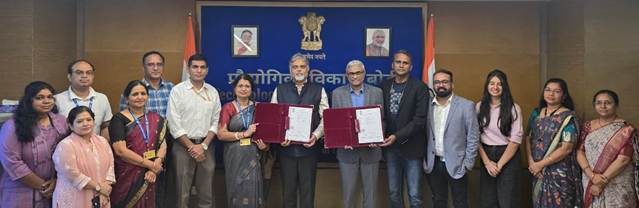
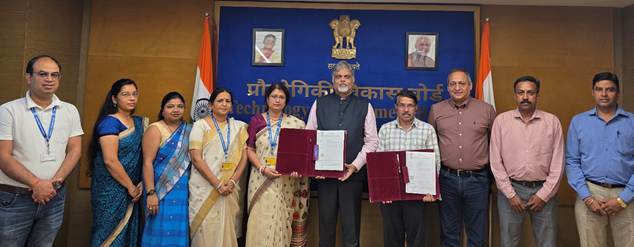
On 14 October 2026, the Technology Development Board under the Department of Science and Technology announced an agreement with ideaForge Technology Limited, Mumbai, Maharashtra. The agreement provides ₹151 crore in financial support under the Research Development and Innovation Fund for the development of YETI, an indigenous heavy-lift autonomous aerial logistics vehicle. The total project cost is ₹302 crore.
2. Official Government Announcement
The Ministry of Science and Technology published the announcement through the Press Information Bureau on 14 October 2026 at 12:50 PM. The official release identifies the company, financing arrangement, project objectives, proposed technical capabilities and technology readiness target.
3. What Is YETI?
YETI is the name of a proposed heavy-lift, long-range autonomous aerial logistics vehicle. It is designed to transport cargo to locations where conventional ground transportation may be difficult, slow or operationally constrained. It is an unmanned aerial vehicle intended to combine vertical take-off and landing with efficient fixed-wing flight.
4. Organisation Providing Support
The Technology Development Board, abbreviated TDB, is providing the announced financial support. TDB functions under the Department of Science and Technology, Government of India, and supports the development and commercial application of indigenous technologies.
5. Department of Science and Technology
The Department of Science and Technology, abbreviated DST, operates under the Ministry of Science and Technology. It promotes research, technological development and innovation. The YETI agreement is part of the broader effort to support advanced Indian technologies.
6. Company Developing YETI
The agreement was signed with ideaForge Technology Limited, based in Mumbai, Maharashtra. The company works in unmanned aerial systems. Students should remember that ideaForge, rather than HAL, DRDO or ISRO, is the company named in this particular agreement.
7. Financial Support
The government-backed financial support announced for the project is ₹151 crore. The assistance comes through the Research Development and Innovation Fund, commonly called the RDI Fund.
8. Total Project Cost
The total project cost is ₹302 crore. The announced financial support of ₹151 crore equals 50% of the total project cost. The official release does not provide a complete breakdown of all other financing sources.
9. Nature of Financing
The official PIB announcement states that the financial assistance will be provided through debt financing. This should not be described as an unconditional grant. The precise contractual repayment terms are not detailed in the release.
10. Research Development and Innovation Fund
The Research Development and Innovation Fund supports technology-intensive development activities. Advanced aerospace projects often require extensive design, prototyping, testing, validation and industrial engineering before reaching operational maturity.
11. Technology Readiness Target
The YETI project aims to advance from Technology Readiness Level 4 to Technology Readiness Level 9. This indicates an intention to move from laboratory-level validation towards a system proven in an operational environment.
12. Meaning of TRL-4
Technology Readiness Level 4 generally indicates that a technology or its components have been validated in a laboratory environment. It does not mean that a complete system has already demonstrated reliable routine operations in demanding real-world conditions.
13. Meaning of TRL-9
Technology Readiness Level 9 is generally associated with a system proven in its actual operational environment. TRL-9 is the target for YETI, not a level that the October 2026 announcement confirms has already been achieved.
14. Type of Aircraft
YETI is described as an autonomous vertical take-off and landing, fixed-wing hybrid unmanned aerial vehicle. This means the proposed aircraft combines characteristics of vertical-lift systems with the forward-flight advantages of a fixed-wing aircraft.
15. VTOL Full Form
VTOL stands for Vertical Take-Off and Landing. A VTOL aircraft can take off and land vertically without requiring a conventional long runway. This can be useful where suitable airfields are unavailable.
16. UAV Full Form
UAV stands for Unmanned Aerial Vehicle. It refers to an aircraft that operates without a pilot physically onboard. UAVs may be remotely controlled, automated or capable of varying degrees of autonomous operation.
17. Fixed-Wing Aircraft
A fixed-wing aircraft generates lift through wings as it moves through the air. Fixed-wing configurations are commonly used for efficient forward flight. YETI aims to combine this characteristic with vertical take-off and landing capability.
18. Hybrid Aircraft Design
The proposed hybrid design seeks to combine vertical access to constrained landing areas with longer-range flight. Such combinations are useful for cargo transport missions that cannot depend on conventional runways.
19. Maximum Designed Payload
According to the official announcement, YETI is designed to transport payloads of up to 200 kilograms. Payload refers to the cargo or useful load carried by the aircraft. The figure is a proposed design capability.
20. Targeted Flight Range
YETI has a targeted range of up to 200 kilometres. This is the announced development target, not a verified result of a completed operational mission. Actual range in future use may depend on payload, weather and flight conditions.
21. Proposed Operating Altitude
The proposed operating altitude is up to 6,500 metres above mean sea level. High-altitude operations can present challenges involving reduced air density, temperature and weather conditions.
22. Meaning of Mean Sea Level
Mean sea level is a reference used to express altitude. When the announcement mentions 6,500 metres above mean sea level, it describes an altitude relative to this reference, not necessarily the height above the ground directly beneath the aircraft.
23. Required Landing Area
The proposed vehicle is designed to operate from relatively small, unprepared landing areas measuring approximately 15 metres by 15 metres. Such an area has a surface of approximately 225 square metres.
24. Importance of Small Landing Areas
A small landing-area requirement could allow operations in remote locations without conventional airport infrastructure. It may be particularly relevant for mountain settlements, isolated outposts and emergency supply points.
25. High-Altitude Logistics
High-altitude regions can be difficult to access because of terrain, snow, road conditions and weather. Autonomous cargo aircraft could potentially help deliver essential supplies to such locations, subject to successful development and operational approvals.
26. Desert Operations
The project is intended to address challenging environments, including deserts. Such environments can create difficulties for ground transport because of terrain, temperature, distance and limited infrastructure.
27. Marine Operations
The official announcement also mentions marine conditions among the challenging environments considered in the design. Maritime logistics can involve locations with limited infrastructure and variable weather conditions.
28. Weather-Resistant Design
YETI is proposed to incorporate weather-resistant features. These are intended to support operations in demanding conditions. The PIB announcement does not provide certified wind limits, rainfall limits or a complete environmental qualification report.
29. Distributed Propulsion
The aircraft is described as incorporating a distributed propulsion architecture. Distributed propulsion uses multiple propulsion elements arranged across a platform rather than relying on a single propulsion unit.
30. Redundant Propulsion and Power
The proposed design includes redundancy in propulsion and power systems. Redundancy means that certain functions are supported by more than one component or pathway, potentially reducing the consequences of individual failures.
31. Fault Tolerance
Fault tolerance refers to the ability of a system to continue functioning, or to manage failures safely, when some components encounter problems. The YETI design seeks to improve fault tolerance through distributed and redundant architecture.
32. Autonomous Flight
Autonomous flight involves aircraft functions being performed by onboard systems with reduced need for continuous human control. It requires integration of navigation, sensing, flight control and communication technologies. The exact level of autonomy planned for YETI is not fully specified in the official release.
33. Role of Navigation Systems
Navigation systems help an aircraft determine its position, direction and route. Reliable navigation is particularly important for autonomous aircraft operating in difficult environments. The PIB release identifies navigation as one of the engineering disciplines integrated into the platform.
34. Role of Communication Systems
Communication systems can support mission coordination, status reporting and interaction with operators or supporting infrastructure. Dependable communication is an important consideration in autonomous logistics operations.
35. Role of Intelligent Control
Intelligent control systems help coordinate flight-related decisions and aircraft functions. The announcement identifies intelligent control as part of the multidisciplinary engineering required for the proposed platform.
36. Defence Applications
The company highlighted the logistical challenges faced by India's armed forces in locations where roads end or weather makes transport difficult. A heavy-lift autonomous cargo aircraft could potentially support military logistics, although operational deployment has not been confirmed.
37. Civilian Logistics Applications
The same basic technology may have applications in remote civilian supply chains. Potential uses include moving essential materials to difficult-to-access locations. Any future civilian operation would depend on technical performance and applicable regulations.
38. Disaster Response Potential
Autonomous aerial logistics may be useful after floods, landslides or other disasters when roads are damaged. Cargo aircraft capable of operating without long runways could support emergency supply delivery. This is a potential application rather than a completed YETI deployment.
39. Importance for Remote Communities
Remote communities may face high transportation costs and seasonal disruptions. Future autonomous logistics platforms could offer additional transportation options, particularly where ground infrastructure is limited.
40. Indigenous Aerospace Engineering
The project brings together aircraft design, propulsion, navigation, communications, power systems and intelligent control. Developing these capabilities domestically could strengthen India's aerospace engineering ecosystem.
41. Aatmanirbhar Bharat
The YETI programme aligns with the broader objective of building domestic technological capabilities. Indigenous development of advanced autonomous systems can contribute to technological self-reliance in strategically important sectors.
42. Statement by TDB Secretary
Rajesh Kumar Pathak, Secretary of the Technology Development Board, emphasised that indigenous heavy-lift aerial platforms could improve access to remote and difficult-to-reach locations. He also highlighted the RDI Fund's role in helping technology-intensive projects progress towards deployment.
43. Statement by ideaForge
The company described YETI as an effort to develop an autonomous logistics aircraft capable of addressing demanding transportation challenges. Its statement emphasised the importance of reliability and repeatability in difficult operating conditions.
44. What the Official Announcement Confirms
The official release confirms the agreement, ₹151 crore of debt financing, ₹302 crore project cost, ideaForge as the company, the proposed YETI configuration and the development targets for payload, range, altitude and landing area.
45. What Is Not Yet Confirmed
The announcement does not establish that YETI has completed operational certification, entered mass production or achieved all its proposed performance targets. It also does not publish a confirmed deployment date or a complete commercial delivery schedule.
46. Difference from Other Drone Projects
YETI is a heavy-lift autonomous logistics platform. It should not be confused with surveillance-only drones, loitering munitions or the previously reported DRDO High-Altitude Platform System. Its central announced purpose is cargo transportation.
47. Importance for Competitive Examinations
The news is relevant to UPSC, SSC, Railway NTPC, NDA, CDS and State PCS examinations. Important facts include ideaForge, Mumbai, TDB, DST, ₹151 crore, ₹302 crore, YETI, VTOL, UAV, 200 kg payload, 200 km range, 6,500 metre altitude and TRL-4 to TRL-9.
48. Overall Significance
The agreement represents an important government-supported effort to develop indigenous autonomous aerial logistics technology. If successfully developed and validated, YETI could contribute to logistics in remote, high-altitude and infrastructure-constrained regions. Its ultimate impact will depend on technical testing, certification, manufacturing and adoption.
क्या हुआ?
1. चर्चा में क्यों?
14 अक्टूबर 2026 को विज्ञान एवं प्रौद्योगिकी विभाग के अंतर्गत प्रौद्योगिकी विकास बोर्ड ने महाराष्ट्र के मुंबई स्थित ideaForge Technology Limited के साथ समझौते की घोषणा की। इसके अंतर्गत स्वदेशी भारी भारवाहक स्वायत्त हवाई रसद वाहन YETI के विकास के लिए अनुसंधान, विकास और नवाचार कोष से ₹151 करोड़ की वित्तीय सहायता प्रदान की जाएगी। परियोजना की कुल लागत ₹302 करोड़ है।
2. आधिकारिक सरकारी घोषणा
विज्ञान एवं प्रौद्योगिकी मंत्रालय ने 14 अक्टूबर 2026 को दोपहर 12 बजकर 50 मिनट पर प्रेस सूचना ब्यूरो के माध्यम से यह घोषणा प्रकाशित की। आधिकारिक विज्ञप्ति में कंपनी, वित्तपोषण व्यवस्था, परियोजना के उद्देश्य, प्रस्तावित तकनीकी क्षमताओं और प्रौद्योगिकी तैयारी स्तर के लक्ष्य की जानकारी दी गई है।
3. YETI क्या है?
YETI प्रस्तावित भारी भारवाहक और लंबी दूरी का स्वायत्त हवाई रसद वाहन है। इसे उन स्थानों तक सामान पहुंचाने के लिए विकसित किया जा रहा है जहां पारंपरिक सड़क परिवहन कठिन, धीमा या परिचालन संबंधी बाधाओं से प्रभावित हो सकता है। यह मानव रहित हवाई वाहन है, जिसमें ऊर्ध्वाधर उड़ान भरने और उतरने की क्षमता के साथ स्थिर पंखों वाली उड़ान की दक्षता को जोड़ा जाएगा।
4. सहायता प्रदान करने वाली संस्था
घोषित वित्तीय सहायता प्रौद्योगिकी विकास बोर्ड अर्थात TDB प्रदान करेगा। यह भारत सरकार के विज्ञान एवं प्रौद्योगिकी विभाग के अंतर्गत कार्य करता है और स्वदेशी तकनीकों के विकास तथा व्यावसायिक उपयोग का समर्थन करता है।
5. विज्ञान एवं प्रौद्योगिकी विभाग
Department of Science and Technology अर्थात DST विज्ञान एवं प्रौद्योगिकी मंत्रालय के अंतर्गत कार्य करता है। यह अनुसंधान, तकनीकी विकास और नवाचार को बढ़ावा देता है। YETI समझौता उन्नत भारतीय तकनीकों को समर्थन देने के व्यापक प्रयास का हिस्सा है।
6. YETI विकसित करने वाली कंपनी
समझौता महाराष्ट्र के मुंबई स्थित ideaForge Technology Limited के साथ किया गया है। कंपनी मानव रहित हवाई प्रणालियों के क्षेत्र में कार्य करती है। विद्यार्थियों को याद रखना चाहिए कि इस विशेष समझौते में ideaForge का नाम है, न कि HAL, DRDO या ISRO का।
7. वित्तीय सहायता
परियोजना के लिए घोषित सरकारी समर्थित वित्तीय सहायता ₹151 करोड़ है। यह सहायता Research Development and Innovation Fund अर्थात RDI Fund के माध्यम से प्रदान की जाएगी।
8. परियोजना की कुल लागत
परियोजना की कुल लागत ₹302 करोड़ है। घोषित ₹151 करोड़ की सहायता कुल लागत का 50 प्रतिशत है। आधिकारिक विज्ञप्ति में शेष सभी वित्तीय स्रोतों का पूरा विवरण नहीं दिया गया है।
9. वित्तपोषण का स्वरूप
आधिकारिक PIB घोषणा के अनुसार वित्तीय सहायता ऋण वित्तपोषण के माध्यम से दी जाएगी। इसे बिना शर्त अनुदान नहीं कहना चाहिए। समझौते की सटीक ऋण वापसी शर्तें विज्ञप्ति में विस्तार से नहीं बताई गई हैं।
10. अनुसंधान, विकास और नवाचार कोष
अनुसंधान, विकास और नवाचार कोष तकनीकी रूप से जटिल विकास गतिविधियों का समर्थन करता है। उन्नत वैमानिकी परियोजनाओं को परिचालन के लिए तैयार होने से पहले व्यापक डिजाइन, प्रारूप निर्माण, परीक्षण, सत्यापन और औद्योगिक अभियांत्रिकी की आवश्यकता होती है।
11. प्रौद्योगिकी तैयारी का लक्ष्य
YETI परियोजना का लक्ष्य Technology Readiness Level 4 से Technology Readiness Level 9 तक पहुंचना है। इसका अर्थ प्रयोगशाला स्तर पर सत्यापित तकनीक को वास्तविक परिचालन वातावरण में प्रमाणित प्रणाली के स्तर तक विकसित करने का प्रयास है।
12. TRL-4 का अर्थ
प्रौद्योगिकी तैयारी स्तर 4 सामान्यतः प्रयोगशाला वातावरण में तकनीक या उसके घटकों के सत्यापन को दर्शाता है। इसका अर्थ यह नहीं है कि पूरी प्रणाली कठिन वास्तविक परिस्थितियों में नियमित और विश्वसनीय संचालन पहले ही प्रदर्शित कर चुकी है।
13. TRL-9 का अर्थ
प्रौद्योगिकी तैयारी स्तर 9 सामान्यतः वास्तविक परिचालन वातावरण में प्रमाणित प्रणाली से संबंधित होता है। TRL-9 YETI का लक्ष्य है। अक्टूबर 2026 की घोषणा यह पुष्टि नहीं करती कि परियोजना पहले ही इस स्तर तक पहुंच गई है।
14. विमान का प्रकार
YETI को स्वायत्त ऊर्ध्वाधर उड़ान और अवतरण क्षमता वाला स्थिर पंखों का मिश्रित मानव रहित हवाई वाहन बताया गया है। इसका अर्थ है कि प्रस्तावित विमान में ऊर्ध्वाधर उठान प्रणाली और स्थिर पंखों की आगे की उड़ान संबंधी विशेषताओं को जोड़ा जाएगा।
15. VTOL का पूरा नाम
VTOL का पूरा नाम Vertical Take-Off and Landing है। VTOL विमान लंबी पारंपरिक हवाई पट्टी के बिना ऊर्ध्वाधर रूप से उड़ान भर और उतर सकता है। यह उन स्थानों पर उपयोगी हो सकता है जहां उपयुक्त हवाई अड्डे उपलब्ध नहीं हैं।
16. UAV का पूरा नाम
UAV का पूरा नाम Unmanned Aerial Vehicle है। इसका अर्थ ऐसा विमान है जिसमें पायलट भौतिक रूप से सवार नहीं होता। UAV को दूर से नियंत्रित किया जा सकता है या इसमें स्वचालित तथा विभिन्न स्तरों की स्वायत्त क्षमताएं हो सकती हैं।
17. स्थिर पंखों वाला विमान
स्थिर पंखों वाला विमान हवा में आगे बढ़ते समय अपने पंखों के माध्यम से उत्थापन बल उत्पन्न करता है। ऐसी संरचनाएं सामान्यतः कुशल अग्रगामी उड़ान के लिए उपयोग की जाती हैं। YETI का उद्देश्य इस विशेषता को ऊर्ध्वाधर उड़ान और अवतरण क्षमता के साथ जोड़ना है।
18. मिश्रित विमान डिजाइन
प्रस्तावित मिश्रित डिजाइन का उद्देश्य सीमित स्थानों से ऊर्ध्वाधर उड़ान भरने की सुविधा को लंबी दूरी की उड़ान के साथ जोड़ना है। यह संयोजन उन माल परिवहन अभियानों में उपयोगी हो सकता है जो पारंपरिक हवाई पट्टियों पर निर्भर नहीं रह सकते।
19. अधिकतम प्रस्तावित भार क्षमता
आधिकारिक घोषणा के अनुसार YETI को अधिकतम 200 किलोग्राम भार ढोने के लिए डिजाइन किया जा रहा है। पेलोड का अर्थ विमान द्वारा ले जाया जाने वाला सामान या उपयोगी भार है। यह आंकड़ा प्रस्तावित डिजाइन क्षमता है।
20. लक्षित उड़ान दूरी
YETI की लक्षित उड़ान दूरी अधिकतम 200 किलोमीटर है। यह घोषित विकास लक्ष्य है, किसी पूर्ण परिचालन मिशन का प्रमाणित परिणाम नहीं। भविष्य में वास्तविक दूरी भार, मौसम और उड़ान परिस्थितियों पर निर्भर कर सकती है।
21. प्रस्तावित परिचालन ऊंचाई
प्रस्तावित परिचालन ऊंचाई समुद्र तल से अधिकतम 6,500 मीटर है। अधिक ऊंचाई पर संचालन में कम वायु घनत्व, तापमान और मौसम से संबंधित चुनौतियां हो सकती हैं।
22. औसत समुद्र तल का अर्थ
Mean Sea Level ऊंचाई मापने का संदर्भ स्तर है। जब घोषणा में औसत समुद्र तल से 6,500 मीटर ऊंचाई बताई जाती है, तो यह उसी संदर्भ के सापेक्ष ऊंचाई है, न कि विमान के ठीक नीचे की जमीन से अनिवार्य रूप से उतनी ऊंचाई।
23. उतरने के लिए आवश्यक क्षेत्र
प्रस्तावित वाहन लगभग 15 मीटर गुणा 15 मीटर के अपेक्षाकृत छोटे और बिना विशेष तैयारी वाले क्षेत्र से संचालित होने के लिए डिजाइन किया जा रहा है। इस क्षेत्रफल का मान लगभग 225 वर्ग मीटर है।
24. छोटे अवतरण क्षेत्र का महत्व
छोटे अवतरण क्षेत्र की आवश्यकता दूरस्थ स्थानों में पारंपरिक हवाई अड्डे की अवसंरचना के बिना संचालन संभव बना सकती है। यह पर्वतीय बस्तियों, अलग-थलग चौकियों और आपातकालीन आपूर्ति केंद्रों के लिए विशेष रूप से प्रासंगिक हो सकता है।
25. अधिक ऊंचाई वाले क्षेत्रों में रसद
ऊंचे पर्वतीय क्षेत्रों तक पहुंच भूभाग, बर्फ, सड़कों की स्थिति और मौसम के कारण कठिन हो सकती है। स्वायत्त मालवाहक विमान सफल विकास और परिचालन अनुमतियों के बाद ऐसे स्थानों तक आवश्यक सामग्री पहुंचाने में सहायता कर सकते हैं।
26. रेगिस्तानी क्षेत्रों में संचालन
परियोजना का उद्देश्य रेगिस्तान जैसे चुनौतीपूर्ण वातावरण में भी परिवहन आवश्यकताओं को संबोधित करना है। ऐसे क्षेत्रों में भूभाग, तापमान, दूरी और सीमित अवसंरचना सड़क परिवहन को कठिन बना सकते हैं।
27. समुद्री क्षेत्रों में संचालन
आधिकारिक घोषणा में चुनौतीपूर्ण परिचालन वातावरणों में समुद्री परिस्थितियों का भी उल्लेख है। समुद्री रसद में सीमित अवसंरचना और बदलते मौसम वाले स्थान शामिल हो सकते हैं।
28. मौसम प्रतिरोधी डिजाइन
YETI में मौसम की कठिन परिस्थितियों का सामना करने वाली विशेषताएं प्रस्तावित हैं। इनका उद्देश्य चुनौतीपूर्ण वातावरण में संचालन को समर्थन देना है। PIB घोषणा में प्रमाणित हवा की गति, वर्षा की सीमा या पर्यावरणीय परीक्षण की पूरी रिपोर्ट नहीं दी गई है।
29. वितरित प्रणोदन
विमान में वितरित प्रणोदन संरचना शामिल करने का प्रस्ताव है। वितरित प्रणोदन में एक ही प्रणोदन इकाई पर निर्भर रहने के बजाय कई प्रणोदन घटकों को विमान के विभिन्न भागों में व्यवस्थित किया जाता है।
30. अतिरिक्त प्रणोदन और विद्युत व्यवस्था
प्रस्तावित डिजाइन में प्रणोदन और विद्युत प्रणालियों में अतिरिक्त वैकल्पिक व्यवस्था शामिल है। इसका अर्थ है कि कुछ कार्यों के लिए एक से अधिक घटक या रास्ते उपलब्ध होते हैं, जिससे किसी एक घटक की खराबी के प्रभाव कम किए जा सकते हैं।
31. खराबी सहने की क्षमता
Fault Tolerance का अर्थ किसी घटक में समस्या आने पर भी प्रणाली की कार्यक्षमता बनाए रखने या खराबी को सुरक्षित ढंग से संभालने की क्षमता है। YETI का डिजाइन वितरित और अतिरिक्त प्रणालियों के माध्यम से यह क्षमता बढ़ाने का प्रयास करता है।
32. स्वायत्त उड़ान
स्वायत्त उड़ान में विमान के कुछ कार्य लगातार मानवीय नियंत्रण की कम आवश्यकता के साथ आंतरिक प्रणालियों द्वारा किए जाते हैं। इसके लिए नौवहन, संवेदन, उड़ान नियंत्रण और संचार तकनीकों का एकीकरण आवश्यक है। आधिकारिक विज्ञप्ति में YETI की स्वायत्तता का सटीक स्तर पूरी तरह नहीं बताया गया।
33. नौवहन प्रणालियों की भूमिका
नौवहन प्रणालियां विमान को अपनी स्थिति, दिशा और मार्ग निर्धारित करने में सहायता करती हैं। कठिन वातावरण में चलने वाले स्वायत्त विमानों के लिए विश्वसनीय नौवहन विशेष रूप से महत्वपूर्ण है। PIB विज्ञप्ति ने नौवहन को प्लेटफॉर्म में एकीकृत अभियांत्रिक क्षेत्रों में शामिल किया है।
34. संचार प्रणालियों की भूमिका
संचार प्रणालियां मिशन समन्वय, स्थिति संबंधी जानकारी भेजने और संचालकों या सहायक अवसंरचना के साथ संपर्क में सहायता कर सकती हैं। स्वायत्त रसद संचालन में भरोसेमंद संचार महत्वपूर्ण है।
35. बुद्धिमान नियंत्रण की भूमिका
बुद्धिमान नियंत्रण प्रणालियां उड़ान संबंधी निर्णयों और विमान के कार्यों के समन्वय में सहायता करती हैं। घोषणा में प्रस्तावित प्लेटफॉर्म के लिए आवश्यक बहुविषयक अभियांत्रिकी में बुद्धिमान नियंत्रण को भी शामिल किया गया है।
36. रक्षा क्षेत्र में अनुप्रयोग
कंपनी ने ऐसे स्थानों पर भारतीय सशस्त्र बलों के सामने आने वाली रसद चुनौतियों का उल्लेख किया जहां सड़कें समाप्त हो जाती हैं या मौसम परिवहन को कठिन बनाता है। भारी भारवाहक स्वायत्त विमान भविष्य में सैन्य रसद का समर्थन कर सकता है, हालांकि इसकी परिचालन तैनाती की पुष्टि नहीं हुई है।
37. नागरिक रसद में अनुप्रयोग
इसी मूल तकनीक का उपयोग दूरस्थ नागरिक आपूर्ति शृंखलाओं में भी संभव हो सकता है। संभावित उपयोगों में कठिन पहुंच वाले स्थानों तक आवश्यक सामग्री पहुंचाना शामिल है। भविष्य का नागरिक संचालन तकनीकी प्रदर्शन और लागू नियमों पर निर्भर करेगा।
38. आपदा प्रतिक्रिया की संभावना
बाढ़, भूस्खलन या अन्य आपदाओं के बाद सड़कें क्षतिग्रस्त होने पर स्वायत्त हवाई रसद उपयोगी हो सकती है। लंबी हवाई पट्टी के बिना संचालित मालवाहक विमान आपातकालीन आपूर्ति पहुंचाने में सहायता कर सकते हैं। यह संभावित उपयोग है, YETI की पूर्ण तैनाती नहीं।
39. दूरस्थ समुदायों के लिए महत्व
दूरस्थ समुदायों को अधिक परिवहन लागत और मौसमी बाधाओं का सामना करना पड़ सकता है। भविष्य के स्वायत्त रसद प्लेटफॉर्म अतिरिक्त परिवहन विकल्प प्रदान कर सकते हैं, विशेषकर जहां सड़क अवसंरचना सीमित है।
40. स्वदेशी वैमानिकी अभियांत्रिकी
परियोजना में विमान डिजाइन, प्रणोदन, नौवहन, संचार, विद्युत प्रणालियों और बुद्धिमान नियंत्रण का एकीकरण शामिल है। इन क्षमताओं का देश में विकास भारत के वैमानिकी अभियांत्रिकी तंत्र को मजबूत कर सकता है।
41. आत्मनिर्भर भारत
YETI कार्यक्रम घरेलू तकनीकी क्षमताएं विकसित करने के व्यापक उद्देश्य के अनुरूप है। उन्नत स्वायत्त प्रणालियों का स्वदेशी विकास रणनीतिक रूप से महत्वपूर्ण क्षेत्रों में तकनीकी आत्मनिर्भरता में योगदान दे सकता है।
42. TDB सचिव का वक्तव्य
प्रौद्योगिकी विकास बोर्ड के सचिव राजेश कुमार पाठक ने कहा कि स्वदेशी भारी भारवाहक हवाई प्लेटफॉर्म दूरस्थ और कठिन पहुंच वाले क्षेत्रों तक पहुंच सुधारने में महत्वपूर्ण भूमिका निभा सकते हैं। उन्होंने तकनीकी रूप से जटिल परियोजनाओं को तैनाती की दिशा में आगे बढ़ाने में RDI Fund की भूमिका पर भी जोर दिया।
43. ideaForge का वक्तव्य
कंपनी ने YETI को कठिन परिवहन चुनौतियों का समाधान करने में सक्षम स्वायत्त रसद विमान विकसित करने का प्रयास बताया। उसके वक्तव्य में चुनौतीपूर्ण परिस्थितियों में भरोसेमंद और बार-बार समान कार्य करने की क्षमता के महत्व पर जोर दिया गया।
44. आधिकारिक घोषणा से क्या पुष्टि होती है?
आधिकारिक विज्ञप्ति समझौते, ₹151 करोड़ के ऋण वित्तपोषण, ₹302 करोड़ की परियोजना लागत, ideaForge कंपनी, प्रस्तावित YETI विमान संरचना तथा भार क्षमता, दूरी, ऊंचाई और अवतरण क्षेत्र से संबंधित विकास लक्ष्यों की पुष्टि करती है।
45. अभी क्या प्रमाणित नहीं है?
घोषणा यह स्थापित नहीं करती कि YETI ने परिचालन प्रमाणन पूरा कर लिया है, बड़े पैमाने पर उत्पादन शुरू हो गया है या सभी प्रस्तावित प्रदर्शन लक्ष्य प्राप्त कर लिए गए हैं। इसमें निश्चित तैनाती तिथि या पूरी व्यावसायिक आपूर्ति समयसीमा भी प्रकाशित नहीं की गई है।
46. अन्य ड्रोन परियोजनाओं से अंतर
YETI भारी भारवाहक स्वायत्त रसद प्लेटफॉर्म है। इसे केवल निगरानी करने वाले ड्रोन, लक्ष्य पर मंडराने वाले हथियार या पहले रिपोर्ट की गई DRDO की हाई-एल्टीट्यूड प्लेटफॉर्म प्रणाली से भ्रमित नहीं करना चाहिए। इसका प्रमुख घोषित उद्देश्य सामान का परिवहन है।
47. प्रतियोगी परीक्षाओं के लिए महत्व
यह समाचार UPSC, SSC, रेलवे NTPC, NDA, CDS और राज्य लोक सेवा आयोग की परीक्षाओं के लिए प्रासंगिक है। महत्वपूर्ण तथ्यों में ideaForge, मुंबई, TDB, DST, ₹151 करोड़, ₹302 करोड़, YETI, VTOL, UAV, 200 किलोग्राम भार, 200 किलोमीटर दूरी, 6,500 मीटर ऊंचाई और TRL-4 से TRL-9 शामिल हैं।
48. समग्र महत्व
यह समझौता स्वदेशी स्वायत्त हवाई रसद तकनीक विकसित करने का महत्वपूर्ण सरकारी समर्थित प्रयास है। सफल विकास और सत्यापन के बाद YETI दूरस्थ, ऊंचाई वाले और सीमित अवसंरचना वाले क्षेत्रों में रसद का समर्थन कर सकता है। इसका अंतिम प्रभाव तकनीकी परीक्षण, प्रमाणन, विनिर्माण और उपयोग पर निर्भर करेगा।
Key Facts
• The YETI agreement was announced on 14 October 2026.
• The agreement was announced by the Technology Development Board.
• TDB stands for Technology Development Board.
• TDB functions under the Department of Science and Technology.
• DST stands for Department of Science and Technology.
• The agreement was signed with ideaForge Technology Limited.
• ideaForge Technology Limited is based in Mumbai.
• Mumbai is located in Maharashtra.
• The project is supported through the Research Development and Innovation Fund.
• RDI stands for Research Development and Innovation.
• The announced financial support is ₹151 crore.
• The total project cost is ₹302 crore.
• The announced support equals 50% of the total project cost.
• The support is provided through debt financing.
• YETI is the name of the proposed autonomous aerial logistics vehicle.
• YETI is designed for heavy-lift cargo transportation.
• YETI is an unmanned aerial vehicle.
• UAV stands for Unmanned Aerial Vehicle.
• YETI combines VTOL and fixed-wing configurations.
• VTOL stands for Vertical Take-Off and Landing.
• The aircraft is described as a fixed-wing hybrid UAV.
• The designed payload capacity is up to 200 kilograms.
• The targeted range is up to 200 kilometres.
• The proposed operating altitude is up to 6,500 metres above mean sea level.
• The proposed landing area is approximately 15 metres by 15 metres.
• A 15 metre by 15 metre area equals 225 square metres.
• YETI is designed to operate from relatively small unprepared landing areas.
• The project targets challenging high-altitude environments.
• The project also considers desert environments.
• The project also considers marine conditions.
• The design includes weather-resistant features.
• The platform incorporates distributed propulsion architecture.
• The platform incorporates redundant propulsion and power architecture.
• Redundancy can improve fault tolerance.
• The programme aims to progress from TRL-4 to TRL-9.
• TRL stands for Technology Readiness Level.
• TRL-4 generally refers to laboratory validation.
• TRL-9 generally refers to a system proven in an operational environment.
• TRL-9 is a target and not a confirmed achievement.
• The project integrates aerospace engineering and propulsion.
• The project integrates navigation and communications.
• The project integrates intelligent control.
• The proposed platform may support military logistics.
• The proposed platform may support logistics in remote civilian areas.
• Disaster-response logistics is a potential application.
• Rajesh Kumar Pathak was identified as Secretary of TDB.
• The official announcement does not confirm operational certification.
• The official announcement does not confirm mass production.
• The official PIB announcement was published at 12:50 PM.
• The official PIB release identification number is 2323134.
मुख्य तथ्य
• YETI समझौते की घोषणा 14 अक्टूबर 2026 को हुई।
• समझौते की घोषणा प्रौद्योगिकी विकास बोर्ड ने की।
• TDB का पूरा नाम Technology Development Board है।
• TDB विज्ञान एवं प्रौद्योगिकी विभाग के अंतर्गत कार्य करता है।
• DST का पूरा नाम Department of Science and Technology है।
• समझौता ideaForge Technology Limited के साथ किया गया।
• ideaForge Technology Limited मुंबई में स्थित है।
• मुंबई महाराष्ट्र में स्थित है।
• परियोजना अनुसंधान, विकास और नवाचार कोष से समर्थित है।
• RDI का पूरा नाम Research Development and Innovation है।
• घोषित वित्तीय सहायता ₹151 करोड़ है।
• परियोजना की कुल लागत ₹302 करोड़ है।
• घोषित सहायता कुल परियोजना लागत का 50 प्रतिशत है।
• सहायता ऋण वित्तपोषण के माध्यम से दी जाएगी।
• YETI प्रस्तावित स्वायत्त हवाई रसद वाहन का नाम है।
• YETI भारी सामान के परिवहन के लिए डिजाइन किया जा रहा है।
• YETI मानव रहित हवाई वाहन है।
• UAV का पूरा नाम Unmanned Aerial Vehicle है।
• YETI में VTOL और स्थिर पंखों वाली संरचनाओं का संयोजन है।
• VTOL का पूरा नाम Vertical Take-Off and Landing है।
• विमान को स्थिर पंखों वाला मिश्रित UAV बताया गया है।
• प्रस्तावित भार क्षमता अधिकतम 200 किलोग्राम है।
• लक्षित उड़ान दूरी अधिकतम 200 किलोमीटर है।
• प्रस्तावित परिचालन ऊंचाई औसत समुद्र तल से अधिकतम 6,500 मीटर है।
• प्रस्तावित अवतरण क्षेत्र लगभग 15 मीटर गुणा 15 मीटर है।
• 15 मीटर गुणा 15 मीटर का क्षेत्रफल 225 वर्ग मीटर है।
• YETI छोटे और बिना विशेष तैयारी वाले क्षेत्रों से संचालन के लिए डिजाइन किया जा रहा है।
• परियोजना ऊंचाई वाले चुनौतीपूर्ण वातावरणों के लिए है।
• परियोजना में रेगिस्तानी वातावरण भी शामिल हैं।
• परियोजना में समुद्री परिस्थितियां भी शामिल हैं।
• डिजाइन में मौसम प्रतिरोधी विशेषताएं शामिल हैं।
• प्लेटफॉर्म में वितरित प्रणोदन संरचना शामिल है।
• प्लेटफॉर्म में अतिरिक्त प्रणोदन और विद्युत व्यवस्था शामिल है।
• अतिरिक्त वैकल्पिक व्यवस्था खराबी सहने की क्षमता बढ़ा सकती है।
• कार्यक्रम का लक्ष्य TRL-4 से TRL-9 तक प्रगति करना है।
• TRL का पूरा नाम Technology Readiness Level है।
• TRL-4 सामान्यतः प्रयोगशाला सत्यापन को दर्शाता है।
• TRL-9 सामान्यतः वास्तविक परिचालन वातावरण में प्रमाणित प्रणाली को दर्शाता है।
• TRL-9 लक्ष्य है, पहले से प्राप्त उपलब्धि की पुष्टि नहीं।
• परियोजना में वैमानिकी अभियांत्रिकी और प्रणोदन का एकीकरण है।
• परियोजना में नौवहन और संचार का एकीकरण है।
• परियोजना में बुद्धिमान नियंत्रण का एकीकरण है।
• प्रस्तावित प्लेटफॉर्म सैन्य रसद का समर्थन कर सकता है।
• प्रस्तावित प्लेटफॉर्म दूरस्थ नागरिक क्षेत्रों की रसद में उपयोगी हो सकता है।
• आपदा प्रतिक्रिया के दौरान रसद इसका संभावित अनुप्रयोग है।
• राजेश कुमार पाठक को TDB का सचिव बताया गया।
• आधिकारिक घोषणा परिचालन प्रमाणन की पुष्टि नहीं करती।
• आधिकारिक घोषणा बड़े पैमाने पर उत्पादन की पुष्टि नहीं करती।
• आधिकारिक PIB घोषणा दोपहर 12 बजकर 50 मिनट पर प्रकाशित हुई।
• आधिकारिक PIB विज्ञप्ति संख्या 2323134 है।
Background
Autonomous aerial logistics is an emerging area of aerospace technology in which unmanned aircraft transport goods with varying degrees of automated operation. Traditional cargo transportation may be difficult in mountainous terrain, deserts, marine environments or regions with limited road infrastructure. Vertical take-off and landing technology can reduce dependence on conventional runways, while fixed-wing flight can provide advantages for longer-distance travel. On 14 October 2026, the Technology Development Board under the Department of Science and Technology announced an agreement with Mumbai-based ideaForge Technology Limited for ₹151 crore of debt financing under the Research Development and Innovation Fund. The total project cost is ₹302 crore. The project concerns YETI, a heavy-lift autonomous VTOL fixed-wing hybrid UAV. Its proposed design targets include a 200 kilogram payload, 200 kilometre range, operating altitude up to 6,500 metres above mean sea level and a landing area of approximately 15 metres by 15 metres. The project aims to progress from Technology Readiness Level 4 to Technology Readiness Level 9. The official announcement establishes a development programme, not a completed operational deployment.
पृष्ठभूमि
स्वायत्त हवाई रसद वैमानिकी प्रौद्योगिकी का उभरता हुआ क्षेत्र है, जिसमें मानव रहित विमान विभिन्न स्तरों के स्वचालित संचालन के साथ सामान का परिवहन करते हैं। पर्वतीय भूभाग, रेगिस्तान, समुद्री वातावरण या सीमित सड़क अवसंरचना वाले क्षेत्रों में पारंपरिक माल परिवहन कठिन हो सकता है। ऊर्ध्वाधर उड़ान और अवतरण तकनीक पारंपरिक हवाई पट्टियों पर निर्भरता कम कर सकती है, जबकि स्थिर पंखों वाली उड़ान लंबी दूरी के लिए लाभ प्रदान कर सकती है। 14 अक्टूबर 2026 को विज्ञान एवं प्रौद्योगिकी विभाग के अंतर्गत प्रौद्योगिकी विकास बोर्ड ने मुंबई स्थित ideaForge Technology Limited के साथ अनुसंधान, विकास और नवाचार कोष से ₹151 करोड़ के ऋण वित्तपोषण हेतु समझौते की घोषणा की। परियोजना की कुल लागत ₹302 करोड़ है। परियोजना YETI नामक भारी भारवाहक स्वायत्त VTOL स्थिर पंखों वाले मिश्रित UAV से संबंधित है। इसके प्रस्तावित डिजाइन लक्ष्यों में 200 किलोग्राम भार क्षमता, 200 किलोमीटर दूरी, औसत समुद्र तल से अधिकतम 6,500 मीटर परिचालन ऊंचाई और लगभग 15 मीटर गुणा 15 मीटर अवतरण क्षेत्र शामिल हैं। परियोजना का लक्ष्य प्रौद्योगिकी तैयारी स्तर 4 से स्तर 9 तक पहुंचना है। आधिकारिक घोषणा विकास कार्यक्रम की पुष्टि करती है, पूर्ण परिचालन तैनाती की नहीं।
Why It Matters
The YETI project is important because it addresses a major logistical challenge: transporting essential goods to locations where roads and conventional airfields are inadequate. Its proposed combination of vertical take-off and landing, fixed-wing flight, heavy payload capacity and autonomous operation could support future supply chains in mountainous, desert and marine environments. The programme may have relevance for defence logistics, remote communities and disaster-response operations. It also supports the development of domestic capabilities in aerospace engineering, propulsion, navigation, communications and intelligent control. The ₹151 crore support under the RDI Fund demonstrates the role of public financing in advancing high-technology projects. However, the announced payload, range and altitude figures are development targets. The project's actual operational contribution will depend on successful testing, certification, manufacturing and deployment.
यह क्यों महत्वपूर्ण है?
YETI परियोजना महत्वपूर्ण है क्योंकि यह ऐसी जगहों तक आवश्यक सामान पहुंचाने की बड़ी रसद चुनौती का समाधान करने का प्रयास करती है जहां सड़कें और पारंपरिक हवाई अड्डे पर्याप्त नहीं हैं। ऊर्ध्वाधर उड़ान और अवतरण, स्थिर पंखों की उड़ान, भारी भार क्षमता और स्वायत्त संचालन का प्रस्तावित संयोजन भविष्य में पर्वतीय, रेगिस्तानी तथा समुद्री क्षेत्रों की आपूर्ति शृंखलाओं का समर्थन कर सकता है। कार्यक्रम रक्षा रसद, दूरस्थ समुदायों और आपदा प्रतिक्रिया अभियानों के लिए प्रासंगिक हो सकता है। यह वैमानिकी अभियांत्रिकी, प्रणोदन, नौवहन, संचार और बुद्धिमान नियंत्रण में घरेलू क्षमताओं के विकास का भी समर्थन करता है। RDI Fund के अंतर्गत ₹151 करोड़ की सहायता उन्नत तकनीकी परियोजनाओं को आगे बढ़ाने में सार्वजनिक वित्तपोषण की भूमिका दर्शाती है। हालांकि घोषित भार क्षमता, दूरी और ऊंचाई विकास के लक्ष्य हैं। परियोजना का वास्तविक परिचालन योगदान सफल परीक्षण, प्रमाणन, विनिर्माण और तैनाती पर निर्भर करेगा।
Exam Connection
Important Examination Facts: Date: 14 October 2026. Ministry: Ministry of Science and Technology. Organisation: Technology Development Board under the Department of Science and Technology. Company: ideaForge Technology Limited, Mumbai, Maharashtra. Project: YETI heavy-lift autonomous aerial logistics vehicle. Government financial support: ₹151 crore. Total project cost: ₹302 crore. Financing mechanism: Research Development and Innovation Fund. Nature of assistance: Debt financing. Aircraft type: Autonomous VTOL fixed-wing hybrid unmanned aerial vehicle. VTOL: Vertical Take-Off and Landing. UAV: Unmanned Aerial Vehicle. Designed payload: Up to 200 kilograms. Targeted range: Up to 200 kilometres. Proposed altitude: Up to 6,500 metres above mean sea level. Landing area: Approximately 15 metres by 15 metres. Technology readiness target: TRL-4 to TRL-9. Design features: Distributed propulsion, redundant power and fault tolerance. Potential applications: High-altitude logistics, desert operations, marine environments and remote supply delivery. TDB Secretary: Rajesh Kumar Pathak. Official PIB release number: 2323134. Important caution: The figures describe proposed capabilities, not verified completed operational performance.
परीक्षा से संबंध
परीक्षा के महत्वपूर्ण तथ्य: तिथि: 14 अक्टूबर 2026। मंत्रालय: विज्ञान एवं प्रौद्योगिकी मंत्रालय। संस्था: विज्ञान एवं प्रौद्योगिकी विभाग के अंतर्गत प्रौद्योगिकी विकास बोर्ड। कंपनी: ideaForge Technology Limited, मुंबई, महाराष्ट्र। परियोजना: YETI भारी भारवाहक स्वायत्त हवाई रसद वाहन। सरकारी वित्तीय सहायता: ₹151 करोड़। कुल परियोजना लागत: ₹302 करोड़। वित्तपोषण व्यवस्था: अनुसंधान, विकास और नवाचार कोष। सहायता का स्वरूप: ऋण वित्तपोषण। विमान का प्रकार: स्वायत्त VTOL स्थिर पंखों वाला मिश्रित मानव रहित हवाई वाहन। VTOL: Vertical Take-Off and Landing। UAV: Unmanned Aerial Vehicle। प्रस्तावित भार क्षमता: अधिकतम 200 किलोग्राम। लक्षित दूरी: अधिकतम 200 किलोमीटर। प्रस्तावित ऊंचाई: औसत समुद्र तल से अधिकतम 6,500 मीटर। अवतरण क्षेत्र: लगभग 15 मीटर गुणा 15 मीटर। प्रौद्योगिकी तैयारी लक्ष्य: TRL-4 से TRL-9। डिजाइन विशेषताएं: वितरित प्रणोदन, अतिरिक्त विद्युत व्यवस्था और खराबी सहने की क्षमता। संभावित अनुप्रयोग: ऊंचाई वाले क्षेत्रों की रसद, रेगिस्तानी संचालन, समुद्री वातावरण और दूरस्थ आपूर्ति। TDB सचिव: राजेश कुमार पाठक। आधिकारिक PIB विज्ञप्ति संख्या: 2323134। महत्वपूर्ण सावधानी: ये आंकड़े प्रस्तावित क्षमताएं बताते हैं, पूर्ण परिचालन प्रदर्शन के प्रमाणित परिणाम नहीं।
 History Geography General Science Economy
 SSC CGL 2026 Ultimate Chapterwise