What Happened
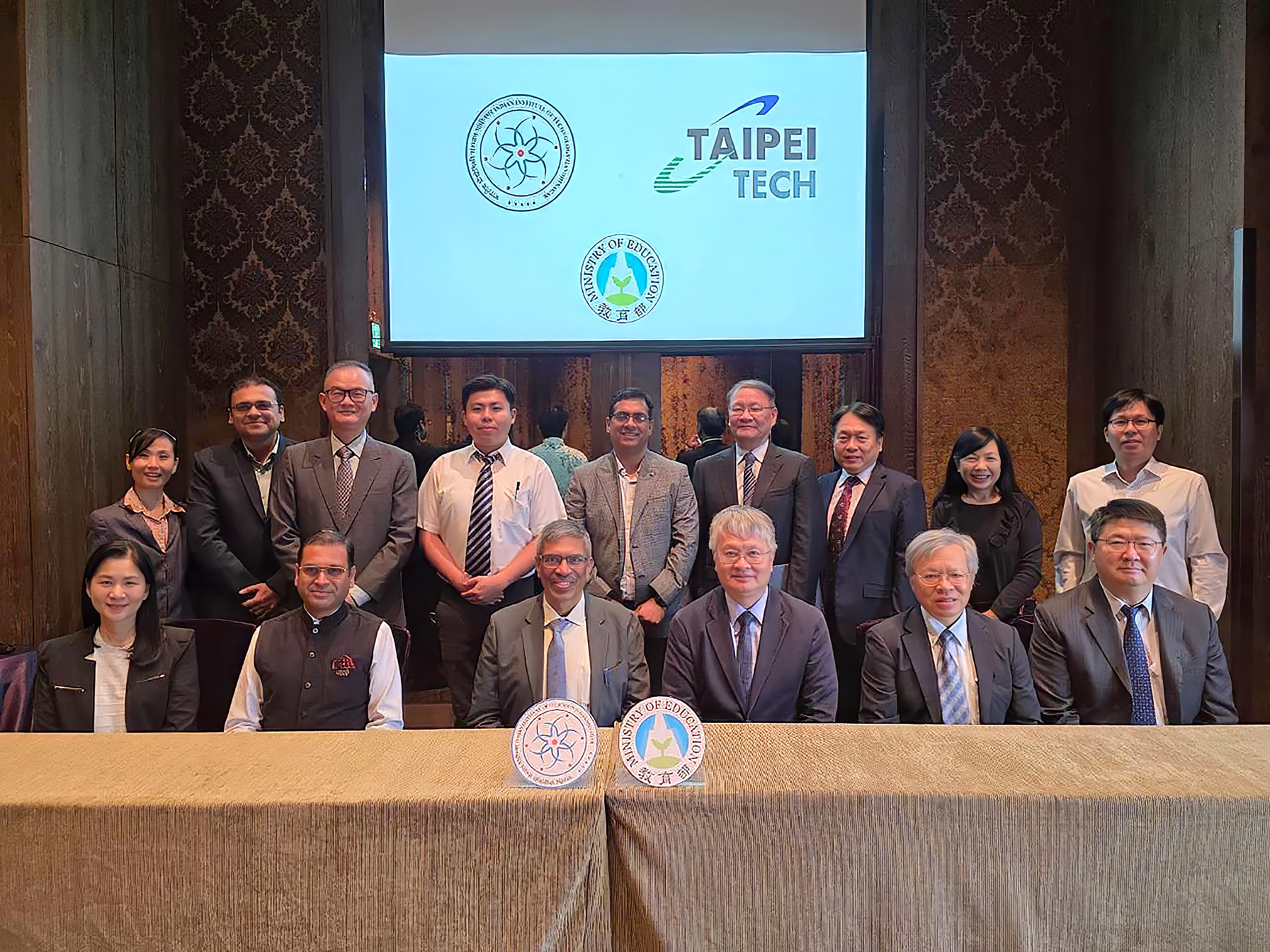
IIT Gandhinagar has signed Memoranda of Understanding with three Taiwanese universities to strengthen cooperation in semiconductor technology, artificial intelligence and other emerging technologies. The three partner institutions are National Taipei University of Technology, commonly known as Taipei Tech; National Taiwan University of Science and Technology, commonly known as Taiwan Tech; and National Central University, commonly abbreviated as NCU.
1. What Happened in September 2026?
IIT Gandhinagar expanded its international academic and research partnerships through agreements with three Taiwanese universities. The cooperation focuses particularly on semiconductor technology, artificial intelligence and other emerging technologies. The agreements provide a framework for joint research, student and faculty exchanges, knowledge sharing and talent development.
2. Which Three Taiwanese Universities Are Involved?
The three institutions are National Taipei University of Technology or Taipei Tech, National Taiwan University of Science and Technology or Taiwan Tech, and National Central University or NCU. These institutions are involved in science, engineering, technology and related academic disciplines.
3. When Did the Visit Take Place?
The IIT Gandhinagar delegation visited Taiwan from 20 to 25 September 2026. The delegation was led by Professor Rajat Moona, Director of IIT Gandhinagar. The visit included discussions with universities, research organisations and semiconductor-related institutions.
4. What Are the Main Areas of Cooperation?
The partnerships focus on semiconductor technology, artificial intelligence and other emerging technologies. Cooperation is expected to include joint research projects, academic exchanges, knowledge sharing and talent-development programmes. Student exchanges can provide exposure to specialised laboratories and research environments, while faculty exchanges can support collaborative research and teaching.
5. Why Are Semiconductors Important?
Semiconductors form the foundation of modern electronic systems. Semiconductor chips are used in smartphones, computers, automobiles, telecommunications equipment, medical devices, industrial machines, defence systems, satellites and artificial-intelligence hardware. A complete semiconductor ecosystem requires expertise in chip design, materials, fabrication, packaging, testing, equipment and skilled manpower.
6. Why Is Taiwan Important in Semiconductor Technology?
Taiwan has developed extensive capabilities in semiconductor manufacturing, research, engineering and higher education. Its universities and research organisations form an important part of this technology ecosystem. Cooperation with Taiwanese institutions can provide Indian researchers and students opportunities to work with specialised academic and research expertise.
7. What Is IIT Gandhinagar?
The Indian Institute of Technology Gandhinagar is located in Gujarat. It undertakes education and research in engineering, science, humanities and interdisciplinary fields. The new agreements strengthen its international engagement in semiconductor and advanced technology research.
8. What Is SAMARTH at IIT Gandhinagar?
SAMARTH stands for Silicon and Advanced Semiconductor Manufacturing Research and Training Hub. It has been established at IIT Gandhinagar to advance semiconductor workforce development, applied research, technological innovation and collaboration with industry. The Taiwan partnerships can strengthen its international academic and research connections.
9. Why Is Semiconductor Workforce Development Important?
A semiconductor ecosystem requires specialised professionals across many stages of the value chain. Engineers are needed in chip design, electronic design automation, materials, fabrication, packaging, testing, equipment maintenance and manufacturing. Researchers are also required to develop new materials, devices and processes. Universities therefore play an important role in building semiconductor capabilities.
10. What Is Applied Research?
Applied research uses scientific knowledge to address practical problems and develop technologies for real-world applications. In semiconductor technology, applied research may involve materials, device structures, fabrication processes, packaging, testing and manufacturing methods. Academic-industry cooperation can help translate research into practical technological capabilities.
11. What Is the Role of Artificial Intelligence?
Artificial intelligence is another major area identified for cooperation. AI and semiconductor technologies are increasingly interconnected because advanced artificial-intelligence systems require specialised computing hardware. AI techniques can also be used in semiconductor design, manufacturing optimisation, defect detection and process control.
12. What Types of Academic Exchanges Are Expected?
The partnerships provide a framework for student and faculty exchanges. Students may gain exposure to different laboratories, academic environments and research methods. Faculty members may participate in collaborative research, teaching and knowledge-sharing programmes. Specific eligibility conditions and participant numbers will depend on future programmes developed by the institutions.
13. What Is Joint Research?
Joint research involves researchers from multiple institutions working together on common scientific or technological problems. Participating institutions can contribute different expertise, laboratories, equipment and researchers. Such cooperation can be especially useful in semiconductor research because advanced research frequently requires specialised facilities and expertise from several disciplines.
14. Indian Doctoral Students in Taiwan
According to information highlighted during the visit, 974 Indian students were pursuing doctoral degrees in Taiwan in 2026. Indonesia was reported to have 1,081 doctoral students. The figures demonstrate the existing educational links between India and Taiwan. The figure of 974 specifically refers to Indian doctoral students and should not be treated as the total number of Indian students at all educational levels.
15. Who Led the IIT Gandhinagar Delegation?
Professor Rajat Moona, Director of IIT Gandhinagar, led the delegation. The visit from 20 to 25 September 2026 included meetings intended to identify opportunities in academic exchanges, research, technology development and specialised talent training.
16. Who Participated in the MoU Programme?
The programme included representatives of IIT Gandhinagar and the three Taiwanese universities. Minand Deshpande, Director General of the India Taipei Association, was also associated with the signing programme. The participation of senior institutional representatives reflected the academic and institutional nature of the partnerships.
17. Which Other Taiwanese Institutions Were Engaged?
The IIT Gandhinagar delegation also engaged with National Cheng Kung University and National Yang Ming Chiao Tung University. It interacted with the Taiwan Semiconductor Research Institute and Powerchip Semiconductor Manufacturing Corporation. These interactions explored opportunities in research, specialised training and technology cooperation.
18. What Is the Taiwan Semiconductor Research Institute?
The Taiwan Semiconductor Research Institute was among the research organisations engaged during the delegation's visit. Interaction with specialised semiconductor research organisations can help academic institutions understand advanced research capabilities, infrastructure and training requirements. The three specifically announced university MoUs, however, were with Taipei Tech, Taiwan Tech and National Central University.
19. What Is PSMC?
PSMC stands for Powerchip Semiconductor Manufacturing Corporation. The company was among the organisations engaged by the IIT Gandhinagar delegation during its Taiwan visit. Interaction with industry provides an additional dimension to academic collaboration because semiconductor workforce training and applied research must respond to evolving manufacturing requirements.
20. How Can These Partnerships Help India?
The partnerships can strengthen semiconductor education, research capabilities and skilled manpower development. Students and researchers can gain access to wider academic networks and specialised expertise. Joint projects can expose Indian researchers to different technological approaches and research environments. Their eventual impact will depend on implementation through research projects, exchanges and training programmes.
21. Why Is Gujarat Relevant?
IIT Gandhinagar is located in Gujarat, a state where semiconductor manufacturing and related technology investments have been expanding. This creates opportunities to connect university research and talent development with industrial requirements. Research and training institutions located near an expanding industrial ecosystem can potentially support internships, applied projects and industry-academic collaboration.
22. What Is the Difference Between an MoU and a Completed Project?
A Memorandum of Understanding establishes a framework for cooperation. It can identify areas such as research, student exchanges, faculty collaboration and training. Signing an MoU does not mean that every proposed project has already started or been completed. Individual programmes generally require additional planning, funding, participant selection and implementation.
23. Why Is This Important for India's Semiconductor Ecosystem?
A complete semiconductor ecosystem requires manufacturing facilities, chip designers, researchers, engineers, educational programmes, testing capabilities and industry-academic cooperation. International academic partnerships can complement domestic investment by strengthening skills and research networks. IIT Gandhinagar's SAMARTH hub provides an institutional mechanism for developing such capabilities.
24. What Should Students Remember?
The Indian institution is IIT Gandhinagar. The three Taiwanese MoU partners are Taipei Tech, Taiwan Tech and National Central University. The major areas are semiconductors, artificial intelligence and emerging technologies. The IIT Gandhinagar delegation visited Taiwan from 20 to 25 September 2026 and was led by Professor Rajat Moona. SAMARTH stands for Silicon and Advanced Semiconductor Manufacturing Research and Training Hub.
25. Importance for Competitive Examinations
For UPSC General Studies Paper II, the development is relevant to international educational cooperation and institutional partnerships. For General Studies Paper III, it is relevant to science and technology, semiconductor technology, artificial intelligence, research and development and skilled human-resource development. For SSC, Railway and State PCS examinations, the three Taiwanese universities, IIT Gandhinagar, SAMARTH, Professor Rajat Moona and the main areas of cooperation are important factual points.
क्या हुआ?
IIT गांधीनगर ने सेमीकंडक्टर प्रौद्योगिकी, कृत्रिम बुद्धिमत्ता और अन्य उभरती प्रौद्योगिकियों में सहयोग मजबूत करने के लिए ताइवान के तीन विश्वविद्यालयों के साथ समझौता ज्ञापनों पर हस्ताक्षर किए हैं। ये तीन संस्थान नेशनल ताइपे यूनिवर्सिटी ऑफ टेक्नोलॉजी अर्थात ताइपे टेक, नेशनल ताइवान यूनिवर्सिटी ऑफ साइंस एंड टेक्नोलॉजी अर्थात ताइवान टेक और नेशनल सेंट्रल यूनिवर्सिटी अर्थात NCU हैं।
1. सितंबर 2026 में क्या हुआ?
IIT गांधीनगर ने ताइवान के तीन विश्वविद्यालयों के साथ समझौते करके अपने अंतरराष्ट्रीय शैक्षणिक और अनुसंधान सहयोग का विस्तार किया। सहयोग विशेष रूप से सेमीकंडक्टर प्रौद्योगिकी, कृत्रिम बुद्धिमत्ता और अन्य उभरती प्रौद्योगिकियों पर केंद्रित है। समझौते संयुक्त अनुसंधान, विद्यार्थी और संकाय आदान-प्रदान, ज्ञान साझा करने और प्रतिभा विकास के लिए ढाँचा प्रदान करते हैं।
2. कौन-से तीन ताइवानी विश्वविद्यालय शामिल हैं?
तीन संस्थान हैं—नेशनल ताइपे यूनिवर्सिटी ऑफ टेक्नोलॉजी अर्थात ताइपे टेक, नेशनल ताइवान यूनिवर्सिटी ऑफ साइंस एंड टेक्नोलॉजी अर्थात ताइवान टेक और नेशनल सेंट्रल यूनिवर्सिटी अर्थात NCU। ये संस्थान विज्ञान, अभियांत्रिकी और प्रौद्योगिकी के क्षेत्रों में कार्य करते हैं।
3. ताइवान यात्रा कब हुई?
IIT गांधीनगर के प्रतिनिधिमंडल ने 20 से 25 सितंबर 2026 तक ताइवान का दौरा किया। प्रतिनिधिमंडल का नेतृत्व IIT गांधीनगर के निदेशक प्रोफेसर रजत मूना ने किया। यात्रा के दौरान विश्वविद्यालयों, अनुसंधान संगठनों और सेमीकंडक्टर क्षेत्र से संबंधित संस्थाओं के साथ बातचीत हुई।
4. सहयोग के प्रमुख क्षेत्र क्या हैं?
साझेदारी सेमीकंडक्टर प्रौद्योगिकी, कृत्रिम बुद्धिमत्ता और अन्य उभरती प्रौद्योगिकियों पर केंद्रित है। सहयोग में संयुक्त अनुसंधान परियोजनाएँ, शैक्षणिक आदान-प्रदान, ज्ञान साझा करना और प्रतिभा विकास कार्यक्रम शामिल हो सकते हैं। विद्यार्थी आदान-प्रदान से विशेष प्रयोगशालाओं और अनुसंधान वातावरण का अनुभव प्राप्त हो सकता है।
5. सेमीकंडक्टर क्यों महत्वपूर्ण हैं?
सेमीकंडक्टर आधुनिक इलेक्ट्रॉनिक प्रणालियों की आधारशिला हैं। इनसे बने चिप स्मार्टफोन, कंप्यूटर, वाहन, दूरसंचार उपकरण, चिकित्सा उपकरण, औद्योगिक मशीनों, रक्षा प्रणालियों, उपग्रहों और कृत्रिम बुद्धिमत्ता हार्डवेयर में उपयोग होते हैं। संपूर्ण सेमीकंडक्टर व्यवस्था के लिए चिप डिजाइन, सामग्री, निर्माण, पैकेजिंग, परीक्षण, उपकरण और कुशल मानव संसाधन की आवश्यकता होती है।
6. ताइवान क्यों महत्वपूर्ण है?
ताइवान ने सेमीकंडक्टर विनिर्माण, अनुसंधान, अभियांत्रिकी और उच्च शिक्षा में व्यापक क्षमताएँ विकसित की हैं। उसके विश्वविद्यालय और अनुसंधान संगठन इस तकनीकी व्यवस्था का महत्वपूर्ण हिस्सा हैं। ताइवानी संस्थानों के साथ सहयोग भारतीय शोधकर्ताओं और विद्यार्थियों को विशेष शैक्षणिक और अनुसंधान विशेषज्ञता से जुड़ने का अवसर दे सकता है।
7. IIT गांधीनगर क्या है?
भारतीय प्रौद्योगिकी संस्थान गांधीनगर गुजरात में स्थित है। यह अभियांत्रिकी, विज्ञान, मानविकी और अंतर्विषयक क्षेत्रों में शिक्षा और अनुसंधान करता है। नए समझौते सेमीकंडक्टर और उन्नत प्रौद्योगिकी अनुसंधान में इसके अंतरराष्ट्रीय सहयोग का विस्तार करते हैं।
8. SAMARTH क्या है?
SAMARTH का पूरा नाम Silicon and Advanced Semiconductor Manufacturing Research and Training Hub है। इसे IIT गांधीनगर में सेमीकंडक्टर क्षेत्र के लिए मानव संसाधन विकास, अनुप्रयुक्त अनुसंधान, तकनीकी नवाचार और उद्योग सहयोग को बढ़ावा देने के लिए स्थापित किया गया है। ताइवान की साझेदारियाँ इसके अंतरराष्ट्रीय शैक्षणिक और अनुसंधान संबंधों को मजबूत कर सकती हैं।
9. मानव संसाधन विकास क्यों आवश्यक है?
सेमीकंडक्टर व्यवस्था के अनेक चरणों में विशेष कौशल वाले पेशेवरों की आवश्यकता होती है। चिप डिजाइन, इलेक्ट्रॉनिक डिजाइन स्वचालन, सामग्री, निर्माण प्रक्रिया, पैकेजिंग, परीक्षण और उपकरण रखरखाव जैसे क्षेत्रों में इंजीनियरों की आवश्यकता होती है। नई सामग्री और उपकरण विकसित करने के लिए वैज्ञानिकों और शोधकर्ताओं की भी आवश्यकता होती है।
10. अनुप्रयुक्त अनुसंधान क्या है?
अनुप्रयुक्त अनुसंधान वैज्ञानिक ज्ञान का उपयोग व्यावहारिक समस्याओं के समाधान और वास्तविक उपयोग की तकनीक विकसित करने के लिए करता है। सेमीकंडक्टर क्षेत्र में इसमें सामग्री, उपकरण संरचना, निर्माण प्रक्रिया, पैकेजिंग, परीक्षण और विनिर्माण विधियाँ शामिल हो सकती हैं।
11. कृत्रिम बुद्धिमत्ता की क्या भूमिका है?
कृत्रिम बुद्धिमत्ता सहयोग का एक अन्य प्रमुख क्षेत्र है। AI और सेमीकंडक्टर तकनीक आपस में गहराई से जुड़ी हैं क्योंकि उन्नत AI प्रणालियों को विशेष कंप्यूटिंग हार्डवेयर की आवश्यकता होती है। AI का उपयोग सेमीकंडक्टर डिजाइन, निर्माण अनुकूलन, दोष पहचान और प्रक्रिया नियंत्रण में भी किया जा सकता है।
12. किस प्रकार के शैक्षणिक आदान-प्रदान हो सकते हैं?
साझेदारियाँ विद्यार्थी और संकाय आदान-प्रदान के लिए ढाँचा प्रदान करती हैं। विद्यार्थी विभिन्न प्रयोगशालाओं और अनुसंधान विधियों का अनुभव प्राप्त कर सकते हैं। संकाय सदस्य संयुक्त अनुसंधान, शिक्षण और ज्ञान साझा करने के कार्यक्रमों में भाग ले सकते हैं। विशिष्ट पात्रता और प्रतिभागियों की संख्या भविष्य के कार्यक्रमों पर निर्भर करेगी।
13. संयुक्त अनुसंधान क्या है?
संयुक्त अनुसंधान में कई संस्थानों के शोधकर्ता साझा वैज्ञानिक या तकनीकी समस्या पर मिलकर काम करते हैं। संस्थान अपनी विशेषज्ञता, प्रयोगशालाएँ, उपकरण और शोधकर्ता उपलब्ध करा सकते हैं। सेमीकंडक्टर क्षेत्र में यह विशेष रूप से उपयोगी है क्योंकि उन्नत अनुसंधान के लिए विशेष सुविधाओं और अनेक क्षेत्रों की विशेषज्ञता की आवश्यकता होती है।
14. ताइवान में भारतीय डॉक्टरेट विद्यार्थी
वर्ष 2026 में 974 भारतीय विद्यार्थी ताइवान में डॉक्टरेट की पढ़ाई कर रहे थे। इंडोनेशिया के 1,081 डॉक्टरेट विद्यार्थियों की जानकारी दी गई। ये आँकड़े भारत और ताइवान के मौजूदा शैक्षणिक संबंधों का संदर्भ प्रदान करते हैं। 974 की संख्या केवल भारतीय डॉक्टरेट विद्यार्थियों से संबंधित है।
15. प्रतिनिधिमंडल का नेतृत्व किसने किया?
IIT गांधीनगर के निदेशक प्रोफेसर रजत मूना ने प्रतिनिधिमंडल का नेतृत्व किया। 20 से 25 सितंबर 2026 की यात्रा में शैक्षणिक आदान-प्रदान, अनुसंधान, तकनीकी विकास और विशेष प्रशिक्षण के अवसरों पर चर्चा हुई।
16. समझौता कार्यक्रम में कौन शामिल था?
कार्यक्रम में IIT गांधीनगर और तीनों ताइवानी विश्वविद्यालयों के प्रतिनिधि शामिल थे। इंडिया ताइपे एसोसिएशन के महानिदेशक मिनंद देशपांडे भी समझौता कार्यक्रम से जुड़े थे। वरिष्ठ संस्थागत प्रतिनिधियों की भागीदारी साझेदारी के शैक्षणिक और संस्थागत स्वरूप को दर्शाती है।
17. किन अन्य संस्थानों से संपर्क किया गया?
प्रतिनिधिमंडल ने नेशनल चेंग कुंग यूनिवर्सिटी और नेशनल यांग मिंग चियाओ तुंग यूनिवर्सिटी से भी संपर्क किया। Taiwan Semiconductor Research Institute और Powerchip Semiconductor Manufacturing Corporation से भी बातचीत हुई। इन बैठकों में अनुसंधान, विशेष प्रशिक्षण और तकनीकी सहयोग के अवसरों पर विचार किया गया।
18. Taiwan Semiconductor Research Institute क्या है?
Taiwan Semiconductor Research Institute उन अनुसंधान संगठनों में से एक था जिनसे प्रतिनिधिमंडल ने बातचीत की। विशेष सेमीकंडक्टर अनुसंधान संस्थानों के साथ संपर्क से उन्नत अनुसंधान क्षमताओं और प्रशिक्षण आवश्यकताओं को समझने में सहायता मिल सकती है। हालाँकि तीन घोषित विश्वविद्यालय समझौते ताइपे टेक, ताइवान टेक और नेशनल सेंट्रल यूनिवर्सिटी के साथ थे।
19. PSMC क्या है?
PSMC का पूरा नाम Powerchip Semiconductor Manufacturing Corporation है। यह उन संगठनों में शामिल था जिनसे प्रतिनिधिमंडल ने ताइवान यात्रा के दौरान बातचीत की। उद्योग के साथ संपर्क शैक्षणिक सहयोग को अतिरिक्त आयाम देता है क्योंकि प्रशिक्षण और अनुप्रयुक्त अनुसंधान को बदलती विनिर्माण आवश्यकताओं से जोड़ना आवश्यक होता है।
20. भारत को क्या लाभ हो सकता है?
साझेदारियाँ सेमीकंडक्टर शिक्षा, अनुसंधान क्षमता और कुशल मानव संसाधन के विकास में योगदान कर सकती हैं। विद्यार्थियों और शोधकर्ताओं को व्यापक शैक्षणिक नेटवर्क और विशेष विशेषज्ञता तक पहुँच मिल सकती है। वास्तविक प्रभाव भविष्य की संयुक्त परियोजनाओं, आदान-प्रदान और प्रशिक्षण कार्यक्रमों के क्रियान्वयन पर निर्भर करेगा।
21. गुजरात क्यों प्रासंगिक है?
IIT गांधीनगर गुजरात में स्थित है। राज्य में सेमीकंडक्टर विनिर्माण और संबंधित तकनीकी निवेश का विस्तार हो रहा है। इससे विश्वविद्यालय अनुसंधान और प्रतिभा विकास को उद्योग की आवश्यकताओं से जोड़ने के अवसर उत्पन्न हो सकते हैं।
22. समझौता ज्ञापन और पूर्ण परियोजना में क्या अंतर है?
समझौता ज्ञापन सहयोग का ढाँचा स्थापित करता है। इसमें अनुसंधान, विद्यार्थी आदान-प्रदान, संकाय सहयोग और प्रशिक्षण जैसे क्षेत्र निर्धारित किए जा सकते हैं। समझौते पर हस्ताक्षर का अर्थ यह नहीं है कि सभी प्रस्तावित परियोजनाएँ शुरू या पूरी हो चुकी हैं। प्रत्येक कार्यक्रम के लिए अलग योजना और क्रियान्वयन की आवश्यकता होती है।
23. भारत के सेमीकंडक्टर क्षेत्र के लिए महत्व
पूर्ण सेमीकंडक्टर व्यवस्था में निर्माण संयंत्र, चिप डिजाइनर, शोधकर्ता, इंजीनियर, शैक्षणिक कार्यक्रम, परीक्षण क्षमता और उद्योग-शिक्षा सहयोग आवश्यक हैं। अंतरराष्ट्रीय शैक्षणिक साझेदारियाँ कौशल और अनुसंधान नेटवर्क को मजबूत करके घरेलू निवेश का पूरक बन सकती हैं। SAMARTH इस प्रकार की क्षमता विकसित करने का संस्थागत आधार प्रदान करता है।
24. विद्यार्थियों को क्या याद रखना चाहिए?
भारतीय संस्थान IIT गांधीनगर है। तीन ताइवानी साझेदार ताइपे टेक, ताइवान टेक और नेशनल सेंट्रल यूनिवर्सिटी हैं। प्रमुख सहयोग क्षेत्र सेमीकंडक्टर, कृत्रिम बुद्धिमत्ता और उभरती प्रौद्योगिकियाँ हैं। प्रतिनिधिमंडल ने 20 से 25 सितंबर 2026 तक ताइवान का दौरा किया और इसका नेतृत्व प्रोफेसर रजत मूना ने किया। SAMARTH का पूरा नाम Silicon and Advanced Semiconductor Manufacturing Research and Training Hub है।
25. प्रतियोगी परीक्षाओं के लिए महत्व
UPSC सामान्य अध्ययन प्रश्नपत्र II के लिए यह अंतरराष्ट्रीय शैक्षणिक सहयोग और संस्थागत साझेदारी से संबंधित है। सामान्य अध्ययन प्रश्नपत्र III के लिए यह विज्ञान एवं प्रौद्योगिकी, सेमीकंडक्टर, कृत्रिम बुद्धिमत्ता, अनुसंधान एवं विकास और कुशल मानव संसाधन से संबंधित है। SSC, Railway और State PCS के लिए तीन साझेदार विश्वविद्यालय, IIT गांधीनगर, SAMARTH, प्रोफेसर रजत मूना और सहयोग के प्रमुख क्षेत्र महत्वपूर्ण तथ्य हैं।
Key Facts
• IIT Gandhinagar signed MoUs with three Taiwanese universities.
• The first partner is National Taipei University of Technology, known as Taipei Tech.
• The second partner is National Taiwan University of Science and Technology, known as Taiwan Tech.
• The third partner is National Central University, abbreviated as NCU.
• The partnerships focus on semiconductors, artificial intelligence and emerging technologies.
• The agreements provide for student and faculty exchanges.
• Joint research is an important component of the partnerships.
• Knowledge sharing and talent development are included.
• The IIT Gandhinagar delegation visited Taiwan from 20 to 25 September 2026.
• Professor Rajat Moona led the delegation.
• SAMARTH is located at IIT Gandhinagar.
• SAMARTH stands for Silicon and Advanced Semiconductor Manufacturing Research and Training Hub.
• SAMARTH focuses on workforce development and semiconductor research.
• The reported number of Indian doctoral students in Taiwan in 2026 was 974.
• The delegation also engaged with National Cheng Kung University.
• It also engaged with National Yang Ming Chiao Tung University.
• The delegation interacted with the Taiwan Semiconductor Research Institute.
• The delegation also interacted with Powerchip Semiconductor Manufacturing Corporation.
• IIT Gandhinagar is located in Gujarat.
• The three specifically announced university MoUs were with Taipei Tech, Taiwan Tech and National Central University.
मुख्य तथ्य
• IIT गांधीनगर ने ताइवान के तीन विश्वविद्यालयों के साथ समझौता ज्ञापन किए।
• पहला साझेदार नेशनल ताइपे यूनिवर्सिटी ऑफ टेक्नोलॉजी अर्थात ताइपे टेक है।
• दूसरा साझेदार नेशनल ताइवान यूनिवर्सिटी ऑफ साइंस एंड टेक्नोलॉजी अर्थात ताइवान टेक है।
• तीसरा साझेदार नेशनल सेंट्रल यूनिवर्सिटी अर्थात NCU है।
• साझेदारियाँ सेमीकंडक्टर, कृत्रिम बुद्धिमत्ता और उभरती प्रौद्योगिकियों पर केंद्रित हैं।
• समझौतों में विद्यार्थी और संकाय आदान-प्रदान शामिल हैं।
• संयुक्त अनुसंधान साझेदारी का महत्वपूर्ण हिस्सा है।
• ज्ञान साझा करना और प्रतिभा विकास भी शामिल हैं।
• IIT गांधीनगर के प्रतिनिधिमंडल ने 20 से 25 सितंबर 2026 तक ताइवान का दौरा किया।
• प्रतिनिधिमंडल का नेतृत्व प्रोफेसर रजत मूना ने किया।
• SAMARTH IIT गांधीनगर में स्थित है।
• SAMARTH का पूरा नाम Silicon and Advanced Semiconductor Manufacturing Research and Training Hub है।
• SAMARTH सेमीकंडक्टर अनुसंधान और मानव संसाधन विकास पर केंद्रित है।
• 2026 में ताइवान में भारतीय डॉक्टरेट विद्यार्थियों की रिपोर्ट की गई संख्या 974 थी।
• प्रतिनिधिमंडल ने नेशनल चेंग कुंग यूनिवर्सिटी से भी संपर्क किया।
• प्रतिनिधिमंडल ने नेशनल यांग मिंग चियाओ तुंग यूनिवर्सिटी से भी संपर्क किया।
• प्रतिनिधिमंडल ने Taiwan Semiconductor Research Institute से बातचीत की।
• प्रतिनिधिमंडल ने Powerchip Semiconductor Manufacturing Corporation से भी बातचीत की।
• IIT गांधीनगर गुजरात में स्थित है।
• तीन घोषित विश्वविद्यालय समझौते ताइपे टेक, ताइवान टेक और नेशनल सेंट्रल यूनिवर्सिटी के साथ थे।
Background
IIT Gandhinagar has been expanding its semiconductor research and workforce-development activities through SAMARTH, the Silicon and Advanced Semiconductor Manufacturing Research and Training Hub. During its September 2026 Taiwan visit, the institute developed partnerships with Taipei Tech, Taiwan Tech and National Central University to support research, academic exchanges and talent development.
पृष्ठभूमि
IIT गांधीनगर SAMARTH अर्थात Silicon and Advanced Semiconductor Manufacturing Research and Training Hub के माध्यम से सेमीकंडक्टर अनुसंधान और मानव संसाधन विकास गतिविधियों का विस्तार कर रहा है। सितंबर 2026 की ताइवान यात्रा के दौरान संस्थान ने अनुसंधान, शैक्षणिक आदान-प्रदान और प्रतिभा विकास को बढ़ावा देने के लिए ताइपे टेक, ताइवान टेक और नेशनल सेंट्रल यूनिवर्सिटी के साथ साझेदारियाँ विकसित कीं।
Why It Matters
Semiconductor capability depends on manufacturing, research, engineering skills, academic programmes and industry collaboration. These partnerships provide a framework for connecting Indian researchers and students with Taiwanese academic and semiconductor expertise.
यह क्यों महत्वपूर्ण है?
सेमीकंडक्टर क्षमता विनिर्माण के साथ अनुसंधान, अभियांत्रिकी कौशल, शैक्षणिक कार्यक्रमों और उद्योग सहयोग पर भी निर्भर करती है। ये साझेदारियाँ भारतीय शोधकर्ताओं और विद्यार्थियों को ताइवान की शैक्षणिक और सेमीकंडक्टर विशेषज्ञता से जोड़ने का ढाँचा प्रदान करती हैं।
Exam Connection
Remember: Indian institution—IIT Gandhinagar; partner universities—Taipei Tech, Taiwan Tech and National Central University; delegation visit—20 to 25 September 2026; delegation leader—Professor Rajat Moona; major areas—semiconductors, artificial intelligence and emerging technologies; SAMARTH—Silicon and Advanced Semiconductor Manufacturing Research and Training Hub; reported Indian doctoral students in Taiwan in 2026—974.
परीक्षा से संबंध
याद रखें: भारतीय संस्थान—IIT गांधीनगर; साझेदार विश्वविद्यालय—ताइपे टेक, ताइवान टेक और नेशनल सेंट्रल यूनिवर्सिटी; प्रतिनिधिमंडल की यात्रा—20 से 25 सितंबर 2026; नेतृत्व—प्रोफेसर रजत मूना; प्रमुख क्षेत्र—सेमीकंडक्टर, कृत्रिम बुद्धिमत्ता और उभरती प्रौद्योगिकियाँ; SAMARTH—Silicon and Advanced Semiconductor Manufacturing Research and Training Hub; 2026 में ताइवान में रिपोर्ट किए गए भारतीय डॉक्टरेट विद्यार्थी—974।
 History Geography General Science Economy
 SSC CGL 2026 Ultimate Chapterwise