What Happened
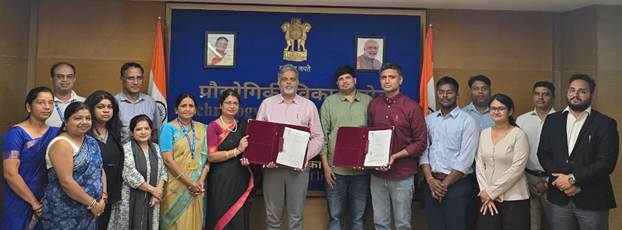
India's effort to develop indigenous reusable space transportation technology received a major boost on 25 September 2026 when the Technology Development Board under the Department of Science and Technology signed an agreement with Chennai-based Agnikul Cosmos Private Limited for ₹200 crore in financial support. The funding is being provided under the Research Development and Innovation Fund for the development of Agnibaan RLV, a reusable launch vehicle architecture designed to advance from Technology Readiness Level 4 and above towards Technology Readiness Level 8.
1. What Happened on 25 September 2026?
The Technology Development Board, or TDB, under the Department of Science and Technology signed an agreement with Agnikul Cosmos Private Limited for ₹200 crore in financial support.
The support is intended for the development of the Agnibaan reusable launch vehicle programme. The project aims to develop and validate technologies needed for a reusable space launch architecture.
The programme is significant because it seeks to move beyond a conventional approach in which only the first stage of a launch vehicle may be recovered. The proposed architecture is intended to work towards full-system reusability.
2. How Much Financial Support Has Been Approved?
The financial support announced for the project is ₹200 crore.
It is being provided under the Research Development and Innovation Fund, commonly abbreviated as the RDI Fund.
The support will be provided through Optionally Convertible Debentures, abbreviated as OCD.
This financing structure is an important factual point because the announcement is not simply a conventional grant of ₹200 crore.
3. Which Company Is Developing Agnibaan RLV?
The project is being undertaken by Agnikul Cosmos Private Limited.
The company is based in Chennai, Tamil Nadu.
Agnikul has been developing launch vehicles and propulsion technologies for small-satellite missions and other space-launch applications.
The company's earlier technological work includes Agnibaan and the Agnilet rocket engine.
4. What Is Agnibaan RLV?
Agnibaan RLV is the reusable launch vehicle architecture being developed under the new programme.
RLV stands for Reusable Launch Vehicle.
The project seeks to develop a launch system in which reusability becomes a fundamental element of the vehicle architecture rather than an additional recovery feature.
The programme covers technologies related to propulsion, ascent, orbital insertion, descent and recovery.
5. What Is the Main Objective of the Project?
The project aims to move Agnibaan's reusable technology from Technology Readiness Level 4 and above towards Technology Readiness Level 8.
The proposed launch architecture is intended to support high-frequency and repeatable launches.
Another objective is to reduce launch and manufacturing costs through greater reuse of launch-system components.
The programme also seeks to limit the generation of space debris by developing a system designed around controlled operations and recovery.
6. What Is Technology Readiness Level?
Technology Readiness Level, or TRL, is a framework used to describe the maturity of a technology.
Lower TRLs generally represent early research and proof-of-concept stages, while higher TRLs indicate that a technology has undergone increasingly advanced testing and demonstration.
The Agnibaan RLV programme aims to move from TRL-4 and above towards TRL-8.
In practical terms, this means the programme is intended to progress technologies from laboratory or component-level validation towards a much more mature and operationally relevant stage.
7. What Does TRL-8 Mean?
TRL-8 generally represents a highly mature stage in which an actual system has been completed and qualified through testing and demonstration.
Therefore, the target of moving towards TRL-8 is significant.
However, the September 2026 agreement should not be interpreted as meaning that Agnibaan RLV has already achieved TRL-8 or that a fully reusable operational launch system is already available.
The funding is intended to support the technological development needed to move towards that stage.
8. What Does Full-System Reusability Mean?
Traditional expendable rockets discard major parts of the launch vehicle after a mission.
Reusable launch technology attempts to recover and use important vehicle components again.
The Agnibaan RLV programme seeks to move beyond an architecture focused only on recovering the first stage and work towards broader full-system reusability.
Achieving this requires the integration of propulsion, guidance, vehicle design, thermal management, descent, recovery and mission operations.
9. Why Is Reusability Important?
Launch vehicles are complex and expensive systems. If major components can be safely recovered, inspected and reused, the cost of producing completely new hardware for every mission may be reduced.
Reusability can also support higher launch frequency because certain components may be flown multiple times rather than manufactured again for each mission.
However, reusable vehicles also create engineering challenges. Components must survive launch, atmospheric flight, descent and recovery while maintaining reliability.
Therefore, reusability requires sophisticated vehicle design and extensive testing.
10. What Is Special About the Proposed Agnibaan Architecture?
The proposed architecture combines several advanced technologies.
It includes a lightweight upper stage, precise orbital insertion capabilities and a semi-cryogenic liquid propulsion system.
The propulsion system is being designed to support deep throttling and restart capability.
The reusable architecture also includes a descent propulsion system and technologies intended to enable controlled descent and recovery.
11. What Is a Semi-Cryogenic Propulsion System?
A semi-cryogenic rocket propulsion system generally combines a cryogenic oxidiser with a fuel that can be handled at comparatively less extreme temperatures.
Liquid oxygen combined with a hydrocarbon fuel is a common example of a semi-cryogenic propulsion approach.
Such propulsion systems can provide high performance while offering operational advantages for certain launch-vehicle designs.
In the Agnibaan RLV programme, semi-cryogenic liquid propulsion is being integrated with requirements such as throttling and engine restart.
12. What Is Deep Throttling?
Deep throttling means significantly reducing the thrust produced by a rocket engine while keeping the engine operating in a stable and controlled manner.
A conventional launch phase may require high thrust, while a controlled descent or landing may require much lower thrust.
The ability to vary thrust over a wide range is therefore valuable for reusable vehicles.
The Agnibaan RLV development programme includes propulsion systems capable of deep throttling because controlled descent and recovery require precise management of thrust.
13. Why Is Engine Restart Capability Important?
A rocket engine used in a reusable vehicle may need to operate more than once during a mission.
For example, propulsion may be required during ascent and later during orbital manoeuvres, descent or landing operations.
Restart capability allows an engine to be shut down and subsequently ignited again when required.
The official project description identifies restart capability as one of the important features being developed for the reusable architecture.
14. What Is Precise Orbital Insertion?
Orbital insertion is the process of placing a spacecraft or payload into its intended orbit.
Accurate orbital insertion is important because satellites are designed to operate in particular orbital conditions.
A launch vehicle must control its velocity, altitude and trajectory with considerable precision.
The proposed Agnibaan reusable architecture includes precise orbital insertion capability as one of its technological elements.
15. What Is Controlled Descent and Recovery?
A reusable launch vehicle cannot simply fall back to Earth if it is intended to be used again.
Its descent must be managed so that the vehicle or reusable components reach a planned recovery location safely and in a condition suitable for inspection and possible reuse.
This requires guidance, navigation, propulsion and vehicle-control technologies.
The Agnibaan RLV programme therefore includes technologies for descent propulsion and controlled recovery.
16. What Is Agnibaan?
Agnibaan is Agnikul's indigenous orbital-class launch vehicle programme.
The company has been developing a modular and configurable launch architecture intended particularly for small-satellite missions.
The new RDI-supported programme represents a further technological step by placing greater emphasis on reusability, repeatability and operational efficiency.
Students should distinguish between the broader Agnibaan launch-vehicle programme and the new Agnibaan RLV reusable architecture being supported under the September 2026 agreement.
17. What Is Agnilet?
Agnilet is a rocket engine developed by Agnikul.
An important feature highlighted by the government is that Agnilet is a single-piece 3D-printed rocket engine developed and manufactured in-house.
Additive manufacturing or 3D printing can allow complex components to be manufactured with fewer separate parts.
Reducing the number of separately manufactured and assembled components can potentially simplify some aspects of rocket-engine production.
18. What Is 3D Printing in Rocket Manufacturing?
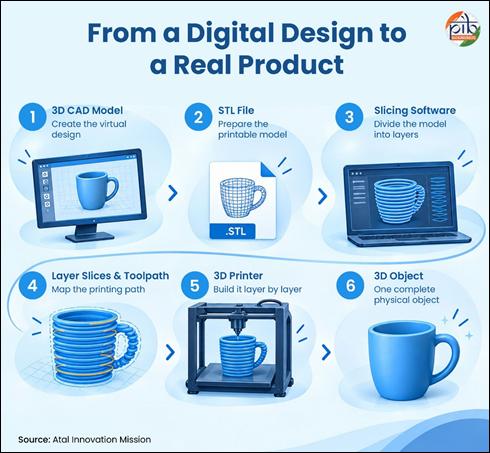
3D printing, also known as additive manufacturing, builds components layer by layer from a digital design.
Traditional manufacturing often involves machining, casting, welding and assembling multiple separate parts.
Additive manufacturing can sometimes integrate complex structures into fewer components.
In rocket-engine manufacturing, this can be particularly useful because engines contain complicated internal passages and geometries.
Agnikul's Agnilet engine demonstrates the company's previous work in applying additive manufacturing to rocket propulsion.
19. Has TDB Supported Agnikul Before?
Yes. The Technology Development Board had previously supported Agnikul in the development and commercialisation of a modular configurable launch vehicle for small-satellite missions.
The new RDI-supported programme takes the technological effort further by focusing on a launch architecture designed around reusability and repeatability.
This means the September 2026 agreement is part of a continuing technology-development relationship rather than TDB's first interaction with the company.
20. What Is the Technology Development Board?
The Technology Development Board is associated with the Department of Science and Technology, Government of India.
It supports the development and commercialisation of indigenous technologies.
Its role includes helping technology projects move from research and development towards demonstration, deployment and commercial application.
For competitive examinations, students should remember that TDB is linked to the Department of Science and Technology.
21. What Is the RDI Fund?
RDI stands for Research Development and Innovation.
The RDI Fund supports technology development in strategic and advanced areas where projects may require substantial and sustained investment before reaching deployment.
The Agnibaan RLV programme falls within the Fund's identified priority area covering advanced and reusable launch vehicles and propulsion innovation within space technologies.
The ₹200 crore support demonstrates the use of the RDI framework for indigenous advanced space-transportation technology.
22. How Can Reusable Launch Vehicles Reduce Costs?
In an expendable launch system, major rocket components may be used only once.
Manufacturing replacement hardware for every mission contributes significantly to launch costs.
If reusable components can be recovered and safely flown again, some manufacturing costs may be spread across multiple missions.
High-frequency operation can potentially improve the economics of access to space further.
However, actual cost savings depend on recovery success, refurbishment requirements, reliability, launch frequency and operational efficiency.
23. How Can Reusability Affect Space Debris?
The project is designed partly to limit the generation of space debris.
When launch-vehicle hardware is deliberately recovered instead of being abandoned, fewer components may remain uncontrolled in the space or atmospheric environment.
Nevertheless, reusable launch vehicles alone cannot solve the entire space-debris problem because debris also comes from defunct satellites, fragmentation events and other spacecraft components.
The Agnibaan programme's relevance lies in designing recovery and repeated use into the launch architecture itself.
24. Why Is This Important for India's Private Space Sector?
India's space ecosystem increasingly includes private companies working alongside government institutions.
Developing an indigenous reusable launch system requires expertise in propulsion, structures, guidance, manufacturing, software and mission operations.
Government-backed research and innovation funding can help companies undertake technologically demanding projects that require long development periods.
The Agnibaan RLV programme is therefore important not only as a rocket project but also as an example of advanced technology development within India's private space ecosystem.
25. What Should Students Remember for Examinations?
The agreement was announced on 25 September 2026. The Technology Development Board under the Department of Science and Technology signed the agreement with Agnikul Cosmos Private Limited. The financial support is ₹200 crore under the Research Development and Innovation Fund. The project concerns Agnibaan RLV. Its objective is to move technology from TRL-4 and above towards TRL-8. Financial support will be provided through Optionally Convertible Debentures. The architecture includes a lightweight upper stage, precise orbital insertion and semi-cryogenic liquid propulsion with deep-throttling and restart capabilities. Agnikul is based in Chennai, Tamil Nadu. Agnilet is the company's single-piece 3D-printed rocket engine.
For UPSC General Studies Paper III, this development is relevant to space technology, indigenisation, research and development, private-sector participation and emerging technologies. For SSC, Railway and State PCS examinations, important factual points include TDB, DST, Agnikul Cosmos, ₹200 crore, RDI Fund, Agnibaan RLV, TRL-8, semi-cryogenic propulsion and Agnilet.
क्या हुआ?
भारत की स्वदेशी पुन: प्रयोज्य अंतरिक्ष परिवहन तकनीक विकसित करने की दिशा में 25 सितंबर 2026 को एक महत्वपूर्ण विकास हुआ। विज्ञान एवं प्रौद्योगिकी विभाग के अंतर्गत प्रौद्योगिकी विकास बोर्ड ने चेन्नई स्थित अग्निकुल कॉसमॉस प्राइवेट लिमिटेड के साथ ₹200 करोड़ की वित्तीय सहायता के लिए समझौता किया। यह सहायता अनुसंधान, विकास एवं नवाचार कोष के अंतर्गत अग्निबाण RLV के विकास के लिए दी जाएगी। परियोजना का उद्देश्य प्रौद्योगिकी को Technology Readiness Level 4 और उससे ऊपर की अवस्था से आगे बढ़ाकर Technology Readiness Level 8 की ओर ले जाना है।
1. 25 सितंबर 2026 को क्या हुआ?
विज्ञान एवं प्रौद्योगिकी विभाग के अंतर्गत Technology Development Board अर्थात TDB ने अग्निकुल कॉसमॉस प्राइवेट लिमिटेड के साथ ₹200 करोड़ की वित्तीय सहायता के लिए समझौता किया।
यह सहायता अग्निबाण पुन: प्रयोज्य प्रक्षेपण यान कार्यक्रम के विकास के लिए है। परियोजना का उद्देश्य पुन: प्रयोज्य अंतरिक्ष प्रक्षेपण व्यवस्था के लिए आवश्यक तकनीकों का विकास और सत्यापन करना है।
कार्यक्रम का विशेष महत्व इसलिए है क्योंकि यह केवल प्रक्षेपण यान के प्रथम चरण की पुनर्प्राप्ति तक सीमित रहने के बजाय व्यापक पूर्ण-प्रणाली पुन: प्रयोज्यता की दिशा में काम करने का लक्ष्य रखता है।
2. कितनी वित्तीय सहायता दी जाएगी?
परियोजना के लिए ₹200 करोड़ की वित्तीय सहायता घोषित की गई है।
यह सहायता Research Development and Innovation Fund अर्थात RDI Fund के अंतर्गत प्रदान की जाएगी।
वित्तीय सहायता Optionally Convertible Debentures अर्थात OCD के माध्यम से दी जाएगी।
यह तथ्य महत्वपूर्ण है क्योंकि ₹200 करोड़ की सहायता को केवल सामान्य अनुदान के रूप में नहीं समझना चाहिए।
3. अग्निबाण RLV कौन विकसित कर रहा है?
परियोजना अग्निकुल कॉसमॉस प्राइवेट लिमिटेड द्वारा विकसित की जा रही है।
कंपनी चेन्नई, तमिलनाडु में स्थित है।
अग्निकुल छोटे उपग्रह अभियानों और अन्य अंतरिक्ष प्रक्षेपण आवश्यकताओं के लिए प्रक्षेपण यान तथा प्रणोदन तकनीकों पर काम कर रही है।
कंपनी के पूर्व तकनीकी कार्यों में अग्निबाण और अग्निलेट रॉकेट इंजन शामिल हैं।
4. अग्निबाण RLV क्या है?
अग्निबाण RLV नई परियोजना के अंतर्गत विकसित की जा रही पुन: प्रयोज्य प्रक्षेपण यान संरचना है।
RLV का पूरा नाम Reusable Launch Vehicle है।
इसका उद्देश्य ऐसी प्रक्षेपण व्यवस्था विकसित करना है जिसमें पुन: प्रयोज्यता वाहन की मूल संरचना का हिस्सा हो।
कार्यक्रम में प्रणोदन, आरोहण, कक्षा में सटीक प्रवेश, अवरोहण और पुनर्प्राप्ति से संबंधित तकनीकें शामिल हैं।
5. परियोजना का मुख्य उद्देश्य क्या है?
परियोजना का उद्देश्य अग्निबाण की पुन: प्रयोज्य तकनीक को TRL-4 और उससे ऊपर की अवस्था से TRL-8 की ओर आगे बढ़ाना है।
प्रस्तावित प्रक्षेपण व्यवस्था को अधिक आवृत्ति वाले और बार-बार किए जा सकने वाले प्रक्षेपणों के लिए विकसित किया जा रहा है।
पुन: उपयोग के माध्यम से प्रक्षेपण और निर्माण लागत को कम करना भी इसका उद्देश्य है।
कार्यक्रम नियंत्रित संचालन और पुनर्प्राप्ति पर आधारित प्रणाली विकसित करके अंतरिक्ष मलबे के निर्माण को सीमित करने का भी प्रयास करता है।
6. Technology Readiness Level क्या है?
Technology Readiness Level अर्थात TRL किसी तकनीक की परिपक्वता को दर्शाने वाला ढाँचा है।
निम्न TRL सामान्यतः प्रारंभिक अनुसंधान और अवधारणा परीक्षण को दर्शाते हैं, जबकि उच्च TRL अधिक उन्नत परीक्षण, प्रदर्शन और वास्तविक उपयोग के निकट तकनीक को दर्शाते हैं।
अग्निबाण RLV कार्यक्रम का लक्ष्य TRL-4 और उससे ऊपर से TRL-8 की ओर बढ़ना है।
इसका अर्थ है कि तकनीकों को प्रारंभिक सत्यापन से अधिक परिपक्व और परिचालन के निकट अवस्था तक पहुँचाने का प्रयास किया जाएगा।
7. TRL-8 का क्या अर्थ है?
TRL-8 सामान्यतः ऐसी उन्नत अवस्था को दर्शाता है जिसमें वास्तविक प्रणाली पूरी हो चुकी हो और परीक्षण तथा प्रदर्शन के माध्यम से योग्य सिद्ध की गई हो।
इसलिए TRL-8 की ओर बढ़ने का लक्ष्य महत्वपूर्ण है।
लेकिन सितंबर 2026 के समझौते का अर्थ यह नहीं है कि अग्निबाण RLV पहले ही TRL-8 प्राप्त कर चुका है या पूर्णतः पुन: प्रयोज्य परिचालन प्रणाली तैयार हो चुकी है।
वित्तीय सहायता तकनीक को उस दिशा में आगे बढ़ाने के लिए है।
8. पूर्ण-प्रणाली पुन: प्रयोज्यता क्या है?
पारंपरिक व्ययशील रॉकेटों में मिशन के बाद प्रक्षेपण यान के प्रमुख हिस्सों का दोबारा उपयोग नहीं किया जाता।
पुन: प्रयोज्य तकनीक महत्वपूर्ण हिस्सों को सुरक्षित रूप से वापस लाकर फिर से उपयोग करने का प्रयास करती है।
अग्निबाण RLV कार्यक्रम केवल प्रथम चरण की पुनर्प्राप्ति से आगे बढ़कर व्यापक पूर्ण-प्रणाली पुन: प्रयोज्यता की दिशा में काम करना चाहता है।
इसके लिए प्रणोदन, मार्गदर्शन, वाहन डिजाइन, अवरोहण, पुनर्प्राप्ति और मिशन संचालन जैसी कई तकनीकों का एकीकरण आवश्यक है।
9. पुन: प्रयोज्यता क्यों महत्वपूर्ण है?
प्रक्षेपण यान अत्यंत जटिल और महँगी प्रणालियाँ होते हैं। यदि महत्वपूर्ण हिस्सों को सुरक्षित रूप से वापस लाकर निरीक्षण के बाद दोबारा उपयोग किया जा सके तो प्रत्येक मिशन के लिए पूरी तरह नया हार्डवेयर बनाने की आवश्यकता कम हो सकती है।
इससे अधिक आवृत्ति वाले प्रक्षेपणों की संभावना भी बढ़ सकती है।
हालाँकि पुन: प्रयोज्यता तकनीकी रूप से चुनौतीपूर्ण है क्योंकि वाहन को प्रक्षेपण, वायुमंडलीय परिस्थितियों, अवरोहण और पुनर्प्राप्ति के बाद भी विश्वसनीय रहना होता है।
10. प्रस्तावित अग्निबाण संरचना की विशेषताएँ क्या हैं?
प्रस्तावित संरचना कई उन्नत तकनीकों को एक साथ जोड़ती है।
इसमें हल्का ऊपरी चरण, सटीक कक्षीय प्रवेश क्षमता और अर्ध-क्रायोजेनिक द्रव प्रणोदन प्रणाली शामिल है।
प्रणोदन प्रणाली को गहरे थ्रॉटलिंग और पुनः प्रज्वलन क्षमता के लिए विकसित किया जा रहा है।
पुन: प्रयोज्य संरचना में अवरोहण प्रणोदन प्रणाली और नियंत्रित पुनर्प्राप्ति की तकनीकें भी शामिल हैं।
11. अर्ध-क्रायोजेनिक प्रणोदन क्या है?
अर्ध-क्रायोजेनिक रॉकेट प्रणोदन प्रणाली में सामान्यतः अत्यंत निम्न तापमान पर रखे जाने वाले ऑक्सीकारक के साथ ऐसा ईंधन प्रयोग किया जाता है जिसे अपेक्षाकृत कम कठिन तापमान स्थितियों में संभाला जा सके।
द्रव ऑक्सीजन और हाइड्रोकार्बन ईंधन इसका एक सामान्य उदाहरण है।
ऐसी प्रणोदन प्रणाली कुछ प्रक्षेपण यान संरचनाओं के लिए उच्च प्रदर्शन और परिचालन लाभ प्रदान कर सकती है।
अग्निबाण RLV में अर्ध-क्रायोजेनिक द्रव प्रणोदन को थ्रॉटलिंग और पुनः प्रज्वलन जैसी क्षमताओं से जोड़ा जा रहा है।
12. Deep Throttling क्या है?
Deep Throttling का अर्थ रॉकेट इंजन को स्थिर और नियंत्रित रखते हुए उसके थ्रस्ट को काफी कम करने की क्षमता है।
प्रक्षेपण के दौरान अधिक थ्रस्ट की आवश्यकता हो सकती है, जबकि नियंत्रित अवरोहण या लैंडिंग के दौरान कम थ्रस्ट आवश्यक हो सकता है।
इसलिए पुन: प्रयोज्य वाहनों के लिए थ्रस्ट को व्यापक सीमा में नियंत्रित करना महत्वपूर्ण है।
अग्निबाण RLV कार्यक्रम में ऐसी प्रणोदन प्रणालियाँ विकसित की जा रही हैं जो गहरे थ्रॉटलिंग में सक्षम हों।
13. इंजन पुनः प्रज्वलन क्षमता क्यों महत्वपूर्ण है?
पुन: प्रयोज्य वाहन के रॉकेट इंजन को एक मिशन में एक से अधिक बार चलाने की आवश्यकता हो सकती है।
इंजन का उपयोग आरोहण के बाद कक्षीय परिवर्तन, अवरोहण या लैंडिंग जैसे चरणों में फिर से आवश्यक हो सकता है।
पुनः प्रज्वलन क्षमता इंजन को बंद करने के बाद आवश्यकता पड़ने पर दोबारा शुरू करने की सुविधा देती है।
यह पुन: प्रयोज्य प्रक्षेपण प्रणाली की महत्वपूर्ण तकनीकी क्षमताओं में से एक है।
14. सटीक कक्षीय प्रवेश क्या है?
कक्षीय प्रवेश किसी अंतरिक्ष यान या उपग्रह को उसकी निर्धारित कक्षा में स्थापित करने की प्रक्रिया है।
सटीक कक्षीय प्रवेश महत्वपूर्ण है क्योंकि उपग्रह विशेष कक्षीय परिस्थितियों में कार्य करने के लिए बनाए जाते हैं।
प्रक्षेपण यान को वेग, ऊँचाई और प्रक्षेप पथ को अत्यंत सटीक रूप से नियंत्रित करना होता है।
प्रस्तावित अग्निबाण पुन: प्रयोज्य संरचना में सटीक कक्षीय प्रवेश क्षमता शामिल है।
15. नियंत्रित अवरोहण और पुनर्प्राप्ति क्या है?
यदि किसी प्रक्षेपण यान का पुन: उपयोग करना है तो उसे केवल पृथ्वी की ओर अनियंत्रित रूप से गिरने नहीं दिया जा सकता।
उसके अवरोहण को नियंत्रित करना आवश्यक है ताकि वाहन या उसके पुन: प्रयोज्य हिस्से निर्धारित स्थान पर सुरक्षित पहुँचें।
इसके लिए मार्गदर्शन, नौवहन, प्रणोदन और वाहन नियंत्रण तकनीकों की आवश्यकता होती है।
अग्निबाण RLV कार्यक्रम में अवरोहण प्रणोदन और नियंत्रित पुनर्प्राप्ति तकनीकों का विकास शामिल है।
16. अग्निबाण क्या है?
अग्निबाण, अग्निकुल का स्वदेशी कक्षीय श्रेणी का प्रक्षेपण यान कार्यक्रम है।
कंपनी छोटे उपग्रह अभियानों के लिए मॉड्यूलर और विन्यास योग्य प्रक्षेपण व्यवस्था विकसित करती रही है।
नई RDI समर्थित परियोजना पुन: प्रयोज्यता, दोहराव क्षमता और परिचालन दक्षता पर अधिक जोर देकर इस तकनीकी यात्रा को आगे बढ़ाती है।
17. अग्निलेट क्या है?
अग्निलेट अग्निकुल द्वारा विकसित रॉकेट इंजन है।
सरकार द्वारा रेखांकित इसकी प्रमुख विशेषता यह है कि अग्निलेट एकल-खंड 3D-मुद्रित रॉकेट इंजन है, जिसे कंपनी ने स्वयं विकसित और निर्मित किया है।
3D प्रिंटिंग जटिल घटकों को कम अलग-अलग हिस्सों के साथ बनाने में सहायता कर सकती है।
इससे कुछ परिस्थितियों में निर्माण और संयोजन प्रक्रिया सरल हो सकती है।
18. रॉकेट निर्माण में 3D प्रिंटिंग क्या है?
3D प्रिंटिंग को additive manufacturing भी कहा जाता है। इसमें डिजिटल डिजाइन के आधार पर सामग्री की परतें जोड़कर घटक तैयार किया जाता है।
पारंपरिक निर्माण में मशीनिंग, ढलाई, वेल्डिंग और कई अलग हिस्सों को जोड़ने की आवश्यकता हो सकती है।
Additive manufacturing कभी-कभी जटिल संरचनाओं को कम घटकों में एकीकृत करने में सहायता करता है।
रॉकेट इंजन में जटिल आंतरिक मार्ग और संरचनाएँ होती हैं, इसलिए इस तकनीक का विशेष महत्व हो सकता है।
19. क्या TDB ने पहले भी अग्निकुल का समर्थन किया है?
हाँ। Technology Development Board ने इससे पहले छोटे उपग्रह अभियानों के लिए मॉड्यूलर और विन्यास योग्य प्रक्षेपण यान के विकास तथा व्यावसायीकरण में अग्निकुल का समर्थन किया था।
नई RDI समर्थित परियोजना पुन: प्रयोज्यता और दोहराव क्षमता पर केंद्रित प्रक्षेपण संरचना के विकास की दिशा में अगला कदम है।
इसलिए सितंबर 2026 का समझौता TDB और अग्निकुल के बीच तकनीकी सहयोग की निरंतरता को दर्शाता है।
20. Technology Development Board क्या है?
Technology Development Board भारत सरकार के विज्ञान एवं प्रौद्योगिकी विभाग से संबंधित संस्था है।
यह स्वदेशी तकनीकों के विकास और व्यावसायीकरण को समर्थन देता है।
इसकी भूमिका अनुसंधान और विकास से तकनीक को प्रदर्शन, उपयोग और व्यावसायिक अनुप्रयोग की दिशा में आगे बढ़ाने में सहायता करना है।
प्रतियोगी परीक्षाओं के लिए याद रखें कि TDB का संबंध Department of Science and Technology से है।
21. RDI Fund क्या है?
RDI का पूरा नाम Research Development and Innovation है।
RDI Fund रणनीतिक और उन्नत क्षेत्रों में तकनीकी विकास का समर्थन करता है जहाँ परियोजनाओं को वास्तविक उपयोग तक पहुँचने से पहले बड़े और दीर्घकालिक निवेश की आवश्यकता हो सकती है।
अग्निबाण RLV कार्यक्रम अंतरिक्ष प्रौद्योगिकी के अंतर्गत उन्नत और पुन: प्रयोज्य प्रक्षेपण यानों तथा प्रणोदन नवाचार से संबंधित प्राथमिकता क्षेत्र में आता है।
22. पुन: प्रयोज्य प्रक्षेपण यान लागत कैसे कम कर सकते हैं?
व्ययशील प्रक्षेपण प्रणाली में रॉकेट के बड़े हिस्से केवल एक बार उपयोग किए जा सकते हैं।
प्रत्येक मिशन के लिए नया हार्डवेयर बनाना प्रक्षेपण लागत का महत्वपूर्ण हिस्सा होता है।
यदि कुछ हिस्सों को सुरक्षित वापस लाकर दोबारा उपयोग किया जा सके तो निर्माण लागत कई मिशनों में विभाजित हो सकती है।
हालाँकि वास्तविक बचत पुनर्प्राप्ति की सफलता, मरम्मत की आवश्यकता, विश्वसनीयता और प्रक्षेपण आवृत्ति पर निर्भर करेगी।
23. पुन: प्रयोज्यता और अंतरिक्ष मलबा
परियोजना का एक उद्देश्य अंतरिक्ष मलबे के निर्माण को सीमित करना भी है।
यदि प्रक्षेपण यान के हिस्सों को छोड़ने के बजाय वापस लाया जाए तो अनियंत्रित रूप से छोड़े जाने वाले कुछ हार्डवेयर की मात्रा कम हो सकती है।
फिर भी पुन: प्रयोज्य रॉकेट अकेले अंतरिक्ष मलबे की पूरी समस्या का समाधान नहीं कर सकते क्योंकि निष्क्रिय उपग्रह और अन्य अंतरिक्ष वस्तुएँ भी मलबा उत्पन्न करती हैं।
24. भारत के निजी अंतरिक्ष क्षेत्र के लिए इसका क्या महत्व है?
भारत की अंतरिक्ष व्यवस्था में निजी कंपनियों की भागीदारी लगातार बढ़ रही है।
स्वदेशी पुन: प्रयोज्य प्रक्षेपण प्रणाली विकसित करने के लिए प्रणोदन, संरचना, मार्गदर्शन, विनिर्माण, सॉफ्टवेयर और मिशन संचालन की उन्नत विशेषज्ञता आवश्यक है।
सरकार समर्थित अनुसंधान और नवाचार वित्तपोषण निजी कंपनियों को लंबी विकास अवधि वाली कठिन तकनीकी परियोजनाओं पर काम करने में सहायता कर सकता है।
अग्निबाण RLV कार्यक्रम भारत के निजी अंतरिक्ष क्षेत्र में उन्नत स्वदेशी तकनीक विकास का एक महत्वपूर्ण उदाहरण है।
25. प्रतियोगी परीक्षाओं के लिए क्या याद रखें?
समझौते की घोषणा 25 सितंबर 2026 को हुई। विज्ञान एवं प्रौद्योगिकी विभाग के अंतर्गत Technology Development Board ने Agnikul Cosmos Private Limited के साथ समझौता किया। वित्तीय सहायता ₹200 करोड़ है और यह Research Development and Innovation Fund के अंतर्गत दी जाएगी। परियोजना Agnibaan RLV से संबंधित है। इसका लक्ष्य तकनीक को TRL-4 और उससे ऊपर से TRL-8 की ओर ले जाना है। वित्तीय सहायता Optionally Convertible Debentures के माध्यम से दी जाएगी। प्रस्तावित संरचना में हल्का ऊपरी चरण, सटीक कक्षीय प्रवेश और deep throttling तथा restart क्षमता वाली semi-cryogenic liquid propulsion system शामिल है। अग्निकुल चेन्नई, तमिलनाडु में स्थित है। अग्निलेट कंपनी का एकल-खंड 3D-मुद्रित रॉकेट इंजन है।
UPSC सामान्य अध्ययन प्रश्नपत्र III के लिए यह अंतरिक्ष प्रौद्योगिकी, स्वदेशीकरण, अनुसंधान एवं विकास, निजी क्षेत्र की भागीदारी और उभरती प्रौद्योगिकियों से संबंधित है। SSC, Railway और State PCS के लिए TDB, DST, Agnikul Cosmos, ₹200 करोड़, RDI Fund, Agnibaan RLV, TRL-8, अर्ध-क्रायोजेनिक प्रणोदन और Agnilet महत्वपूर्ण तथ्य हैं।
Key Facts
• TDB signed the agreement with Agnikul Cosmos on 25 September 2026.
• The financial support announced is ₹200 crore.
• The support is being provided under the Research Development and Innovation Fund.
• RDI stands for Research Development and Innovation.
• The project concerns the Agnibaan reusable launch vehicle.
• RLV stands for Reusable Launch Vehicle.
• The project aims to move technology from TRL-4 and above towards TRL-8.
• Financial support will be provided through Optionally Convertible Debentures.
• TDB operates under the Department of Science and Technology.
• Agnikul Cosmos Private Limited is based in Chennai, Tamil Nadu.
• The programme seeks to move towards full-system reusability.
• The architecture includes a lightweight upper stage.
• The system includes precise orbital insertion capabilities.
• The programme uses semi-cryogenic liquid propulsion technology.
• The propulsion system is designed for deep throttling.
• The propulsion system is also designed for restart capability.
• The reusable architecture includes a descent propulsion system.
• The project includes technologies for controlled descent and recovery.
• The programme aims to support high-frequency and repeatable launches.
• Reducing launch and manufacturing costs is one of its objectives.
• Limiting the generation of space debris is another objective.
• Agnibaan is Agnikul's indigenous orbital-class launch vehicle.
• Agnilet is a single-piece 3D-printed rocket engine developed by Agnikul.
• TDB had previously supported Agnikul's modular configurable launch vehicle programme.
• The RDI programme covers advanced reusable launch vehicles and propulsion innovation within space technologies.
मुख्य तथ्य
• TDB ने 25 सितंबर 2026 को अग्निकुल कॉसमॉस के साथ समझौता किया।
• घोषित वित्तीय सहायता ₹200 करोड़ है।
• सहायता Research Development and Innovation Fund के अंतर्गत दी जाएगी।
• RDI का पूरा नाम Research Development and Innovation है।
• परियोजना Agnibaan reusable launch vehicle से संबंधित है।
• RLV का पूरा नाम Reusable Launch Vehicle है।
• परियोजना का लक्ष्य तकनीक को TRL-4 और उससे ऊपर से TRL-8 की ओर ले जाना है।
• वित्तीय सहायता Optionally Convertible Debentures के माध्यम से दी जाएगी।
• TDB विज्ञान एवं प्रौद्योगिकी विभाग के अंतर्गत कार्य करता है।
• अग्निकुल कॉसमॉस प्राइवेट लिमिटेड चेन्नई, तमिलनाडु में स्थित है।
• कार्यक्रम पूर्ण-प्रणाली पुन: प्रयोज्यता की दिशा में काम करेगा।
• प्रस्तावित संरचना में हल्का ऊपरी चरण शामिल है।
• प्रणाली में सटीक कक्षीय प्रवेश क्षमता शामिल है।
• कार्यक्रम में अर्ध-क्रायोजेनिक द्रव प्रणोदन तकनीक शामिल है।
• प्रणोदन प्रणाली deep throttling के लिए डिजाइन की जा रही है।
• प्रणोदन प्रणाली restart capability के लिए भी डिजाइन की जा रही है।
• पुन: प्रयोज्य संरचना में descent propulsion system शामिल है।
• परियोजना में नियंत्रित अवरोहण और पुनर्प्राप्ति तकनीकें शामिल हैं।
• कार्यक्रम का उद्देश्य अधिक आवृत्ति वाले और दोहराए जा सकने वाले प्रक्षेपणों को सक्षम करना है।
• प्रक्षेपण और निर्माण लागत कम करना इसके उद्देश्यों में शामिल है।
• अंतरिक्ष मलबे के निर्माण को सीमित करना भी एक उद्देश्य है।
• अग्निबाण अग्निकुल का स्वदेशी कक्षीय श्रेणी का प्रक्षेपण यान है।
• अग्निलेट अग्निकुल द्वारा विकसित एकल-खंड 3D-मुद्रित रॉकेट इंजन है।
• TDB इससे पहले भी अग्निकुल के मॉड्यूलर विन्यास योग्य प्रक्षेपण यान कार्यक्रम का समर्थन कर चुका है।
• RDI कार्यक्रम अंतरिक्ष प्रौद्योगिकी में उन्नत पुन: प्रयोज्य प्रक्षेपण यानों और प्रणोदन नवाचार को शामिल करता है।
Background
On 25 September 2026, the Technology Development Board under the Department of Science and Technology signed an agreement with Chennai-based Agnikul Cosmos Private Limited for ₹200 crore of financial support under the Research Development and Innovation Fund. The programme focuses on developing Agnibaan RLV and advancing its reusable launch technologies from TRL-4 and above towards TRL-8. TDB had previously supported Agnikul's modular configurable launch vehicle development for small-satellite missions.
पृष्ठभूमि
25 सितंबर 2026 को विज्ञान एवं प्रौद्योगिकी विभाग के अंतर्गत Technology Development Board ने चेन्नई स्थित अग्निकुल कॉसमॉस प्राइवेट लिमिटेड के साथ Research Development and Innovation Fund के अंतर्गत ₹200 करोड़ की वित्तीय सहायता के लिए समझौता किया। कार्यक्रम Agnibaan RLV के विकास और इसकी पुन: प्रयोज्य प्रक्षेपण तकनीकों को TRL-4 और उससे ऊपर से TRL-8 की ओर आगे बढ़ाने पर केंद्रित है। TDB इससे पहले भी छोटे उपग्रह अभियानों के लिए अग्निकुल के मॉड्यूलर विन्यास योग्य प्रक्षेपण यान के विकास का समर्थन कर चुका है।
Why It Matters
The project is important because reusable launch systems could support more frequent and flexible access to space while potentially reducing manufacturing and launch costs. It also supports indigenous private-sector capability in propulsion, vehicle design, guidance, recovery and mission operations. The programme is still a technology-development effort, so its final operational performance will depend on successful development, validation, testing and recovery demonstrations.
यह क्यों महत्वपूर्ण है?
यह परियोजना महत्वपूर्ण है क्योंकि पुन: प्रयोज्य प्रक्षेपण प्रणालियाँ अंतरिक्ष तक अधिक आवृत्ति और लचीली पहुँच प्रदान करने के साथ निर्माण और प्रक्षेपण लागत कम करने की क्षमता रखती हैं। यह प्रणोदन, वाहन डिजाइन, मार्गदर्शन, पुनर्प्राप्ति और मिशन संचालन में स्वदेशी निजी क्षेत्र की क्षमता को भी समर्थन देती है। कार्यक्रम अभी तकनीकी विकास की अवस्था में है, इसलिए इसका अंतिम परिचालन प्रदर्शन सफल विकास, सत्यापन, परीक्षण और पुनर्प्राप्ति प्रदर्शन पर निर्भर करेगा।
Exam Connection
Remember: date—25 September 2026; company—Agnikul Cosmos Private Limited; location—Chennai, Tamil Nadu; supporting institution—Technology Development Board under Department of Science and Technology; support—₹200 crore; fund—Research Development and Innovation Fund; project—Agnibaan RLV; target—TRL-4 and above towards TRL-8; financing instrument—Optionally Convertible Debentures; propulsion—semi-cryogenic liquid propulsion with deep throttling and restart capability; Agnilet—single-piece 3D-printed rocket engine.
परीक्षा से संबंध
याद रखें: तिथि—25 सितंबर 2026; कंपनी—अग्निकुल कॉसमॉस प्राइवेट लिमिटेड; स्थान—चेन्नई, तमिलनाडु; सहायता देने वाली संस्था—विज्ञान एवं प्रौद्योगिकी विभाग के अंतर्गत Technology Development Board; सहायता—₹200 करोड़; कोष—Research Development and Innovation Fund; परियोजना—Agnibaan RLV; लक्ष्य—TRL-4 और उससे ऊपर से TRL-8 की ओर; वित्तीय माध्यम—Optionally Convertible Debentures; प्रणोदन—deep throttling और restart capability वाली semi-cryogenic liquid propulsion; Agnilet—एकल-खंड 3D-मुद्रित रॉकेट इंजन।
 History Geography General Science Economy
 SSC CGL 2026 Ultimate Chapterwise