What Happened
India has initiated a formal process to develop Pharmacopoeias and Formularies for Sowa-Rigpa, a traditional system of medicine. The first meeting of the Sowa-Rigpa Working Group, constituted under the Pharmacopoeia Commission for Indian Medicine & Homoeopathy (PCIM&H), was held on 18 September 2026 in Ghaziabad, Uttar Pradesh. The Ministry of Ayush announced the development on 21 September 2026.
The initiative aims to establish a structured foundation for the standardisation, quality assurance and regulatory requirements of Sowa-Rigpa medicines. It is relevant to competitive examinations because it connects traditional Indian medical systems, pharmaceutical standards, public health, government institutions and the Drugs and Cosmetics Act, 1940.
1. What Happened in September 2026?
The first meeting of the Sowa-Rigpa Working Group took place at PCIM&H in Ghaziabad on 18 September 2026.
The meeting was chaired by Dr Kousthubha Upadhyaya, Director of PCIM&H.
Four experts from different Sowa-Rigpa institutions represented the traditional medical system. They included Dr Padma Gurmet, Director of the National Institute of Sowa-Rigpa, Leh.
According to the Ministry of Ayush, the meeting marked an important step towards preparing official Pharmacopoeias, Formularies and other documents needed for the regulatory framework governing Sowa-Rigpa medicines.
The distinction between the meeting date and announcement date is important: the meeting occurred on 18 September, while the Press Information Bureau published the announcement on 21 September 2026.
2. What Is Sowa-Rigpa?
Sowa-Rigpa is a traditional system of medicine associated with Tibetan medical knowledge and practised in parts of the Himalayan region.
The term is commonly understood as referring to the science of healing.
Its medical tradition includes distinctive concepts concerning health, illness, medicinal substances and treatment practices.
For examination purposes, Sowa-Rigpa should be recognised as a traditional medical system within the administrative framework of the Ministry of Ayush.
The September 2026 announcement concerns the development of standards and regulatory documents for its medicines. It does not announce that every Sowa-Rigpa treatment has been clinically validated or approved for every medical condition.
3. What Is PCIM&H?
PCIM&H stands for Pharmacopoeia Commission for Indian Medicine & Homoeopathy.
It is a subordinate office under the Ministry of Ayush.
According to the official announcement, PCIM&H is responsible for developing Pharmacopoeias and Formularies and functions as the Central Drug Testing-cum-Appellate Laboratory for Indian Systems of Medicine and Homoeopathy.
Its work concerns the quality and standardisation of medicines used in the systems within its mandate.
The institution is particularly important because traditional medicinal preparations may involve different raw materials, preparation methods and quality-related considerations.
Establishing recognised standards can provide a common reference for manufacturers, laboratories, regulators and other relevant institutions.
4. What Is a Pharmacopoeia?
A Pharmacopoeia is an authoritative collection of standards relating to medicinal substances and preparations.
Depending on the relevant system and document, a pharmacopoeial standard may address matters such as identification, purity, quality and testing requirements.
For example, a medicinal raw material may need to be correctly identified before it is used in preparing a medicine.
Quality standards can help distinguish an intended medicinal substance from unsuitable or incorrectly identified material.
Testing requirements may also help laboratories assess whether a material or preparation meets specified standards.
The precise standards applicable to Sowa-Rigpa medicines will depend on the documents developed through the official process. The September announcement does not publish the completed Sowa-Rigpa Pharmacopoeia or its individual monographs.
5. What Is a Formulary?
A Formulary provides organised information concerning medicinal formulations.
In the context of traditional medicine, it can serve as a reference for the composition and preparation of recognised formulations, subject to the provisions of the relevant official document.
Students should distinguish a Pharmacopoeia from a Formulary.
A Pharmacopoeia is principally associated with standards for medicinal substances and preparations, while a Formulary is associated with organised information about formulations.
The two types of documents can complement one another by supporting greater consistency in the identification, preparation and assessment of medicines.
The Working Group has been tasked with developing both categories of documents for Sowa-Rigpa.
6. What Will the Working Group Do?
The official release states that the Working Group will follow a step-wise action plan.
Its responsibilities include developing Formularies, Pharmacopoeias and other statutory and non-statutory documents required to support regulatory implementation and quality assurance for Sowa-Rigpa drugs.
Statutory documents are connected with requirements established under the applicable legal framework. Non-statutory documents may provide supporting guidance or reference material without necessarily having the same legal status.
The Ministry did not provide a complete list of the proposed documents or a final publication deadline.
Therefore, the first meeting should be understood as the formal beginning of this work, not as confirmation that every proposed standard has already been finalised.
7. Connection with the Drugs and Cosmetics Act, 1940
The Ministry stated that the Working Group's activities will be undertaken within the ambit of PCIM&H and in accordance with the Drugs and Cosmetics Act, 1940, and the Rules made under it.
The Drugs and Cosmetics Act, 1940, is an important Indian law associated with the regulation of drugs and cosmetics.
For examinations, students should remember the year 1940 and the connection between pharmaceutical regulation and the development of official quality standards.
The Working Group's announcement does not amend the Act by itself. It describes work intended to support implementation of the applicable regulatory provisions.
8. Why Is Standardisation Important?
Standardisation helps establish common requirements for materials, preparations and testing.
Without clear reference standards, different manufacturers or laboratories may face difficulties in applying consistent quality criteria.
In traditional medicine, this can be especially relevant where formulations use multiple ingredients and established preparation practices.
Quality assurance concerns the systems and processes used to maintain the required quality of a product.
Quality control generally involves activities such as inspection and testing against specified requirements.
The development of Pharmacopoeias and Formularies can support these activities by providing recognised reference documents.
However, a quality standard and clinical evidence of effectiveness are not identical. Meeting a product-quality standard does not, by itself, establish that a medicine is effective for every claimed use.
9. Role of the National Institute of Sowa-Rigpa, Leh
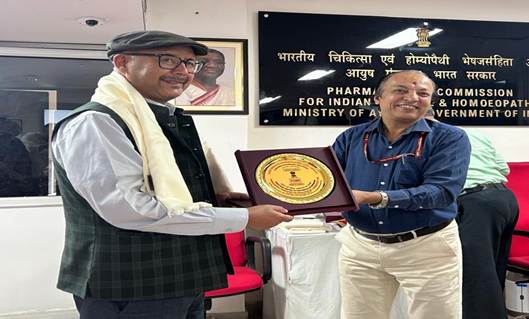
Dr Padma Gurmet, Director of the National Institute of Sowa-Rigpa, Leh, was among the experts participating in the first Working Group meeting.
Leh is located in the Union Territory of Ladakh.
The participation of an institution specialising in Sowa-Rigpa is relevant because developing standards for a traditional medical system requires familiarity with its terminology, medicinal materials and established practices.
The official announcement identifies four experts representing Sowa-Rigpa institutions but does not name all four participants.
Students should therefore remember the confirmed institutional association without inventing a complete list of representatives.
10. Difference Between a Working Group and a Completed Regulation
A Working Group is constituted to undertake a defined body of work, often involving consultation, technical examination and preparation of recommendations or documents.
The first meeting is a procedural milestone.
It indicates that the relevant institutions have begun the formal work described in their mandate.
It does not automatically mean that all documents have been published, every medicinal formulation has received a new approval or the applicable legal framework has been replaced.
This distinction is important when preparing current-affairs articles and objective questions.
The confirmed development is the initiation of a step-wise process for Sowa-Rigpa Pharmacopoeias and Formularies under PCIM&H.
11. Relevance to India's Traditional Medicine Framework
The Ministry of Ayush administers matters relating to several traditional and complementary systems of medicine within its mandate.
The Sowa-Rigpa Working Group is an example of an institutional effort focused on standards for one particular medical system.
Developing official reference documents can help organise technical information and support regulatory consistency.
The Ministry described the initiative as a step towards further development and standardisation of Sowa-Rigpa within the Government of India's regulatory framework for traditional medicines.
For UPSC General Studies Paper II, the development is relevant to public institutions, health administration and regulation.
For General Studies Paper III, it can be connected with research, standardisation and the application of scientific quality-assurance methods.
For SSC, Railway and State PCS examinations, the most important factual points are the date, location, ministry, institution, chairperson, participating Sowa-Rigpa institute and the Drugs and Cosmetics Act, 1940.
The central fact to remember is that the first Working Group meeting began the process of developing official standards for Sowa-Rigpa medicines; it did not announce the completion of the Pharmacopoeias and Formularies.
क्या हुआ?
भारत ने पारंपरिक चिकित्सा पद्धति सोवा-रिग्पा के लिए औषध मानक ग्रंथों और औषध योग संग्रहों के विकास की औपचारिक प्रक्रिया शुरू की है। भारतीय चिकित्सा एवं होम्योपैथी भेषज संहिता आयोग के अंतर्गत गठित सोवा-रिग्पा कार्य समूह की पहली बैठक 18 सितंबर 2026 को उत्तर प्रदेश के गाजियाबाद में आयोजित हुई। आयुष मंत्रालय ने 21 सितंबर 2026 को इस विकास की घोषणा की।
इस पहल का उद्देश्य सोवा-रिग्पा औषधियों के मानकीकरण, गुणवत्ता आश्वासन और नियामकीय आवश्यकताओं के लिए व्यवस्थित आधार तैयार करना है। प्रतियोगी परीक्षाओं के लिए यह महत्वपूर्ण है क्योंकि इसका संबंध पारंपरिक भारतीय चिकित्सा प्रणालियों, औषध मानकों, सार्वजनिक स्वास्थ्य, सरकारी संस्थानों और औषधि एवं प्रसाधन सामग्री अधिनियम, 1940 से है।
1. सितंबर 2026 में क्या हुआ?
सोवा-रिग्पा कार्य समूह की पहली बैठक 18 सितंबर 2026 को गाजियाबाद स्थित भारतीय चिकित्सा एवं होम्योपैथी भेषज संहिता आयोग में हुई।
बैठक की अध्यक्षता आयोग के निदेशक डॉ. कौस्तुभ उपाध्याय ने की।
सोवा-रिग्पा से संबंधित विभिन्न संस्थानों के चार विशेषज्ञों ने इस पारंपरिक चिकित्सा प्रणाली का प्रतिनिधित्व किया। इनमें लेह स्थित राष्ट्रीय सोवा-रिग्पा संस्थान के निदेशक डॉ. पद्मा गुरमेत शामिल थे।
आयुष मंत्रालय के अनुसार बैठक सोवा-रिग्पा औषधियों से संबंधित नियामकीय व्यवस्था के लिए आधिकारिक औषध मानक ग्रंथों, औषध योग संग्रहों और अन्य आवश्यक दस्तावेजों की तैयारी की दिशा में महत्वपूर्ण कदम थी।
बैठक और घोषणा की तिथियों के बीच अंतर महत्वपूर्ण है। बैठक 18 सितंबर को हुई, जबकि पत्र सूचना कार्यालय ने 21 सितंबर 2026 को इसकी घोषणा प्रकाशित की।
2. सोवा-रिग्पा क्या है?
सोवा-रिग्पा तिब्बती चिकित्सा ज्ञान से संबंधित पारंपरिक चिकित्सा प्रणाली है, जिसका अभ्यास हिमालयी क्षेत्र के कुछ हिस्सों में किया जाता है।
इस शब्द का सामान्य अर्थ उपचार का विज्ञान समझा जाता है।
इस चिकित्सा परंपरा में स्वास्थ्य, रोग, औषधीय पदार्थों और उपचार पद्धतियों से संबंधित विशिष्ट अवधारणाएँ शामिल हैं।
परीक्षा की दृष्टि से सोवा-रिग्पा को आयुष मंत्रालय की प्रशासनिक व्यवस्था के अंतर्गत आने वाली पारंपरिक चिकित्सा प्रणाली के रूप में पहचानना चाहिए।
सितंबर 2026 की घोषणा इसकी औषधियों के लिए मानकों और नियामकीय दस्तावेजों के विकास से संबंधित है। इसमें यह घोषणा नहीं की गई कि सोवा-रिग्पा के प्रत्येक उपचार की हर बीमारी के लिए चिकित्सकीय प्रभावशीलता प्रमाणित या स्वीकृत हो चुकी है।
3. PCIM&H क्या है?
PCIM&H का पूरा नाम Pharmacopoeia Commission for Indian Medicine & Homoeopathy है। हिंदी में इसे भारतीय चिकित्सा एवं होम्योपैथी भेषज संहिता आयोग कहा जाता है।
यह आयुष मंत्रालय के अंतर्गत अधीनस्थ कार्यालय है।
आधिकारिक घोषणा के अनुसार आयोग औषध मानक ग्रंथों और औषध योग संग्रहों के विकास के लिए जिम्मेदार है। यह भारतीय चिकित्सा प्रणालियों और होम्योपैथी के लिए केंद्रीय औषध परीक्षण-सह-अपीलीय प्रयोगशाला के रूप में भी कार्य करता है।
इसका कार्य अपने अधिकार क्षेत्र की चिकित्सा प्रणालियों में प्रयुक्त औषधियों की गुणवत्ता और मानकीकरण से संबंधित है।
यह संस्था विशेष रूप से महत्वपूर्ण है क्योंकि पारंपरिक औषधीय तैयारियों में अलग-अलग कच्चे पदार्थ, निर्माण विधियाँ और गुणवत्ता संबंधी आवश्यकताएँ हो सकती हैं।
मान्यता प्राप्त मानक स्थापित होने से निर्माताओं, प्रयोगशालाओं, नियामकों और अन्य संबंधित संस्थाओं को साझा संदर्भ उपलब्ध हो सकता है।
4. औषध मानक ग्रंथ क्या होता है?
औषध मानक ग्रंथ औषधीय पदार्थों और तैयारियों से संबंधित मानकों का आधिकारिक संग्रह होता है।
संबंधित चिकित्सा प्रणाली और दस्तावेज के अनुसार ऐसे मानकों में पहचान, शुद्धता, गुणवत्ता और परीक्षण आवश्यकताओं जैसे विषय शामिल हो सकते हैं।
उदाहरण के लिए किसी औषधीय कच्चे पदार्थ का दवा बनाने से पहले सही ढंग से पहचाना जाना आवश्यक हो सकता है।
गुणवत्ता मानक इच्छित औषधीय पदार्थ और अनुपयुक्त अथवा गलत पहचाने गए पदार्थ के बीच अंतर करने में सहायता कर सकते हैं।
परीक्षण संबंधी आवश्यकताएँ प्रयोगशालाओं को यह आकलन करने में भी सहायता कर सकती हैं कि कोई पदार्थ या तैयारी निर्धारित मानकों को पूरा करती है या नहीं।
सोवा-रिग्पा औषधियों पर लागू होने वाले सटीक मानक आधिकारिक प्रक्रिया के माध्यम से विकसित दस्तावेजों पर निर्भर करेंगे। सितंबर की घोषणा में पूर्ण सोवा-रिग्पा औषध मानक ग्रंथ या उसकी अलग-अलग प्रविष्टियाँ प्रकाशित नहीं की गई हैं।
5. औषध योग संग्रह क्या होता है?
औषध योग संग्रह औषधीय योगों के संबंध में व्यवस्थित जानकारी प्रदान करता है।
पारंपरिक चिकित्सा के संदर्भ में यह संबंधित आधिकारिक दस्तावेज के प्रावधानों के अनुसार मान्यता प्राप्त औषधीय योगों की संरचना और निर्माण विधि के लिए संदर्भ बन सकता है।
विद्यार्थियों को औषध मानक ग्रंथ और औषध योग संग्रह के बीच अंतर समझना चाहिए।
औषध मानक ग्रंथ मुख्यतः औषधीय पदार्थों और तैयारियों के मानकों से संबंधित होता है, जबकि औषध योग संग्रह औषधीय योगों की व्यवस्थित जानकारी से संबंधित होता है।
दोनों प्रकार के दस्तावेज औषधियों की पहचान, निर्माण और मूल्यांकन में अधिक एकरूपता स्थापित करने में एक-दूसरे के पूरक हो सकते हैं।
कार्य समूह को सोवा-रिग्पा के लिए दोनों श्रेणियों के दस्तावेज विकसित करने का कार्य सौंपा गया है।
6. कार्य समूह क्या करेगा?
आधिकारिक विज्ञप्ति के अनुसार कार्य समूह चरणबद्ध कार्ययोजना का पालन करेगा।
इसकी जिम्मेदारियों में सोवा-रिग्पा औषधियों के नियामकीय प्रावधानों के कार्यान्वयन और गुणवत्ता आश्वासन के लिए आवश्यक औषध योग संग्रहों, औषध मानक ग्रंथों तथा अन्य वैधानिक और गैर-वैधानिक दस्तावेजों का विकास शामिल है।
वैधानिक दस्तावेज लागू कानूनी व्यवस्था के अंतर्गत निर्धारित आवश्यकताओं से संबंधित होते हैं। गैर-वैधानिक दस्तावेज सहायक मार्गदर्शन या संदर्भ सामग्री प्रदान कर सकते हैं, जिनकी कानूनी स्थिति आवश्यक नहीं कि समान हो।
मंत्रालय ने प्रस्तावित सभी दस्तावेजों की संपूर्ण सूची या उनके अंतिम प्रकाशन की समय-सीमा नहीं दी है।
इसलिए पहली बैठक को कार्य की औपचारिक शुरुआत समझना चाहिए, न कि यह पुष्टि कि सभी प्रस्तावित मानक पहले ही अंतिम रूप से तैयार हो चुके हैं।
7. औषधि एवं प्रसाधन सामग्री अधिनियम, 1940 से संबंध
मंत्रालय ने बताया कि कार्य समूह की गतिविधियाँ आयोग के अधिकार क्षेत्र में तथा औषधि एवं प्रसाधन सामग्री अधिनियम, 1940 और उसके अंतर्गत बनाए गए नियमों के अनुसार संचालित होंगी।
औषधि एवं प्रसाधन सामग्री अधिनियम, 1940 भारत में औषधियों और प्रसाधन सामग्री के विनियमन से संबंधित महत्वपूर्ण कानून है।
परीक्षाओं के लिए वर्ष 1940 तथा औषध विनियमन और आधिकारिक गुणवत्ता मानकों के विकास के बीच संबंध याद रखना चाहिए।
कार्य समूह की घोषणा अपने आप अधिनियम में संशोधन नहीं करती। इसमें लागू नियामकीय प्रावधानों के कार्यान्वयन में सहायता देने के उद्देश्य से किए जाने वाले कार्य का वर्णन है।
8. मानकीकरण क्यों महत्वपूर्ण है?
मानकीकरण पदार्थों, तैयारियों और परीक्षणों के लिए साझा आवश्यकताएँ स्थापित करने में सहायता करता है।
स्पष्ट संदर्भ मानकों के अभाव में विभिन्न निर्माताओं और प्रयोगशालाओं को समान गुणवत्ता मानदंड लागू करने में कठिनाई हो सकती है।
पारंपरिक चिकित्सा में यह विशेष रूप से प्रासंगिक हो सकता है, जहाँ औषधीय योगों में अनेक घटक और स्थापित निर्माण पद्धतियाँ शामिल हो सकती हैं।
गुणवत्ता आश्वासन का संबंध उत्पाद की अपेक्षित गुणवत्ता बनाए रखने के लिए अपनाई जाने वाली प्रणालियों और प्रक्रियाओं से है।
गुणवत्ता नियंत्रण में सामान्यतः निर्धारित आवश्यकताओं के आधार पर निरीक्षण और परीक्षण जैसी गतिविधियाँ शामिल होती हैं।
औषध मानक ग्रंथों और औषध योग संग्रहों का विकास मान्यता प्राप्त संदर्भ दस्तावेज प्रदान करके इन गतिविधियों में सहायता कर सकता है।
हालाँकि गुणवत्ता मानक और चिकित्सकीय प्रभावशीलता के प्रमाण एक ही बात नहीं हैं। किसी उत्पाद का गुणवत्ता मानक पूरा करना अपने आप यह स्थापित नहीं करता कि वह प्रत्येक दावे किए गए उपयोग के लिए प्रभावी है।
9. राष्ट्रीय सोवा-रिग्पा संस्थान, लेह की भूमिका
लेह स्थित राष्ट्रीय सोवा-रिग्पा संस्थान के निदेशक डॉ. पद्मा गुरमेत पहली कार्य समूह बैठक में भाग लेने वाले विशेषज्ञों में शामिल थे।
लेह केंद्रशासित प्रदेश लद्दाख में स्थित है।
सोवा-रिग्पा में विशेषज्ञता रखने वाले संस्थान की भागीदारी प्रासंगिक है क्योंकि किसी पारंपरिक चिकित्सा प्रणाली के मानक विकसित करने के लिए उसकी शब्दावली, औषधीय पदार्थों और स्थापित पद्धतियों की जानकारी आवश्यक होती है।
आधिकारिक घोषणा में सोवा-रिग्पा संस्थानों का प्रतिनिधित्व करने वाले चार विशेषज्ञों का उल्लेख है, लेकिन सभी चार प्रतिभागियों के नाम नहीं दिए गए हैं।
इसलिए विद्यार्थियों को पुष्ट संस्थागत संबंध याद रखना चाहिए और प्रतिनिधियों की पूरी सूची की कल्पना नहीं करनी चाहिए।
10. कार्य समूह और पूर्ण विनियमन में अंतर
कार्य समूह का गठन निर्धारित कार्य करने के लिए किया जाता है। इसमें परामर्श, तकनीकी परीक्षण और सिफारिशों या दस्तावेजों की तैयारी शामिल हो सकती है।
पहली बैठक प्रक्रियात्मक उपलब्धि है।
यह दर्शाती है कि संबंधित संस्थाओं ने अपने निर्धारित कार्य की औपचारिक शुरुआत कर दी है।
इसका अपने आप यह अर्थ नहीं है कि सभी दस्तावेज प्रकाशित हो गए हैं, प्रत्येक औषधीय योग को नई स्वीकृति मिल गई है अथवा लागू कानूनी व्यवस्था बदल दी गई है।
समसामयिक लेख और वस्तुनिष्ठ प्रश्न तैयार करते समय यह अंतर महत्वपूर्ण है।
पुष्ट विकास PCIM&H के अंतर्गत सोवा-रिग्पा औषध मानक ग्रंथों और औषध योग संग्रहों के लिए चरणबद्ध प्रक्रिया की शुरुआत है।
11. भारत की पारंपरिक चिकित्सा व्यवस्था के लिए महत्व
आयुष मंत्रालय अपने अधिकार क्षेत्र में आने वाली अनेक पारंपरिक और पूरक चिकित्सा प्रणालियों से संबंधित विषयों का प्रशासन करता है।
सोवा-रिग्पा कार्य समूह किसी एक विशेष चिकित्सा प्रणाली के मानकों पर केंद्रित संस्थागत प्रयास का उदाहरण है।
आधिकारिक संदर्भ दस्तावेजों का विकास तकनीकी जानकारी को व्यवस्थित करने और नियामकीय एकरूपता में सहायता कर सकता है।
मंत्रालय ने इस पहल को पारंपरिक औषधियों के लिए भारत सरकार की नियामकीय व्यवस्था के भीतर सोवा-रिग्पा के आगे विकास और मानकीकरण की दिशा में कदम बताया है।
UPSC सामान्य अध्ययन प्रश्नपत्र II के लिए यह विकास सार्वजनिक संस्थाओं, स्वास्थ्य प्रशासन और विनियमन से संबंधित है।
सामान्य अध्ययन प्रश्नपत्र III के लिए इसे अनुसंधान, मानकीकरण और वैज्ञानिक गुणवत्ता आश्वासन विधियों के उपयोग से जोड़ा जा सकता है।
SSC, Railway और राज्य लोक सेवा आयोग की परीक्षाओं के लिए सबसे महत्वपूर्ण तथ्य तिथि, स्थान, मंत्रालय, संस्था, अध्यक्ष, भाग लेने वाला सोवा-रिग्पा संस्थान और औषधि एवं प्रसाधन सामग्री अधिनियम, 1940 हैं।
मुख्य तथ्य यह याद रखना है कि पहली कार्य समूह बैठक ने सोवा-रिग्पा औषधियों के आधिकारिक मानकों के विकास की प्रक्रिया शुरू की है। इसमें औषध मानक ग्रंथों और औषध योग संग्रहों के पूर्ण हो जाने की घोषणा नहीं की गई है।
Key Facts
• The first meeting of the Sowa-Rigpa Working Group was held on 18 September 2026.
• The Ministry of Ayush announced the development on 21 September 2026.
• The meeting took place at PCIM&H in Ghaziabad, Uttar Pradesh.
• PCIM&H stands for Pharmacopoeia Commission for Indian Medicine & Homoeopathy.
• PCIM&H is a subordinate office under the Ministry of Ayush.
• Dr Kousthubha Upadhyaya, Director of PCIM&H, chaired the meeting.
• Four experts from Sowa-Rigpa institutions represented the medical system.
• Dr Padma Gurmet was among the participating experts.
• Dr Padma Gurmet was identified as Director of the National Institute of Sowa-Rigpa, Leh.
• Leh is located in the Union Territory of Ladakh.
• The Working Group will develop Sowa-Rigpa Pharmacopoeias.
• The Working Group will develop Sowa-Rigpa Formularies.
• The action plan also includes other statutory and non-statutory documents.
• The initiative aims to support quality assurance of Sowa-Rigpa drugs.
• The work will be undertaken within the ambit of PCIM&H.
• The applicable legal framework includes the Drugs and Cosmetics Act, 1940.
• The Drugs and Cosmetics Rules are also relevant to the Working Group's activities.
• PCIM&H functions as the Central Drug Testing-cum-Appellate Laboratory for Indian Systems of Medicine and Homoeopathy.
• The first meeting initiated the development process; it did not announce completed Pharmacopoeias or Formularies.
मुख्य तथ्य
• सोवा-रिग्पा कार्य समूह की पहली बैठक 18 सितंबर 2026 को हुई।
• आयुष मंत्रालय ने 21 सितंबर 2026 को इस विकास की घोषणा की।
• बैठक उत्तर प्रदेश के गाजियाबाद स्थित PCIM&H में आयोजित हुई।
• PCIM&H का पूरा नाम Pharmacopoeia Commission for Indian Medicine & Homoeopathy है।
• PCIM&H आयुष मंत्रालय का अधीनस्थ कार्यालय है।
• आयोग के निदेशक डॉ. कौस्तुभ उपाध्याय ने बैठक की अध्यक्षता की।
• सोवा-रिग्पा संस्थानों के चार विशेषज्ञों ने चिकित्सा प्रणाली का प्रतिनिधित्व किया।
• डॉ. पद्मा गुरमेत भाग लेने वाले विशेषज्ञों में शामिल थे।
• डॉ. पद्मा गुरमेत को राष्ट्रीय सोवा-रिग्पा संस्थान, लेह का निदेशक बताया गया।
• लेह केंद्रशासित प्रदेश लद्दाख में स्थित है।
• कार्य समूह सोवा-रिग्पा के औषध मानक ग्रंथ विकसित करेगा।
• कार्य समूह सोवा-रिग्पा के औषध योग संग्रह विकसित करेगा।
• कार्ययोजना में अन्य वैधानिक और गैर-वैधानिक दस्तावेज भी शामिल हैं।
• पहल का उद्देश्य सोवा-रिग्पा औषधियों के गुणवत्ता आश्वासन में सहायता करना है।
• कार्य PCIM&H के अधिकार क्षेत्र में किया जाएगा।
• लागू कानूनी व्यवस्था में औषधि एवं प्रसाधन सामग्री अधिनियम, 1940 शामिल है।
• औषधि एवं प्रसाधन सामग्री नियम भी कार्य समूह की गतिविधियों से संबंधित हैं।
• PCIM&H भारतीय चिकित्सा प्रणालियों और होम्योपैथी के लिए केंद्रीय औषध परीक्षण-सह-अपीलीय प्रयोगशाला के रूप में कार्य करता है।
• पहली बैठक ने विकास प्रक्रिया शुरू की; इसमें पूर्ण औषध मानक ग्रंथों या औषध योग संग्रहों की घोषणा नहीं की गई।
Background
The Pharmacopoeia Commission for Indian Medicine & Homoeopathy is a subordinate office under the Ministry of Ayush. Its responsibilities include developing Pharmacopoeias and Formularies and functioning as the Central Drug Testing-cum-Appellate Laboratory for Indian Systems of Medicine and Homoeopathy. On 18 September 2026, the first Sowa-Rigpa Working Group meeting was held at PCIM&H in Ghaziabad to initiate the development of standards and regulatory reference documents for Sowa-Rigpa medicines.
पृष्ठभूमि
भारतीय चिकित्सा एवं होम्योपैथी भेषज संहिता आयोग आयुष मंत्रालय का अधीनस्थ कार्यालय है। इसकी जिम्मेदारियों में औषध मानक ग्रंथों और औषध योग संग्रहों का विकास तथा भारतीय चिकित्सा प्रणालियों और होम्योपैथी के लिए केंद्रीय औषध परीक्षण-सह-अपीलीय प्रयोगशाला के रूप में कार्य करना शामिल है। सोवा-रिग्पा औषधियों के मानकों और नियामकीय संदर्भ दस्तावेजों के विकास की शुरुआत करने के लिए 18 सितंबर 2026 को गाजियाबाद में आयोग के अंतर्गत पहली कार्य समूह बैठक आयोजित हुई।
Why It Matters
The initiative is relevant because official reference standards can support consistency in the identification, preparation and quality assessment of traditional medicinal products. The Working Group also illustrates how specialist institutions and regulators can collaborate to develop technical documents under an existing legal framework. Its work is at the development stage; completed standards and their eventual implementation should be assessed separately when officially published.
यह क्यों महत्वपूर्ण है?
यह पहल महत्वपूर्ण है क्योंकि आधिकारिक संदर्भ मानक पारंपरिक औषधीय उत्पादों की पहचान, निर्माण और गुणवत्ता मूल्यांकन में एकरूपता स्थापित करने में सहायता कर सकते हैं। कार्य समूह यह भी दर्शाता है कि विशेषज्ञ संस्थाएँ और नियामक मौजूदा कानूनी व्यवस्था के अंतर्गत तकनीकी दस्तावेज विकसित करने के लिए कैसे सहयोग कर सकते हैं। इसका कार्य अभी विकास के चरण में है। पूर्ण मानकों और उनके अंतिम कार्यान्वयन का आकलन आधिकारिक प्रकाशन के बाद अलग से किया जाना चाहिए।
Exam Connection
Important for UPSC Prelims, GS-II Health Governance, GS-III Science and Technology, SSC, Railway and State PCS. Remember: initiative—Sowa-Rigpa Pharmacopoeias and Formularies; first Working Group meeting—18 September 2026; announcement—21 September 2026; venue—PCIM&H, Ghaziabad, Uttar Pradesh; ministry—Ministry of Ayush; chairperson—Dr Kousthubha Upadhyaya; participating expert—Dr Padma Gurmet, Director, National Institute of Sowa-Rigpa, Leh; legal framework—Drugs and Cosmetics Act, 1940, and associated Rules.
परीक्षा से संबंध
UPSC प्रारंभिक परीक्षा, GS-II स्वास्थ्य प्रशासन, GS-III विज्ञान एवं प्रौद्योगिकी, SSC, Railway और राज्य लोक सेवा आयोग की परीक्षाओं के लिए महत्वपूर्ण। याद रखें: पहल—सोवा-रिग्पा औषध मानक ग्रंथ और औषध योग संग्रह; पहली कार्य समूह बैठक—18 सितंबर 2026; घोषणा—21 सितंबर 2026; स्थान—PCIM&H, गाजियाबाद, उत्तर प्रदेश; मंत्रालय—आयुष मंत्रालय; अध्यक्ष—डॉ. कौस्तुभ उपाध्याय; भाग लेने वाले विशेषज्ञ—डॉ. पद्मा गुरमेत, निदेशक, राष्ट्रीय सोवा-रिग्पा संस्थान, लेह; कानूनी व्यवस्था—औषधि एवं प्रसाधन सामग्री अधिनियम, 1940 और संबंधित नियम।