What Happened
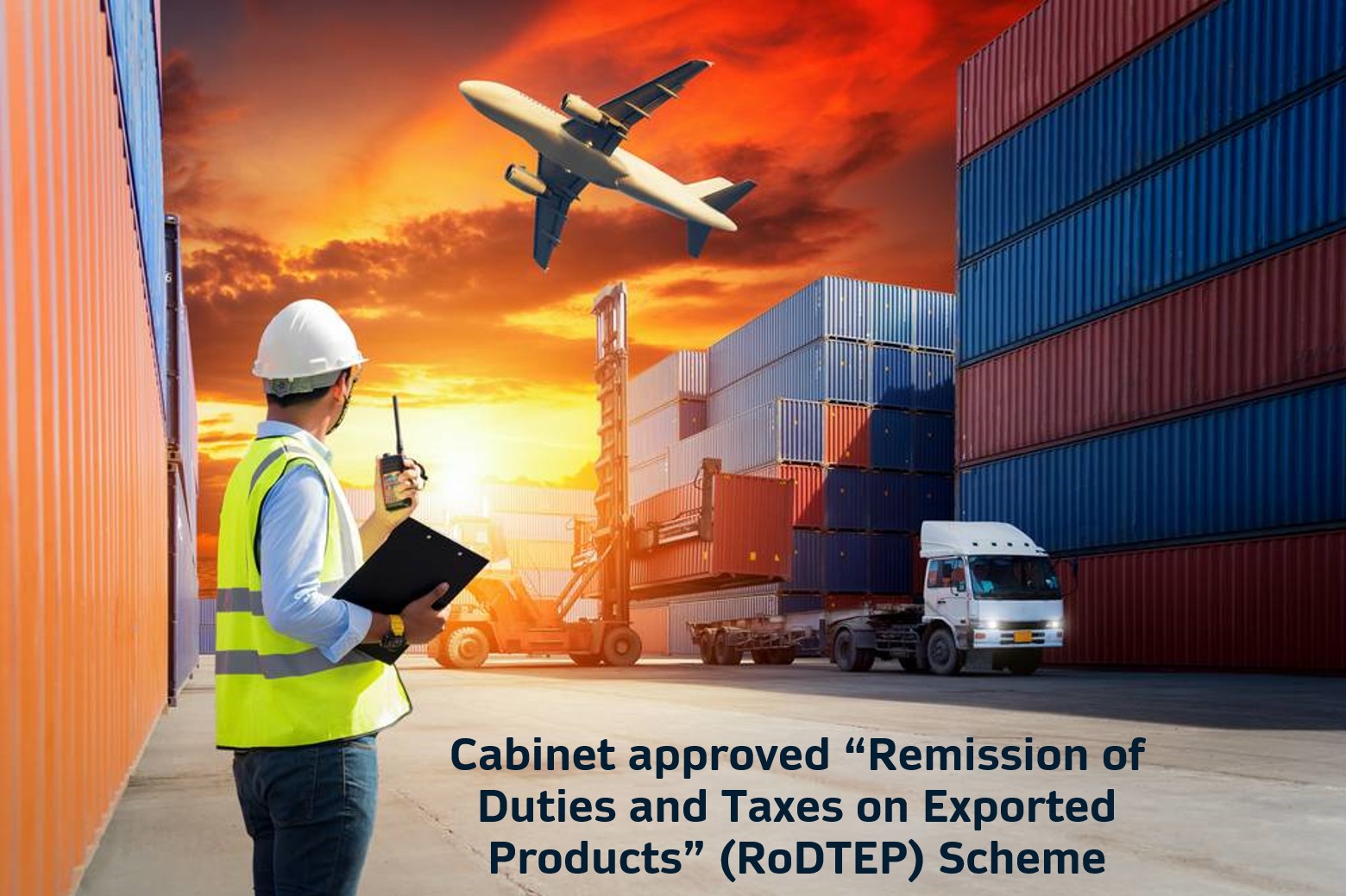
The Government of India has extended the Remission of Duties and Taxes on Exported Products (RoDTEP) Scheme up to 31 December 2026, providing continuity of a major tax-remission mechanism for Indian exporters. The Department of Commerce announced the extension through Notification No. 41/2026-27 dated 30 September 2026, while the Press Information Bureau published the official announcement on 2 October 2026.
The extension applies to exports made by Domestic Tariff Area units, Advance Authorisation holders, Special Economic Zone units and Export Oriented Units. Importantly, the existing RoDTEP rates and value caps notified in Appendix 4R and Appendix 4RE, as applicable on 30 September 2026, will remain unchanged during the extended period.
RoDTEP is designed to remit certain embedded and otherwise unrefunded Central, State and local duties, taxes and levies borne on exported products, including accumulated indirect taxes at prior stages. The policy is intended to prevent such residual domestic taxes from becoming part of the cost of Indian exports and thereby support their competitiveness in international markets.
1. What Happened?
The Department of Commerce extended the RoDTEP Scheme up to 31 December 2026.
The extension was notified through Notification No. 41/2026-27 dated 30 September 2026.
The official PIB announcement was issued on 2 October 2026.
This means eligible exports made during the extended period can continue to receive RoDTEP benefits subject to the applicable rules, rates, value caps and conditions.
2. What Is RoDTEP?
RoDTEP stands for Remission of Duties and Taxes on Exported Products.
The central idea of the scheme is remission of specified duties, taxes and levies embedded in exported products that are not otherwise refunded through another mechanism.
Such costs can arise at Central, State and local levels and can also include accumulated indirect taxes from earlier stages of the production and distribution chain.
3. Why Is RoDTEP Needed?
When a product is exported, domestic taxes that remain embedded in its cost can make the product more expensive in an overseas market.
If such taxes are not refunded or remitted elsewhere, the exporter may effectively carry domestic fiscal costs into the export price.
RoDTEP attempts to address this issue by remitting eligible unrefunded taxes and levies associated with exported products.
4. Until When Has the Scheme Been Extended?
The scheme has been continued up to 31 December 2026.
This date is one of the most important examination facts from the announcement.
Students should distinguish the extension date from the date of notification. The notification is dated 30 September 2026, while the continuation is up to 31 December 2026.
5. Which Department Issued the Extension?
The extension was issued by the Department of Commerce.
The Department of Commerce functions under the Ministry of Commerce and Industry, Government of India.
Therefore, the ministry association to remember is: RoDTEP — Department of Commerce — Ministry of Commerce and Industry.
6. What Is the Notification Number?
The extension was notified through Notification No. 41/2026-27.
The notification is dated 30 September 2026.
This is a useful factual point for examinations that ask about recent government notifications and export policy developments.
7. Which Exporters Are Covered?
According to the official announcement, RoDTEP benefits during the extended period will be available for exports made by Domestic Tariff Area units, Advance Authorisation holders, Special Economic Zone units and Export Oriented Units.
Thus, four important categories should be remembered: DTA units, AA holders, SEZ units and EOUs.
8. What Are Domestic Tariff Area Units?
Domestic Tariff Area, commonly abbreviated as DTA, broadly refers to the area of India outside specially designated customs-bonded or special economic arrangements such as SEZs, subject to the definitions under applicable trade and customs frameworks.
In the context of this announcement, eligible exports made by DTA units remain covered by RoDTEP during the extended period.
9. What Is Advance Authorisation?
Advance Authorisation is a trade-facilitation mechanism under India's foreign trade framework that permits duty-free import of eligible inputs used in producing export goods, subject to prescribed conditions.
The 2026 RoDTEP extension specifically includes exports by Advance Authorisation holders among the covered categories.
Students should remember the abbreviation AA — Advance Authorisation.
10. What Is a Special Economic Zone?
A Special Economic Zone, or SEZ, is a specifically designated area governed by a specialised policy and legal framework intended to facilitate economic activity, exports and investment.
SEZ units are specifically included among the categories for which RoDTEP benefits remain available under the extension.
11. What Is an Export Oriented Unit?
An Export Oriented Unit, commonly abbreviated EOU, is an enterprise operating under the applicable export-oriented framework with the objective of producing goods or services substantially for export, subject to prescribed rules and conditions.
EOUs are another category explicitly covered by the extended RoDTEP arrangement.
12. Have the RoDTEP Rates Changed?
No change in the applicable existing rates was announced as part of this extension.
The Government stated that the existing RoDTEP rates notified in Appendix 4R and Appendix 4RE, as applicable on 30 September 2026, will remain unchanged during the extended period.
This is important because an extension of a scheme does not necessarily mean revision of its benefit rates.
13. Have the Value Caps Changed?
No. The Government also stated that the existing value caps will remain unchanged during the extended period.
The relevant rates and value caps are those notified in Appendix 4R and Appendix 4RE as applicable on 30 September 2026.
Therefore, students should remember both elements together: existing rates unchanged and existing value caps unchanged.
14. What Are Appendix 4R and Appendix 4RE?
The official announcement refers to Appendix 4R and Appendix 4RE for the notified RoDTEP rates and value caps.
For the purpose of the October 2026 announcement, the important point is that the rates and value caps contained in the applicable appendices as on 30 September 2026 continue during the extended period.
Students should avoid inventing a single universal RoDTEP rate because benefits vary according to the applicable tariff line and notified schedule.
15. What Types of Taxes Does RoDTEP Address?
According to the official release, RoDTEP remits embedded and otherwise unrefunded Central, State and local duties, taxes and levies borne on exported products.
It also covers accumulated indirect taxes at prior stages where they fall within the notified remission framework and are not otherwise refunded.
The principle is therefore broader than simply refunding one particular tax.
16. What Does Embedded Tax Mean?
An embedded tax is a tax or levy that becomes incorporated into the cost structure of a product rather than being separately recoverable through another refund or credit mechanism.
For an exporter, such unrecovered costs can become part of the final export cost.
RoDTEP seeks to remit eligible embedded taxes so that domestic tax costs do not unnecessarily reduce the competitiveness of exported products.
17. What Does Remission Mean?
In this context, remission refers to neutralising or returning eligible duties, taxes and levies borne in relation to exported products in accordance with the scheme's notified rules.
It should be distinguished from a generic cash subsidy unrelated to taxes.
The scheme is structured around the principle of remitting specified unrefunded fiscal burdens embedded in exports.
18. Why Is Tax Neutrality Important for Exports?
A commonly recognised principle in export taxation is that goods consumed abroad should not carry avoidable domestic taxes that distort their international price where a lawful remission mechanism applies.
If domestic taxes remain embedded in exported goods, Indian firms may face a cost disadvantage compared with competitors operating under systems that effectively neutralise comparable taxes.
RoDTEP addresses specified residual tax costs within its notified framework.
19. Why Is the Extension Important for Exporters?
Policy continuity allows eligible exporters to incorporate the notified remission framework into their pricing and cost calculations for the extended period.
Without continuity, residual domestic taxes could increase effective export costs for affected products.
The extension therefore provides continued support under the existing notified rates and value caps through 31 December 2026.
20. Does RoDTEP Cover Every Cost Faced by an Exporter?
No. RoDTEP is not a reimbursement of every cost incurred in producing or exporting a product.
It specifically concerns eligible duties, taxes and levies covered under the notified scheme.
Commercial costs such as general production expenses, freight fluctuations, financing costs and changes in international market prices should not automatically be treated as RoDTEP-remissible costs.
21. Does Every Export Product Receive the Same RoDTEP Rate?
No. The official announcement refers to notified rates and value caps in Appendix 4R and Appendix 4RE.
This indicates that benefits are governed by the applicable product-wise schedules rather than one common percentage for all exports.
For examinations, avoid statements claiming that RoDTEP provides a single fixed rebate rate to all exporters.
22. Why Are Value Caps Used?
A value cap limits the remission available in relation to the notified basis for a particular product or tariff line.
Rates and value caps together help determine the maximum benefit available under the applicable schedule.
The October 2026 extension leaves the existing applicable value caps unchanged.
23. Is RoDTEP the Same as GST Refund?
No. RoDTEP and GST refund mechanisms should not be treated as identical.
RoDTEP addresses specified embedded duties, taxes and levies that are not otherwise refunded, while GST has its own statutory input-tax-credit and refund framework.
The important policy principle is that the same tax burden should not be refunded twice through overlapping mechanisms.
24. What Is the Connection with Export Competitiveness?
An exporter competes internationally on price, quality, reliability, technology, delivery time and other factors.
If unrefunded domestic taxes remain embedded in an Indian product, they can raise its effective cost.
By remitting eligible residual taxes, RoDTEP is intended to provide a more level cost environment for Indian exporters relative to competitors in international markets.
25. What Did the Government Say About a Level Playing Field?
The official release stated that the measure reflects the Government's commitment to supporting exporters while ensuring a level playing field vis-à-vis competitive economies in international markets.
This does not mean that RoDTEP guarantees Indian exporters a price advantage.
Rather, its stated purpose is to address eligible domestic tax burdens that might otherwise affect competitiveness.
26. Is the Scheme Limited to SEZ Units?
No. The extension covers multiple categories.
These include Domestic Tariff Area units, Advance Authorisation holders, Special Economic Zone units and Export Oriented Units.
Therefore, describing the October 2026 extension as an SEZ-only measure would be incorrect.
27. Is the Scheme Limited to DTA Units?
No. DTA units are one of four explicitly identified categories in the announcement.
Advance Authorisation holders, SEZ units and EOUs are also included.
This wider coverage is an important factual feature of the extension.
28. Why Does Policy Continuity Matter?
Export transactions often involve production planning, procurement, contracts, pricing and logistics decisions made before the goods are actually shipped.
Changes in tax-remission policy can therefore affect commercial calculations.
Continuation of the existing framework until 31 December 2026 provides eligible exporters with greater near-term clarity about the applicable RoDTEP treatment.
29. What Is the Difference Between an Extension and a New Scheme?
The October 2026 announcement does not create an entirely new export-remission scheme.
It extends the continuation of the existing RoDTEP framework until 31 December 2026.
The existing rates and value caps applicable on 30 September 2026 remain unchanged during this period.
30. What Is Important About 30 September 2026?
Two separate references make this date important.
First, Notification No. 41/2026-27 was issued on 30 September 2026.
Second, the rates and value caps applicable in Appendix 4R and Appendix 4RE on 30 September 2026 are the ones that continue during the extension.
31. What Is Important About 2 October 2026?
The Press Information Bureau published the Government's official public announcement about the extension on 2 October 2026 at 11:00 AM.
Students should therefore distinguish the notification date, 30 September, from the PIB announcement date, 2 October.
32. How Does RoDTEP Fit into India's Foreign Trade Framework?
RoDTEP forms part of the policy framework used to neutralise eligible domestic taxes embedded in exported products.
It operates alongside other trade-facilitation, customs and export mechanisms, each of which has distinct eligibility rules and objectives.
For conceptual questions, RoDTEP should primarily be associated with remission of otherwise unrefunded duties and taxes on exported products.
33. Why Is RoDTEP Relevant for Manufacturing?
Manufactured exports can accumulate different indirect fiscal costs across inputs, energy, transportation or earlier production stages, depending on the product and applicable taxes.
Where eligible residual taxes fall within the notified RoDTEP methodology, their remission can reduce tax-related cost embedded in the exported product.
The scheme can therefore matter for the cost structure of export-oriented manufacturing.
34. Why Is RoDTEP Relevant for MSMEs?
Many micro, small and medium enterprises participate directly or indirectly in export supply chains.
Where an MSME exporter makes an eligible export covered by the notified RoDTEP schedule, remission of qualifying embedded taxes can affect its export cost structure.
However, MSME status by itself should not be interpreted as automatic eligibility for every RoDTEP benefit; the applicable product, exporter category and scheme conditions remain relevant.
35. What Should Businesses Check?
Exporters need to check the applicable tariff classification, notified rate, value cap, exporter category and procedural requirements rather than relying only on the general announcement of extension.
The October 2026 PIB release establishes continuity but does not replace the detailed schedules and procedures governing individual claims.
For operational compliance, the relevant DGFT notification and applicable appendices remain important.
36. Why Is This Important for UPSC?
RoDTEP connects with India's external sector, export competitiveness, taxation, manufacturing and foreign trade policy.
In a GS Paper III answer, it can be used to explain the principle that exports should not carry specified unrefunded domestic taxes that make them less competitive internationally.
A balanced analysis should distinguish tax remission from an unrestricted export subsidy and should recognise that export competitiveness also depends on productivity, logistics, technology, quality, finance, exchange rates and global demand.
37. What Is Important for SSC, Railway and State Exams?
Remember the direct facts: RoDTEP — Remission of Duties and Taxes on Exported Products — extended till 31 December 2026 — Department of Commerce — Ministry of Commerce and Industry — Notification No. 41/2026-27 — notification dated 30 September 2026 — PIB announcement 2 October 2026.
Covered categories: DTA units, Advance Authorisation holders, SEZ units and EOUs.
Existing rates and value caps in Appendix 4R and Appendix 4RE remain unchanged during the extension.
38. What Should Students Remember?
The Government has continued the RoDTEP Scheme until 31 December 2026.
The Department of Commerce issued Notification No. 41/2026-27 on 30 September 2026.
The scheme remains available for eligible exports by DTA units, Advance Authorisation holders, SEZ units and Export Oriented Units.
Existing RoDTEP rates and value caps notified in Appendix 4R and Appendix 4RE, as applicable on 30 September 2026, remain unchanged during the extended period.
RoDTEP remits specified embedded and otherwise unrefunded Central, State and local duties, taxes and levies borne on exported products, including eligible accumulated indirect taxes at prior stages.
Quick revision: RoDTEP — tax remission on exports — Department of Commerce — Ministry of Commerce and Industry — Notification 41/2026-27 — 30 September 2026 — extended to 31 December 2026 — DTA + AA + SEZ + EOU — Appendix 4R and 4RE — existing rates and value caps unchanged.
क्या हुआ?
भारत सरकार ने निर्यातित उत्पादों पर शुल्क और करों की छूट योजना, अर्थात RoDTEP, को 31 दिसंबर 2026 तक बढ़ा दिया है। इससे भारतीय निर्यातकों के लिए एक महत्वपूर्ण कर-प्रतिपूर्ति व्यवस्था की निरंतरता बनी रहेगी। वाणिज्य विभाग ने 30 सितंबर 2026 की अधिसूचना संख्या 41/2026-27 के माध्यम से यह विस्तार किया, जबकि प्रेस सूचना ब्यूरो ने 2 अक्टूबर 2026 को इसकी आधिकारिक सार्वजनिक जानकारी जारी की।
यह विस्तार घरेलू टैरिफ क्षेत्र की इकाइयों, अग्रिम प्राधिकरण धारकों, विशेष आर्थिक क्षेत्र की इकाइयों और निर्यातोन्मुखी इकाइयों द्वारा किए गए पात्र निर्यात पर लागू होगा। विशेष रूप से महत्वपूर्ण तथ्य यह है कि 30 सितंबर 2026 को लागू परिशिष्ट 4R और परिशिष्ट 4RE में अधिसूचित मौजूदा RoDTEP दरें और मूल्य सीमाएँ विस्तारित अवधि के दौरान अपरिवर्तित रहेंगी।
RoDTEP का उद्देश्य निर्यातित उत्पादों पर वहन किए गए ऐसे अंतर्निहित और अन्यथा प्रतिपूर्ति से वंचित केंद्रीय, राज्य तथा स्थानीय शुल्कों, करों और उपकरों की वापसी करना है, जिनमें पूर्ववर्ती चरणों पर संचित पात्र अप्रत्यक्ष कर भी शामिल हो सकते हैं। इसका उद्देश्य ऐसे शेष घरेलू करों को भारतीय निर्यात की लागत का हिस्सा बनने से रोकना और अंतरराष्ट्रीय बाजार में उनकी प्रतिस्पर्धात्मकता को समर्थन देना है।
1. क्या हुआ?
वाणिज्य विभाग ने RoDTEP योजना को 31 दिसंबर 2026 तक बढ़ा दिया।
यह विस्तार 30 सितंबर 2026 की अधिसूचना संख्या 41/2026-27 के माध्यम से किया गया।
PIB ने 2 अक्टूबर 2026 को इसकी आधिकारिक घोषणा प्रकाशित की।
इसका अर्थ है कि विस्तारित अवधि में किए गए पात्र निर्यात लागू नियमों, दरों, मूल्य सीमाओं और शर्तों के अधीन RoDTEP लाभ प्राप्त कर सकेंगे।
2. RoDTEP क्या है?
RoDTEP का पूरा नाम Remission of Duties and Taxes on Exported Products है।
इस योजना का मूल उद्देश्य निर्यातित उत्पादों में समाहित ऐसे निर्धारित शुल्कों, करों और उपकरों की प्रतिपूर्ति करना है जिनकी वापसी किसी अन्य व्यवस्था के माध्यम से नहीं होती।
ऐसी लागतें केंद्रीय, राज्य और स्थानीय स्तर पर उत्पन्न हो सकती हैं और उत्पादन तथा वितरण के पूर्ववर्ती चरणों में संचित अप्रत्यक्ष कर भी इनमें शामिल हो सकते हैं।
3. RoDTEP की आवश्यकता क्यों है?
यदि किसी निर्यातित उत्पाद की लागत में घरेलू कर समाहित रह जाते हैं तो विदेशी बाजार में उसकी कीमत बढ़ सकती है।
यदि ऐसे करों की किसी अन्य व्यवस्था से वापसी नहीं होती तो निर्यातक को घरेलू कर भार को निर्यात लागत में शामिल करना पड़ सकता है।
RoDTEP पात्र और अप्रतिपूर्ति करों तथा शुल्कों की वापसी करके इस समस्या को संबोधित करता है।
4. योजना कब तक बढ़ाई गई है?
योजना को 31 दिसंबर 2026 तक जारी रखा गया है।
यह इस घोषणा से संबंधित सबसे महत्वपूर्ण परीक्षा तथ्यों में से एक है।
विद्यार्थियों को विस्तार की अंतिम तिथि और अधिसूचना की तिथि में अंतर याद रखना चाहिए। अधिसूचना 30 सितंबर 2026 की है, जबकि योजना 31 दिसंबर 2026 तक बढ़ाई गई है।
5. विस्तार किस विभाग ने किया?
यह विस्तार वाणिज्य विभाग ने किया है।
वाणिज्य विभाग भारत सरकार के वाणिज्य एवं उद्योग मंत्रालय के अंतर्गत कार्य करता है।
इसलिए मंत्रालय संबंध याद रखें: RoDTEP — वाणिज्य विभाग — वाणिज्य एवं उद्योग मंत्रालय।
6. अधिसूचना संख्या क्या है?
विस्तार अधिसूचना संख्या 41/2026-27 के माध्यम से किया गया।
अधिसूचना की तिथि 30 सितंबर 2026 है।
हाल की सरकारी अधिसूचनाओं और निर्यात नीति से संबंधित प्रश्नों के लिए यह उपयोगी तथ्य है।
7. किन निर्यातकों को लाभ मिलेगा?
आधिकारिक घोषणा के अनुसार विस्तारित अवधि में घरेलू टैरिफ क्षेत्र की इकाइयों, अग्रिम प्राधिकरण धारकों, विशेष आर्थिक क्षेत्र की इकाइयों और निर्यातोन्मुखी इकाइयों द्वारा किए गए पात्र निर्यात पर RoDTEP उपलब्ध रहेगा।
चार महत्वपूर्ण श्रेणियाँ याद रखें: DTA इकाइयाँ, AA धारक, SEZ इकाइयाँ और EOU।
8. घरेलू टैरिफ क्षेत्र की इकाइयाँ क्या हैं?
घरेलू टैरिफ क्षेत्र को सामान्यतः DTA कहा जाता है। यह लागू व्यापार और सीमा शुल्क व्यवस्था के अंतर्गत विशेष आर्थिक क्षेत्रों जैसी विशेष रूप से निर्धारित व्यवस्थाओं से बाहर के भारतीय क्षेत्र से संबंधित अवधारणा है।
इस घोषणा के संदर्भ में DTA इकाइयों द्वारा किए गए पात्र निर्यात विस्तारित अवधि में RoDTEP के अंतर्गत बने रहेंगे।
9. अग्रिम प्राधिकरण क्या है?
अग्रिम प्राधिकरण भारत की विदेश व्यापार व्यवस्था के अंतर्गत एक ऐसी सुविधा है जिसके माध्यम से निर्धारित शर्तों के अधीन निर्यात वस्तुओं के उत्पादन में उपयोग किए जाने वाले पात्र आदानों का शुल्क-मुक्त आयात किया जा सकता है।
2026 के RoDTEP विस्तार में अग्रिम प्राधिकरण धारकों द्वारा किए गए निर्यात को स्पष्ट रूप से शामिल किया गया है।
AA का अर्थ Advance Authorisation याद रखें।
10. विशेष आर्थिक क्षेत्र क्या है?
विशेष आर्थिक क्षेत्र, अर्थात SEZ, एक विशेष रूप से निर्धारित क्षेत्र होता है जो आर्थिक गतिविधि, निर्यात और निवेश को सुगम बनाने के लिए विशिष्ट नीति और कानूनी व्यवस्था के अंतर्गत संचालित होता है।
विस्तारित RoDTEP व्यवस्था में SEZ इकाइयों को स्पष्ट रूप से शामिल किया गया है।
11. निर्यातोन्मुखी इकाई क्या है?
निर्यातोन्मुखी इकाई को EOU कहा जाता है। यह लागू निर्यातोन्मुखी व्यवस्था के अंतर्गत निर्धारित नियमों और शर्तों के अनुसार मुख्यतः निर्यात के उद्देश्य से वस्तुओं या सेवाओं के उत्पादन से जुड़ी इकाई होती है।
EOU भी RoDTEP विस्तार में स्पष्ट रूप से शामिल श्रेणी है।
12. क्या RoDTEP की दरें बदल गई हैं?
नहीं। इस विस्तार के साथ लागू मौजूदा दरों में बदलाव की घोषणा नहीं की गई है।
सरकार ने कहा है कि 30 सितंबर 2026 को लागू परिशिष्ट 4R और परिशिष्ट 4RE में अधिसूचित मौजूदा RoDTEP दरें विस्तारित अवधि के दौरान अपरिवर्तित रहेंगी।
यह महत्वपूर्ण है क्योंकि किसी योजना की अवधि बढ़ने का अर्थ उसकी लाभ दरों में परिवर्तन होना आवश्यक नहीं है।
13. क्या मूल्य सीमाएँ बदली गई हैं?
नहीं। सरकार ने यह भी कहा कि मौजूदा मूल्य सीमाएँ विस्तारित अवधि में अपरिवर्तित रहेंगी।
प्रासंगिक दरें और मूल्य सीमाएँ वही होंगी जो 30 सितंबर 2026 को परिशिष्ट 4R और परिशिष्ट 4RE में लागू थीं।
इसलिए दोनों तथ्य साथ याद रखें: मौजूदा दरें अपरिवर्तित और मौजूदा मूल्य सीमाएँ अपरिवर्तित।
14. परिशिष्ट 4R और 4RE क्या हैं?
आधिकारिक घोषणा RoDTEP की अधिसूचित दरों और मूल्य सीमाओं के लिए परिशिष्ट 4R और परिशिष्ट 4RE का उल्लेख करती है।
अक्टूबर 2026 की घोषणा के संदर्भ में महत्वपूर्ण तथ्य यह है कि 30 सितंबर 2026 को लागू इन परिशिष्टों की दरें और मूल्य सीमाएँ विस्तारित अवधि में जारी रहेंगी।
विद्यार्थियों को RoDTEP की कोई एक सार्वभौमिक दर नहीं लिखनी चाहिए, क्योंकि लाभ लागू शुल्क मद और अधिसूचित अनुसूची के अनुसार निर्धारित होता है।
15. RoDTEP किन प्रकार के करों को संबोधित करता है?
आधिकारिक विज्ञप्ति के अनुसार RoDTEP निर्यातित उत्पादों पर वहन किए गए ऐसे अंतर्निहित और अप्रतिपूर्ति केंद्रीय, राज्य और स्थानीय शुल्कों, करों तथा उपकरों की वापसी करता है जो योजना के अंतर्गत पात्र हैं।
इसमें पूर्ववर्ती चरणों में संचित ऐसे अप्रत्यक्ष कर भी शामिल हो सकते हैं जो अधिसूचित प्रतिपूर्ति व्यवस्था के अंतर्गत आते हों और जिनकी अन्यथा वापसी नहीं होती।
इसलिए यह केवल किसी एक कर की वापसी तक सीमित अवधारणा नहीं है।
16. अंतर्निहित कर का क्या अर्थ है?
अंतर्निहित कर वह कर या शुल्क है जो किसी उत्पाद की लागत में समाहित हो जाता है और जिसकी किसी अन्य ऋण या प्रतिपूर्ति व्यवस्था से अलग से वसूली नहीं हो पाती।
निर्यातक के लिए ऐसी अप्राप्त लागत अंतिम निर्यात लागत का हिस्सा बन सकती है।
RoDTEP पात्र अंतर्निहित करों की प्रतिपूर्ति करके घरेलू कर लागत के कारण निर्यात प्रतिस्पर्धा पर पड़ने वाले प्रभाव को कम करने का प्रयास करता है।
17. Remission अर्थात प्रतिपूर्ति का क्या अर्थ है?
इस संदर्भ में इसका अर्थ योजना के अधिसूचित नियमों के अनुसार निर्यातित उत्पादों से संबंधित पात्र शुल्कों, करों और उपकरों के भार को निष्प्रभावी करना या उनकी वापसी करना है।
इसे करों से असंबंधित सामान्य नकद अनुदान के समान नहीं समझना चाहिए।
यह योजना निर्यात में समाहित निर्धारित अप्रतिपूर्ति राजकोषीय भार की वापसी के सिद्धांत पर आधारित है।
18. निर्यात में कर-तटस्थता क्यों महत्वपूर्ण है?
निर्यात कर व्यवस्था का एक सामान्य सिद्धांत यह है कि विदेश में उपभोग होने वाली वस्तुओं पर ऐसे घरेलू करों का अनावश्यक भार नहीं रहना चाहिए जिनकी वैधानिक रूप से प्रतिपूर्ति की जा सकती है।
यदि घरेलू कर निर्यातित वस्तुओं में समाहित रहते हैं तो भारतीय कंपनियाँ उन देशों के प्रतिस्पर्धियों की तुलना में लागत संबंधी नुकसान में रह सकती हैं जहाँ ऐसे कर प्रभावी रूप से निष्प्रभावी किए जाते हैं।
RoDTEP अपनी अधिसूचित व्यवस्था के अंतर्गत निर्धारित शेष कर लागत को संबोधित करता है।
19. यह विस्तार निर्यातकों के लिए क्यों महत्वपूर्ण है?
नीतिगत निरंतरता से पात्र निर्यातक विस्तारित अवधि के लिए अपने मूल्य निर्धारण और लागत गणना में अधिसूचित प्रतिपूर्ति व्यवस्था को शामिल कर सकते हैं।
यदि यह निरंतरता नहीं होती तो कुछ उत्पादों के लिए शेष घरेलू कर प्रभावी निर्यात लागत बढ़ा सकते थे।
इसलिए यह विस्तार 31 दिसंबर 2026 तक मौजूदा अधिसूचित दरों और मूल्य सीमाओं के अंतर्गत सहायता जारी रखता है।
20. क्या RoDTEP निर्यातक की प्रत्येक लागत की प्रतिपूर्ति करता है?
नहीं। RoDTEP किसी उत्पाद के उत्पादन या निर्यात पर होने वाली प्रत्येक लागत की प्रतिपूर्ति नहीं है।
यह विशेष रूप से अधिसूचित योजना में शामिल पात्र शुल्कों, करों और उपकरों से संबंधित है।
सामान्य उत्पादन व्यय, माल-भाड़े में बाजार आधारित परिवर्तन, वित्तीय लागत या अंतरराष्ट्रीय कीमतों में उतार-चढ़ाव को स्वतः RoDTEP के अंतर्गत प्रतिपूर्ति योग्य नहीं माना जाना चाहिए।
21. क्या प्रत्येक निर्यातित उत्पाद को समान RoDTEP दर मिलती है?
नहीं। आधिकारिक घोषणा परिशिष्ट 4R और 4RE में अधिसूचित दरों तथा मूल्य सीमाओं का उल्लेख करती है।
इसका अर्थ है कि लाभ उत्पाद-विशिष्ट लागू अनुसूचियों के अनुसार निर्धारित होता है, न कि सभी निर्यातों के लिए एक ही प्रतिशत से।
परीक्षा में यह नहीं लिखना चाहिए कि RoDTEP सभी निर्यातकों को एक समान निश्चित दर देता है।
22. मूल्य सीमा क्यों होती है?
मूल्य सीमा किसी विशेष उत्पाद या शुल्क मद के लिए अधिसूचित आधार पर उपलब्ध प्रतिपूर्ति की सीमा निर्धारित करती है।
दर और मूल्य सीमा मिलकर लागू अनुसूची के अंतर्गत उपलब्ध अधिकतम लाभ निर्धारित करने में भूमिका निभाती हैं।
अक्टूबर 2026 के विस्तार में मौजूदा लागू मूल्य सीमाएँ अपरिवर्तित रखी गई हैं।
23. क्या RoDTEP और GST वापसी एक ही चीज हैं?
नहीं। RoDTEP और GST वापसी व्यवस्था को समान नहीं माना जाना चाहिए।
RoDTEP उन निर्धारित अंतर्निहित शुल्कों, करों और उपकरों को संबोधित करता है जिनकी अन्यथा वापसी नहीं होती, जबकि GST की अपनी वैधानिक इनपुट कर ऋण और वापसी व्यवस्था है।
महत्वपूर्ण सिद्धांत यह है कि एक ही कर भार की दो अलग-अलग व्यवस्थाओं से दोहरी प्रतिपूर्ति नहीं होनी चाहिए।
24. निर्यात प्रतिस्पर्धात्मकता से इसका क्या संबंध है?
निर्यातक अंतरराष्ट्रीय बाजार में कीमत, गुणवत्ता, विश्वसनीयता, प्रौद्योगिकी, समय पर आपूर्ति और अन्य कारकों पर प्रतिस्पर्धा करता है।
यदि भारतीय उत्पाद में अप्रतिपूर्ति घरेलू कर समाहित रहते हैं तो उसकी प्रभावी लागत बढ़ सकती है।
पात्र शेष करों की प्रतिपूर्ति करके RoDTEP का उद्देश्य अंतरराष्ट्रीय बाजार में भारतीय निर्यातकों के लिए लागत संबंधी अधिक समान परिस्थिति प्रदान करना है।
25. सरकार ने समान अवसर के बारे में क्या कहा?
आधिकारिक विज्ञप्ति के अनुसार यह उपाय अंतरराष्ट्रीय बाजारों में प्रतिस्पर्धी अर्थव्यवस्थाओं के मुकाबले समान अवसर सुनिश्चित करते हुए निर्यातकों को सहायता देने की सरकार की प्रतिबद्धता को दर्शाता है।
इसका अर्थ यह नहीं है कि RoDTEP भारतीय निर्यातकों को निश्चित मूल्य लाभ की गारंटी देता है।
इसका घोषित उद्देश्य उन पात्र घरेलू कर भारों को संबोधित करना है जो अन्यथा प्रतिस्पर्धात्मकता को प्रभावित कर सकते हैं।
26. क्या योजना केवल SEZ इकाइयों के लिए है?
नहीं। विस्तार में अनेक श्रेणियाँ शामिल हैं।
इनमें घरेलू टैरिफ क्षेत्र की इकाइयाँ, अग्रिम प्राधिकरण धारक, विशेष आर्थिक क्षेत्र की इकाइयाँ और निर्यातोन्मुखी इकाइयाँ शामिल हैं।
इसलिए अक्टूबर 2026 के विस्तार को केवल SEZ से संबंधित उपाय बताना गलत होगा।
27. क्या योजना केवल DTA इकाइयों के लिए है?
नहीं। DTA इकाइयाँ घोषणा में स्पष्ट रूप से बताई गई चार श्रेणियों में से केवल एक हैं।
अग्रिम प्राधिकरण धारक, SEZ इकाइयाँ और EOU भी शामिल हैं।
यह व्यापक कवरेज विस्तार का महत्वपूर्ण तथ्य है।
28. नीतिगत निरंतरता क्यों महत्वपूर्ण है?
निर्यात लेनदेन में उत्पादन योजना, खरीद, अनुबंध, मूल्य निर्धारण और परिवहन संबंधी निर्णय अक्सर वस्तु के वास्तविक निर्यात से पहले लिए जाते हैं।
कर प्रतिपूर्ति नीति में बदलाव व्यावसायिक गणना को प्रभावित कर सकता है।
31 दिसंबर 2026 तक मौजूदा व्यवस्था जारी रहने से पात्र निर्यातकों को निकट अवधि में RoDTEP के लागू व्यवहार के बारे में अधिक स्पष्टता मिलती है।
29. विस्तार और नई योजना में क्या अंतर है?
अक्टूबर 2026 की घोषणा कोई नई निर्यात प्रतिपूर्ति योजना नहीं बनाती।
यह मौजूदा RoDTEP व्यवस्था को 31 दिसंबर 2026 तक जारी रखती है।
30 सितंबर 2026 को लागू मौजूदा दरें और मूल्य सीमाएँ इस अवधि में अपरिवर्तित रहेंगी।
30. 30 सितंबर 2026 क्यों महत्वपूर्ण है?
यह तिथि दो कारणों से महत्वपूर्ण है।
पहला, अधिसूचना संख्या 41/2026-27 इसी तिथि को जारी की गई।
दूसरा, 30 सितंबर 2026 को परिशिष्ट 4R और 4RE में लागू दरें और मूल्य सीमाएँ ही विस्तारित अवधि में जारी रहेंगी।
31. 2 अक्टूबर 2026 क्यों महत्वपूर्ण है?
प्रेस सूचना ब्यूरो ने योजना के विस्तार से संबंधित सरकार की आधिकारिक सार्वजनिक घोषणा 2 अक्टूबर 2026 को सुबह 11 बजे प्रकाशित की।
इसलिए विद्यार्थियों को अधिसूचना तिथि 30 सितंबर और PIB घोषणा तिथि 2 अक्टूबर के बीच अंतर याद रखना चाहिए।
32. भारत की विदेश व्यापार व्यवस्था में RoDTEP का क्या स्थान है?
RoDTEP निर्यातित उत्पादों में समाहित पात्र घरेलू करों को निष्प्रभावी करने के लिए उपयोग की जाने वाली नीति व्यवस्था का हिस्सा है।
यह अन्य व्यापार सुविधा, सीमा शुल्क और निर्यात व्यवस्थाओं के साथ कार्य करता है, जिनकी पात्रता और उद्देश्य अलग-अलग होते हैं।
अवधारणात्मक प्रश्नों में RoDTEP को मुख्यतः निर्यातित उत्पादों पर अप्रतिपूर्ति शुल्क और करों की प्रतिपूर्ति से जोड़ना चाहिए।
33. विनिर्माण क्षेत्र के लिए RoDTEP क्यों महत्वपूर्ण है?
विनिर्मित निर्यात में उत्पाद और लागू करों के अनुसार आदानों, ऊर्जा, परिवहन या पूर्व उत्पादन चरणों पर विभिन्न अप्रत्यक्ष राजकोषीय लागतें जुड़ सकती हैं।
जहाँ पात्र शेष कर अधिसूचित RoDTEP व्यवस्था में आते हैं, उनकी प्रतिपूर्ति निर्यातित उत्पाद में समाहित कर लागत को कम कर सकती है।
इसलिए यह योजना निर्यातोन्मुखी विनिर्माण की लागत संरचना के लिए महत्वपूर्ण हो सकती है।
34. MSME के लिए RoDTEP क्यों महत्वपूर्ण हो सकता है?
अनेक सूक्ष्म, लघु और मध्यम उद्यम प्रत्यक्ष या अप्रत्यक्ष रूप से निर्यात आपूर्ति शृंखलाओं में भाग लेते हैं।
यदि कोई MSME निर्यातक अधिसूचित RoDTEP अनुसूची के अंतर्गत पात्र निर्यात करता है तो योग्य अंतर्निहित करों की प्रतिपूर्ति उसकी निर्यात लागत को प्रभावित कर सकती है।
हालांकि केवल MSME होना प्रत्येक RoDTEP लाभ के लिए स्वतः पात्रता नहीं देता; लागू उत्पाद, निर्यातक श्रेणी और योजना की शर्तें भी महत्वपूर्ण हैं।
35. व्यवसायों को क्या जाँचना चाहिए?
निर्यातकों को केवल योजना विस्तार की सामान्य घोषणा पर निर्भर रहने के बजाय लागू शुल्क वर्गीकरण, अधिसूचित दर, मूल्य सीमा, निर्यातक श्रेणी और प्रक्रियात्मक आवश्यकताओं की जाँच करनी चाहिए।
अक्टूबर 2026 की PIB विज्ञप्ति योजना की निरंतरता स्थापित करती है, लेकिन व्यक्तिगत दावों से संबंधित विस्तृत अनुसूचियों और प्रक्रियाओं का स्थान नहीं लेती।
व्यावहारिक अनुपालन के लिए संबंधित DGFT अधिसूचना और लागू परिशिष्ट महत्वपूर्ण बने रहते हैं।
36. UPSC के लिए यह क्यों महत्वपूर्ण है?
RoDTEP भारत के बाह्य क्षेत्र, निर्यात प्रतिस्पर्धात्मकता, कर व्यवस्था, विनिर्माण और विदेश व्यापार नीति से जुड़ा विषय है।
GS Paper III के उत्तर में इसका उपयोग यह समझाने के लिए किया जा सकता है कि निर्यातित वस्तुओं पर ऐसे निर्धारित अप्रतिपूर्ति घरेलू करों का भार नहीं रहना चाहिए जो उन्हें अंतरराष्ट्रीय बाजार में कम प्रतिस्पर्धी बनाते हैं।
संतुलित उत्तर में कर प्रतिपूर्ति और अनियंत्रित निर्यात अनुदान के बीच अंतर करना चाहिए तथा यह भी स्वीकार करना चाहिए कि निर्यात प्रतिस्पर्धात्मकता उत्पादकता, परिवहन, प्रौद्योगिकी, गुणवत्ता, वित्त, विनिमय दर और वैश्विक माँग पर भी निर्भर करती है।
37. SSC, Railway और State Exams के लिए क्या महत्वपूर्ण है?
सीधे तथ्य याद रखें: RoDTEP — Remission of Duties and Taxes on Exported Products — 31 दिसंबर 2026 तक विस्तार — वाणिज्य विभाग — वाणिज्य एवं उद्योग मंत्रालय — अधिसूचना संख्या 41/2026-27 — अधिसूचना तिथि 30 सितंबर 2026 — PIB घोषणा 2 अक्टूबर 2026।
कवर की गई श्रेणियाँ: DTA इकाइयाँ, Advance Authorisation धारक, SEZ इकाइयाँ और EOU।
परिशिष्ट 4R और 4RE की मौजूदा दरें और मूल्य सीमाएँ विस्तारित अवधि में अपरिवर्तित रहेंगी।
38. विद्यार्थियों को क्या याद रखना चाहिए?
सरकार ने RoDTEP योजना को 31 दिसंबर 2026 तक जारी रखा है।
वाणिज्य विभाग ने 30 सितंबर 2026 को अधिसूचना संख्या 41/2026-27 जारी की।
यह योजना DTA इकाइयों, अग्रिम प्राधिकरण धारकों, SEZ इकाइयों और निर्यातोन्मुखी इकाइयों के पात्र निर्यात पर उपलब्ध रहेगी।
30 सितंबर 2026 को लागू परिशिष्ट 4R और 4RE की मौजूदा RoDTEP दरें और मूल्य सीमाएँ विस्तारित अवधि में अपरिवर्तित रहेंगी।
RoDTEP निर्यातित उत्पादों पर वहन किए गए निर्धारित अंतर्निहित और अन्यथा अप्रतिपूर्ति केंद्रीय, राज्य तथा स्थानीय शुल्कों, करों और उपकरों की वापसी करता है।
त्वरित पुनरावृत्ति: RoDTEP — निर्यात पर कर प्रतिपूर्ति — वाणिज्य विभाग — वाणिज्य एवं उद्योग मंत्रालय — अधिसूचना 41/2026-27 — 30 सितंबर 2026 — 31 दिसंबर 2026 तक विस्तार — DTA + AA + SEZ + EOU — परिशिष्ट 4R और 4RE — मौजूदा दरें और मूल्य सीमाएँ अपरिवर्तित।
Key Facts
• The Government extended the RoDTEP Scheme up to 31 December 2026.
• RoDTEP stands for Remission of Duties and Taxes on Exported Products.
• The extension was issued by the Department of Commerce.
• The Department of Commerce functions under the Ministry of Commerce and Industry.
• The extension was notified through Notification No. 41/2026-27.
• The notification is dated 30 September 2026.
• PIB announced the extension on 2 October 2026.
• The PIB announcement was posted at 11:00 AM.
• RoDTEP remains available for eligible exports by Domestic Tariff Area units.
• Advance Authorisation holders are covered.
• Special Economic Zone units are covered.
• Export Oriented Units are covered.
• DTA stands for Domestic Tariff Area.
• AA refers to Advance Authorisation.
• SEZ stands for Special Economic Zone.
• EOU stands for Export Oriented Unit.
• Existing RoDTEP rates remain unchanged during the extension.
• Existing value caps also remain unchanged.
• The relevant rates are those applicable on 30 September 2026.
• The official announcement refers to Appendix 4R and Appendix 4RE.
• RoDTEP remits specified embedded and otherwise unrefunded duties and taxes on exported products.
• The scheme covers eligible Central-level fiscal burdens within its notified framework.
• It also covers eligible State-level fiscal burdens.
• Eligible local duties, taxes and levies can also fall within the remission framework.
• The release refers to accumulated indirect taxes at prior stages.
• RoDTEP does not represent reimbursement of every commercial cost incurred by an exporter.
• There is no single universal RoDTEP rate for every export product.
• Applicable benefits depend on notified schedules, rates and value caps.
• The Government said the extension supports a level playing field against competitive economies in international markets.
• The extension provides policy continuity for eligible exporters through the end of December 2026.
मुख्य तथ्य
• सरकार ने RoDTEP योजना को 31 दिसंबर 2026 तक बढ़ाया।
• RoDTEP का पूरा नाम Remission of Duties and Taxes on Exported Products है।
• विस्तार वाणिज्य विभाग द्वारा किया गया।
• वाणिज्य विभाग वाणिज्य एवं उद्योग मंत्रालय के अंतर्गत कार्य करता है।
• विस्तार अधिसूचना संख्या 41/2026-27 के माध्यम से किया गया।
• अधिसूचना की तिथि 30 सितंबर 2026 है।
• PIB ने 2 अक्टूबर 2026 को विस्तार की घोषणा प्रकाशित की।
• PIB घोषणा सुबह 11 बजे प्रकाशित हुई।
• घरेलू टैरिफ क्षेत्र की इकाइयों के पात्र निर्यात पर RoDTEP उपलब्ध रहेगा।
• अग्रिम प्राधिकरण धारक इसके अंतर्गत शामिल हैं।
• विशेष आर्थिक क्षेत्र की इकाइयाँ इसके अंतर्गत शामिल हैं।
• निर्यातोन्मुखी इकाइयाँ इसके अंतर्गत शामिल हैं।
• DTA का अर्थ Domestic Tariff Area है।
• AA का अर्थ Advance Authorisation है।
• SEZ का अर्थ Special Economic Zone है।
• EOU का अर्थ Export Oriented Unit है।
• विस्तारित अवधि में मौजूदा RoDTEP दरें अपरिवर्तित रहेंगी।
• मौजूदा मूल्य सीमाएँ भी अपरिवर्तित रहेंगी।
• प्रासंगिक दरें वही हैं जो 30 सितंबर 2026 को लागू थीं।
• आधिकारिक घोषणा परिशिष्ट 4R और परिशिष्ट 4RE का उल्लेख करती है।
• RoDTEP निर्यातित उत्पादों पर निर्धारित अंतर्निहित और अन्यथा अप्रतिपूर्ति शुल्कों तथा करों की वापसी करता है।
• योजना अधिसूचित व्यवस्था के अंतर्गत पात्र केंद्रीय स्तर के राजकोषीय भार को संबोधित करती है।
• यह पात्र राज्य स्तरीय राजकोषीय भार को भी संबोधित करती है।
• पात्र स्थानीय शुल्क, कर और उपकर भी प्रतिपूर्ति व्यवस्था में आ सकते हैं।
• विज्ञप्ति पूर्ववर्ती चरणों के संचित अप्रत्यक्ष करों का उल्लेख करती है।
• RoDTEP निर्यातक की प्रत्येक व्यावसायिक लागत की प्रतिपूर्ति नहीं करता।
• सभी निर्यातित उत्पादों के लिए एक समान सार्वभौमिक RoDTEP दर नहीं है।
• लाभ अधिसूचित अनुसूची, दर और मूल्य सीमा पर निर्भर करता है।
• सरकार के अनुसार विस्तार अंतरराष्ट्रीय बाजार में प्रतिस्पर्धी अर्थव्यवस्थाओं के मुकाबले समान अवसर प्रदान करने में सहायक है।
• यह विस्तार पात्र निर्यातकों के लिए दिसंबर 2026 के अंत तक नीतिगत निरंतरता प्रदान करता है।
Background
RoDTEP is an export tax-remission mechanism designed to neutralise specified Central, State and local duties, taxes and levies embedded in exported products where those burdens are not otherwise refunded. The basic economic rationale is that residual domestic taxes should not unnecessarily become part of an export product's international cost. Benefits are governed by notified product schedules, rates, value caps and procedural requirements. In the October 2026 announcement, the Department of Commerce continued the scheme through 31 December 2026 for DTA units, Advance Authorisation holders, SEZ units and EOUs while retaining the rates and value caps applicable on 30 September 2026.
पृष्ठभूमि
RoDTEP एक निर्यात कर-प्रतिपूर्ति व्यवस्था है जिसका उद्देश्य निर्यातित उत्पादों में समाहित ऐसे निर्धारित केंद्रीय, राज्य और स्थानीय शुल्कों, करों तथा उपकरों के भार को निष्प्रभावी करना है जिनकी अन्य व्यवस्था से वापसी नहीं होती। इसका मूल आर्थिक तर्क यह है कि शेष घरेलू कर अनावश्यक रूप से निर्यातित उत्पाद की अंतरराष्ट्रीय लागत का हिस्सा न बनें। लाभ अधिसूचित उत्पाद अनुसूचियों, दरों, मूल्य सीमाओं और प्रक्रियात्मक आवश्यकताओं के अनुसार निर्धारित होते हैं। अक्टूबर 2026 की घोषणा में वाणिज्य विभाग ने DTA इकाइयों, अग्रिम प्राधिकरण धारकों, SEZ इकाइयों और EOU के लिए योजना को 31 दिसंबर 2026 तक जारी रखा तथा 30 सितंबर 2026 को लागू दरों और मूल्य सीमाओं को अपरिवर्तित रखा।
Why It Matters
The extension matters because export contracts and pricing decisions are sensitive to taxes and other embedded costs. Continuation of RoDTEP gives eligible exporters near-term certainty that the notified remission framework will remain available through 31 December 2026. By neutralising specified otherwise-unrefunded domestic fiscal burdens, the scheme is intended to support the international cost competitiveness of Indian products. However, RoDTEP should not be treated as a complete solution to export competitiveness, which also depends on productivity, logistics, quality, technology, financing costs, exchange rates and overseas demand.
यह क्यों महत्वपूर्ण है?
यह विस्तार महत्वपूर्ण है क्योंकि निर्यात अनुबंध और मूल्य निर्धारण के निर्णय करों तथा अन्य अंतर्निहित लागतों से प्रभावित होते हैं। RoDTEP की निरंतरता पात्र निर्यातकों को निकट अवधि के लिए यह स्पष्टता देती है कि अधिसूचित प्रतिपूर्ति व्यवस्था 31 दिसंबर 2026 तक उपलब्ध रहेगी। अन्यथा अप्रतिपूर्ति घरेलू राजकोषीय भार को निष्प्रभावी करके योजना का उद्देश्य भारतीय उत्पादों की अंतरराष्ट्रीय लागत प्रतिस्पर्धात्मकता को समर्थन देना है। हालांकि RoDTEP को निर्यात प्रतिस्पर्धात्मकता की संपूर्ण समस्या का समाधान नहीं माना जाना चाहिए, क्योंकि उत्पादकता, परिवहन, गुणवत्ता, प्रौद्योगिकी, वित्तीय लागत, विनिमय दर और विदेशी माँग भी महत्वपूर्ण कारक हैं।
Exam Connection
Remember: RoDTEP stands for Remission of Duties and Taxes on Exported Products. The Department of Commerce extended it till 31 December 2026 through Notification No. 41/2026-27 dated 30 September 2026. PIB announced it on 2 October 2026. Covered categories are DTA units, Advance Authorisation holders, SEZ units and EOUs. Existing rates and value caps in Appendix 4R and Appendix 4RE, as applicable on 30 September 2026, remain unchanged. RoDTEP is associated with remission of specified embedded and otherwise unrefunded Central, State and local duties, taxes and levies on exported products.
परीक्षा से संबंध
याद रखें: RoDTEP का पूरा नाम Remission of Duties and Taxes on Exported Products है। वाणिज्य विभाग ने 30 सितंबर 2026 की अधिसूचना संख्या 41/2026-27 के माध्यम से इसे 31 दिसंबर 2026 तक बढ़ाया। PIB ने 2 अक्टूबर 2026 को इसकी घोषणा प्रकाशित की। इसके अंतर्गत DTA इकाइयाँ, अग्रिम प्राधिकरण धारक, SEZ इकाइयाँ और EOU शामिल हैं। 30 सितंबर 2026 को लागू परिशिष्ट 4R और 4RE की मौजूदा दरें और मूल्य सीमाएँ अपरिवर्तित रहेंगी। RoDTEP निर्यातित उत्पादों पर निर्धारित अंतर्निहित और अन्यथा अप्रतिपूर्ति केंद्रीय, राज्य तथा स्थानीय शुल्कों, करों और उपकरों की वापसी से संबंधित है।
 SSC CGL 2026 Ultimate Chapterwise
 SSC CHSL 2026 Ultimate Chapterwise