What Happened
A 20-member team from the National Institute of Mountaineering and Adventure Sports, or NIMAS, Dirang, completed a remarkable high-altitude expedition by recording first ascents of 20 previously unclimbed peaks above 6,000 metres in the Ladakh Range in just 23 days. Defence Minister Rajnath Singh formally flagged-in the First Ascent Mountaineering Expedition in New Delhi on 25 September 2026. The expedition was led by Colonel Ranveer Singh Jamwal and covered the Chamser-Lungser, Gyama Nala and Chokula areas of Ladakh.
1. What Is the Latest Development?
Defence Minister Rajnath Singh flagged-in the First Ascent Mountaineering Expedition on 25 September 2026 after its successful completion in Ladakh.
According to the Ministry of Defence, the team achieved the first-ever recorded summits of 20 previously unclimbed peaks exceeding 6,000 metres in altitude.
The achievement was completed within 23 days, making the expedition notable for the number of first ascents, their altitude and the relatively short period in which the climbs were completed.
2. Who Conducted the Expedition?
The expedition was undertaken by a team of 20 highly skilled climbers from the National Institute of Mountaineering and Adventure Sports, commonly abbreviated as NIMAS.
NIMAS is located at Dirang in Arunachal Pradesh.
The institute is associated with specialised training and activities in mountaineering and adventure sports.
3. Who Led the Expedition?
The expedition was led by Colonel Ranveer Singh Jamwal.
He led the 20-member NIMAS team during the high-altitude mission in the Ladakh Range.
Leadership in such an expedition involves route planning, acclimatisation, technical climbing decisions, safety management, logistics and coordination among team members under difficult mountain conditions.
4. What Exactly Did the Team Achieve?
The team successfully reached the summits of 20 peaks that, according to the Ministry of Defence, had no previously recorded ascents.
Every peak was above 6,000 metres.
The Ministry described these as the first-ever recorded summits of 20 unclimbed peaks in the selected areas of the Ladakh Range.
The distinction between a first recorded ascent and an ordinary ascent is important. A first ascent means that the expedition records the first recognised climb to the summit of a particular mountain or route under the relevant mountaineering record.
5. How Long Did the Expedition Take?
The team completed the 20 first ascents in just 23 days.
This required the climbers to operate repeatedly at high altitude while moving between climbing objectives and managing weather, terrain, equipment and physical recovery.
The Ministry of Defence highlighted planning, technical expertise, endurance and teamwork as important characteristics demonstrated during the expedition.
6. Where Did the Expedition Take Place?
The expedition took place in the Ladakh Range.
The first ascents were recorded in the Chamser-Lungser, Gyama Nala and Chokula areas.
These names are important from the current-affairs perspective because they identify the specific high-altitude regions where the 20 previously unclimbed peaks were summited.
7. Why Is Ladakh Important for High-Altitude Expeditions?
Ladakh contains extensive high-altitude mountain terrain and is characterised by rugged landscapes, low atmospheric oxygen, cold conditions and significant variations in elevation.
High-altitude mountaineering in such terrain requires specialised preparation and equipment.
The expedition was organised specifically to promote adventure and exploration in India's high-altitude frontiers and encourage future generations of mountaineers.
8. What Does an Altitude Above 6,000 Metres Mean for Climbers?
At high altitude, atmospheric pressure decreases and less oxygen is available to the human body with each breath compared with sea level.
Climbers therefore require acclimatisation so that their bodies can gradually adapt to reduced oxygen availability.
Cold, wind, snow, ice, difficult terrain and rapidly changing weather can further increase the challenge.
The fact that all 20 summits exceeded 6,000 metres is therefore an important part of the expedition's significance.
9. What Is Acclimatisation?
Acclimatisation is the physiological adjustment of the human body to reduced oxygen availability at higher elevations.
Mountaineers generally increase altitude gradually and allow time for adaptation rather than ascending too quickly.
Proper acclimatisation is an important component of high-altitude expedition planning because rapid ascent can increase the risk of altitude-related illness.
10. Why Are First Ascents Important in Mountaineering?
A first ascent represents the first documented successful climb of a mountain, peak or recognised route.
Such expeditions often require greater exploratory planning because previous climbing information may be limited or unavailable.
Route assessment, terrain analysis, weather evaluation, navigation and technical climbing decisions can therefore become especially important.
In the Ladakh expedition, the Ministry of Defence described all 20 summits as first-ever recorded ascents of previously unclimbed peaks.
11. What Skills Are Required for Such an Expedition?
High-altitude mountaineering can require physical endurance, technical climbing ability, navigation, rope work, snow and ice movement, risk assessment, equipment management and teamwork.
Climbers must also make decisions based on weather, terrain and individual health conditions.
The Ministry of Defence specifically highlighted exceptional planning, technical expertise, endurance and teamwork demonstrated by the NIMAS expedition.
12. What Is NIMAS?
NIMAS stands for National Institute of Mountaineering and Adventure Sports.
It is located at Dirang in Arunachal Pradesh.
The institute undertakes training and activities associated with mountaineering and adventure sports.
For competitive examinations, students should remember the association NIMAS—Dirang—Arunachal Pradesh.
13. Why Is NIMAS Relevant to Adventure Sports?
Institutions such as NIMAS help develop specialised skills required for adventure activities and high-altitude expeditions.
Mountaineering involves more than physical fitness. It requires technical training, understanding of mountain environments, use of specialised equipment, emergency preparedness and disciplined teamwork.
The Ladakh expedition demonstrates the application of such training in a demanding real-world environment.
14. What Was the Purpose of the Expedition?
According to the Ministry of Defence, the expedition was organised to promote the spirit of adventure and exploration in high-altitude frontiers.
Another objective was to inspire future generations of mountaineers.
The expedition also demonstrated India's capabilities in high-altitude mountaineering and added new recorded ascents to the country's mountaineering achievements.
15. What Did the Defence Minister Say About the Expedition?
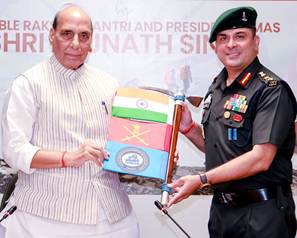
Defence Minister Rajnath Singh interacted with the expedition team during the flag-in ceremony.
He commended the courage and determination demonstrated by the climbers and described the expedition as an example of India's mountaineering excellence and its capabilities in adventure sports.
He also stated that achievements of this nature could encourage young people to pursue adventure and exploration.
16. What Is a Flag-In Ceremony?
In the context of an expedition, a flag-in ceremony generally marks the formal return or completion of the mission and recognises the participating team.
This differs from a flag-off ceremony, which generally takes place when an expedition or mission begins.
The NIMAS expedition had already completed its 20 summit ascents when it was formally flagged-in by the Defence Minister on 25 September 2026.
17. Where Was the Flag-In Ceremony Held?
The flag-in ceremony was held at Kartavya Bhavan-2 in New Delhi.
Defence Minister Rajnath Singh interacted with the climbers during the ceremony.
Defence Secretary Rajesh Kumar Singh and other senior officials of the Ministry of Defence were also present.
18. Who Is Colonel Ranveer Singh Jamwal?
Colonel Ranveer Singh Jamwal led the 20-member NIMAS team that completed the expedition.
For this current-affairs event, his name should be directly associated with the First Ascent Mountaineering Expedition, NIMAS and the 20 previously unclimbed peaks in Ladakh.
Students should avoid confusing the expedition leader with officials who participated in the flag-in ceremony.
19. Which Three Areas Should Students Remember?
The three areas specifically named by the Ministry of Defence are Chamser-Lungser, Gyama Nala and Chokula.
All three are associated with the Ladakh Range in the context of this expedition.
The 20 first-ever recorded summits were achieved across these areas.
These geographical names can be particularly useful for statement-based current-affairs questions.
20. Why Was Teamwork Important?
High-altitude mountaineering is inherently dependent on cooperation among climbers.
Teams may need to share equipment, establish routes, manage ropes, monitor weather, assess risks and support members during difficult sections of a climb.
Completing 20 first ascents in 23 days would require close coordination of climbing schedules, logistics and recovery.
The Ministry of Defence therefore specifically identified teamwork as one of the qualities demonstrated by the expedition.
21. Why Was Planning Important?
An expedition attempting multiple previously unclimbed peaks must consider routes, altitude profiles, weather, supplies, equipment and emergency options.
Unlike a single summit attempt, a multi-peak expedition must repeatedly reorganise personnel and resources for different climbing objectives.
The achievement of 20 summits in 23 days indicates the importance of advance planning and operational coordination.
22. What Is the Importance of Technical Expertise?
Mountain terrain can include steep rock, snow, ice and exposed sections where technical climbing skills may be necessary.
Climbers must understand the use of ropes and other specialised equipment as appropriate to terrain and conditions.
Technical expertise also involves assessing whether a planned route can be attempted safely under prevailing conditions.
The Ministry of Defence highlighted technical expertise as a central feature of the NIMAS team's achievement.
23. What Is the Geographical Importance of the Ladakh Range?
The Ladakh Range forms part of the high mountain landscape of the Trans-Himalayan region.
Ladakh's physical geography is characterised by high elevations, rugged terrain and cold-arid conditions.
For competitive examinations, the expedition can therefore be connected not only with current affairs and defence-related institutions but also with Indian geography and high-altitude environments.
24. How Is the Expedition Relevant to Adventure Tourism?
Mountaineering and other adventure sports can contribute to awareness of India's high-altitude landscapes and specialised outdoor activities.
However, responsible adventure activity requires trained participants, safety systems and sensitivity to fragile mountain environments.
The Ministry of Defence specifically presented the expedition as an initiative promoting adventure and exploration in high-altitude frontiers.
25. What Is the Difference Between Mountaineering and Trekking?
Trekking generally involves travelling on mountain trails or routes and may not require the same level of technical climbing skills as mountaineering.
Mountaineering can involve summit objectives, snow and ice, steep terrain, ropes and specialised climbing techniques.
The NIMAS mission was a high-altitude mountaineering expedition because its objective was to summit previously unclimbed peaks above 6,000 metres.
26. Why Is the 20-Member Team Figure Important?
The expedition consisted of 20 highly skilled climbers from NIMAS.
Interestingly, the team achieved first recorded ascents of 20 peaks, but students should not assume that each climber individually climbed one separate peak. The official release describes the accomplishment collectively as the achievement of the expedition team.
This distinction is important when interpreting numerical information in current-affairs questions.
27. What Does the Expedition Demonstrate About High-Altitude Capability?
The successful completion of multiple first ascents demonstrates the ability to plan and execute technically demanding operations in high-altitude terrain.
According to the Ministry of Defence, the expedition reflected India's capabilities in high-altitude mountaineering and strengthened its presence on the global mountaineering map.
This is an official assessment associated with the expedition and should be understood in the context of mountaineering and adventure sports.
28. What Were the Main Numerical Highlights?
The expedition consisted of 20 skilled climbers.
They recorded first ascents of 20 previously unclimbed peaks.
Every peak was above 6,000 metres.
The entire achievement was completed in 23 days.
The expedition was formally flagged-in on 25 September 2026.
These four numbers—20 climbers, 20 peaks, above 6,000 metres and 23 days—form the most important numerical combination for examination purposes.
29. Why Is This Useful for Competitive Examinations?
The story combines current affairs, Indian geography, defence institutions and adventure sports.
UPSC and State PCS examinations may connect the event with the geography of Ladakh, high-altitude environments, adventure institutions or statement-based current affairs.
SSC, Railway, Defence and other examinations may ask direct questions about NIMAS, its location, the expedition leader, number of peaks, altitude or the areas in which the first ascents occurred.
30. What Should Students Remember?
On 25 September 2026, Defence Minister Rajnath Singh flagged-in the NIMAS First Ascent Mountaineering Expedition at Kartavya Bhavan-2 in New Delhi. A team of 20 highly skilled climbers from NIMAS, Dirang, led by Colonel Ranveer Singh Jamwal, had completed first-ever recorded ascents of 20 previously unclimbed peaks above 6,000 metres in the Ladakh Range in only 23 days. The peaks were located in the Chamser-Lungser, Gyama Nala and Chokula areas.
The expedition highlighted planning, technical expertise, endurance and teamwork and was organised to promote adventure and exploration in India's high-altitude frontiers. Defence Secretary Rajesh Kumar Singh and other senior Ministry of Defence officials were present at the flag-in ceremony.
The most important examination association is: NIMAS—Dirang, Arunachal Pradesh—Colonel Ranveer Singh Jamwal—20 climbers—20 previously unclimbed peaks—above 6,000 metres—23 days—Ladakh Range—Chamser-Lungser, Gyama Nala and Chokula.
क्या हुआ?
National Institute of Mountaineering and Adventure Sports अर्थात NIMAS, Dirang की 20 सदस्यीय टीम ने लद्दाख रेंज में 6,000 मीटर से अधिक ऊँची 20 ऐसी पर्वत चोटियों पर सफलतापूर्वक चढ़ाई की जिन पर पहले कोई दर्ज आरोहण नहीं हुआ था। टीम ने यह उपलब्धि केवल 23 दिनों में हासिल की। 25 सितंबर 2026 को रक्षा मंत्री राजनाथ सिंह ने नई दिल्ली में First Ascent Mountaineering Expedition का औपचारिक flag-in किया। अभियान का नेतृत्व कर्नल रणवीर सिंह जमवाल ने किया और यह लद्दाख के Chamser-Lungser, Gyama Nala तथा Chokula क्षेत्रों में संचालित हुआ।
1. नवीनतम घटनाक्रम क्या है?
रक्षा मंत्री राजनाथ सिंह ने लद्दाख में अभियान की सफल समाप्ति के बाद 25 सितंबर 2026 को First Ascent Mountaineering Expedition का flag-in किया।
रक्षा मंत्रालय के अनुसार टीम ने 6,000 मीटर से अधिक ऊँची 20 ऐसी चोटियों पर पहली बार दर्ज सफल चढ़ाई की जिन पर इससे पहले कोई recorded ascent नहीं था।
केवल 23 दिनों में 20 first ascents पूरा करना इस अभियान की सबसे महत्वपूर्ण विशेषताओं में से एक है।
2. अभियान किसने किया?
यह अभियान National Institute of Mountaineering and Adventure Sports अर्थात NIMAS के 20 अत्यधिक प्रशिक्षित पर्वतारोहियों की टीम ने किया।
NIMAS अरुणाचल प्रदेश के Dirang में स्थित है।
यह संस्थान पर्वतारोहण और adventure sports से संबंधित विशेष प्रशिक्षण तथा गतिविधियों से जुड़ा है।
3. अभियान का नेतृत्व किसने किया?
इस अभियान का नेतृत्व Colonel Ranveer Singh Jamwal ने किया।
उन्होंने 20 सदस्यीय NIMAS टीम का नेतृत्व किया।
ऐसे high-altitude expedition में नेतृत्व के अंतर्गत route planning, acclimatisation, technical climbing decisions, safety management, logistics और team coordination जैसी अनेक जिम्मेदारियाँ होती हैं।
4. टीम ने वास्तव में क्या उपलब्धि हासिल की?
रक्षा मंत्रालय के अनुसार टीम ने 20 ऐसी चोटियों के summit तक पहुँचकर first recorded ascents पूरे किए जिन पर पहले कोई दर्ज आरोहण नहीं हुआ था।
सभी चोटियों की ऊँचाई 6,000 मीटर से अधिक थी।
इन्हें Ladakh Range के निर्धारित क्षेत्रों में 20 previously unclimbed peaks के first-ever recorded summits बताया गया।
First ascent और सामान्य ascent में अंतर समझना महत्वपूर्ण है। First ascent किसी पर्वत, चोटी या मान्यता प्राप्त route पर पहली documented successful climb को दर्शाता है।
5. अभियान कितने दिनों में पूरा हुआ?
टीम ने 20 first ascents केवल 23 दिनों में पूरे किए।
इस दौरान पर्वतारोहियों को लगातार high-altitude conditions में कार्य करते हुए अलग-अलग climbing objectives के बीच movement, weather, terrain, equipment और physical recovery का प्रबंधन करना पड़ा।
रक्षा मंत्रालय ने planning, technical expertise, endurance और teamwork को अभियान की प्रमुख विशेषताओं के रूप में रेखांकित किया।
6. अभियान कहाँ आयोजित हुआ?
अभियान Ladakh Range में आयोजित हुआ।
First ascents Chamser-Lungser, Gyama Nala और Chokula क्षेत्रों में किए गए।
प्रतियोगी परीक्षाओं के लिए ये तीन geographical names महत्वपूर्ण हैं क्योंकि आधिकारिक release में इन्हें 20 previously unclimbed peaks की location के रूप में विशेष रूप से बताया गया है।
7. High-Altitude Expedition के लिए Ladakh क्यों महत्वपूर्ण है?
लद्दाख में व्यापक high-altitude mountain terrain पाया जाता है। यहाँ rugged landscape, कम atmospheric oxygen, अत्यधिक ठंड और ऊँचाई में बड़े परिवर्तन जैसी परिस्थितियाँ होती हैं।
ऐसे terrain में mountaineering के लिए specialised preparation और equipment की आवश्यकता होती है।
अभियान का उद्देश्य भारत के high-altitude frontiers में adventure और exploration की भावना को बढ़ावा देना और भविष्य के पर्वतारोहियों को प्रेरित करना भी था।
8. 6,000 मीटर से अधिक ऊँचाई का क्या महत्व है?
ऊँचाई बढ़ने के साथ atmospheric pressure कम होता है और sea level की तुलना में प्रत्येक साँस के साथ शरीर को कम oxygen उपलब्ध होती है।
इसी कारण climbers को acclimatisation की आवश्यकता होती है ताकि शरीर धीरे-धीरे कम oxygen वाली परिस्थितियों के अनुरूप स्वयं को ढाल सके।
ठंड, तेज हवा, बर्फ, कठिन terrain और तेजी से बदलता मौसम चुनौती को और बढ़ा सकते हैं।
इसलिए सभी 20 peaks का 6,000 मीटर से अधिक ऊँचा होना अभियान की उपलब्धि का महत्वपूर्ण हिस्सा है।
9. Acclimatisation क्या है?
Acclimatisation वह physiological process है जिसके माध्यम से मानव शरीर अधिक ऊँचाई पर कम oxygen availability के अनुरूप धीरे-धीरे स्वयं को ढालता है।
Mountaineers सामान्यतः altitude को धीरे-धीरे बढ़ाते हैं और शरीर को adaptation के लिए समय देते हैं।
High-altitude expedition planning में उचित acclimatisation महत्वपूर्ण है क्योंकि बहुत तेजी से ऊँचाई बढ़ाने पर altitude-related illness का जोखिम बढ़ सकता है।
10. Mountaineering में First Ascent क्यों महत्वपूर्ण है?
First ascent किसी पर्वत, चोटी या recognised route की पहली documented successful climb को कहा जाता है।
ऐसे अभियान में exploratory planning अधिक महत्वपूर्ण हो सकती है क्योंकि पहले से उपलब्ध climbing information सीमित हो सकती है।
Route assessment, terrain analysis, navigation, weather evaluation और technical climbing decisions का महत्व बढ़ जाता है।
Ladakh expedition में सभी 20 summits को previously unclimbed peaks के first-ever recorded ascents बताया गया है।
11. ऐसे अभियान के लिए किन कौशलों की आवश्यकता होती है?
High-altitude mountaineering में physical endurance, technical climbing ability, navigation, rope work, snow और ice movement, risk assessment, equipment management और teamwork जैसे कौशल आवश्यक हो सकते हैं।
Climbers को weather, terrain और अपने स्वास्थ्य की स्थिति के आधार पर निर्णय लेने होते हैं।
रक्षा मंत्रालय ने NIMAS expedition में exceptional planning, technical expertise, endurance और teamwork को विशेष रूप से रेखांकित किया।
12. NIMAS क्या है?
NIMAS का पूरा नाम National Institute of Mountaineering and Adventure Sports है।
यह अरुणाचल प्रदेश के Dirang में स्थित है।
यह संस्थान mountaineering और adventure sports से संबंधित training तथा activities से जुड़ा है।
प्रतियोगी परीक्षाओं के लिए NIMAS—Dirang—Arunachal Pradesh का संबंध याद रखना महत्वपूर्ण है।
13. Adventure Sports में NIMAS क्यों महत्वपूर्ण है?
NIMAS जैसे संस्थान adventure activities और high-altitude expeditions के लिए आवश्यक specialised skills विकसित करने में भूमिका निभाते हैं।
Mountaineering केवल physical fitness पर निर्भर नहीं करता। इसमें technical training, mountain environment की समझ, specialised equipment का उपयोग, emergency preparedness और disciplined teamwork भी आवश्यक है।
Ladakh expedition ऐसे training के वास्तविक high-altitude environment में उपयोग का उदाहरण है।
14. अभियान का उद्देश्य क्या था?
रक्षा मंत्रालय के अनुसार अभियान का आयोजन high-altitude frontiers में adventure और exploration की भावना को बढ़ावा देने के लिए किया गया था।
इसका एक अन्य उद्देश्य भविष्य की पीढ़ियों के पर्वतारोहियों को प्रेरित करना था।
अभियान ने high-altitude mountaineering में भारतीय क्षमताओं का प्रदर्शन किया और देश की mountaineering achievements में नए recorded ascents जोड़े।
15. रक्षा मंत्री ने अभियान के बारे में क्या कहा?
रक्षा मंत्री राजनाथ सिंह ने flag-in ceremony के दौरान expedition team से बातचीत की।
उन्होंने पर्वतारोहियों के साहस और दृढ़ संकल्प की सराहना की और इस उपलब्धि को भारत की mountaineering excellence तथा adventure sports capabilities के प्रदर्शन के रूप में प्रस्तुत किया।
उन्होंने यह भी कहा कि ऐसी उपलब्धियाँ युवाओं को adventure और exploration की दिशा में प्रेरित कर सकती हैं।
16. Flag-In Ceremony क्या होती है?
Expedition के संदर्भ में flag-in ceremony सामान्यतः किसी mission या अभियान की सफल वापसी अथवा completion को औपचारिक रूप से चिह्नित करती है।
यह flag-off ceremony से अलग होती है, जो सामान्यतः अभियान की शुरुआत में होती है।
NIMAS team अपने 20 summit ascents पूरे कर चुकी थी जब 25 सितंबर 2026 को Defence Minister ने expedition को formally flag-in किया।
17. Flag-In Ceremony कहाँ हुई?
Flag-in ceremony नई दिल्ली के Kartavya Bhavan-2 में आयोजित हुई।
रक्षा मंत्री राजनाथ सिंह ने इस अवसर पर climbers से बातचीत की।
Defence Secretary Rajesh Kumar Singh और Ministry of Defence के अन्य senior officials भी समारोह में उपस्थित थे।
18. Colonel Ranveer Singh Jamwal कौन हैं?
Colonel Ranveer Singh Jamwal ने 20 सदस्यीय NIMAS team का नेतृत्व किया जिसने यह expedition पूरा किया।
इस current-affairs घटना के संदर्भ में उनका नाम First Ascent Mountaineering Expedition, NIMAS और Ladakh की 20 previously unclimbed peaks के साथ याद रखना चाहिए।
विद्यार्थियों को expedition leader और flag-in ceremony में उपस्थित अन्य अधिकारियों के बीच भ्रम नहीं करना चाहिए।
19. कौन-से तीन क्षेत्र याद रखने चाहिए?
रक्षा मंत्रालय द्वारा विशेष रूप से बताए गए तीन क्षेत्र Chamser-Lungser, Gyama Nala और Chokula हैं।
इस expedition के संदर्भ में तीनों Ladakh Range से संबंधित हैं।
20 first-ever recorded summits इन्हीं क्षेत्रों में किए गए।
Statement-based current-affairs questions के लिए ये geographical names महत्वपूर्ण हो सकते हैं।
20. Teamwork क्यों महत्वपूर्ण था?
High-altitude mountaineering में climbers के बीच cooperation अत्यंत महत्वपूर्ण होता है।
Teams को equipment साझा करने, routes establish करने, ropes manage करने, weather monitor करने और difficult sections में एक-दूसरे की सहायता करने की आवश्यकता हो सकती है।
23 दिनों में 20 first ascents पूरे करने के लिए climbing schedules, logistics और recovery का निकट coordination आवश्यक था।
इसी कारण रक्षा मंत्रालय ने teamwork को अभियान की प्रमुख विशेषता बताया।
21. Planning क्यों महत्वपूर्ण थी?
Multiple previously unclimbed peaks के expedition में routes, altitude profiles, weather, supplies, equipment और emergency options की योजना बनानी होती है।
Single summit attempt की तुलना में multi-peak expedition में अलग-अलग climbing objectives के लिए personnel और resources को बार-बार व्यवस्थित करना पड़ सकता है।
23 दिनों में 20 summits पूरा करना advance planning और operational coordination के महत्व को दर्शाता है।
22. Technical Expertise का क्या महत्व है?
Mountain terrain में steep rock, snow, ice और exposed sections हो सकते हैं जहाँ technical climbing skills की आवश्यकता पड़ती है।
Terrain और परिस्थितियों के अनुसार climbers को ropes और अन्य specialised equipment के उपयोग की जानकारी होनी चाहिए।
Technical expertise में prevailing conditions के अनुसार route की feasibility और risk का आकलन करना भी शामिल है।
रक्षा मंत्रालय ने NIMAS team की उपलब्धि में technical expertise को प्रमुख तत्व बताया।
23. Ladakh Range का भौगोलिक महत्व क्या है?
Ladakh Range Trans-Himalayan region के high mountain landscape का हिस्सा है।
Ladakh की physical geography high elevation, rugged terrain और cold-arid conditions के लिए जानी जाती है।
इसलिए competitive examinations में इस expedition को current affairs और defence-related institutions के साथ Indian geography तथा high-altitude environment से भी जोड़ा जा सकता है।
24. Adventure Tourism के लिए यह अभियान क्यों महत्वपूर्ण है?
Mountaineering और अन्य adventure sports भारत के high-altitude landscapes तथा specialised outdoor activities के बारे में जागरूकता बढ़ा सकते हैं।
लेकिन responsible adventure activity के लिए trained participants, safety systems और fragile mountain environments के प्रति संवेदनशीलता आवश्यक है।
रक्षा मंत्रालय ने अभियान को high-altitude frontiers में adventure और exploration को बढ़ावा देने वाली पहल के रूप में प्रस्तुत किया।
25. Mountaineering और Trekking में क्या अंतर है?
Trekking सामान्यतः mountain trails या routes पर यात्रा करने से संबंधित होती है और इसमें हमेशा mountaineering जैसी technical climbing skills की आवश्यकता नहीं होती।
Mountaineering में summit objectives, snow, ice, steep terrain, ropes और specialised climbing techniques शामिल हो सकती हैं।
NIMAS mission एक high-altitude mountaineering expedition था क्योंकि इसका उद्देश्य 6,000 मीटर से अधिक ऊँची previously unclimbed peaks पर summit करना था।
26. 20 सदस्यीय Team का आँकड़ा क्यों महत्वपूर्ण है?
Expedition में NIMAS के 20 highly skilled climbers शामिल थे।
दिलचस्प रूप से team ने 20 peaks के first recorded ascents भी पूरे किए, लेकिन यह मानना सही नहीं होगा कि प्रत्येक climber ने अलग-अलग एक peak पर अकेले चढ़ाई की। Official release इस उपलब्धि को पूरी expedition team की collective achievement बताता है।
Current-affairs questions में numerical information की सही interpretation के लिए यह अंतर महत्वपूर्ण है।
27. Expedition High-Altitude Capability के बारे में क्या दर्शाता है?
Multiple first ascents की सफल completion technically demanding high-altitude terrain में complex expedition को plan और execute करने की क्षमता दिखाती है।
रक्षा मंत्रालय के अनुसार इस अभियान ने high-altitude mountaineering में भारत की क्षमताओं को प्रदर्शित किया और global mountaineering map पर उसकी उपस्थिति को मजबूत किया।
इसे mountaineering और adventure sports के संदर्भ में आधिकारिक आकलन के रूप में समझना चाहिए।
28. सबसे महत्वपूर्ण Numerical Highlights क्या हैं?
Expedition team में 20 skilled climbers थे।
उन्होंने 20 previously unclimbed peaks पर first recorded ascents किए।
प्रत्येक peak 6,000 metres से अधिक ऊँची थी।
यह उपलब्धि 23 दिनों में पूरी की गई।
Expedition को 25 सितंबर 2026 को formally flag-in किया गया।
परीक्षा के लिए 20 climbers, 20 peaks, above 6,000 metres और 23 days का combination विशेष रूप से महत्वपूर्ण है।
29. Competitive Examinations के लिए यह क्यों महत्वपूर्ण है?
यह घटना current affairs, Indian geography, defence institutions और adventure sports को एक साथ जोड़ती है।
UPSC और State PCS में इसे Ladakh geography, high-altitude environment, adventure institutions या statement-based current affairs से जोड़ा जा सकता है।
SSC, Railway, Defence और अन्य परीक्षाओं में NIMAS, उसकी location, expedition leader, peaks की संख्या, altitude और expedition areas पर direct questions पूछे जा सकते हैं।
30. विद्यार्थियों को क्या याद रखना चाहिए?
25 सितंबर 2026 को Defence Minister Rajnath Singh ने नई दिल्ली के Kartavya Bhavan-2 में NIMAS First Ascent Mountaineering Expedition का flag-in किया। NIMAS, Dirang की 20 highly skilled climbers की team ने Colonel Ranveer Singh Jamwal के नेतृत्व में Ladakh Range की 6,000 metres से अधिक ऊँची 20 previously unclimbed peaks पर first-ever recorded ascents केवल 23 दिनों में पूरे किए। ये peaks Chamser-Lungser, Gyama Nala और Chokula क्षेत्रों में स्थित थीं।
Expedition ने planning, technical expertise, endurance और teamwork का प्रदर्शन किया तथा इसका उद्देश्य high-altitude frontiers में adventure और exploration को बढ़ावा देना था। Flag-in ceremony में Defence Secretary Rajesh Kumar Singh और Ministry of Defence के अन्य senior officials भी उपस्थित थे।
परीक्षा के लिए सबसे महत्वपूर्ण association है: NIMAS—Dirang, Arunachal Pradesh—Colonel Ranveer Singh Jamwal—20 climbers—20 previously unclimbed peaks—6,000 metres से अधिक—23 days—Ladakh Range—Chamser-Lungser, Gyama Nala और Chokula।
Key Facts
• The First Ascent Mountaineering Expedition was formally flagged-in on 25 September 2026.
• The expedition was undertaken by the National Institute of Mountaineering and Adventure Sports.
• NIMAS stands for National Institute of Mountaineering and Adventure Sports.
• NIMAS is located at Dirang in Arunachal Pradesh.
• The expedition team consisted of 20 highly skilled climbers.
• The expedition was led by Colonel Ranveer Singh Jamwal.
• The team recorded first ascents of 20 previously unclimbed peaks.
• All 20 peaks were above 6,000 metres.
• The 20 summits were completed in just 23 days.
• The expedition took place in the Ladakh Range.
• The summits were located in the Chamser-Lungser, Gyama Nala and Chokula areas.
• The Ministry of Defence described the climbs as the first-ever recorded summits of these 20 peaks.
• The expedition highlighted planning, technical expertise, endurance and teamwork.
• It was organised to promote adventure and exploration in high-altitude frontiers.
• The expedition also aimed to inspire future generations of mountaineers.
• Defence Minister Rajnath Singh flagged-in the expedition.
• The flag-in ceremony was held at Kartavya Bhavan-2 in New Delhi.
• Defence Secretary Rajesh Kumar Singh attended the ceremony.
• Senior officials of the Ministry of Defence were also present.
• The expedition demonstrated specialised high-altitude mountaineering capability.
मुख्य तथ्य
• First Ascent Mountaineering Expedition का औपचारिक flag-in 25 सितंबर 2026 को किया गया।
• अभियान National Institute of Mountaineering and Adventure Sports ने किया।
• NIMAS का पूरा नाम National Institute of Mountaineering and Adventure Sports है।
• NIMAS अरुणाचल प्रदेश के Dirang में स्थित है।
• Expedition team में 20 highly skilled climbers शामिल थे।
• अभियान का नेतृत्व Colonel Ranveer Singh Jamwal ने किया।
• Team ने 20 previously unclimbed peaks के first ascents किए।
• सभी 20 peaks की ऊँचाई 6,000 metres से अधिक थी।
• 20 summits केवल 23 दिनों में पूरे किए गए।
• Expedition Ladakh Range में आयोजित हुआ।
• Summits Chamser-Lungser, Gyama Nala और Chokula क्षेत्रों में स्थित थे।
• रक्षा मंत्रालय ने इन्हें इन 20 peaks के first-ever recorded summits बताया।
• Expedition ने planning, technical expertise, endurance और teamwork को प्रदर्शित किया।
• अभियान high-altitude frontiers में adventure और exploration को बढ़ावा देने के लिए आयोजित किया गया।
• इसका उद्देश्य future generations of mountaineers को प्रेरित करना भी था।
• Defence Minister Rajnath Singh ने expedition का flag-in किया।
• Flag-in ceremony Kartavya Bhavan-2, New Delhi में आयोजित हुई।
• Defence Secretary Rajesh Kumar Singh समारोह में उपस्थित थे।
• Ministry of Defence के अन्य senior officials भी उपस्थित थे।
• Expedition ने specialised high-altitude mountaineering capability का प्रदर्शन किया।
Background
The National Institute of Mountaineering and Adventure Sports at Dirang in Arunachal Pradesh undertakes activities associated with mountaineering and adventure sports. In 2026, a 20-member NIMAS team led by Colonel Ranveer Singh Jamwal undertook a First Ascent Mountaineering Expedition in the Ladakh Range. The team recorded first-ever ascents of 20 previously unclimbed peaks above 6,000 metres across the Chamser-Lungser, Gyama Nala and Chokula areas and completed the achievement in 23 days. Defence Minister Rajnath Singh formally flagged-in the expedition at Kartavya Bhavan-2 in New Delhi on 25 September 2026.
पृष्ठभूमि
अरुणाचल प्रदेश के Dirang में स्थित National Institute of Mountaineering and Adventure Sports पर्वतारोहण और adventure sports से संबंधित गतिविधियाँ करता है। 2026 में Colonel Ranveer Singh Jamwal के नेतृत्व में 20 सदस्यीय NIMAS team ने Ladakh Range में First Ascent Mountaineering Expedition किया। Team ने Chamser-Lungser, Gyama Nala और Chokula क्षेत्रों में 6,000 metres से अधिक ऊँची 20 previously unclimbed peaks के first-ever recorded ascents किए और यह उपलब्धि 23 दिनों में पूरी की। Defence Minister Rajnath Singh ने 25 सितंबर 2026 को New Delhi के Kartavya Bhavan-2 में expedition का औपचारिक flag-in किया।
Why It Matters
The expedition is important because it combines exploration, high-altitude technical capability, endurance and institutional training. Recording first ascents of 20 previously unclimbed peaks above 6,000 metres within 23 days required extensive planning and teamwork. The event is also relevant to the geography of Ladakh, India's adventure-sports institutions and the development of specialised mountaineering skills.
यह क्यों महत्वपूर्ण है?
यह expedition महत्वपूर्ण है क्योंकि इसमें exploration, high-altitude technical capability, endurance और institutional training का संयोजन दिखाई देता है। 23 दिनों में 6,000 metres से अधिक ऊँची 20 previously unclimbed peaks पर first recorded ascents के लिए व्यापक planning और teamwork की आवश्यकता थी। यह घटना Ladakh की geography, भारत की adventure-sports institutions और specialised mountaineering skills के विकास के दृष्टिकोण से भी महत्वपूर्ण है।
Exam Connection
Remember: First Ascent Mountaineering Expedition—NIMAS; NIMAS location—Dirang, Arunachal Pradesh; expedition leader—Colonel Ranveer Singh Jamwal; team strength—20 climbers; achievement—20 first-ever recorded summits of previously unclimbed peaks; altitude—all above 6,000 metres; duration—23 days; location—Ladakh Range; areas—Chamser-Lungser, Gyama Nala and Chokula; flag-in date—25 September 2026; flag-in venue—Kartavya Bhavan-2, New Delhi; flag-in by—Defence Minister Rajnath Singh.
परीक्षा से संबंध
याद रखें: First Ascent Mountaineering Expedition—NIMAS; NIMAS का स्थान—Dirang, Arunachal Pradesh; expedition leader—Colonel Ranveer Singh Jamwal; team—20 climbers; उपलब्धि—20 previously unclimbed peaks के first-ever recorded summits; ऊँचाई—सभी 6,000 metres से अधिक; अवधि—23 days; स्थान—Ladakh Range; क्षेत्र—Chamser-Lungser, Gyama Nala और Chokula; flag-in date—25 सितंबर 2026; venue—Kartavya Bhavan-2, New Delhi; flag-in—Defence Minister Rajnath Singh।
 History Geography General Science Economy
 Geography Competitive Examinations Navigating Paperback