What Happened
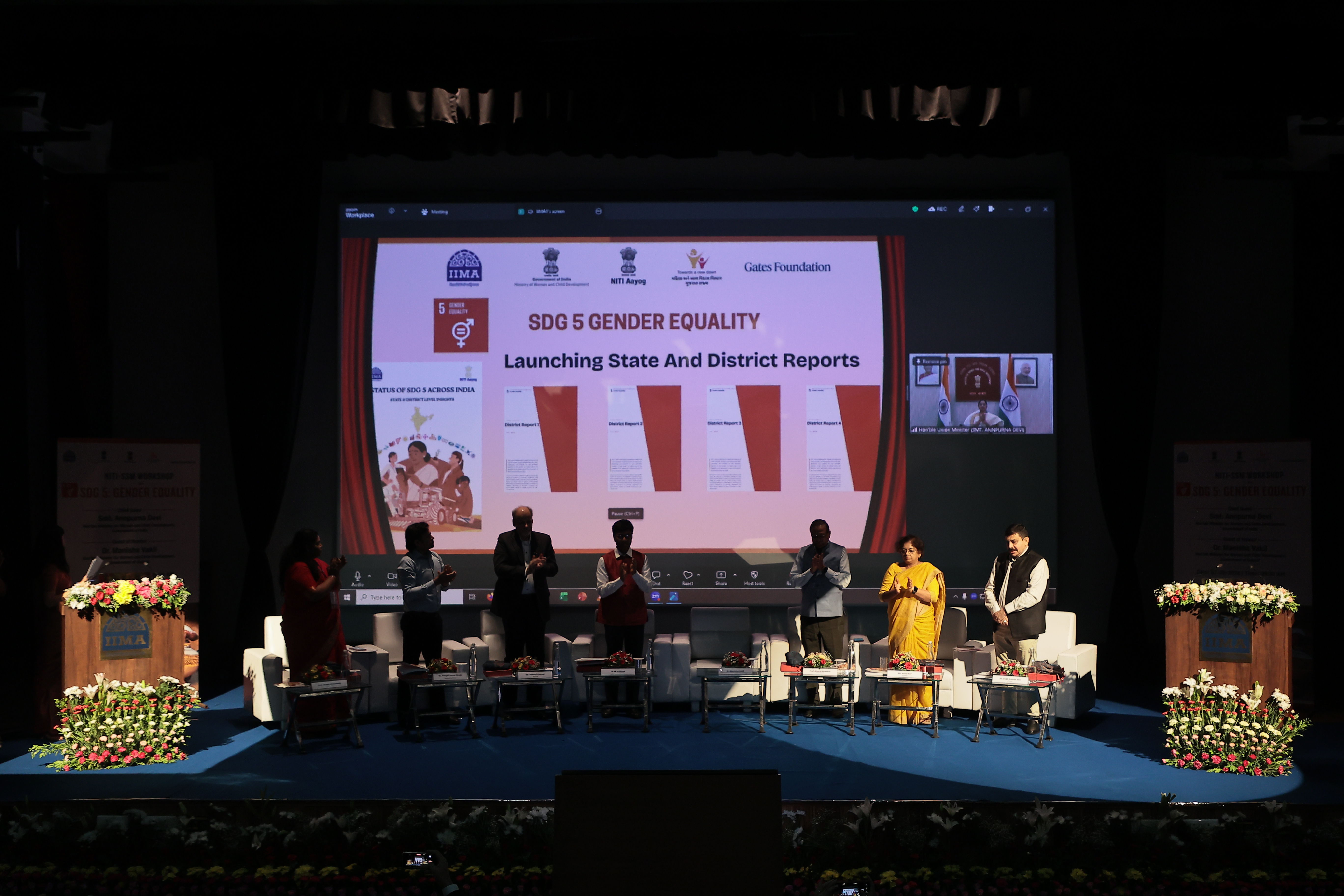
NITI Aayog, in collaboration with the Government of West Bengal and with technical support from the United Nations Development Programme (UNDP), organised a National Workshop on SDG Budgeting in Kolkata on 29 September 2026. The official details of the workshop were released by the Press Information Bureau on 2 October 2026.
The workshop was organised under NITI Aayog's State Support Mission and focused on strengthening the connection between government planning, public expenditure and the Sustainable Development Goals (SDGs). A major area of discussion was SDG budget tagging — a process through which government expenditure can be mapped to specific Sustainable Development Goals and targets so that policymakers can better understand how financial allocations contribute to development outcomes.
Participants from 32 States and Union Territories attended the workshop, along with representatives of major public institutions, international organisations and the private sector. The discussions covered the design of SDG budget tagging, integration with the annual budget cycle, accountability, reporting, performance audit and the role of private investment in sustainable development.
1. What Happened?
NITI Aayog organised a National Workshop on SDG Budgeting in Kolkata on 29 September 2026.
The workshop was held in collaboration with the Government of West Bengal and with technical support from UNDP.
It was organised under NITI Aayog's State Support Mission, commonly abbreviated as SSM.
The Press Information Bureau published the official details on 2 October 2026.
2. What Was the Main Objective?
The central objective was to strengthen the alignment of government planning and budgeting with the Sustainable Development Goals.
The workshop examined how financial allocations can be connected with specific development goals and ultimately with measurable outcomes.
The approach is important because allocating money to a programme does not by itself show which development target is being supported or whether the intended outcome is being achieved.
3. What Is SDG Budgeting?
SDG budgeting refers broadly to the process of connecting government budgets and expenditure with the Sustainable Development Goals and their targets.
It helps governments examine how public resources are contributing to goals such as poverty reduction, health, education, gender equality, clean water, sustainable energy, economic growth, infrastructure, reduced inequalities and environmental protection.
It therefore creates a bridge between financial planning and development planning.
4. What Is SDG Budget Tagging?
SDG budget tagging is a mechanism through which expenditure is identified and mapped to relevant Sustainable Development Goals and targets.
For example, expenditure on drinking-water infrastructure may contribute to SDG 6, while expenditure on school education can be linked to SDG 4.
The purpose is not merely to label expenditure. Effective tagging can help governments understand where resources are being directed, identify gaps and assess whether spending priorities correspond with development objectives.
5. How Many States and Union Territories Participated?
The workshop brought together participants from 32 States and Union Territories.
This made it a national-level exercise in sharing experiences and developing institutional approaches to SDG budgeting.
Representatives from Haryana, Odisha, Meghalaya and West Bengal specifically shared their experiences regarding implementation and institutionalisation of SDG budgeting.
6. Which Major Institutions Participated?
Apart from NITI Aayog and the Government of West Bengal, participants included officials and representatives from the Comptroller and Auditor General of India and its offices, Ministry of Statistics and Programme Implementation, Controller General of Accounts, Department of Public Enterprises and Indian Institute of Corporate Affairs.
UNDP and the United Nations Resident Coordinator Office also participated.
Representatives from organisations including FICCI, CII, SEBI, Tata Steel Foundation, Intellecap and GIZ were involved in the wider deliberations.
7. Why Was the Comptroller and Auditor General Important?
The involvement of the Comptroller and Auditor General of India is important because SDG budgeting is not limited to allocating expenditure.
Accountability, reconciliation, reporting, quality assurance and performance audit are also necessary to assess how public resources are managed and whether expenditure can be linked to intended outcomes.
The workshop discussed the role of accountability mechanisms, including performance audit.
8. What Guide Was Discussed?
The workshop discussed the Guide on Mapping State Budgets to the SDGs.
This guide was jointly developed by NITI Aayog, the Comptroller and Auditor General of India and UNDP.
It was presented as a practical framework for helping States align their budgets with the Sustainable Development Goals.
9. What Did West Bengal Report?
According to the official release, West Bengal stated that it had, for the first time, mapped its budget to the goal level of the Sustainable Development Goals.
The exercise has also been integrated into the State's Integrated Financial Management System.
This is significant because integration with the financial management system can help make SDG mapping part of the regular budgeting process rather than a separate exercise conducted after the budget is prepared.
10. What Were the Four Technical Sessions About?
The workshop contained four technical sessions dealing with the design elements of SDG budget tagging.
These discussions included identification of expenditure that should be tagged, selection of the appropriate level of tagging, linkage with the Head of Accounts, tagging expenditure to specific SDG Targets, attribution using NITI Aayog's Scheme-SDG mapping and assignment of values.
These elements are important because an effective tagging system requires consistent rules rather than arbitrary classification of expenditure.
11. What Is the Head of Accounts Connection?
Government budgets use accounting classifications through which expenditure is recorded and monitored.
The workshop discussed linking SDG tags with the Head of Accounts so that sustainable-development information can be connected with the government's existing financial accounting structure.
Such integration can make SDG budgeting more systematic and capable of being incorporated into normal financial administration.
12. What Is Scheme-SDG Mapping?
Scheme-SDG mapping involves connecting government schemes with the Sustainable Development Goals and targets to which those schemes contribute.
NITI Aayog's Scheme-SDG mapping was discussed as a basis for attribution in the budget-tagging process.
This can help identify which government interventions are contributing to particular development priorities.
13. Why Is the Annual Budget Cycle Important?
The workshop emphasised that SDG priorities should be embedded within the annual budget cycle.
If SDG analysis is conducted only after expenditure decisions have already been taken, it has limited ability to influence planning.
Integration with budget preparation allows development priorities to be considered when resources are being allocated.
14. What Accountability Issues Were Discussed?
Discussions covered institutional responsibilities, reconciliation, quality assurance, reporting and performance audit.
These mechanisms are important because the usefulness of budget tagging depends on the accuracy and consistency of the underlying classification.
Quality assurance can help prevent the same expenditure from being incorrectly classified or its contribution to a development goal from being overstated.
15. What Does Moving from Measurement to Implementation Mean?
India has developed various systems for measuring progress towards the SDGs. However, measuring indicators alone does not automatically improve development outcomes.
The workshop emphasised moving from measurement towards implementation by integrating development goals directly into planning, budgeting and governance processes.
In other words, SDG information should influence decisions about where public resources are allocated and how programmes are implemented.
16. Why Are Measurable Outcomes Important?
Public expenditure represents an input. Development outcomes represent the actual changes that expenditure is intended to achieve.
For example, money allocated to education is an input, while improved learning outcomes, enrolment or access can be considered development results.
The workshop focused on strengthening the connection between financial commitments and measurable outcomes at the sub-national level.
17. What Is the State Support Mission?
The National Workshop was organised under NITI Aayog's State Support Mission.
The State Support Mission provides a framework through which NITI Aayog works with States and Union Territories to strengthen institutional capacity and support development strategies.
In the context of this workshop, the Mission was used to advance SDG-aligned planning and budgeting at the State and Union Territory level.
18. Why Is the State Level Important for SDGs?
Many subjects directly connected with the SDGs involve substantial implementation responsibilities at State and local levels.
Health, education, water, sanitation, agriculture, social protection and infrastructure require extensive action by State governments and local institutions.
Consequently, achieving national SDG targets depends substantially on how development goals are translated into sub-national planning and expenditure.
19. What Is SDG Localisation?
SDG localisation means adapting and implementing the global Sustainable Development Goals according to national, State and local circumstances.
A global target becomes meaningful only when it is translated into policies, programmes, budgets, indicators and institutional responsibilities at the level where implementation occurs.
The experiences shared by States at the workshop reflected this approach to localisation.
20. What Is the Whole-of-Government Approach?
A whole-of-government approach recognises that development challenges often cross departmental boundaries.
For example, improving nutrition may involve health, food distribution, sanitation, drinking water, women's development and education departments.
SDG budgeting can help reveal such connections by mapping different government expenditures to common development goals.
21. What Is the Whole-of-Society Approach?
The whole-of-society approach extends sustainable-development efforts beyond government departments.
It recognises roles for businesses, civil society organisations, development partners, communities, academic institutions and other stakeholders.
The participation of public institutions, UN organisations, industry bodies and private-sector representatives in the workshop reflected this broader approach.
22. What Was Discussed About the Private Sector?
A dedicated session examined private-sector engagement with sustainable development.
The discussion covered enabling policy frameworks, innovative financing and responsible business conduct.
Representatives from Tata Steel Foundation, Intellecap, IICA, MoSPI, FICCI, GIZ, ITC Limited, CII and SEBI participated in this session.
23. How Does CSR Relate to SDGs?
The discussions highlighted India's framework for private-sector engagement, including Corporate Social Responsibility.
CSR expenditure can potentially be aligned with development priorities, although corporate expenditure and government budget expenditure remain distinct financial streams.
Better alignment can help organisations understand how their interventions relate to specific development goals.
24. What Is BRSR?
Business Responsibility and Sustainability Reporting, commonly abbreviated as BRSR, was mentioned in the context of India's framework for sustainable business practices.
BRSR provides a structured framework for sustainability-related reporting by applicable companies in India's securities-market ecosystem.
It is relevant to the wider discussion because sustainable development increasingly involves measurement of environmental, social and governance-related business performance.
25. What Is ESG?
ESG refers to Environmental, Social and Governance considerations.
The workshop discussions referred to ESG in capital markets while examining frameworks through which private-sector decision-making can incorporate sustainability.
For examination purposes, ESG should not be confused with the SDGs. ESG is commonly used in assessing organisational or investment-related environmental, social and governance factors, while the SDGs are 17 internationally agreed development goals under the UN 2030 Agenda.
26. What Is the Social Stock Exchange Connection?
The Social Stock Exchange was also mentioned among India's enabling mechanisms for social and sustainable investment.
It forms part of a broader financial ecosystem intended to facilitate engagement with social-development activities.
The workshop's private-sector discussion placed it alongside CSR, BRSR and ESG-related frameworks.
27. What Role Did UNDP Play?
UNDP provided technical support for the National Workshop.
It has also jointly developed the Guide on Mapping State Budgets to the SDGs with NITI Aayog and the CAG of India.
The workshop therefore combined domestic public-finance institutions with international technical expertise on sustainable development.
28. What Did the Workshop Say About CSR, Investment and Philanthropy?
The discussions highlighted the possibility of aligning CSR, investment and philanthropy with development priorities.
Such alignment can help different sources of finance contribute more coherently to development objectives.
However, these financial streams remain institutionally distinct, and alignment does not mean that private expenditure becomes government budget expenditure.
29. What Are the Sustainable Development Goals?
The Sustainable Development Goals are 17 global goals forming part of the 2030 Agenda for Sustainable Development adopted by United Nations Member States in 2015.
They cover economic, social and environmental dimensions of development.
The goals include ending poverty and hunger, improving health and education, achieving gender equality, ensuring clean water and energy, promoting decent work, building resilient infrastructure, reducing inequalities, creating sustainable cities, addressing climate change and strengthening partnerships.
30. How Many SDGs Are There?
There are 17 Sustainable Development Goals.
They are accompanied by 169 targets under the 2030 Agenda.
The year 2030 is the principal target horizon for the Agenda, making the remaining period particularly important for implementation and progress assessment.
31. When Were the SDGs Adopted?
The 2030 Agenda for Sustainable Development and its 17 Sustainable Development Goals were adopted by United Nations Member States in 2015.
The SDGs succeeded the Millennium Development Goals and created a broader universal framework integrating economic development, social well-being and environmental sustainability.
For competitive examinations, remember: SDGs — 17 goals — 169 targets — 2030 Agenda — adopted in 2015.
32. Why Is 2030 Important?
2030 is the target year of the Sustainable Development Agenda.
The NITI Aayog workshop described 2030 as a critical milestone while discussing India's longer-term development vision towards 2047.
This means States and Union Territories need to increasingly move from monitoring indicators towards implementing policies and allocating resources capable of producing measurable outcomes.
33. Why Is Budget Tagging Better Than Looking Only at Total Spending?
Total expenditure tells policymakers how much money has been allocated or spent, but it may not clearly reveal which development objectives are being supported.
Budget tagging adds an analytical layer by linking expenditure with specific goals and targets.
This can help identify under-funded priorities, overlaps among programmes and opportunities for better resource allocation.
34. Can Budget Tagging Alone Achieve the SDGs?
No. Budget tagging is an analytical and governance tool, not a substitute for effective policy implementation.
A programme may be correctly tagged to an SDG but still fail to produce the intended result because of implementation weaknesses, inadequate funding, poor targeting or other constraints.
Therefore, tagging needs to be accompanied by monitoring, evaluation, accountability and outcome measurement.
35. Why Is Performance Audit Relevant?
Performance audit can examine whether public programmes and expenditure are being implemented with appropriate attention to economy, efficiency and effectiveness under applicable audit frameworks.
The workshop discussed performance audit as part of the accountability arrangements associated with integrating SDG budgeting into the annual budget cycle.
This demonstrates that the exercise is intended to go beyond merely assigning SDG labels to expenditure.
36. Why Is This Important for Cooperative Federalism?
The workshop brought together 32 States and Union Territories and enabled States to share implementation experiences.
NITI Aayog linked the exercise with its commitment to strengthening cooperative federalism.
Because many SDG-related responsibilities are implemented by States, cooperation between the Union, States and other institutions is essential for translating national objectives into local outcomes.
37. Why Is the Kolkata Workshop Important for UPSC?
The workshop is directly relevant to GS Paper II and GS Paper III. It connects cooperative federalism, NITI Aayog, public finance, accountability, sustainable development, institutional capacity and outcome-oriented governance.
For Mains answers, SDG budget tagging can be cited as an example of outcome-oriented public finance. It attempts to establish a clearer chain between a development goal, a target, a budget allocation, implementing institutions and measurable results.
Students should also mention limitations: accurate tagging requires good data, consistent methodology, coordination among departments, quality assurance and effective outcome measurement. Higher tagged expenditure does not automatically prove better development outcomes.
38. What Is Important for SSC, Railway and State Exams?
Remember the direct facts: National Workshop on SDG Budgeting — Kolkata — 29 September 2026; official release — 2 October 2026; organiser — NITI Aayog; collaboration — Government of West Bengal; technical support — UNDP; initiative — State Support Mission; participation — 32 States and Union Territories; major concept — SDG budget tagging; important guide — Guide on Mapping State Budgets to the SDGs; guide developed jointly by NITI Aayog, CAG of India and UNDP.
Also remember the basic SDG facts: 17 Sustainable Development Goals; 169 targets; adopted in 2015; target year 2030.
39. What Should Students Remember?
NITI Aayog organised the National Workshop on SDG Budgeting in Kolkata on 29 September 2026 under its State Support Mission, in collaboration with the Government of West Bengal and with technical support from UNDP.
Participants from 32 States and Union Territories attended. The central focus was institutionalising SDG budget tagging and strengthening the connection between government expenditure, development priorities and measurable outcomes.
The workshop discussed expenditure identification, level of tagging, Head of Accounts, SDG target tagging, NITI Aayog's Scheme-SDG mapping, value assignment, reconciliation, quality assurance, reporting and performance audit.
The Guide on Mapping State Budgets to the SDGs, jointly developed by NITI Aayog, CAG of India and UNDP, was discussed as a practical framework.
Quick revision: NITI Aayog — SDG Budgeting — Kolkata — 29 September 2026 — State Support Mission — West Bengal Government — UNDP — 32 States/UTs — SDG budget tagging — CAG — annual budget cycle — measurable outcomes — cooperative federalism — 17 SDGs — 169 targets — 2030 Agenda.
क्या हुआ?
नीति आयोग ने पश्चिम बंगाल सरकार के सहयोग और संयुक्त राष्ट्र विकास कार्यक्रम (UNDP) के तकनीकी समर्थन से 29 सितंबर 2026 को कोलकाता में सतत विकास लक्ष्य आधारित बजट व्यवस्था पर एक राष्ट्रीय कार्यशाला आयोजित की। कार्यशाला का आधिकारिक विवरण प्रेस सूचना ब्यूरो ने 2 अक्टूबर 2026 को जारी किया।
यह कार्यशाला नीति आयोग के राज्य सहायता मिशन के अंतर्गत आयोजित की गई। इसका मुख्य उद्देश्य सरकारी योजना निर्माण और बजट प्रक्रिया को सतत विकास लक्ष्यों के साथ अधिक प्रभावी ढंग से जोड़ना था। चर्चा का प्रमुख विषय SDG बजट टैगिंग था। इसके माध्यम से सरकारी व्यय को विशिष्ट सतत विकास लक्ष्यों और उनके उद्देश्यों से जोड़ा जा सकता है, जिससे यह समझना आसान होता है कि वित्तीय आवंटन वास्तविक विकास परिणामों में किस प्रकार योगदान दे रहा है।
कार्यशाला में 32 राज्यों और केंद्रशासित प्रदेशों के प्रतिभागियों के साथ अनेक प्रमुख सार्वजनिक संस्थानों, अंतरराष्ट्रीय संगठनों और निजी क्षेत्र के प्रतिनिधियों ने भाग लिया। चर्चा में SDG बजट टैगिंग की संरचना, वार्षिक बजट चक्र में इसका समावेश, जवाबदेही, प्रतिवेदन, निष्पादन लेखा-परीक्षा और सतत विकास में निजी निवेश की भूमिका जैसे विषय शामिल रहे।
1. क्या हुआ?
नीति आयोग ने 29 सितंबर 2026 को कोलकाता में सतत विकास लक्ष्य आधारित बजट व्यवस्था पर राष्ट्रीय कार्यशाला आयोजित की।
यह कार्यशाला पश्चिम बंगाल सरकार के सहयोग और UNDP के तकनीकी समर्थन से आयोजित की गई।
इसे नीति आयोग के राज्य सहायता मिशन के अंतर्गत आयोजित किया गया।
प्रेस सूचना ब्यूरो ने 2 अक्टूबर 2026 को इसका आधिकारिक विवरण जारी किया।
2. कार्यशाला का मुख्य उद्देश्य क्या था?
मुख्य उद्देश्य सरकारी योजना और बजट प्रक्रिया को सतत विकास लक्ष्यों के साथ अधिक प्रभावी रूप से जोड़ना था।
कार्यशाला में इस बात पर विचार किया गया कि वित्तीय आवंटन को विशिष्ट विकास लक्ष्यों और अंततः मापने योग्य परिणामों से किस प्रकार जोड़ा जाए।
केवल किसी कार्यक्रम के लिए धन आवंटित कर देना यह नहीं बताता कि वह किस विकास लक्ष्य में योगदान दे रहा है अथवा उसका अपेक्षित परिणाम प्राप्त हो रहा है या नहीं।
3. SDG आधारित बजट व्यवस्था क्या है?
इसका अर्थ सरकारी बजट और व्यय को सतत विकास लक्ष्यों तथा उनके उद्देश्यों के साथ जोड़ना है।
इससे सरकार यह समझ सकती है कि सार्वजनिक संसाधन गरीबी उन्मूलन, स्वास्थ्य, शिक्षा, लैंगिक समानता, स्वच्छ जल, सतत ऊर्जा, आर्थिक वृद्धि, अवसंरचना, असमानता में कमी और पर्यावरण संरक्षण जैसे लक्ष्यों में कितना योगदान दे रहे हैं।
इस प्रकार यह वित्तीय योजना और विकास योजना के बीच एक सेतु का कार्य करती है।
4. SDG बजट टैगिंग क्या है?
SDG बजट टैगिंग ऐसी व्यवस्था है जिसके माध्यम से सरकारी व्यय की पहचान करके उसे संबंधित सतत विकास लक्ष्य और उसके विशिष्ट उद्देश्य से जोड़ा जाता है।
उदाहरण के लिए पेयजल अवसंरचना पर किया गया व्यय SDG 6 से और विद्यालयी शिक्षा पर किया गया व्यय SDG 4 से संबंधित हो सकता है।
इसका उद्देश्य केवल व्यय को एक नाम देना नहीं है। प्रभावी टैगिंग से सरकार यह समझ सकती है कि संसाधन कहाँ लगाए जा रहे हैं, कहाँ कमी है और व्यय की प्राथमिकताएँ विकास लक्ष्यों के अनुरूप हैं या नहीं।
5. कितने राज्यों और केंद्रशासित प्रदेशों ने भाग लिया?
कार्यशाला में 32 राज्यों और केंद्रशासित प्रदेशों के प्रतिभागियों ने भाग लिया।
इससे यह SDG आधारित बजट व्यवस्था के अनुभव साझा करने और संस्थागत पद्धतियों को विकसित करने का राष्ट्रीय स्तर का मंच बना।
हरियाणा, ओडिशा, मेघालय और पश्चिम बंगाल के प्रतिनिधियों ने विशेष रूप से अपने कार्यान्वयन अनुभव साझा किए।
6. किन प्रमुख संस्थानों ने भाग लिया?
नीति आयोग और पश्चिम बंगाल सरकार के अतिरिक्त भारत के नियंत्रक एवं महालेखा परीक्षक तथा उसके कार्यालयों, सांख्यिकी और कार्यक्रम कार्यान्वयन मंत्रालय, लेखा महानियंत्रक, सार्वजनिक उद्यम विभाग और भारतीय कॉरपोरेट कार्य संस्थान के प्रतिनिधियों ने भाग लिया।
UNDP और संयुक्त राष्ट्र निवासी समन्वयक कार्यालय भी शामिल थे।
FICCI, CII, SEBI, Tata Steel Foundation, Intellecap और GIZ जैसे संगठनों के प्रतिनिधि भी व्यापक विचार-विमर्श में शामिल हुए।
7. नियंत्रक एवं महालेखा परीक्षक की भूमिका क्यों महत्वपूर्ण है?
SDG आधारित बजट व्यवस्था केवल धन आवंटित करने तक सीमित नहीं है।
सार्वजनिक संसाधनों के उपयोग और उनके परिणामों का आकलन करने के लिए जवाबदेही, मिलान, गुणवत्ता आश्वासन, प्रतिवेदन और निष्पादन लेखा-परीक्षा भी आवश्यक हैं।
कार्यशाला में निष्पादन लेखा-परीक्षा सहित जवाबदेही तंत्र की भूमिका पर चर्चा की गई।
8. किस मार्गदर्शिका पर चर्चा हुई?
कार्यशाला में राज्यों के बजट को सतत विकास लक्ष्यों से जोड़ने संबंधी मार्गदर्शिका पर चर्चा की गई।
यह मार्गदर्शिका नीति आयोग, भारत के नियंत्रक एवं महालेखा परीक्षक और UNDP ने संयुक्त रूप से विकसित की है।
इसे राज्यों के बजट को सतत विकास लक्ष्यों के अनुरूप बनाने के लिए व्यावहारिक रूपरेखा के रूप में प्रस्तुत किया गया।
9. पश्चिम बंगाल ने क्या जानकारी दी?
आधिकारिक विज्ञप्ति के अनुसार पश्चिम बंगाल ने पहली बार अपने बजट को सतत विकास लक्ष्यों के लक्ष्य-स्तर तक मानचित्रित किया है।
इस प्रक्रिया को राज्य की एकीकृत वित्तीय प्रबंधन प्रणाली में भी सम्मिलित किया गया है।
यह महत्वपूर्ण है क्योंकि वित्तीय प्रबंधन प्रणाली में समावेश होने से SDG मानचित्रण को बजट तैयार होने के बाद की अलग प्रक्रिया के बजाय नियमित बजट व्यवस्था का हिस्सा बनाया जा सकता है।
10. चार तकनीकी सत्र किन विषयों पर थे?
कार्यशाला में SDG बजट टैगिंग की संरचना से संबंधित चार तकनीकी सत्र आयोजित किए गए।
इनमें टैग किए जाने वाले व्यय की पहचान, टैगिंग का उचित स्तर, लेखा शीर्ष से संबंध, व्यय को विशिष्ट SDG उद्देश्यों से जोड़ना, नीति आयोग के योजना-SDG मानचित्रण के माध्यम से निर्धारण और मूल्य निर्धारण जैसे विषय शामिल थे।
एक प्रभावी टैगिंग व्यवस्था के लिए स्पष्ट और समान नियम आवश्यक होते हैं।
11. लेखा शीर्ष से संबंध क्यों महत्वपूर्ण है?
सरकारी बजट में व्यय को दर्ज और निगरानी करने के लिए विभिन्न लेखा वर्गीकरणों का उपयोग किया जाता है।
कार्यशाला में SDG टैग को लेखा शीर्ष से जोड़ने पर चर्चा हुई ताकि सतत विकास संबंधी जानकारी को मौजूदा सरकारी वित्तीय लेखा व्यवस्था से जोड़ा जा सके।
इससे SDG आधारित बजट प्रक्रिया अधिक व्यवस्थित बन सकती है।
12. योजना-SDG मानचित्रण क्या है?
इसका अर्थ सरकारी योजनाओं को उन सतत विकास लक्ष्यों और उद्देश्यों से जोड़ना है जिनमें वे योगदान देती हैं।
कार्यशाला में नीति आयोग के योजना-SDG मानचित्रण को बजट टैगिंग प्रक्रिया में निर्धारण के आधार के रूप में चर्चा की गई।
इससे यह पहचानने में सहायता मिल सकती है कि कौन-सी सरकारी योजना किस विकास प्राथमिकता में योगदान दे रही है।
13. वार्षिक बजट चक्र क्यों महत्वपूर्ण है?
कार्यशाला ने इस बात पर बल दिया कि सतत विकास प्राथमिकताओं को वार्षिक बजट चक्र में ही सम्मिलित किया जाना चाहिए।
यदि SDG विश्लेषण व्यय संबंधी निर्णय लिए जाने के बाद किया जाए तो योजना निर्माण पर उसका प्रभाव सीमित रह सकता है।
बजट निर्माण के समय इसे शामिल करने से संसाधन आवंटन में विकास प्राथमिकताओं पर विचार किया जा सकता है।
14. जवाबदेही से जुड़े किन विषयों पर चर्चा हुई?
संस्थागत जिम्मेदारियों, मिलान, गुणवत्ता आश्वासन, प्रतिवेदन और निष्पादन लेखा-परीक्षा पर चर्चा की गई।
बजट टैगिंग तभी उपयोगी होगी जब उसका वर्गीकरण सटीक और एकरूप हो।
गुणवत्ता आश्वासन से गलत वर्गीकरण और किसी विकास लक्ष्य में व्यय के योगदान को बढ़ा-चढ़ाकर प्रस्तुत करने जैसी समस्याओं को कम किया जा सकता है।
15. मापन से कार्यान्वयन की ओर बढ़ने का क्या अर्थ है?
भारत ने सतत विकास लक्ष्यों की प्रगति मापने के लिए विभिन्न व्यवस्थाएँ विकसित की हैं। लेकिन केवल संकेतकों को मापने से विकास परिणाम स्वतः बेहतर नहीं होते।
कार्यशाला ने विकास लक्ष्यों को सीधे योजना, बजट और शासन प्रक्रियाओं में शामिल करके मापन से कार्यान्वयन की ओर बढ़ने पर बल दिया।
अर्थात SDG से प्राप्त जानकारी का प्रभाव इस निर्णय पर भी पड़ना चाहिए कि सार्वजनिक संसाधन कहाँ लगाए जाएँ और कार्यक्रमों को कैसे लागू किया जाए।
16. मापने योग्य परिणाम क्यों महत्वपूर्ण हैं?
सार्वजनिक व्यय एक निवेश या साधन है, जबकि विकास परिणाम उस वास्तविक परिवर्तन को दर्शाते हैं जिसे व्यय के माध्यम से प्राप्त करने का प्रयास किया जाता है।
उदाहरण के लिए शिक्षा पर आवंटित धन एक निवेश है, जबकि बेहतर अधिगम परिणाम, नामांकन और शिक्षा तक पहुँच विकास परिणाम हो सकते हैं।
कार्यशाला ने वित्तीय प्रतिबद्धताओं और राज्य स्तर पर मापने योग्य परिणामों के बीच संबंध मजबूत करने पर ध्यान दिया।
17. राज्य सहायता मिशन क्या है?
यह राष्ट्रीय कार्यशाला नीति आयोग के राज्य सहायता मिशन के अंतर्गत आयोजित की गई।
यह मिशन राज्यों और केंद्रशासित प्रदेशों के साथ मिलकर संस्थागत क्षमता मजबूत करने और विकास रणनीतियों को समर्थन देने की रूपरेखा प्रदान करता है।
इस कार्यशाला के संदर्भ में इसका उपयोग सतत विकास लक्ष्यों के अनुरूप योजना और बजट व्यवस्था को आगे बढ़ाने के लिए किया गया।
18. सतत विकास लक्ष्यों के लिए राज्य स्तर क्यों महत्वपूर्ण है?
सतत विकास लक्ष्यों से जुड़े अनेक विषयों के कार्यान्वयन में राज्यों और स्थानीय संस्थाओं की महत्वपूर्ण जिम्मेदारी होती है।
स्वास्थ्य, शिक्षा, जल, स्वच्छता, कृषि, सामाजिक सुरक्षा और अवसंरचना जैसे क्षेत्रों में राज्य सरकारों की व्यापक भूमिका है।
इसलिए राष्ट्रीय SDG लक्ष्यों की प्राप्ति काफी हद तक इस बात पर निर्भर करती है कि राज्यों की योजना और व्यय में इन लक्ष्यों को किस प्रकार शामिल किया जाता है।
19. SDG स्थानीयकरण क्या है?
SDG स्थानीयकरण का अर्थ वैश्विक सतत विकास लक्ष्यों को राष्ट्रीय, राज्य और स्थानीय परिस्थितियों के अनुरूप लागू करना है।
कोई वैश्विक लक्ष्य तभी व्यावहारिक बनता है जब उसे नीतियों, कार्यक्रमों, बजट, संकेतकों और संस्थागत जिम्मेदारियों में परिवर्तित किया जाए।
कार्यशाला में राज्यों द्वारा साझा किए गए अनुभव इसी स्थानीयकरण दृष्टिकोण को दर्शाते हैं।
20. समग्र-सरकार दृष्टिकोण क्या है?
समग्र-सरकार दृष्टिकोण यह स्वीकार करता है कि विकास संबंधी चुनौतियाँ प्रायः एक विभाग तक सीमित नहीं रहतीं।
उदाहरण के लिए पोषण सुधार में स्वास्थ्य, खाद्य वितरण, स्वच्छता, पेयजल, महिला विकास और शिक्षा विभागों की भूमिका हो सकती है।
SDG आधारित बजट व्यवस्था विभिन्न विभागों के व्यय को समान विकास लक्ष्यों से जोड़कर इन संबंधों को स्पष्ट कर सकती है।
21. समग्र-समाज दृष्टिकोण क्या है?
समग्र-समाज दृष्टिकोण सतत विकास के प्रयासों को केवल सरकारी विभागों तक सीमित नहीं मानता।
इसमें व्यवसाय, नागरिक समाज, विकास सहयोगी, समुदाय, शैक्षणिक संस्थान और अन्य हितधारकों की भूमिका भी स्वीकार की जाती है।
कार्यशाला में सार्वजनिक संस्थानों, संयुक्त राष्ट्र संगठनों, उद्योग निकायों और निजी क्षेत्र की भागीदारी इसी व्यापक दृष्टिकोण को दर्शाती है।
22. निजी क्षेत्र के बारे में क्या चर्चा हुई?
एक विशेष सत्र में सतत विकास में निजी क्षेत्र की भागीदारी पर विचार किया गया।
इसमें सहायक नीतिगत रूपरेखा, नवोन्मेषी वित्तपोषण और उत्तरदायी व्यावसायिक आचरण जैसे विषय शामिल थे।
Tata Steel Foundation, Intellecap, IICA, MoSPI, FICCI, GIZ, ITC Limited, CII और SEBI के प्रतिनिधियों ने इस सत्र में भाग लिया।
23. CSR का SDG से क्या संबंध है?
चर्चा में निजी क्षेत्र की भागीदारी के लिए भारत की व्यवस्था में कॉरपोरेट सामाजिक उत्तरदायित्व का उल्लेख किया गया।
CSR व्यय को विकास प्राथमिकताओं से जोड़ा जा सकता है, हालांकि कॉरपोरेट व्यय और सरकारी बजट व्यय अलग-अलग वित्तीय स्रोत हैं।
बेहतर समन्वय से संस्थाएँ यह समझ सकती हैं कि उनके प्रयास किन विकास लक्ष्यों में योगदान दे रहे हैं।
24. BRSR क्या है?
BRSR का अर्थ Business Responsibility and Sustainability Reporting है।
इसका उल्लेख भारत में सतत व्यावसायिक व्यवहार से संबंधित व्यवस्था के संदर्भ में किया गया।
यह व्यापक चर्चा के लिए प्रासंगिक है क्योंकि सतत विकास में कंपनियों के पर्यावरणीय, सामाजिक और शासन संबंधी प्रदर्शन को मापने का महत्व बढ़ा है।
25. ESG क्या है?
ESG का अर्थ Environmental, Social and Governance अर्थात पर्यावरणीय, सामाजिक और शासन संबंधी पहलू हैं।
कार्यशाला में निजी क्षेत्र के निर्णयों में सततता को शामिल करने के संदर्भ में पूंजी बाजार में ESG का उल्लेख किया गया।
परीक्षा में ESG और SDG को एक नहीं समझना चाहिए। ESG सामान्यतः संगठनों और निवेश से जुड़े पर्यावरणीय, सामाजिक और शासन संबंधी पहलुओं के आकलन में प्रयुक्त होता है, जबकि SDG संयुक्त राष्ट्र के 2030 एजेंडा के अंतर्गत 17 अंतरराष्ट्रीय विकास लक्ष्य हैं।
26. Social Stock Exchange का क्या संबंध है?
सामाजिक और सतत निवेश के लिए भारत की सहायक व्यवस्थाओं में Social Stock Exchange का भी उल्लेख किया गया।
यह सामाजिक विकास गतिविधियों के लिए व्यापक वित्तीय व्यवस्था का एक हिस्सा है।
कार्यशाला में निजी क्षेत्र से संबंधित चर्चा में इसका उल्लेख CSR, BRSR और ESG संबंधी व्यवस्थाओं के साथ किया गया।
27. UNDP की क्या भूमिका थी?
UNDP ने राष्ट्रीय कार्यशाला के लिए तकनीकी समर्थन प्रदान किया।
उसने नीति आयोग और भारत के नियंत्रक एवं महालेखा परीक्षक के साथ मिलकर राज्यों के बजट को सतत विकास लक्ष्यों से जोड़ने संबंधी मार्गदर्शिका भी विकसित की है।
इस प्रकार कार्यशाला में घरेलू सार्वजनिक वित्त संस्थानों और सतत विकास से संबंधित अंतरराष्ट्रीय तकनीकी विशेषज्ञता का समन्वय हुआ।
28. CSR, निवेश और परोपकारी वित्त के बारे में क्या कहा गया?
चर्चा में CSR, निवेश और परोपकारी वित्त को विकास प्राथमिकताओं के साथ बेहतर ढंग से जोड़ने की आवश्यकता पर विचार किया गया।
इससे अलग-अलग वित्तीय स्रोत विकास उद्देश्यों में अधिक समन्वित योगदान दे सकते हैं।
हालांकि ये वित्तीय स्रोत संस्थागत रूप से अलग हैं और इनके समन्वय का अर्थ यह नहीं है कि निजी व्यय सरकारी बजट व्यय बन जाता है।
29. सतत विकास लक्ष्य क्या हैं?
सतत विकास लक्ष्य संयुक्त राष्ट्र के सदस्य देशों द्वारा 2015 में अपनाए गए 2030 सतत विकास एजेंडा के अंतर्गत 17 वैश्विक लक्ष्य हैं।
इनमें विकास के आर्थिक, सामाजिक और पर्यावरणीय आयाम शामिल हैं।
गरीबी और भूख समाप्त करना, स्वास्थ्य और शिक्षा में सुधार, लैंगिक समानता, स्वच्छ जल और ऊर्जा, सम्मानजनक कार्य, मजबूत अवसंरचना, असमानता में कमी, सतत शहर, जलवायु कार्रवाई और वैश्विक भागीदारी इनका हिस्सा हैं।
30. कुल कितने SDG हैं?
कुल 17 सतत विकास लक्ष्य हैं।
2030 एजेंडा में इनके अंतर्गत 169 लक्ष्य निर्धारित किए गए हैं।
2030 इस एजेंडा की प्रमुख लक्ष्य अवधि है।
31. SDG कब अपनाए गए थे?
संयुक्त राष्ट्र के सदस्य देशों ने 2015 में 2030 सतत विकास एजेंडा और उसके 17 सतत विकास लक्ष्यों को अपनाया था।
इन लक्ष्यों ने Millennium Development Goals के बाद अधिक व्यापक वैश्विक व्यवस्था प्रदान की जिसमें आर्थिक विकास, सामाजिक कल्याण और पर्यावरणीय सततता को एक साथ शामिल किया गया।
परीक्षा के लिए याद रखें: SDG — 17 लक्ष्य — 169 उद्देश्य — 2030 एजेंडा — 2015 में अंगीकरण।
32. वर्ष 2030 क्यों महत्वपूर्ण है?
2030 सतत विकास एजेंडा का लक्ष्य वर्ष है।
नीति आयोग की कार्यशाला में भारत की 2047 की दीर्घकालिक विकास दृष्टि के साथ 2030 को महत्वपूर्ण पड़ाव के रूप में रेखांकित किया गया।
इसलिए राज्यों और केंद्रशासित प्रदेशों के लिए केवल संकेतकों की निगरानी से आगे बढ़कर ऐसी नीतियों और संसाधन आवंटन पर ध्यान देना महत्वपूर्ण है जो मापने योग्य परिणाम दे सकें।
33. केवल कुल व्यय देखने की तुलना में बजट टैगिंग क्यों उपयोगी है?
कुल व्यय यह बताता है कि कितना धन आवंटित या खर्च हुआ, लेकिन यह हमेशा स्पष्ट नहीं करता कि उससे कौन-सा विकास लक्ष्य समर्थित हो रहा है।
बजट टैगिंग व्यय को विशिष्ट लक्ष्य और उद्देश्य से जोड़कर अतिरिक्त विश्लेषण उपलब्ध कराती है।
इससे कम वित्तपोषित प्राथमिकताओं, योजनाओं के बीच समानताओं और बेहतर संसाधन आवंटन की संभावनाओं की पहचान की जा सकती है।
34. क्या केवल बजट टैगिंग से SDG प्राप्त हो सकते हैं?
नहीं। बजट टैगिंग एक विश्लेषणात्मक और प्रशासनिक साधन है, प्रभावी नीति कार्यान्वयन का विकल्प नहीं।
किसी कार्यक्रम को सही SDG से जोड़े जाने के बावजूद कमजोर कार्यान्वयन, अपर्याप्त धन, गलत लक्ष्यीकरण या अन्य बाधाओं के कारण अपेक्षित परिणाम प्राप्त नहीं हो सकता।
इसलिए टैगिंग के साथ निगरानी, मूल्यांकन, जवाबदेही और परिणामों का मापन भी आवश्यक है।
35. निष्पादन लेखा-परीक्षा क्यों महत्वपूर्ण है?
निष्पादन लेखा-परीक्षा यह जाँचने में सहायता कर सकती है कि सार्वजनिक कार्यक्रमों और व्यय का संचालन लागू लेखा-परीक्षा व्यवस्था के अंतर्गत मितव्ययिता, दक्षता और प्रभावशीलता को ध्यान में रखते हुए किया जा रहा है या नहीं।
कार्यशाला में वार्षिक बजट चक्र में SDG आधारित बजट व्यवस्था को शामिल करने से संबंधित जवाबदेही तंत्र के हिस्से के रूप में निष्पादन लेखा-परीक्षा पर चर्चा हुई।
इससे स्पष्ट होता है कि प्रक्रिया केवल व्यय को SDG का नाम देने तक सीमित नहीं है।
36. सहकारी संघवाद के लिए यह क्यों महत्वपूर्ण है?
कार्यशाला में 32 राज्यों और केंद्रशासित प्रदेशों ने भाग लिया और राज्यों को अपने कार्यान्वयन अनुभव साझा करने का अवसर मिला।
नीति आयोग ने इसे सहकारी संघवाद मजबूत करने की अपनी प्रतिबद्धता से जोड़ा।
चूँकि SDG से संबंधित अनेक जिम्मेदारियों का कार्यान्वयन राज्यों द्वारा किया जाता है, इसलिए राष्ट्रीय उद्देश्यों को स्थानीय परिणामों में बदलने के लिए केंद्र, राज्यों और अन्य संस्थानों का सहयोग महत्वपूर्ण है।
37. UPSC के लिए कोलकाता कार्यशाला क्यों महत्वपूर्ण है?
यह विषय GS Paper II और GS Paper III दोनों के लिए उपयोगी है। इसमें सहकारी संघवाद, नीति आयोग, सार्वजनिक वित्त, जवाबदेही, सतत विकास, संस्थागत क्षमता और परिणाम-आधारित शासन जैसे विषय शामिल हैं।
मुख्य परीक्षा में SDG बजट टैगिंग को परिणाम-उन्मुख सार्वजनिक वित्त के उदाहरण के रूप में लिखा जा सकता है। इसका उद्देश्य विकास लक्ष्य, विशिष्ट उद्देश्य, बजट आवंटन, कार्यान्वयन संस्था और मापने योग्य परिणाम के बीच स्पष्ट संबंध स्थापित करना है।
इसके साथ सीमाएँ भी लिखी जानी चाहिए: सही टैगिंग के लिए अच्छे आँकड़े, समान पद्धति, विभागों के बीच समन्वय, गुणवत्ता आश्वासन और प्रभावी परिणाम मापन आवश्यक है। अधिक टैग किया गया व्यय अपने आप बेहतर विकास परिणाम सिद्ध नहीं करता।
38. SSC, Railway और State Exams के लिए क्या महत्वपूर्ण है?
मुख्य तथ्य याद रखें: SDG Budgeting पर राष्ट्रीय कार्यशाला — कोलकाता — 29 सितंबर 2026; आधिकारिक विज्ञप्ति — 2 अक्टूबर 2026; आयोजक — नीति आयोग; सहयोग — पश्चिम बंगाल सरकार; तकनीकी समर्थन — UNDP; पहल — राज्य सहायता मिशन; भागीदारी — 32 राज्य और केंद्रशासित प्रदेश; मुख्य अवधारणा — SDG बजट टैगिंग; महत्वपूर्ण मार्गदर्शिका — राज्यों के बजट को सतत विकास लक्ष्यों से जोड़ने की मार्गदर्शिका; इसे नीति आयोग, भारत के CAG और UNDP ने संयुक्त रूप से विकसित किया।
SDG के मूल तथ्य भी याद रखें: 17 सतत विकास लक्ष्य; 169 उद्देश्य; 2015 में अंगीकरण; लक्ष्य वर्ष 2030।
39. विद्यार्थियों को क्या याद रखना चाहिए?
नीति आयोग ने अपने राज्य सहायता मिशन के अंतर्गत पश्चिम बंगाल सरकार के सहयोग और UNDP के तकनीकी समर्थन से 29 सितंबर 2026 को कोलकाता में SDG आधारित बजट व्यवस्था पर राष्ट्रीय कार्यशाला आयोजित की।
इसमें 32 राज्यों और केंद्रशासित प्रदेशों के प्रतिभागियों ने भाग लिया। इसका मुख्य केंद्र SDG बजट टैगिंग को संस्थागत रूप देना और सरकारी व्यय, विकास प्राथमिकताओं तथा मापने योग्य परिणामों के बीच संबंध मजबूत करना था।
कार्यशाला में व्यय की पहचान, टैगिंग का स्तर, लेखा शीर्ष, SDG उद्देश्यों से जोड़ना, नीति आयोग का योजना-SDG मानचित्रण, मूल्य निर्धारण, मिलान, गुणवत्ता आश्वासन, प्रतिवेदन और निष्पादन लेखा-परीक्षा जैसे विषयों पर चर्चा हुई।
नीति आयोग, भारत के CAG और UNDP द्वारा संयुक्त रूप से विकसित राज्यों के बजट को SDG से जोड़ने संबंधी मार्गदर्शिका को व्यावहारिक रूपरेखा के रूप में चर्चा में शामिल किया गया।
त्वरित पुनरावृत्ति: नीति आयोग — SDG आधारित बजट — कोलकाता — 29 सितंबर 2026 — राज्य सहायता मिशन — पश्चिम बंगाल सरकार — UNDP — 32 राज्य/केंद्रशासित प्रदेश — SDG बजट टैगिंग — CAG — वार्षिक बजट चक्र — मापने योग्य परिणाम — सहकारी संघवाद — 17 SDG — 169 उद्देश्य — 2030 एजेंडा।
Key Facts
• NITI Aayog organised a National Workshop on SDG Budgeting in Kolkata.
• The workshop was held on 29 September 2026.
• PIB published the official release on 2 October 2026.
• The workshop was organised under NITI Aayog's State Support Mission.
• It was organised in collaboration with the Government of West Bengal.
• UNDP provided technical support.
• Participants came from 32 States and Union Territories.
• The workshop focused on aligning planning and budgeting with the Sustainable Development Goals.
• Institutionalising SDG budget tagging was a major focus.
• The workshop emphasised linking financial commitments with measurable development outcomes.
• Haryana, Odisha, Meghalaya and West Bengal shared implementation experiences.
• The Comptroller and Auditor General of India participated.
• MoSPI and the Controller General of Accounts were represented.
• The Department of Public Enterprises and Indian Institute of Corporate Affairs were represented.
• UNDP and the UN Resident Coordinator Office participated.
• FICCI, CII and SEBI were among the organisations represented.
• West Bengal reported mapping its budget to the goal level of the SDGs for the first time.
• West Bengal integrated the exercise into its Integrated Financial Management System.
• The Guide on Mapping State Budgets to the SDGs was discussed.
• The guide was jointly developed by NITI Aayog, CAG of India and UNDP.
• The workshop included four technical sessions.
• Topics included identification of expenditure to be tagged.
• Linkage of SDG tagging with the Head of Accounts was discussed.
• Tagging expenditure to specific SDG Targets was discussed.
• NITI Aayog's Scheme-SDG mapping was discussed.
• Reconciliation, quality assurance, reporting and performance audit were discussed.
• A dedicated session examined private-sector engagement.
• The private-sector discussion included innovative financing and responsible business conduct.
• The workshop linked SDG budgeting with cooperative federalism.
• There are 17 Sustainable Development Goals.
• The 2030 Agenda contains 169 SDG targets.
• The Sustainable Development Goals were adopted by UN Member States in 2015.
• 2030 remains the principal target year for the Sustainable Development Goals.
मुख्य तथ्य
• नीति आयोग ने कोलकाता में SDG आधारित बजट व्यवस्था पर राष्ट्रीय कार्यशाला आयोजित की।
• कार्यशाला 29 सितंबर 2026 को आयोजित हुई।
• PIB ने 2 अक्टूबर 2026 को इसका आधिकारिक विवरण जारी किया।
• कार्यशाला नीति आयोग के राज्य सहायता मिशन के अंतर्गत आयोजित की गई।
• यह पश्चिम बंगाल सरकार के सहयोग से आयोजित हुई।
• UNDP ने तकनीकी समर्थन प्रदान किया।
• 32 राज्यों और केंद्रशासित प्रदेशों के प्रतिभागियों ने भाग लिया।
• कार्यशाला का मुख्य विषय योजना और बजट को सतत विकास लक्ष्यों से जोड़ना था।
• SDG बजट टैगिंग को संस्थागत रूप देना प्रमुख विषय था।
• वित्तीय प्रतिबद्धताओं को मापने योग्य विकास परिणामों से जोड़ने पर बल दिया गया।
• हरियाणा, ओडिशा, मेघालय और पश्चिम बंगाल ने अपने अनुभव साझा किए।
• भारत के नियंत्रक एवं महालेखा परीक्षक ने भाग लिया।
• MoSPI और लेखा महानियंत्रक का प्रतिनिधित्व था।
• सार्वजनिक उद्यम विभाग और भारतीय कॉरपोरेट कार्य संस्थान का भी प्रतिनिधित्व था।
• UNDP और संयुक्त राष्ट्र निवासी समन्वयक कार्यालय ने भाग लिया।
• FICCI, CII और SEBI सहित अनेक संस्थाएँ शामिल हुईं।
• पश्चिम बंगाल ने पहली बार अपने बजट को SDG के लक्ष्य-स्तर तक मानचित्रित करने की जानकारी दी।
• पश्चिम बंगाल ने इस प्रक्रिया को अपनी एकीकृत वित्तीय प्रबंधन प्रणाली में सम्मिलित किया।
• राज्यों के बजट को SDG से जोड़ने संबंधी मार्गदर्शिका पर चर्चा हुई।
• यह मार्गदर्शिका नीति आयोग, भारत के CAG और UNDP ने संयुक्त रूप से विकसित की है।
• कार्यशाला में चार तकनीकी सत्र आयोजित हुए।
• टैग किए जाने वाले व्यय की पहचान पर चर्चा हुई।
• SDG टैगिंग को लेखा शीर्ष से जोड़ने पर चर्चा हुई।
• व्यय को विशिष्ट SDG उद्देश्यों से जोड़ने पर चर्चा हुई।
• नीति आयोग के योजना-SDG मानचित्रण पर चर्चा हुई।
• मिलान, गुणवत्ता आश्वासन, प्रतिवेदन और निष्पादन लेखा-परीक्षा पर चर्चा हुई।
• निजी क्षेत्र की भागीदारी पर एक विशेष सत्र आयोजित हुआ।
• निजी क्षेत्र से संबंधित चर्चा में नवोन्मेषी वित्तपोषण और उत्तरदायी व्यावसायिक आचरण शामिल थे।
• कार्यशाला ने SDG आधारित बजट व्यवस्था को सहकारी संघवाद से जोड़ा।
• कुल 17 सतत विकास लक्ष्य हैं।
• 2030 एजेंडा में 169 SDG उद्देश्य हैं।
• संयुक्त राष्ट्र सदस्य देशों ने 2015 में सतत विकास लक्ष्यों को अपनाया था।
• 2030 सतत विकास लक्ष्यों का प्रमुख लक्ष्य वर्ष है।
Background
The Sustainable Development Goals were adopted by UN Member States in 2015 as part of the 2030 Agenda for Sustainable Development. The framework contains 17 goals and 169 targets. Achieving these goals requires translating broad development objectives into policies, programmes, financial allocations and measurable outcomes. In India, NITI Aayog plays an important role in SDG coordination and in working with States and Union Territories on localisation. SDG budgeting extends this process into public finance by mapping expenditure to development goals and targets. The Kolkata workshop under the State Support Mission focused on making this linkage more systematic and institutionalised.
पृष्ठभूमि
संयुक्त राष्ट्र के सदस्य देशों ने 2015 में 2030 सतत विकास एजेंडा के अंतर्गत सतत विकास लक्ष्यों को अपनाया था। इस व्यवस्था में 17 लक्ष्य और 169 उद्देश्य शामिल हैं। इन लक्ष्यों की प्राप्ति के लिए व्यापक विकास उद्देश्यों को नीतियों, कार्यक्रमों, वित्तीय आवंटन और मापने योग्य परिणामों में बदलना आवश्यक है। भारत में नीति आयोग SDG समन्वय और राज्यों तथा केंद्रशासित प्रदेशों के साथ इनके स्थानीयकरण में महत्वपूर्ण भूमिका निभाता है। SDG आधारित बजट व्यवस्था सार्वजनिक व्यय को विकास लक्ष्यों और उद्देश्यों से जोड़कर इस प्रक्रिया को सार्वजनिक वित्त तक विस्तारित करती है। राज्य सहायता मिशन के अंतर्गत कोलकाता कार्यशाला ने इस संबंध को अधिक व्यवस्थित और संस्थागत बनाने पर ध्यान दिया।
Why It Matters
The initiative is important because public budgets are among the strongest instruments available to governments for converting policy objectives into action. SDG budget tagging can make the relationship between expenditure and development priorities more visible, help identify financing gaps and strengthen evidence-based planning. Integration into the annual budget cycle can also move SDG implementation beyond periodic monitoring. However, tagging should be combined with reliable data, quality assurance, evaluation and performance assessment because expenditure classified under an SDG does not automatically guarantee achievement of the desired development outcome.
यह क्यों महत्वपूर्ण है?
यह पहल महत्वपूर्ण है क्योंकि सार्वजनिक बजट सरकार के पास नीतिगत उद्देश्यों को वास्तविक कार्य में बदलने के सबसे प्रभावी साधनों में से एक है। SDG बजट टैगिंग से व्यय और विकास प्राथमिकताओं के बीच संबंध अधिक स्पष्ट हो सकता है, वित्तीय कमियों की पहचान की जा सकती है और प्रमाण-आधारित योजना निर्माण मजबूत हो सकता है। इसे वार्षिक बजट चक्र में शामिल करने से SDG कार्यान्वयन केवल समय-समय पर होने वाली निगरानी तक सीमित नहीं रहता। हालांकि टैगिंग के साथ विश्वसनीय आँकड़े, गुणवत्ता आश्वासन, मूल्यांकन और निष्पादन आकलन भी आवश्यक हैं क्योंकि किसी SDG के अंतर्गत व्यय दर्ज होने मात्र से अपेक्षित विकास परिणाम की प्राप्ति सुनिश्चित नहीं होती।
Exam Connection
Remember: National Workshop on SDG Budgeting — Kolkata — 29 September 2026 — organised by NITI Aayog under the State Support Mission — collaboration with Government of West Bengal — technical support from UNDP — participants from 32 States and Union Territories. Major focus: institutionalising SDG budget tagging and linking expenditure with measurable outcomes. The Guide on Mapping State Budgets to the SDGs was jointly developed by NITI Aayog, CAG of India and UNDP. Basic SDG facts: 17 goals, 169 targets, adopted in 2015, target year 2030.
परीक्षा से संबंध
याद रखें: SDG आधारित बजट पर राष्ट्रीय कार्यशाला — कोलकाता — 29 सितंबर 2026 — नीति आयोग द्वारा राज्य सहायता मिशन के अंतर्गत आयोजित — पश्चिम बंगाल सरकार का सहयोग — UNDP का तकनीकी समर्थन — 32 राज्यों और केंद्रशासित प्रदेशों की भागीदारी। मुख्य विषय: SDG बजट टैगिंग को संस्थागत रूप देना और व्यय को मापने योग्य परिणामों से जोड़ना। राज्यों के बजट को SDG से जोड़ने संबंधी मार्गदर्शिका नीति आयोग, भारत के CAG और UNDP ने संयुक्त रूप से विकसित की। SDG के मूल तथ्य: 17 लक्ष्य, 169 उद्देश्य, 2015 में अंगीकरण, लक्ष्य वर्ष 2030।
 SSC CGL 2026 Ultimate Chapterwise
 SSC CHSL 2026 Ultimate Chapterwise