What Happened
India marked an important milestone in sustainable forestry and agroforestry on 29 September 2026 when Union Minister for Environment, Forest and Climate Change Bhupender Yadav handed over the country's first PRAMAAN certificates under the Indian Forest and Wood Certification Scheme, or IFWCS, in New Delhi. The first certificates were awarded to the Andhra Pradesh Forest Development Corporation for plantations covering about 33,000 hectares and to a bamboo farmer associated with the Odisha Bamboo Development Agency. The development marks the transition of the certification framework from policy formulation to field-level implementation.
1. What Happened on 29 September 2026?
Union Environment, Forest and Climate Change Minister Bhupender Yadav presented India's first PRAMAAN certificates under the Indian Forest and Wood Certification Scheme in New Delhi.
The certificates were awarded after field and management audits of the plantations and tree-based farming systems concerned.
The event is significant because the Indian Forest and Wood Certification Scheme, launched in December 2023, has now moved from creation of standards and procedures to actual certification on the ground.
2. Who Received the First PRAMAAN Certificates?
One of the inaugural certificates was awarded to the Andhra Pradesh Forest Development Corporation, commonly abbreviated as APFDC.
APFDC received certification for plantations spread over approximately 33,000 hectares.
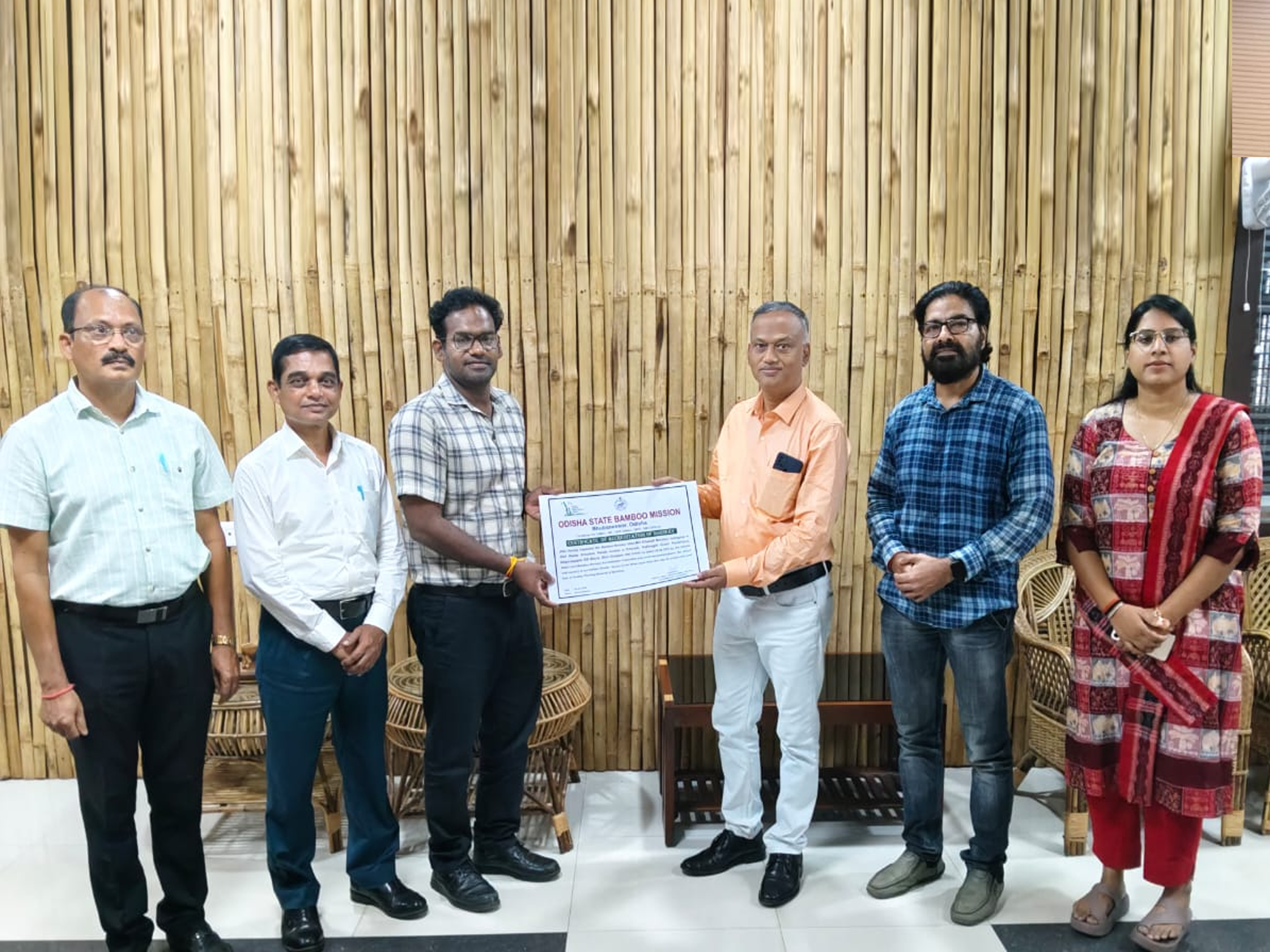
Another certificate was awarded to a bamboo farmer associated with the Odisha Bamboo Development Agency, demonstrating that the certification framework is intended to include individual and small-scale tree growers in addition to large institutional forest managers.
3. What Is PRAMAAN?
PRAMAAN stands for Programme for Recognition and Accreditation of Sustainable Management Practices for Agroforestry and Natural Forestry Resources.
It is the certification identity associated with India's Indian Forest and Wood Certification Scheme.
PRAMAAN provides a nationally accepted framework for certification of forests, wood and non-timber forest products with the objective of promoting sustainable management and creating stronger links between certified products and domestic and international markets.
4. What Is the Indian Forest and Wood Certification Scheme?
The Indian Forest and Wood Certification Scheme is India's national framework for voluntary third-party certification of forests, trees outside forests and wood-based value chains.
It was launched by the Ministry of Environment, Forest and Climate Change in December 2023.
The scheme seeks to provide credible verification that forest and agroforestry resources are being managed according to prescribed sustainability standards.
5. Who Operates the Scheme?
The Indian Institute of Forest Management, Bhopal, serves as the operating agency for the Indian Forest and Wood Certification Scheme.
IIFM also organised the ceremony in New Delhi at which the first PRAMAAN certificates were handed over.
The Indian Institute of Forest Management is therefore an important institution to remember in connection with PRAMAAN.
6. Why Was APFDC Certified?
The Andhra Pradesh Forest Development Corporation received certification for plantations covering approximately 33,000 hectares.
Before certification, the plantations underwent field and management audits.
The certification is intended to provide independently verified evidence that the management practices assessed under the scheme comply with the applicable Indian forest-management certification requirements.
7. Why Is the Odisha Bamboo Farmer's Certification Important?
The certification of a bamboo farmer associated with the Odisha Bamboo Development Agency demonstrates the application of the national framework to trees grown outside conventional forests.
Additional reporting from Odisha identified the recipient as bamboo farmer Gobinda Mahapatra of Mayurbhanj district. The certified bamboo area was reported as 14.03 hectares spread across four plots in Gobardhansul and Ranibhol.
This example is important because agroforestry and farm-grown trees can become part of traceable and independently verified supply chains rather than certification being restricted to large forest estates.
8. Which Bamboo Species Were Reported in the Certified Area?
The certified Odisha bamboo plantations were reported to include Bambusa vulgaris, Bambusa nutans and Dendrocalamus strictus.
These bamboo species have commercial applications, including uses in construction and furniture.
For competitive examinations, the broader significance is that PRAMAAN extends certification to tree-based agricultural systems and can support sustainable bamboo value chains.
9. What Is Forest Certification?
Forest certification is a system through which an independent organisation assesses forest-management practices against defined standards.
Certification can provide buyers, regulators and consumers with greater assurance regarding how forest or tree-based products were produced.
A credible certification system generally requires clearly defined standards, independent auditing, traceability and accredited certification bodies.
10. Is PRAMAAN Based Only on Self-Declaration?
No. A major feature of the framework is that certification is not intended to depend merely on voluntary self-declaration by a producer or forest manager.
Independent audits are conducted by certification bodies accredited by the National Accreditation Board for Certification Bodies, or NABCB.
This third-party verification is intended to improve the credibility of certificates issued under the scheme.
11. What Is NABCB?
NABCB stands for National Accreditation Board for Certification Bodies.
It operates under the Quality Council of India.
Under the PRAMAAN framework, certification bodies are required to obtain appropriate accreditation, creating an institutional separation between the entity seeking certification and the organisation assessing compliance.
12. What Is the National Working Plan Code 2023?
Forest Management certification under PRAMAAN is anchored in the National Working Plan Code 2023.
The Indian Forest Management Standards used for certification form part of this framework.
Working plans are important instruments for scientific forest management because they provide structured approaches to managing forest resources over specified periods while considering ecological, social and economic factors.
13. What Are Trees Outside Forests?
Trees Outside Forests refers broadly to trees growing outside areas legally or conventionally classified as forests.
They can include trees on farms, agroforestry plots, private land and other landscapes.
Such trees can contribute to timber and bamboo supply, carbon storage, biodiversity, soil protection, farm diversification and rural incomes.
The certification of an Odisha bamboo farmer demonstrates the relevance of PRAMAAN to this category.
14. What Is Agroforestry?
Agroforestry involves intentionally integrating trees or woody plants with crops, livestock or other agricultural activities on the same land-management system.
It can diversify farmers' sources of income while also providing ecological benefits depending on local conditions and management practices.
PRAMAAN's inclusion of agroforestry is significant because India has large numbers of small and marginal farmers who can potentially participate in tree-based value chains.
15. What Are Non-Timber Forest Products?
Non-Timber Forest Products are biological materials obtained from forests or tree-based ecosystems other than conventional timber.
They can include products such as bamboo, gums, resins, medicinal plants, fibres, fruits and other forest-derived resources depending on classification and context.
PRAMAAN is designed as a framework covering forests, wood and non-timber forest products, expanding its relevance beyond conventional timber production.
16. Why Is Traceability Important?
Traceability allows a product to be followed through different stages of its supply chain.
For wood and forest products, buyers increasingly want evidence regarding the origin of raw material and whether it came from legally and responsibly managed sources.
A certification and chain-of-custody system can help create documentation connecting the final product with certified sources.
17. What Is Chain of Custody Certification?
Chain of Custody certification concerns the movement and handling of certified material through the supply chain from its source to processing, manufacturing and sale.
It is particularly important when certified and non-certified materials could otherwise become mixed during processing or trade.
PRAMAAN includes a framework for Chain of Custody certification in addition to forest-management and trees-outside-forests certification.
18. Why Does Certification Matter for International Trade?
Major international markets are increasingly introducing due-diligence and sustainability requirements for commodities associated with forests and land use.
Indian producers and exporters may therefore need verifiable information regarding the origin and management of timber and other forest-based products.
The Government presents PRAMAAN as an instrument that can help Indian businesses demonstrate sustainability credentials and respond to evolving market requirements.
19. Does PRAMAAN Automatically Guarantee Access to Every Foreign Market?
No. A PRAMAAN certificate demonstrates compliance with the standards and audit system established under the Indian certification framework.
Actual acceptance in a particular foreign market can depend on that market's laws, regulatory requirements, buyer policies and recognition arrangements.
Therefore, the first certificates are evidence that India's domestic certification architecture has become operational, but they should not be interpreted as automatic regulatory approval in every overseas jurisdiction.
20. What Does Deforestation-Free Sourcing Mean?
Deforestation-free sourcing broadly refers to obtaining commodities or raw materials through supply chains designed to avoid association with prohibited or unacceptable deforestation.
International markets are increasingly asking businesses to conduct due diligence regarding the geographical origin and sustainability of products linked with forests.
PRAMAAN seeks to provide verifiable sustainability information that can assist Indian producers and exporters in responding to such requirements.
21. How Can PRAMAAN Help Farmers?
Certification can potentially improve the credibility and traceability of farm-grown wood, bamboo and other eligible products.
If buyers value verified sustainable sourcing, certified farmers may gain access to buyers or market segments that demand such evidence.
However, higher income or premium prices should be treated as potential benefits rather than guaranteed outcomes because actual prices depend on demand, product quality, supply conditions and buyer decisions.
22. Why Are Rural and Tribal Communities Relevant?
Many rural and tribal communities depend on forests, agroforestry and non-timber forest products for part of their livelihoods.
A certification framework that includes small producers can potentially connect these communities with organised and sustainability-conscious markets.
The Environment Ministry has specifically highlighted rural communities, tribal communities, small farmers and forest-dependent groups as potential beneficiaries of the framework.
23. How Could Women Self-Help Groups Benefit?
Women Self-Help Groups are active in many parts of India in collection, processing and value addition of agricultural and forest-based products.
The Ministry has identified women SHGs engaged in non-timber forest-product collection and processing, agroforestry and related activities among groups that could potentially benefit from an organised certification ecosystem.
Certification could strengthen traceability and market credibility, although economic benefits will depend on actual participation and market conditions.
24. What Is the Role of Farmer Producer Organisations?
Farmer Producer Organisations and Farmer Producer Companies can aggregate products from multiple small producers, provide services and improve their collective market participation.
The Environment Minister called on FPOs, FPCs, tree growers, industries, certification bodies and institutions to expand participation in PRAMAAN.
Aggregation can be especially useful where individual farmers produce quantities too small to efficiently access specialised markets independently.
25. How Is PRAMAAN Connected With Sustainable Forest Management?
Sustainable forest management attempts to balance ecological protection, productive use and social considerations over the long term.
Certification creates a mechanism for management practices to be assessed against predetermined standards rather than relying solely on unverified claims.
The Indian Forest Management Standards and independent audit process therefore form the technical foundation of PRAMAAN's forest-management certification.
26. Why Is the 33,000-Hectare Figure Important?
The Andhra Pradesh Forest Development Corporation received one of India's first PRAMAAN certificates for plantations covering approximately 33,000 hectares.
This is one of the most important factual figures associated with the inaugural certification event.
Students should remember: APFDC — Andhra Pradesh — PRAMAAN — approximately 33,000 hectares.
27. Why Is December 2023 Important?
The Ministry of Environment, Forest and Climate Change launched the Indian Forest and Wood Certification Scheme in December 2023.
The first certificates were handed over in September 2026 after development and implementation of the certification procedures.
The timeline therefore shows the movement from the launch of the national certification framework to its first field-level certifications.
28. Why Is 29 September 2026 Important?
On 29 September 2026, India's first PRAMAAN certificates were formally handed over in New Delhi.
This date marks the first operational certification milestone under IFWCS.
For competitive examinations, remember the distinction between scheme launch in December 2023 and first certificate issuance in September 2026.
29. Which Ministry Is Responsible for the Scheme?
The Indian Forest and Wood Certification Scheme comes under the Ministry of Environment, Forest and Climate Change.
The first certificates were presented by Union Environment, Forest and Climate Change Minister Bhupender Yadav.
The Indian Institute of Forest Management, Bhopal, functions as the scheme's operating agency.
30. Why Is the Quality Council of India Relevant?
The National Accreditation Board for Certification Bodies operates under the Quality Council of India.
NABCB accreditation of certification bodies helps create confidence that organisations carrying out certification audits themselves meet specified competence requirements.
This accreditation layer is important because credible certification requires oversight not only of producers but also of the organisations conducting audits.
31. What Is the Difference Between Certification and Accreditation?
Certification is the process through which an eligible forest manager, producer, organisation or supply-chain operation is assessed against a defined standard and may receive a certificate.
Accreditation concerns formal recognition of the competence of the certification body carrying out that assessment.
Under the PRAMAAN architecture, this distinction helps establish multiple layers of independent verification.
32. How Can PRAMAAN Support India's Green Economy?
India's green economy includes economic activities that seek to combine production and livelihoods with more sustainable management of natural resources.
Certified forestry, agroforestry, bamboo cultivation and traceable wood-based industries can contribute to this objective by linking environmental management with economic value chains.
The effectiveness of PRAMAAN will ultimately depend on the quality of auditing, producer participation, buyer acceptance, traceability and measurable environmental and livelihood outcomes.
33. What Are the Most Important Institutions to Remember?
The Ministry of Environment, Forest and Climate Change is the responsible Union Ministry.
The Indian Institute of Forest Management, Bhopal, is the operating agency.
The National Accreditation Board for Certification Bodies accredits certification bodies and functions under the Quality Council of India.
The first institutional recipient was the Andhra Pradesh Forest Development Corporation, while the first certificates also included a bamboo farmer associated with the Odisha Bamboo Development Agency.
34. Why Is This Important for UPSC and State PCS?
PRAMAAN connects environment, forestry, agriculture, international trade and rural livelihoods.
For UPSC GS Paper III, it can be linked with sustainable forest management, agroforestry, biodiversity, environmental governance, certification and green trade. For GS Paper II and international relations-related analysis, it can be connected with changing global sustainability and due-diligence requirements.
State PCS examinations may focus on Andhra Pradesh and Odisha because the first certificates were associated with these two states.
35. What Should Students Remember?
India's first PRAMAAN certificates under the Indian Forest and Wood Certification Scheme were handed over on 29 September 2026 in New Delhi by Union Environment Minister Bhupender Yadav. The Andhra Pradesh Forest Development Corporation received certification for plantations covering approximately 33,000 hectares, while another inaugural certificate was awarded to a bamboo farmer associated with the Odisha Bamboo Development Agency.
PRAMAAN stands for Programme for Recognition and Accreditation of Sustainable Management Practices for Agroforestry and Natural Forestry Resources. IFWCS was launched by the Ministry of Environment, Forest and Climate Change in December 2023. The Indian Institute of Forest Management, Bhopal, is its operating agency. Forest Management certification is linked with the National Working Plan Code 2023, and certification relies on independent audits by certification bodies accredited by NABCB under the Quality Council of India.
For quick revision remember: PRAMAAN — forest, wood and non-timber forest products — IFWCS — MoEFCC — launched December 2023 — first certificates 29 September 2026 — APFDC 33,000 hectares — Odisha bamboo farmer — IIFM Bhopal operating agency — NABCB-accredited independent certification bodies — National Working Plan Code 2023.
क्या हुआ?
भारत ने सतत वन प्रबंधन और कृषि वानिकी के क्षेत्र में 29 सितंबर 2026 को एक महत्वपूर्ण उपलब्धि हासिल की, जब केंद्रीय पर्यावरण, वन एवं जलवायु परिवर्तन मंत्री भूपेंद्र यादव ने नई दिल्ली में भारतीय वन एवं लकड़ी प्रमाणन योजना के अंतर्गत देश के पहले PRAMAAN प्रमाणपत्र प्रदान किए। पहला प्रमाणपत्र आंध्र प्रदेश वन विकास निगम को लगभग 33,000 हेक्टेयर क्षेत्र में फैले वृक्षारोपण के लिए दिया गया, जबकि एक अन्य प्रमाणपत्र ओडिशा बांस विकास एजेंसी से जुड़े एक बांस किसान को प्रदान किया गया। यह घटनाक्रम इस राष्ट्रीय प्रमाणन व्यवस्था के नीतिगत ढाँचे से वास्तविक जमीनी क्रियान्वयन की ओर बढ़ने का संकेत है।
1. 29 सितंबर 2026 को क्या हुआ?
केंद्रीय पर्यावरण, वन एवं जलवायु परिवर्तन मंत्री भूपेंद्र यादव ने नई दिल्ली में भारतीय वन एवं लकड़ी प्रमाणन योजना के अंतर्गत भारत के पहले PRAMAAN प्रमाणपत्र प्रदान किए।
प्रमाणपत्र प्रदान करने से पहले संबंधित वृक्षारोपण और वृक्ष-आधारित कृषि प्रणालियों का क्षेत्रीय तथा प्रबंधन संबंधी परीक्षण किया गया।
यह महत्वपूर्ण है क्योंकि दिसंबर 2023 में शुरू की गई भारतीय वन एवं लकड़ी प्रमाणन योजना अब मानक और प्रक्रियाएँ तैयार करने के चरण से आगे बढ़कर वास्तविक प्रमाणन के स्तर पर पहुँच गई है।
2. पहले PRAMAAN प्रमाणपत्र किसे मिले?
प्रारंभिक प्रमाणपत्रों में से एक आंध्र प्रदेश वन विकास निगम को प्रदान किया गया।
निगम को लगभग 33,000 हेक्टेयर क्षेत्र में फैले वृक्षारोपण के लिए प्रमाणन मिला।
दूसरा प्रमाणपत्र ओडिशा बांस विकास एजेंसी से जुड़े एक बांस किसान को दिया गया। इससे स्पष्ट होता है कि यह व्यवस्था केवल बड़े सरकारी वन संस्थानों तक सीमित नहीं है, बल्कि व्यक्तिगत और छोटे वृक्ष उत्पादकों को भी शामिल करने के लिए बनाई गई है।
3. PRAMAAN क्या है?
PRAMAAN का पूर्ण रूप Programme for Recognition and Accreditation of Sustainable Management Practices for Agroforestry and Natural Forestry Resources है।
यह भारतीय वन एवं लकड़ी प्रमाणन योजना से जुड़ी राष्ट्रीय प्रमाणन पहचान है।
इसका उद्देश्य वनों, लकड़ी और गैर-काष्ठ वन उत्पादों के लिए राष्ट्रीय स्तर पर मान्य प्रमाणन व्यवस्था उपलब्ध कराना तथा प्रमाणित वन और कृषि वानिकी उत्पादों को घरेलू एवं अंतरराष्ट्रीय बाजारों से जोड़ना है।
4. भारतीय वन एवं लकड़ी प्रमाणन योजना क्या है?
भारतीय वन एवं लकड़ी प्रमाणन योजना भारत की स्वैच्छिक, स्वतंत्र तृतीय-पक्ष प्रमाणन व्यवस्था है, जो वन प्रबंधन, वनों के बाहर उगाए गए वृक्षों और लकड़ी आधारित मूल्य श्रृंखलाओं से संबंधित है।
इसे पर्यावरण, वन एवं जलवायु परिवर्तन मंत्रालय ने दिसंबर 2023 में प्रारंभ किया था।
इसका उद्देश्य विश्वसनीय रूप से सत्यापित करना है कि संबंधित वन और कृषि वानिकी संसाधनों का प्रबंधन निर्धारित सतत मानकों के अनुसार किया जा रहा है।
5. योजना का संचालन कौन करता है?
भारतीय वन प्रबंधन संस्थान, भोपाल इस योजना की संचालन संस्था है।
नई दिल्ली में पहले PRAMAAN प्रमाणपत्र प्रदान करने वाले कार्यक्रम का आयोजन भी भारतीय वन प्रबंधन संस्थान द्वारा किया गया।
इसलिए परीक्षा के लिए PRAMAAN के साथ भारतीय वन प्रबंधन संस्थान, भोपाल का संबंध महत्वपूर्ण है।
6. आंध्र प्रदेश वन विकास निगम को प्रमाणपत्र क्यों मिला?
आंध्र प्रदेश वन विकास निगम को लगभग 33,000 हेक्टेयर क्षेत्र में फैले वृक्षारोपण के लिए प्रमाणन दिया गया।
प्रमाणन से पहले इन वृक्षारोपण क्षेत्रों का विस्तृत क्षेत्रीय और प्रबंधन परीक्षण किया गया।
इसका उद्देश्य स्वतंत्र रूप से सत्यापित करना है कि मूल्यांकन की गई प्रबंधन पद्धतियाँ लागू भारतीय वन प्रबंधन प्रमाणन मानकों के अनुरूप हैं।
7. ओडिशा के बांस किसान का प्रमाणन क्यों महत्वपूर्ण है?
ओडिशा बांस विकास एजेंसी से जुड़े किसान को मिला प्रमाणपत्र दर्शाता है कि राष्ट्रीय प्रमाणन व्यवस्था का उपयोग पारंपरिक वन क्षेत्रों से बाहर उगाए जाने वाले वृक्षों और बांस के लिए भी किया जा सकता है।
ओडिशा से प्राप्त अतिरिक्त आधिकारिक एवं स्थानीय जानकारी के अनुसार प्रमाणन से जुड़े किसान गोबिंदा महापात्र मयूरभंज जिले से हैं। प्रमाणित बांस क्षेत्र लगभग 14.03 हेक्टेयर बताया गया है, जो गोबर्धनसुल और रानीभोल में चार भूखंडों में फैला है।
इससे छोटे किसानों को भी सत्यापन योग्य और पता लगाने योग्य आपूर्ति श्रृंखला का हिस्सा बनने का अवसर मिल सकता है।
8. प्रमाणित क्षेत्र में बांस की कौन-सी प्रजातियाँ बताई गई हैं?
ओडिशा के प्रमाणित बांस क्षेत्र में Bambusa vulgaris, Bambusa nutans और Dendrocalamus strictus प्रजातियों की जानकारी दी गई है।
इनका व्यावसायिक उपयोग निर्माण और फर्नीचर जैसे क्षेत्रों में किया जाता है।
परीक्षा के दृष्टिकोण से अधिक महत्वपूर्ण तथ्य यह है कि PRAMAAN वृक्ष-आधारित कृषि प्रणालियों और सतत बांस मूल्य श्रृंखला को भी प्रमाणन व्यवस्था से जोड़ता है।
9. वन प्रमाणन क्या होता है?
वन प्रमाणन ऐसी व्यवस्था है जिसमें कोई स्वतंत्र संस्था वन प्रबंधन पद्धतियों का निर्धारित मानकों के आधार पर मूल्यांकन करती है।
इससे खरीदारों, नियामक संस्थाओं और उपभोक्ताओं को यह जानने में सहायता मिल सकती है कि वन या वृक्ष आधारित उत्पाद किस प्रकार उत्पादित किए गए हैं।
एक विश्वसनीय प्रमाणन प्रणाली में स्पष्ट मानक, स्वतंत्र परीक्षण, स्रोत की पहचान और मान्यता प्राप्त प्रमाणन संस्थाएँ महत्वपूर्ण होती हैं।
10. क्या PRAMAAN केवल स्वयं की घोषणा पर आधारित है?
नहीं। इस व्यवस्था की एक महत्वपूर्ण विशेषता यह है कि प्रमाणन केवल उत्पादक या वन प्रबंधक की स्वैच्छिक स्वयं-घोषणा पर निर्भर नहीं करता।
स्वतंत्र परीक्षण उन प्रमाणन संस्थाओं द्वारा किए जाते हैं जिन्हें National Accreditation Board for Certification Bodies से मान्यता प्राप्त होती है।
इस स्वतंत्र तृतीय-पक्ष परीक्षण का उद्देश्य प्रमाणपत्रों की विश्वसनीयता बढ़ाना है।
11. NABCB क्या है?
NABCB का पूर्ण रूप National Accreditation Board for Certification Bodies है।
यह Quality Council of India के अंतर्गत कार्य करता है।
PRAMAAN व्यवस्था में प्रमाणन करने वाली संस्थाओं के लिए उचित मान्यता आवश्यक है। इससे प्रमाणन चाहने वाली संस्था और उसके अनुपालन का परीक्षण करने वाली संस्था के बीच संस्थागत स्वतंत्रता बनी रहती है।
12. National Working Plan Code 2023 का क्या महत्व है?
PRAMAAN के अंतर्गत वन प्रबंधन प्रमाणन National Working Plan Code 2023 के सिद्धांतों पर आधारित है।
प्रमाणन के लिए उपयोग किए जाने वाले Indian Forest Management Standards इसी ढाँचे का हिस्सा हैं।
कार्य योजना वैज्ञानिक वन प्रबंधन के लिए महत्वपूर्ण होती है क्योंकि इसमें पारिस्थितिक, सामाजिक और आर्थिक पहलुओं को ध्यान में रखते हुए वन संसाधनों के दीर्घकालीन प्रबंधन की व्यवस्था की जाती है।
13. वनों के बाहर के वृक्ष क्या होते हैं?
इससे आशय ऐसे वृक्षों से है जो कानूनी या पारंपरिक रूप से वन घोषित क्षेत्रों के बाहर उगते हैं।
इनमें खेतों, कृषि वानिकी क्षेत्रों, निजी भूमि और अन्य भू-दृश्यों पर उगने वाले वृक्ष शामिल हो सकते हैं।
ये वृक्ष लकड़ी और बांस की आपूर्ति, कार्बन संचयन, जैव विविधता, मृदा संरक्षण, कृषि विविधीकरण और ग्रामीण आय में योगदान दे सकते हैं।
14. कृषि वानिकी क्या है?
कृषि वानिकी ऐसी भूमि प्रबंधन पद्धति है जिसमें वृक्षों या अन्य काष्ठीय पौधों को फसलों, पशुपालन या अन्य कृषि गतिविधियों के साथ योजनाबद्ध रूप से जोड़ा जाता है।
स्थानीय परिस्थितियों और प्रबंधन के अनुसार इससे किसानों की आय के स्रोतों में विविधता तथा पर्यावरणीय लाभ दोनों प्राप्त हो सकते हैं।
PRAMAAN में कृषि वानिकी का समावेश विशेष रूप से महत्वपूर्ण है क्योंकि भारत में बड़ी संख्या में छोटे और सीमांत किसान वृक्ष आधारित उत्पादन प्रणालियों से जुड़ सकते हैं।
15. गैर-काष्ठ वन उत्पाद क्या हैं?
गैर-काष्ठ वन उत्पाद ऐसे जैविक उत्पाद हैं जो वन या वृक्ष आधारित पारिस्थितिकी तंत्र से प्राप्त होते हैं लेकिन पारंपरिक लकड़ी के रूप में वर्गीकृत नहीं होते।
इनमें संदर्भ के अनुसार बांस, गोंद, रेजिन, औषधीय पौधे, रेशे, फल और अन्य वन-आधारित संसाधन शामिल हो सकते हैं।
PRAMAAN वनों और लकड़ी के साथ गैर-काष्ठ वन उत्पादों के प्रमाणन के लिए भी बनाया गया है।
16. स्रोत की पहचान क्यों महत्वपूर्ण है?
स्रोत की पहचान से किसी उत्पाद की आपूर्ति श्रृंखला के विभिन्न चरणों का पता लगाया जा सकता है।
लकड़ी और वन उत्पादों के खरीदार यह प्रमाण चाहते हैं कि कच्चा माल कहाँ से आया और क्या उसका स्रोत कानूनी तथा उत्तरदायी तरीके से प्रबंधित था।
प्रमाणन और अभिरक्षा श्रृंखला व्यवस्था अंतिम उत्पाद को प्रमाणित स्रोत से जोड़ने वाले दस्तावेज उपलब्ध कराने में सहायता कर सकती है।
17. Chain of Custody प्रमाणन क्या है?
यह प्रमाणन स्रोत से लेकर प्रसंस्करण, निर्माण और बिक्री तक प्रमाणित सामग्री की आवाजाही और प्रबंधन से संबंधित है।
इसका महत्व तब बढ़ जाता है जब प्रसंस्करण या व्यापार के दौरान प्रमाणित और अप्रमाणित सामग्री के मिश्रित होने की संभावना हो।
PRAMAAN में वन प्रबंधन और वनों के बाहर के वृक्षों के प्रमाणन के साथ अभिरक्षा श्रृंखला प्रमाणन की व्यवस्था भी शामिल है।
18. अंतरराष्ट्रीय व्यापार के लिए प्रमाणन क्यों महत्वपूर्ण है?
विश्व के कई प्रमुख बाजार वन और भूमि उपयोग से जुड़े उत्पादों के लिए उचित जाँच और सततता संबंधी आवश्यकताओं को मजबूत कर रहे हैं।
भारतीय उत्पादकों और निर्यातकों को इसलिए लकड़ी तथा अन्य वन आधारित उत्पादों के स्रोत और प्रबंधन से संबंधित सत्यापन योग्य जानकारी की आवश्यकता पड़ सकती है।
सरकार PRAMAAN को ऐसी व्यवस्था के रूप में प्रस्तुत करती है जो भारतीय उत्पादकों को अपनी सततता संबंधी विश्वसनीयता प्रदर्शित करने और बदलती बाजार आवश्यकताओं का सामना करने में सहायता कर सकती है।
19. क्या PRAMAAN प्रत्येक विदेशी बाजार में स्वतः प्रवेश की गारंटी देता है?
नहीं। PRAMAAN प्रमाणपत्र भारतीय प्रमाणन ढाँचे के मानकों और परीक्षण प्रणाली के अनुरूप होने का प्रमाण देता है।
किसी विशेष विदेशी बाजार में इसकी स्वीकृति उस देश या बाजार के कानून, नियामक आवश्यकताओं, खरीदारों की नीतियों और पारस्परिक मान्यता व्यवस्था पर निर्भर कर सकती है।
इसलिए पहले प्रमाणपत्र भारत की घरेलू प्रमाणन व्यवस्था के सक्रिय होने का प्रमाण हैं, लेकिन इन्हें प्रत्येक विदेशी बाजार में स्वतः नियामक स्वीकृति नहीं माना जाना चाहिए।
20. वनों की कटाई से मुक्त स्रोत का क्या अर्थ है?
इसका व्यापक अर्थ ऐसी आपूर्ति श्रृंखला से वस्तु या कच्चा माल प्राप्त करना है जिसे निषिद्ध या अस्वीकार्य वन कटाई से अलग रखा गया हो।
अंतरराष्ट्रीय बाजार वन से जुड़े उत्पादों की भौगोलिक उत्पत्ति और सततता के बारे में अधिक प्रमाण मांग रहे हैं।
PRAMAAN का उद्देश्य ऐसी सत्यापन योग्य जानकारी उपलब्ध कराना है जो भारतीय उत्पादकों और निर्यातकों को इन आवश्यकताओं का सामना करने में सहायता कर सके।
21. PRAMAAN किसानों की कैसे सहायता कर सकता है?
प्रमाणन खेतों में उगाई गई लकड़ी, बांस और अन्य पात्र उत्पादों की विश्वसनीयता और स्रोत पहचान को मजबूत कर सकता है।
यदि खरीदार सत्यापित सतत स्रोतों को प्राथमिकता देते हैं तो प्रमाणित किसानों को ऐसे बाजारों तक पहुँचने में सहायता मिल सकती है जहाँ इस प्रकार के प्रमाण की आवश्यकता होती है।
हालाँकि अधिक आय या अधिक मूल्य को निश्चित परिणाम नहीं माना जाना चाहिए क्योंकि वास्तविक मूल्य बाजार की मांग, गुणवत्ता, आपूर्ति और खरीदारों के निर्णय पर निर्भर करेगा।
22. ग्रामीण और जनजातीय समुदायों के लिए इसका क्या महत्व है?
भारत में अनेक ग्रामीण और जनजातीय समुदाय अपनी आजीविका के लिए वन, कृषि वानिकी और गैर-काष्ठ वन उत्पादों पर निर्भर हैं।
छोटे उत्पादकों को शामिल करने वाली प्रमाणन व्यवस्था इन समुदायों को संगठित और सततता को महत्व देने वाले बाजारों से जोड़ सकती है।
पर्यावरण मंत्रालय ने ग्रामीण समुदायों, जनजातीय समुदायों, छोटे किसानों और वन-निर्भर समूहों को इस व्यवस्था के संभावित लाभार्थियों में शामिल किया है।
23. महिला स्वयं सहायता समूहों को कैसे लाभ हो सकता है?
भारत के अनेक क्षेत्रों में महिला स्वयं सहायता समूह कृषि और वन आधारित उत्पादों के संग्रह, प्रसंस्करण और मूल्य संवर्धन में सक्रिय हैं।
मंत्रालय ने गैर-काष्ठ वन उत्पादों के संग्रह और प्रसंस्करण, कृषि वानिकी और संबंधित गतिविधियों में लगे महिला स्वयं सहायता समूहों को संभावित लाभार्थियों के रूप में चिन्हित किया है।
प्रमाणन स्रोत पहचान और बाजार विश्वसनीयता को मजबूत कर सकता है, हालाँकि वास्तविक आर्थिक लाभ भागीदारी और बाजार परिस्थितियों पर निर्भर करेंगे।
24. Farmer Producer Organisations की क्या भूमिका हो सकती है?
किसान उत्पादक संगठन अनेक छोटे किसानों के उत्पादों को एकत्रित कर सकते हैं, सेवाएँ उपलब्ध करा सकते हैं और सामूहिक बाजार भागीदारी बढ़ा सकते हैं।
पर्यावरण मंत्री ने किसान उत्पादक संगठनों, किसान उत्पादक कंपनियों, वृक्ष उत्पादकों, उद्योगों, प्रमाणन संस्थाओं और अन्य संस्थानों से PRAMAAN में भागीदारी बढ़ाने का आह्वान किया।
छोटे किसानों के लिए सामूहिक व्यवस्था विशेष रूप से उपयोगी हो सकती है क्योंकि व्यक्तिगत किसान के पास विशेष बाजारों तक पहुँचने के लिए पर्याप्त उत्पादन मात्रा नहीं हो सकती।
25. सतत वन प्रबंधन से PRAMAAN का क्या संबंध है?
सतत वन प्रबंधन का उद्देश्य दीर्घकाल में पारिस्थितिक संरक्षण, उत्पादक उपयोग और सामाजिक हितों के बीच संतुलन स्थापित करना है।
प्रमाणन के माध्यम से प्रबंधन पद्धतियों का पूर्व निर्धारित मानकों के आधार पर परीक्षण किया जाता है।
इसलिए Indian Forest Management Standards और स्वतंत्र परीक्षण PRAMAAN के वन प्रबंधन प्रमाणन की तकनीकी नींव हैं।
26. 33,000 हेक्टेयर का आँकड़ा क्यों महत्वपूर्ण है?
आंध्र प्रदेश वन विकास निगम को भारत के पहले PRAMAAN प्रमाणपत्रों में से एक लगभग 33,000 हेक्टेयर क्षेत्र में फैले वृक्षारोपण के लिए मिला।
यह उद्घाटन प्रमाणन से जुड़ा सबसे महत्वपूर्ण संख्यात्मक तथ्य है।
परीक्षा के लिए संबंध याद रखें: आंध्र प्रदेश वन विकास निगम — आंध्र प्रदेश — PRAMAAN — लगभग 33,000 हेक्टेयर।
27. दिसंबर 2023 क्यों महत्वपूर्ण है?
पर्यावरण, वन एवं जलवायु परिवर्तन मंत्रालय ने भारतीय वन एवं लकड़ी प्रमाणन योजना दिसंबर 2023 में प्रारंभ की थी।
सितंबर 2026 में इसकी प्रक्रियाओं के विकास और क्रियान्वयन के बाद पहले प्रमाणपत्र प्रदान किए गए।
इस प्रकार दिसंबर 2023 योजना की शुरुआत और सितंबर 2026 जमीनी प्रमाणन की शुरुआत से जुड़ा है।
28. 29 सितंबर 2026 क्यों महत्वपूर्ण है?
29 सितंबर 2026 को नई दिल्ली में भारत के पहले PRAMAAN प्रमाणपत्र औपचारिक रूप से प्रदान किए गए।
यह भारतीय वन एवं लकड़ी प्रमाणन योजना के वास्तविक जमीनी प्रमाणन की पहली प्रमुख उपलब्धि है।
परीक्षा में दिसंबर 2023 में योजना की शुरुआत और सितंबर 2026 में पहले प्रमाणपत्र प्रदान किए जाने के बीच अंतर याद रखना चाहिए।
29. योजना किस मंत्रालय के अंतर्गत आती है?
भारतीय वन एवं लकड़ी प्रमाणन योजना पर्यावरण, वन एवं जलवायु परिवर्तन मंत्रालय के अंतर्गत आती है।
पहले प्रमाणपत्र केंद्रीय पर्यावरण, वन एवं जलवायु परिवर्तन मंत्री भूपेंद्र यादव ने प्रदान किए।
भारतीय वन प्रबंधन संस्थान, भोपाल इसकी संचालन संस्था है।
30. Quality Council of India का क्या संबंध है?
National Accreditation Board for Certification Bodies, Quality Council of India के अंतर्गत कार्य करता है।
NABCB द्वारा प्रमाणन संस्थाओं की मान्यता से यह सुनिश्चित करने में सहायता मिलती है कि प्रमाणन परीक्षण करने वाली संस्थाएँ स्वयं निर्धारित क्षमता और गुणवत्ता आवश्यकताओं को पूरा करती हैं।
विश्वसनीय प्रमाणन के लिए उत्पादकों के साथ-साथ उनका परीक्षण करने वाली संस्थाओं की निगरानी भी आवश्यक होती है।
31. Certification और Accreditation में क्या अंतर है?
Certification वह प्रक्रिया है जिसमें पात्र वन प्रबंधक, उत्पादक, संस्था या आपूर्ति श्रृंखला का किसी निर्धारित मानक के आधार पर मूल्यांकन किया जाता है और उपयुक्त पाए जाने पर प्रमाणपत्र दिया जाता है।
Accreditation उस प्रमाणन संस्था की क्षमता की औपचारिक मान्यता है जो यह मूल्यांकन करती है।
PRAMAAN व्यवस्था में यह अंतर स्वतंत्र सत्यापन की अनेक परतें स्थापित करने में सहायता करता है।
32. PRAMAAN भारत की हरित अर्थव्यवस्था में कैसे योगदान दे सकता है?
भारत की हरित अर्थव्यवस्था में ऐसी आर्थिक गतिविधियाँ शामिल हैं जो उत्पादन और आजीविका को प्राकृतिक संसाधनों के अधिक सतत प्रबंधन के साथ जोड़ने का प्रयास करती हैं।
प्रमाणित वन प्रबंधन, कृषि वानिकी, बांस उत्पादन और पता लगाने योग्य लकड़ी उद्योग पर्यावरणीय प्रबंधन को आर्थिक मूल्य श्रृंखला से जोड़ सकते हैं।
PRAMAAN की वास्तविक सफलता परीक्षण की गुणवत्ता, उत्पादकों की भागीदारी, खरीदारों की स्वीकृति, स्रोत पहचान और मापने योग्य पर्यावरणीय तथा आजीविका परिणामों पर निर्भर करेगी।
33. किन प्रमुख संस्थाओं को याद रखना चाहिए?
पर्यावरण, वन एवं जलवायु परिवर्तन मंत्रालय संबंधित केंद्रीय मंत्रालय है।
भारतीय वन प्रबंधन संस्थान, भोपाल योजना की संचालन संस्था है।
National Accreditation Board for Certification Bodies प्रमाणन संस्थाओं को मान्यता देता है और Quality Council of India के अंतर्गत कार्य करता है।
पहला प्रमुख संस्थागत प्रमाणपत्र आंध्र प्रदेश वन विकास निगम को मिला, जबकि प्रारंभिक प्रमाणपत्रों में ओडिशा बांस विकास एजेंसी से जुड़ा एक बांस किसान भी शामिल था।
34. UPSC और State PCS के लिए यह क्यों महत्वपूर्ण है?
PRAMAAN पर्यावरण, वन प्रबंधन, कृषि, अंतरराष्ट्रीय व्यापार और ग्रामीण आजीविका जैसे अनेक विषयों को जोड़ता है।
UPSC GS Paper III में इसे सतत वन प्रबंधन, कृषि वानिकी, जैव विविधता, पर्यावरणीय शासन, प्रमाणन और हरित व्यापार से जोड़ा जा सकता है। बदलती वैश्विक सततता और उचित जाँच आवश्यकताओं के संदर्भ में इसका अंतरराष्ट्रीय व्यापार से भी संबंध है।
State PCS परीक्षाओं में आंध्र प्रदेश और ओडिशा विशेष रूप से महत्वपूर्ण हैं क्योंकि पहले प्रमाणपत्र इन दोनों राज्यों से जुड़े थे।
35. विद्यार्थियों को क्या याद रखना चाहिए?
भारतीय वन एवं लकड़ी प्रमाणन योजना के अंतर्गत भारत के पहले PRAMAAN प्रमाणपत्र 29 सितंबर 2026 को नई दिल्ली में केंद्रीय पर्यावरण मंत्री भूपेंद्र यादव द्वारा प्रदान किए गए। आंध्र प्रदेश वन विकास निगम को लगभग 33,000 हेक्टेयर वृक्षारोपण के लिए प्रमाणन मिला, जबकि एक अन्य प्रारंभिक प्रमाणपत्र ओडिशा बांस विकास एजेंसी से जुड़े बांस किसान को दिया गया।
PRAMAAN का पूर्ण रूप Programme for Recognition and Accreditation of Sustainable Management Practices for Agroforestry and Natural Forestry Resources है। भारतीय वन एवं लकड़ी प्रमाणन योजना दिसंबर 2023 में पर्यावरण, वन एवं जलवायु परिवर्तन मंत्रालय द्वारा प्रारंभ की गई थी। भारतीय वन प्रबंधन संस्थान, भोपाल इसकी संचालन संस्था है। वन प्रबंधन प्रमाणन National Working Plan Code 2023 से जुड़ा है और स्वतंत्र परीक्षण NABCB से मान्यता प्राप्त प्रमाणन संस्थाओं द्वारा किए जाते हैं।
त्वरित पुनरावृत्ति: PRAMAAN — वन, लकड़ी और गैर-काष्ठ वन उत्पाद — भारतीय वन एवं लकड़ी प्रमाणन योजना — पर्यावरण, वन एवं जलवायु परिवर्तन मंत्रालय — दिसंबर 2023 में शुरुआत — 29 सितंबर 2026 को पहले प्रमाणपत्र — आंध्र प्रदेश वन विकास निगम 33,000 हेक्टेयर — ओडिशा का बांस किसान — भारतीय वन प्रबंधन संस्थान भोपाल संचालन संस्था — NABCB से मान्यता प्राप्त स्वतंत्र प्रमाणन संस्थाएँ — National Working Plan Code 2023।
Key Facts
• India's first PRAMAAN certificates were handed over on 29 September 2026.
• The certificates were issued under the Indian Forest and Wood Certification Scheme.
• Union Environment Minister Bhupender Yadav presented the inaugural certificates in New Delhi.
• Andhra Pradesh Forest Development Corporation was one of the first recipients.
• APFDC received certification for plantations covering approximately 33,000 hectares.
• Another inaugural certificate was awarded to a bamboo farmer associated with the Odisha Bamboo Development Agency.
• The Indian Forest and Wood Certification Scheme was launched in December 2023.
• The Ministry of Environment, Forest and Climate Change is responsible for the scheme.
• The Indian Institute of Forest Management, Bhopal, is the operating agency.
• PRAMAAN covers certification of forests, wood and non-timber forest products.
• PRAMAAN also covers agroforestry and trees outside forests.
• Certification is based on independent third-party audits rather than self-declaration alone.
• Certification bodies are accredited by the National Accreditation Board for Certification Bodies.
• NABCB functions under the Quality Council of India.
• Forest Management certification is anchored in the National Working Plan Code 2023.
• The Indian Forest Management Standards are used for Forest Management certification.
• PRAMAAN seeks to connect certified forests and agroforestry products with domestic and international markets.
• The framework includes Forest Management certification.
• It includes Trees Outside Forest Management certification.
• It also provides for Chain of Custody certification.
• The certification framework is intended to support responsible and verifiable sourcing.
• Rural and tribal communities are among the potential beneficiaries highlighted by the government.
• Smallholder farmers and forest-dependent communities are also intended beneficiaries.
• Women Self-Help Groups engaged in forest-product and tree-based activities can potentially participate.
• Farmer Producer Organisations and Farmer Producer Companies have been encouraged to participate.
• The first certificates mark the transition of IFWCS from a policy framework to field-level implementation.
मुख्य तथ्य
• भारत के पहले PRAMAAN प्रमाणपत्र 29 सितंबर 2026 को प्रदान किए गए।
• ये प्रमाणपत्र भारतीय वन एवं लकड़ी प्रमाणन योजना के अंतर्गत जारी किए गए।
• केंद्रीय पर्यावरण मंत्री भूपेंद्र यादव ने नई दिल्ली में पहले प्रमाणपत्र प्रदान किए।
• आंध्र प्रदेश वन विकास निगम प्रारंभिक प्रमाणपत्र प्राप्त करने वाली संस्थाओं में शामिल था।
• आंध्र प्रदेश वन विकास निगम को लगभग 33,000 हेक्टेयर वृक्षारोपण के लिए प्रमाणन मिला।
• एक अन्य प्रारंभिक प्रमाणपत्र ओडिशा बांस विकास एजेंसी से जुड़े बांस किसान को दिया गया।
• भारतीय वन एवं लकड़ी प्रमाणन योजना दिसंबर 2023 में शुरू की गई थी।
• यह योजना पर्यावरण, वन एवं जलवायु परिवर्तन मंत्रालय के अंतर्गत आती है।
• भारतीय वन प्रबंधन संस्थान, भोपाल इसकी संचालन संस्था है।
• PRAMAAN वनों, लकड़ी और गैर-काष्ठ वन उत्पादों के प्रमाणन से संबंधित है।
• इसमें कृषि वानिकी और वनों के बाहर के वृक्ष भी शामिल हैं।
• प्रमाणन केवल स्वयं-घोषणा के बजाय स्वतंत्र तृतीय-पक्ष परीक्षण पर आधारित है।
• प्रमाणन संस्थाओं को National Accreditation Board for Certification Bodies से मान्यता प्राप्त करनी होती है।
• NABCB, Quality Council of India के अंतर्गत कार्य करता है।
• वन प्रबंधन प्रमाणन National Working Plan Code 2023 से जुड़ा है।
• वन प्रबंधन प्रमाणन के लिए Indian Forest Management Standards का उपयोग किया जाता है।
• PRAMAAN का उद्देश्य प्रमाणित वन और कृषि वानिकी उत्पादों को घरेलू तथा अंतरराष्ट्रीय बाजारों से जोड़ना है।
• इस ढाँचे में वन प्रबंधन प्रमाणन शामिल है।
• इसमें वनों के बाहर के वृक्षों के प्रबंधन का प्रमाणन भी शामिल है।
• इसमें Chain of Custody प्रमाणन की भी व्यवस्था है।
• प्रमाणन व्यवस्था का उद्देश्य उत्तरदायी और सत्यापन योग्य स्रोत व्यवस्था को मजबूत करना है।
• सरकार ने ग्रामीण और जनजातीय समुदायों को संभावित लाभार्थियों में शामिल किया है।
• छोटे किसानों और वन-निर्भर समुदायों को भी संभावित लाभार्थी माना गया है।
• वन उत्पादों और वृक्ष आधारित गतिविधियों में लगे महिला स्वयं सहायता समूह भी भाग ले सकते हैं।
• किसान उत्पादक संगठनों और किसान उत्पादक कंपनियों को भागीदारी बढ़ाने के लिए प्रोत्साहित किया गया है।
• पहले प्रमाणपत्र IFWCS के नीतिगत ढाँचे से जमीनी क्रियान्वयन की ओर बढ़ने का संकेत हैं।
Background
India launched the Indian Forest and Wood Certification Scheme in December 2023 to establish a national framework for credible certification of forest management, trees outside forests and wood-based supply chains. The scheme is operated by the Indian Institute of Forest Management, Bhopal. Its architecture uses independent certification bodies accredited by NABCB under the Quality Council of India. The first certificates issued in September 2026 demonstrate that the procedures developed under the scheme are now being applied to actual plantations and agroforestry systems.
पृष्ठभूमि
भारत ने वन प्रबंधन, वनों के बाहर के वृक्षों और लकड़ी आधारित आपूर्ति श्रृंखलाओं के विश्वसनीय प्रमाणन के लिए दिसंबर 2023 में भारतीय वन एवं लकड़ी प्रमाणन योजना प्रारंभ की थी। इस योजना का संचालन भारतीय वन प्रबंधन संस्थान, भोपाल करता है। इसकी संरचना में Quality Council of India के अंतर्गत NABCB से मान्यता प्राप्त स्वतंत्र प्रमाणन संस्थाओं द्वारा परीक्षण की व्यवस्था है। सितंबर 2026 में जारी पहले प्रमाणपत्र यह दर्शाते हैं कि योजना के अंतर्गत विकसित प्रक्रियाओं का अब वास्तविक वृक्षारोपण और कृषि वानिकी प्रणालियों पर उपयोग शुरू हो गया है।
Why It Matters
PRAMAAN is important because sustainability claims in forestry and agroforestry increasingly require credible verification. Independent certification can strengthen traceability and provide producers and buyers with a common framework for assessing management practices. It may also help Indian forest-based enterprises and farmers respond to evolving domestic and international market requirements. However, certification itself should not be treated as a guarantee of premium prices, higher income or automatic acceptance by every foreign regulator; those outcomes depend on market recognition, buyer demand and effective implementation.
यह क्यों महत्वपूर्ण है?
PRAMAAN महत्वपूर्ण है क्योंकि वन और कृषि वानिकी से जुड़े सततता दावों के लिए विश्वसनीय सत्यापन की आवश्यकता बढ़ रही है। स्वतंत्र प्रमाणन स्रोत की पहचान को मजबूत कर सकता है और उत्पादकों तथा खरीदारों को प्रबंधन पद्धतियों के मूल्यांकन के लिए एक समान ढाँचा प्रदान कर सकता है। इससे भारतीय वन-आधारित उद्यमों और किसानों को बदलती घरेलू तथा अंतरराष्ट्रीय बाजार आवश्यकताओं का सामना करने में सहायता मिल सकती है। हालाँकि प्रमाणन को अधिक मूल्य, अधिक आय या प्रत्येक विदेशी नियामक द्वारा स्वतः स्वीकृति की गारंटी नहीं माना जाना चाहिए। ये परिणाम बाजार की मान्यता, खरीदारों की मांग और प्रभावी क्रियान्वयन पर निर्भर करेंगे।
Exam Connection
Remember: PRAMAAN—Programme for Recognition and Accreditation of Sustainable Management Practices for Agroforestry and Natural Forestry Resources; scheme—Indian Forest and Wood Certification Scheme; ministry—Ministry of Environment, Forest and Climate Change; IFWCS launched—December 2023; first certificates—29 September 2026; first institutional recipient—Andhra Pradesh Forest Development Corporation for approximately 33,000 hectares of plantations; another first recipient—a bamboo farmer associated with Odisha Bamboo Development Agency; operating agency—Indian Institute of Forest Management, Bhopal; certification bodies—NABCB-accredited; NABCB—under Quality Council of India; Forest Management certification—linked to National Working Plan Code 2023.
परीक्षा से संबंध
याद रखें: PRAMAAN—Programme for Recognition and Accreditation of Sustainable Management Practices for Agroforestry and Natural Forestry Resources; योजना—भारतीय वन एवं लकड़ी प्रमाणन योजना; मंत्रालय—पर्यावरण, वन एवं जलवायु परिवर्तन मंत्रालय; योजना की शुरुआत—दिसंबर 2023; पहले प्रमाणपत्र—29 सितंबर 2026; पहला प्रमुख संस्थागत प्राप्तकर्ता—आंध्र प्रदेश वन विकास निगम, लगभग 33,000 हेक्टेयर वृक्षारोपण; अन्य प्रारंभिक प्राप्तकर्ता—ओडिशा बांस विकास एजेंसी से जुड़ा बांस किसान; संचालन संस्था—भारतीय वन प्रबंधन संस्थान, भोपाल; प्रमाणन संस्थाएँ—NABCB से मान्यता प्राप्त; NABCB—Quality Council of India के अंतर्गत; वन प्रबंधन प्रमाणन—National Working Plan Code 2023 से संबंधित।
 SSC CGL 2026 Ultimate Chapterwise
 SSC CHSL 2026 Ultimate Chapterwise